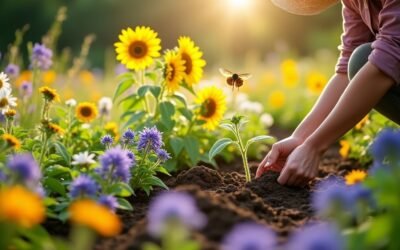
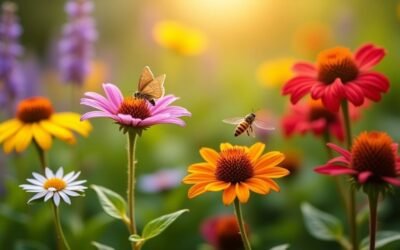
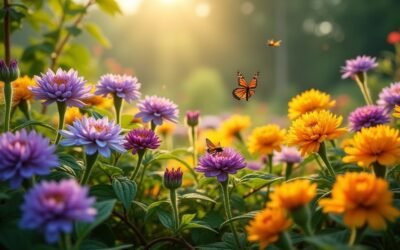
Erigeron species, commonly referred to as fleabane, represent over 175 plants within the Asteraceae family. They are renowned for their striking daisy-like flowers, mainly in shades of white, yellow, and purple. Thriving in sunny to partly-sunny conditions, these plants generally require 6-8 hours of sunlight and well-drained soils with a pH of 6.0 to 8.0. Their ecological significance is profound, attracting a plethora of pollinators, including bees and butterflies, thereby enhancing biodiversity. Maintaining their health involves attentive care practices, such as deadheading and pest management. Intrigued by their remarkable adaptations and effects on local ecosystems? Further exploration awaits.
Main Points
- Diversity: Over 175 Erigeron species are found within the Asteraceae family, commonly referred to as fleabane in North America.
- Growth Requirements: These plants thrive in sunny, well-drained soils with a pH of 6.0 to 8.0, preferring at least 6-8 hours of sunlight daily.
- Flowering Characteristics: Erigeron species produce clusters of daisy-like blooms in colors like white, yellow, purple, and can flower from summer to fall.
- Ecological Role: Fleabane attracts various pollinators, such as bees and butterflies, supporting local biodiversity and ecosystem health.
- Maintenance Needs: Regular care, including deadheading, monitoring for pests, and disease management, ensures healthy growth and vibrant blooms.
Introduction
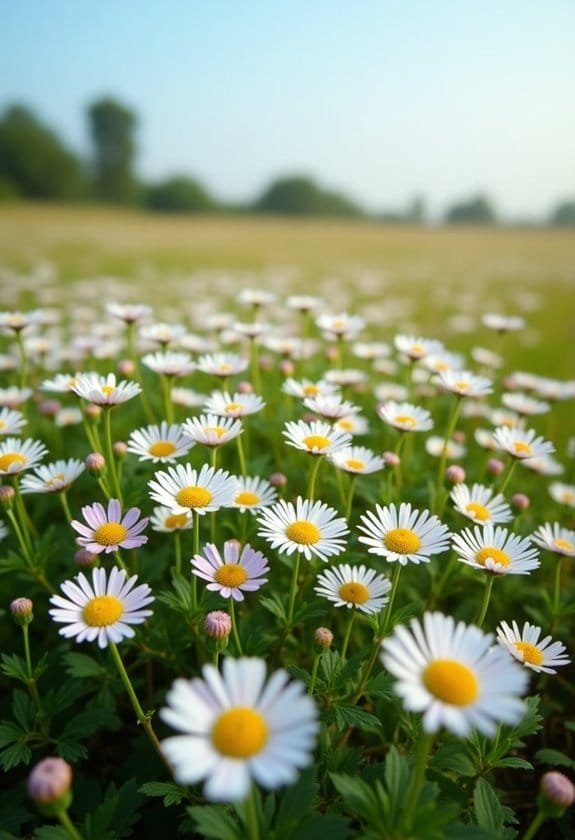
Erigeron species, widely recognized as fleabane, showcase the remarkable diversity within the Asteraceae family, comprising over 175 varieties that thrive mainly in North America.
Known scientifically for their daisy-like blooms, these plants display a stunning array of colors, from pristine whites to vibrant purples, often enhanced by bright yellow centers that draw numerous pollinators.
Their adaptability to various environments, such as meadows and roadsides, underscores their ecological significance and ornamental appeal, making them essential contributors to local biodiversity. Additionally, many species of fleabane, like Common Fleabane, have historically been valued for their insect-repelling properties, further enhancing their importance in natural ecosystems.
Common Name
Fleabane, a common name for several Erigeron species, reflects an age-old superstition that suggests dried clusters of the plant can ward off fleas. This intriguing name captures the imagination, linking the plant's striking appearance to folklore.
Fleabane often showcases clusters of small daisy-like flowers, featuring delicate white petals encircling vibrant yellow centers, much like traditional daisies.
One of the most recognized members of this genus is Philadelphia Fleabane (Erigeron philadelphicus), admired for its remarkable adaptability and widespread distribution across various habitats. The term "Daisy Fleabane" underscores this plant's daisy-like charm, serving as an alternative name that emphasizes its visual appeal, further promoting its popularity.
While "Fleabane" encompasses various species within the Erigeron genus, it's crucial to note that each species exhibits unique characteristics tailored to specific environmental preferences.
These variations may include differences in size, color intensity, and growth habits, encapsulating the diversity present within the genus. Understanding these distinctions not only enhances appreciation for Fleabane's ecological roles but also demonstrates its resilience and beauty in diverse landscapes.
Scientific Name
Understanding the scientific name of a plant provides essential insights into its identity and taxonomic relationships. For instance, the common fleabane is scientifically designated as Erigeron philadelphicus, a name that highlights its historical presence across North America.
This genus, Erigeron, belongs to the Asteraceae family and encompasses over 175 species, showcasing remarkable diversity within its ranks.
Erigeron species are often recognized for their varying floral colors, which include shades of white, yellow, and purple, with many displaying distinctive yellow centers that enhance identification.
The complexity of plant classification is further illustrated by synonyms for some Erigeron species, such as Erigeron annuus var. discoideus and Stenactis annua. These synonimized names emphasize the intricate relationships that exist within the botanical world.
Moreover, extensive taxonomic studies have critically examined Erigeron species to differentiate them from similar genera, particularly Conyza. Such precise botanical identification methods are paramount, not merely for academic purposes but for practical applications in ecology and horticulture.
Consequently, understanding the scientific name serves as a gateway to appreciating the plant's ecological roles and evolutionary significance.
Overview
With over 175 species, the genus Erigeron captures the attention of plant enthusiasts and ecologists alike. Commonly referred to as fleabane, these plants showcase an impressive array of growth habits and floral traits that contribute significantly to their ecological niche.
Fleabane flowers, often resembling daisies, display clusters of 3 to 35 small blossoms adorned with white petals surrounding cheerful yellow centers, blooming vibrantly from summer into fall.
Erigeron species thrive mainly in sunny to partly-sunny moist environments, demonstrating remarkable adaptability to a variety of soil types. They flourish in well-drained soils that range from acidic to alkaline, allowing for a broad habitat distribution.
Beyond their aesthetic appeal, fleabane plants play an essential role in local ecosystems by attracting crucial pollinators like bees and butterflies. This in turn fosters greater biodiversity, supporting various wildlife populations that rely on these flowers for sustenance.
Among the many varieties, Erigeron philadelphicus stands out due to its widespread presence throughout North America, demonstrating the genus's resilience and ecological importance.
Key Features
Erigeron species exhibit notable growth sizes and enchanting appearances, characterized by their clusters of small, daisy-like flowers that bloom from summer to fall.
Typically, these delicate blooms, measuring between 0.5 to 1 inch across, feature striking white rays encircling a vibrant yellow center, creating a visually appealing display.
Their unique flowering habits, including the nightly closure of blossoms, not only enhance their charm but also underscore their remarkable adaptability to various environmental conditions.
Growth Size
Growing in a variety of forms, Erigeron species showcase a remarkable height range from just 4 inches in low-growing varieties like Erigeron glaucus to an impressive 30 inches in taller types such as Erigeron speciosa. This significant variation in growth size makes them versatile for diverse garden settings.
Some species, including Erigeron peregrinus, thrive in moist environments, attaining heights between 18 to 24 inches, demonstrating the adaptability of these plants across different conditions.
In addition to height, the flowering stems typically average around 1 inch in length, culminating in clusters that can hold over 35 small, delicate flowers. This growth size not only adds visual appeal but also contributes to the overall charm of Erigeron plants.
Their growth habit can be tufted or clump-forming, which allows for both individual displays and collective groupings in gardens.
Even when faced with division, a common gardening practice, Erigeron plants exhibit resilience, often showing recovery signs within just a few days. This adaptability enhances their appeal and assures gardeners that these delightful perennials can thrive, regardless of initial setbacks in their location or conditions.
Appearance
Aesthetic appeal defines the appearance of Erigeron species, which typically form tufted or clump structures adorned with clusters of small, daisy-like flowers. These flowers that appear boast a charming array of colors, ranging from pristine white to gentle lavender and vibrant purple. Each flower consists of numerous delicate, light green ray petals that encircle a prominent yellow disc. On average, these flowers measure between 0.5 to 1 inch in diameter, creating a picturesque focal point in gardens and wildflower meadows.
The foliage further enhances the plant's allure; leaves are arranged in a basal rosette, often spoon-shaped, while the upper leaves are more spaced and elliptical, all culminating in pointed tips.
The erect stems can vary in height considerably, extending from about 4 inches in species like Erigeron glaucus to impressive heights of up to 30 inches for taller varieties, such as Erigeron speciosa. This variation in stature only adds to the visual diversity that these plants offer.
As daytime approaches, the enchanting flowers unfurl, revealing their colorful petals and enlivening any landscape with their playful charm, a true reflection of nature's artistry.
Flowering Season
Blooming from summer to fall, Erigeron species, known commonly as fleabanes, showcase their vibrant flowers that bear a striking resemblance to daisies. These delightful plants produce flower clusters that can contain anywhere from 3 to 35 small blooms, each averaging around 1 inch in diameter. The flowers, adorned with numerous white ray petals and a sunny yellow center, create a striking visual display, enchanting gardeners and pollinators alike during their flowering season.
Intriguingly, fleabane flowers exhibit a unique diurnal rhythm; they close at night, taking on a soft pinkish hue before gracefully reopening with the dawn. This behavior not only highlights their responsiveness to light but also enhances their charm as garden favorites.
Furthermore, different species within the Erigeron genus showcase a diverse palette of bloom colors, including white, lavender, pink, and occasionally blue or reddish-purple.
While most fleabanes flourish during the late summer months, some, like the Philadelphia fleabane, initiate their flowering seasons earlier, often claiming their territory in meadows and disturbed habitats. This variability among species illustrates the resilience and adaptability of Erigeron, making each flowering season a celebration of nature's diversity.
Growing Requirements
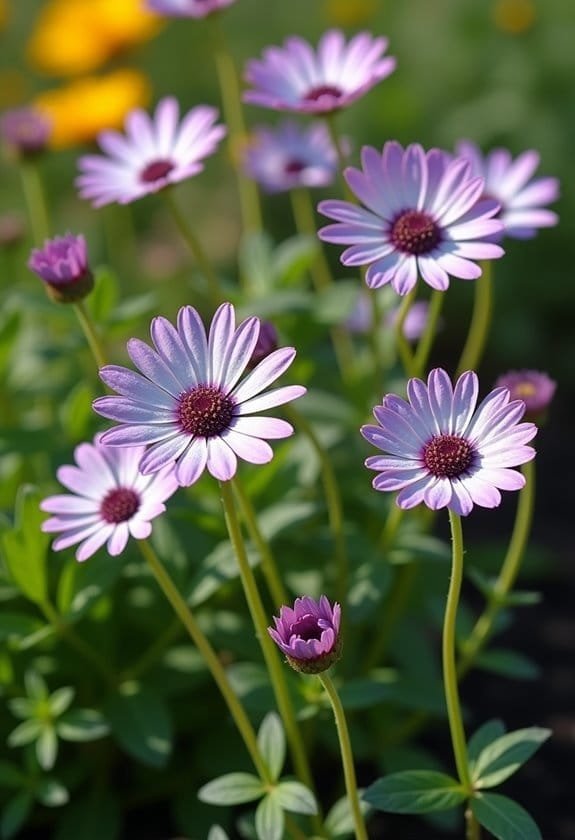
Erigeron species require specific growing conditions to flourish effectively, thriving best with ample sunlight and well-drained soils.
Ideal pH levels range from slightly acidic to alkaline, specifically between 6.0 and 8.0, ensuring robust health and vibrant blooms.
Additionally, while these plants exhibit adaptability to varying moisture levels, regular watering during the summer months greatly enhances their growth and flowering potential.
Light
For ideal growth and vibrant flowering, these plants require full sun, which means they'll thrive best with at least 6-8 hours of direct sunlight each day.
While Erigeron species display a certain adaptability to various light conditions, their flowering potential dramatically increases when situated in sunny to partly-sunny locations. Insufficient light can lead to leggy growth, characterized by elongated stems and few blossoms, ultimately impairing the plant's overall vigor.
When grown in full sun, these resilient plants benefit from a degree of drought tolerance, yet they appreciate additional summer watering during periods of excessive heat or dryness. This hydration sustains not just the plant's health but also enriches the ecological roles they play, attracting essential pollinators and enhancing local biodiversity.
Thus, understanding the light requirements for Erigeron species is paramount for successful cultivation.
Soil
Successful cultivation of Erigeron species relies not only on ample sunlight but also on ideal soil conditions. These vibrant plants flourish in well-drained soils, showcasing remarkable adaptability to various types.
Erigeron species can thrive in both acidic environments, with a pH of 6.0, and alkaline soils, reaching pH levels of up to 8.0. However, for peak growth and abundant flowering, they prefer rich soils with a neutral pH, ideally situated in sunny to partly-sunny locations.
The ability of Erigeron to grow in diverse habitats is truly impressive. From dry, rocky terrains to moist meadows, these plants demonstrate flexibility in moisture retention. While many species exhibit drought-tolerance, providing supplemental summer watering can greatly enhance their overall health and flowering potential.
This adaptability underscores the importance of soil quality in fostering vigorous growth.
Moreover, gardening enthusiasts can propagate Erigeron through division, seed, and stem cuttings, highlighting their versatile requirements in various garden settings.
Water
Ideal water management is crucial for the flourishing of Erigeron species in the garden. These plants generally prefer well-drained soils, thriving in dry to moderately moist conditions. While many fleabane varieties exhibit remarkable drought tolerance once established, they notably benefit from regular summer watering. This practice supports optimal growth and enhances blooming potential, allowing gardeners to witness their vibrant displays.
Soil moisture levels play a key role in flowering; plants growing in consistently moist environments may exhibit more robust growth and produce larger blooms.
For instance, Erigeron glaucus is particularly well-suited for dry habitats, flourishing in rocky, low-water conditions typical of rock gardens. Conversely, some species, like Erigeron peregrinus, thrive in moister habitats such as wet meadows and streamsides, showcasing the diversity within the genus concerning water requirements.
Regular assessment of soil moisture is crucial, as it informs the appropriate watering regimen. By understanding these nuances, gardeners can create an environment tailored to the unique needs of each Erigeron species, ensuring that they not only survive but thrive in their designated spaces.
Therefore, thoughtful water management is a key component of successful cultivation.
Temperature
When it comes to temperature, Erigeron species thrive in full sun, flourishing in the warm conditions typical of summer through fall. Most Fleabane plants prefer moderate to warm temperatures, ideally sustaining between 60°F to 75°F (15°C to 24°C). These temperatures create a prime environment for robust growth and vibrant blooms.
However, gardeners must be cautious about the impact of cold, wet winters on these perennial beauties; such conditions can lead to undesirable die-off, particularly in soils that retain moisture poorly.
Young plants may exhibit signs of shock following division, appearing temporarily stunned. Fortunately, they typically bounce back quickly in warm conditions, usually within just a few days, aided by their remarkable resilience.
While certain Erigeron species display impressive drought tolerance, they decidedly benefit from consistent summer watering, which helps maintain their health and vigor amid elevated temperatures.
Thus, understanding the specific temperature requirements for Erigeron species is vital for gardeners aiming to cultivate these delightful plants successfully, ensuring they thrive within the quintessential growing conditions that foster their natural beauty.
Pollinator Criteria
Erigeron species, particularly Fleabane, naturally attract a diverse array of pollinators, including bees and butterflies, thanks to their vibrant clusters of small, daisy-like blooms.
These floral structures, with their rich yellow centers, serve as a beacon for pollinators seeking nectar and pollen, essential for their life cycles and reproductive success. Additionally, chicory's role as a pollinator habitat enhances the beneficial interactions within the ecosystem.
Moreover, the extended blooming period from summer to fall guarantees these beneficial insects have a continuous food source, thereby enhancing local ecosystems and promoting biodiversity. Additionally, similar to Vipers Bugloss, these plants thrive in well-drained soils, contributing to their adaptability and support of diverse insect populations.
Attracted Pollinators
Attracting a diverse array of pollinators, Erigeron species like Common Fleabane stand out in gardens and natural landscapes. These perennial plants, adorned with daisy-like flowers, draw in crucial pollinators such as bees, butterflies, and hummingbirds, thanks to their abundant nectar supply.
The blooming period, extending from summer to fall, aligns perfectly with the active foraging times of many pollinator species, thereby enhancing ecological interactions.
The flowers' bright yellow centers act as visual guides, efficiently directing pollinators toward their nectar, which considerably boosts the plants' reproductive success.
An efficient pollination process is essential as it leads to the fertilization of Fleabane flowers, resulting in seed production and facilitating the plant's spread across various habitats.
This adaptability allows Erigeron species to thrive in both cultivated gardens and wild settings, promoting a rich diversity of pollinators.
Pollination Method
Pollinator interactions with Erigeron species hinge on specific criteria that make these plants appealing to various foragers. Their daisy-like structure, adorned with numerous small, ray-like petals and vibrant yellow centers, creates an inviting visual feast. This design not only enhances their visibility but also provides an ideal landing platform for pollinators, including bees, butterflies, and hummingbirds.
Effective pollination is essential for the reproductive success of Erigeron species, which rely on cross-pollination to produce seeds. This process increases genetic diversity within populations, fostering resilience against diseases and environmental changes. Significantly, the flowering period from summer to fall coincides with peak activity for many pollinators, optimizing the chances for successful pollination.
Furthermore, the adaptability of Erigeron to various soil types enhances its role in supporting local ecosystems. By providing nectar and pollen, these plants attract diverse pollinators, thereby contributing to increased biodiversity. Notably, their ability to thrive in humus-rich, moist soil further emphasizes the supportive roles they play in their environments.
In gardens, their vibrant blooms serve not only as aesthetic enhancements but also as critical resources for pollinator populations. Ultimately, the pollination method of Erigeron species showcases the intricate relationships between flora and fauna, reinforcing the importance of maintaining healthy ecosystems.
Care & Maintenance
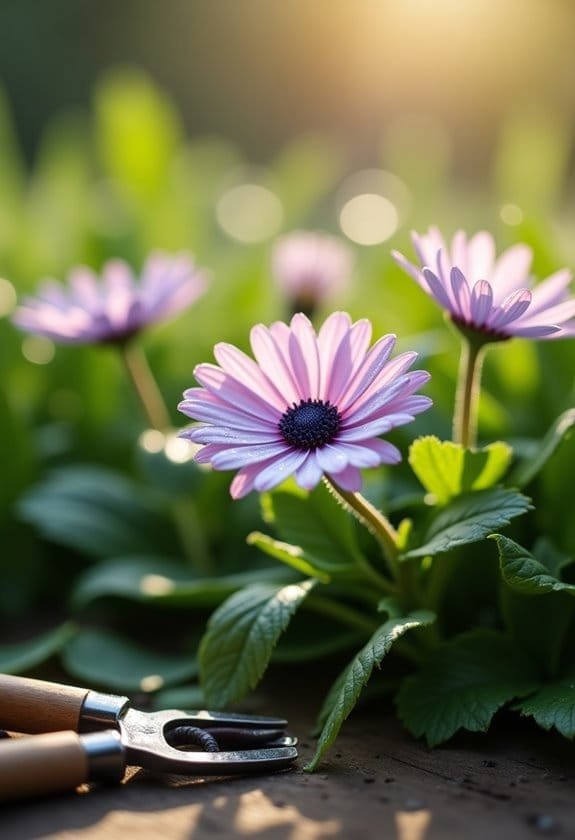
When cultivating Erigeron species, understanding their planting tips and ongoing care requirements is essential for vibrant growth.
These resilient plants flourish in well-drained soils with a pH between 6.0 and 8.0, adapting comfortably to various conditions, making them ideal companions for numerous garden favorites.
Additionally, regular maintenance activities such as deadheading and rejuvenation through division not only enhance their aesthetic appeal but also guarantee that they thrive year after year.
Planting Tips
Planting Erigeron species requires careful attention to their growing conditions for ideal health. Selecting a well-drained soil, with a pH ranging from 6.0 to 8.0, will ultimately facilitate best growth and flourishing blooms.
These plants thrive in full sun, so it's vital to guarantee they receive at least six hours of sunlight daily. Furthermore, summer watering plays a significant role in enhancing blooming potential, creating an inviting spectacle for any garden.
Propagation methods for these resilient plants include division, seed, or stem cutting. After dividing, it's common for the plants to initially appear stunned; however, they typically recover within a few days, promoting healthy growth. Regular deadheading throughout their flowering season not only promotes continued blooming but also helps prevent unwanted self-seeding, thereby maintaining the vigor of the plant.
Additionally, monitoring for pests and diseases, such as southern blight and leaf spot, is fundamental. Promptly addressing these issues will guarantee that the plants remain healthy and resilient, ultimately leading to greater satisfaction and enjoyment in the garden.
Ongoing Care
For ideal ongoing care of Erigeron species, gardeners should prioritize providing full sun and well-drained soil, as these plants thrive in open, dry environments.
These perennial fleabanes flourish in drought conditions once established, making them low-maintenance choices for landscapes.
Nevertheless, during prolonged dry spells, regular watering benefits young plants, enhancing their blooming potential and overall health. Care must be taken to avoid overwatering, particularly in heavy soils, to prevent detrimental root rot.
In addition to proper watering, deadheading spent flowers plays an essential role in promoting prolonged blooming.
This simple practice prevents the plants from diverting energy into seed production, ultimately resulting in a tidier, more visually appealing garden.
Gardeners should also monitor their plants for potential pests and diseases, such as southern blight and leaf spot.
Timely interventions with appropriate treatments can mitigate damage, preserving plant vigor.
When it comes to fertilization, less is more; a light application of balanced fertilizer in early spring can support growth, but Erigeron species generally thrive in nutrient-poor soils, further enhancing their resilience and adaptability.
Suggested Companions
Choosing the right companions for Erigeron species can markedly enhance the garden's overall aesthetic and health. Companion plants such as Lavender, Sedums, and other drought-tolerant perennials thrive under similar conditions, benefiting from full sun exposure and well-drained soils. These plants, much like Erigeron, require minimal water, creating a cohesive garden ecosystem that flourishes harmoniously.
Spacing is essential; placing plants approximately 12 to 18 inches apart allows for adequate air circulation, ultimately reducing the risk of disease. This thoughtful arrangement not only promotes healthy growth but also emphasizes each plant's vibrant characteristics.
Additionally, incorporating mulch around both Erigeron and its companions retains soil moisture and suppresses unwelcome weeds, enhancing overall soil health.
Regular maintenance is critical for continued beauty. Deadheading spent flowers from both Erigeron and its companions encourages ongoing blooming, and so maintaining a tidy garden appearance.
The interplay of these careful, mindful choices transforms the garden into a picturesque landscape, where each plant complements the others, illustrating nature's delicate balance.
Common Issues
Erigeron species encounter several common issues that can compromise their health and energy.
Fungal diseases like southern blight and rust, alongside pests such as aphids, pose significant threats, particularly when
Pests/Diseases
Several common diseases can greatly affect the health of Erigeron species, leading to various symptoms that may compromise their growth.
Southern blight stands out among the challenges faced, particularly flourishing in warm, humid conditions where it induces wilting and decay.
Leaf spot diseases often ensue from fungal infections and result in dark spots on leaves, severely impacting the plants' overall vigor. These unsightly blemishes hinder the plant's ability to photosynthesize effectively, limiting nutrient uptake essential for robust growth.
Another significant concern is rust, which manifests as orange or rust-colored pustules appearing on leaves and stems. This disease can escalate to leaf drop, causing significant stress to the plant.
Mildew, especially powdery mildew, thrives in similarly humid environments, presenting as a white, powdery coating that can engulf the foliage. This coating restricts sunlight exposure, thereby diminishing photosynthesis and growth.
To combat these issues, monitoring plants for such diseases is paramount. Good garden hygiene practices, including regular debris removal and ensuring adequate air circulation, are key steps in mitigating the adverse impacts of pests and diseases on these delicate plants.
Solutions
To address common issues that affect Erigeron species, gardeners should prioritize good cultural practices and environmental conditions.
These plants are particularly susceptible to southern blight, leaf spot, rust, and mildew. Implementing regular maintenance can greatly enhance their vitality. Regular clump division every three to four years prevents overcrowding, which otherwise stunts growth and diminishes aesthetic appeal.
Moreover, ensuring well-drained soil is essential, as poorly drained conditions exacerbated by cold, wet winters can lead to plant die-off.
Gardeners should aim for a soil pH between 6.0 and 8.0 to stave off nutrient deficiencies. Keeping the soil settled within this range promotes robust development.
Monitoring for pests like aphids and moth larvae is critical; an unchecked pest population can swiftly undermine the health of Erigeron plants.
Integrated pest management strategies, including natural predators and organic treatments, can mitigate these infestations effectively. Additionally, maintaining moist, acidic soil similar to that favored by Alder Buckthorn can promote healthier growth for Erigeron species.
How do Erigeron species compare to Cornus Alba in terms of growth and maintenance?
Erigeron species typically require less maintenance than Cornus Alba, making them an attractive option for low-maintenance gardening. However, the vibrant red bark of the Cornus Alba, also known as the redbarked dogwood shrub plant, adds a unique aesthetic appeal to the landscape that Erigeron species cannot match.
Summary
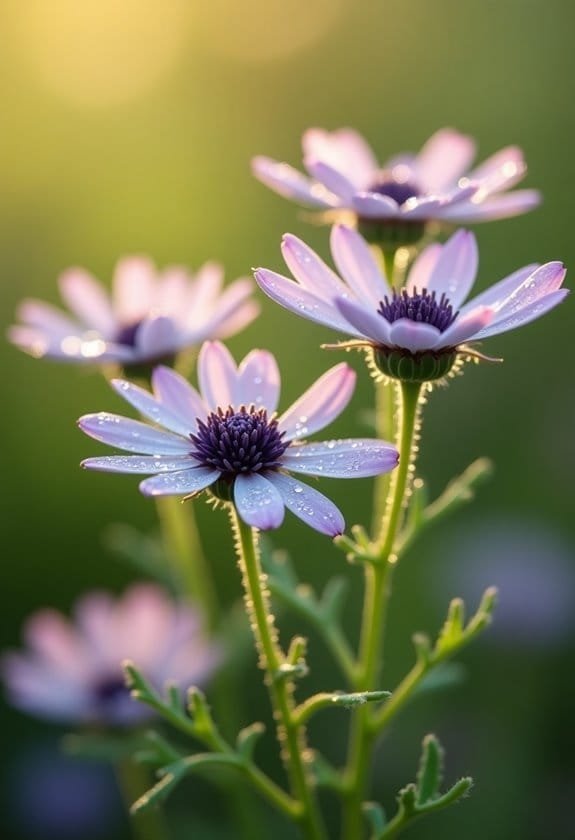
With over 175 species native to North America, the fleabane plant genus showcases remarkable diversity, including well-known varieties like Philadelphia fleabane and seaside daisy. These visually appealing plants exhibit leaves that vary in shape and size, contributing to their adaptability in environments ranging from dry, rocky terrains to moist meadows.
Fleabane flowers form clusters of small, daisy-like blooms, characterized by white petals surrounding a vibrant yellow center, opening with daylight and closing at night.
Their ecological significance can't be overstated, as Erigeron species play an essential role in attracting pollinators such as bees and butterflies. This interaction enhances local biodiversity, supporting a healthier ecosystem.
Moreover, fleabane exhibits resilience, with propagation methods including division, seed, and stem cuttings; often, plants recover quickly from division after a brief initial period of stunted growth.
Thus, the versatility of fleabane extends beyond its visual charm. Its ability to thrive under various conditions, combined with its ecological contributions, makes it an invaluable addition to North American flora, fostering vibrant habitats while delighting those who admire these delicate yet robust blooms.