Eupatorium cannabinum, or Hemp Agrimony, is a striking perennial herb that thrives in moist, low-lying areas of temperate Eurasia. Growing up to 1.5 meters (4.9 feet) tall, it showcases clusters of mauve flowers from July to September. This plant, belonging to the Asteraceae family, exhibits trifoliate leaves resembling those of hemp, enhancing its aesthetic appeal. While historically valued for its potential anti-inflammatory properties, users must exercise caution due to toxic pyrrolizidine alkaloids. Supporting the local ecosystem, Hemp Agrimony attracts pollinators and stabilizes soils. Insights into its cultivation and impact reveal even more fascinating aspects of this remarkable species.
Main Points
- Eupatorium cannabinum, or Hemp Agrimony, is a perennial herb that grows up to 1.5 meters with clusters of mauve flowers.
- It thrives in moist, low-lying regions of temperate Eurasia, particularly in damp grasslands and marshy areas.
- Traditionally used for respiratory ailments, it contains potentially harmful pyrrolizidine alkaloids requiring careful use.
- This plant supports local biodiversity by attracting pollinators like butterflies and stabilizing soil in its habitat.
- It prefers humus-rich, well-drained soil with a pH of 6.0-7.0 and requires consistent moisture and partial sunlight for optimal growth.
Introduction
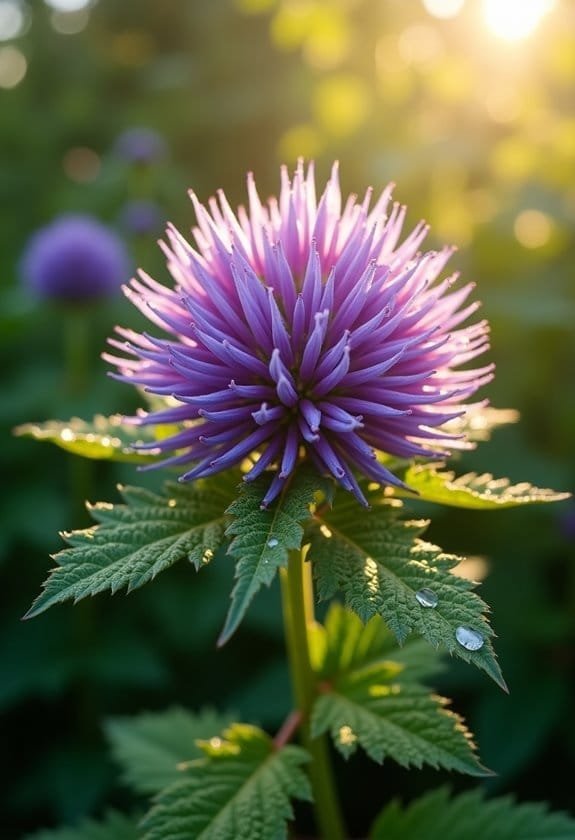
Eupatorium cannabinum, widely recognized as Hemp Agrimony, stands as a notable perennial herb that can reach heights of 1.5 meters.
Characterized by its striking dark red stems and clusters of mauve flower heads, this plant flourishes in moist low-lying regions throughout temperate Eurasia.
Its traditional uses in herbal medicine, particularly for combating respiratory ailments, underscore its significance, though caution is warranted due to the presence of tumorigenic pyrrolizidine alkaloids.
Common Name
Hemp Agrimony, commonly known for its resemblance to hemp leaves, showcases the unique characteristics that contribute to its identity. Known scientifically as Eupatorium cannabinum, this plant stands out with its striking appearance and ecological significance. Its common name can sometimes lead to confusion with true hemp, Cannabis sativa, yet they belong to distinct plant families.
Eupatorium cannabinum thrives in various regions, particularly across Europe and Asia, where it emerges as a wildflower, attracting a myriad of pollinators, especially butterflies.
Its allure isn't limited to beauty; it's often referred to as "gravelroot" or "sacred root" in traditional medicinal contexts, highlighting its reputed healing properties. Locally, in Sikkim, it bears the names Banmara or Kalijhar, underscoring its cultural importance in herbal medicine practices.
The habitats where Hemp Agrimony flourishes boast rich biodiversity, serving as essential ecosystems for both flora and fauna. The plant's vibrant blooms not only captivate observers but also play a significant role in supporting local wildlife. Additionally, it plays a vital role in supporting local biodiversity, contributing to the health of freshwater ecosystems.
Therefore, the common name, Hemp Agrimony, encompasses a world of ecological connections, medicinal uses, and cultural resonance that enriches its identity.
Scientific Name
The scientific designation for Hemp Agrimony, Eupatorium cannabinum, highlights its classification within the Asteraceae family, which is renowned for its diverse array of flowering plants.
This perennial herb can reach impressive heights of up to 1.5 meters (4.9 feet), characterized by its distinctive dark red or purplish stems adorned with fine hairs. E. cannabinum boasts racemes of mauve flower heads, showcasing an enchanting display of pink flowers from July to early September.
Notably, this dioecious plant is an essential part of moist low-lying environments, found primarily in temperate Eurasia, where it thrives in damp grasslands and marshes. Its leaves, resembling those of hemp, are arranged in whorls and emit a pleasant aromatic scent when cut, adding to its appeal in natural settings.
The importance of Eupatorium cannabinum extends beyond its aesthetic qualities; organizations such as the Wildlife Trusts recognize its role in supporting local ecosystems. Furthermore, like Common Broom, it plays a significant role in creating habitat diversity by providing resources for various pollinators.
Overview
With its striking appearance and ecological significance, Eupatorium cannabinum, or Hemp Agrimony, stands out as a remarkable perennial herb in temperate Eurasia. This impressive plant can reach heights of up to 1.5 meters, showcasing its dark red or purplish stems and distinctive trifoliate leaves, reminiscent of hemp.
Thriving in moist low-lying areas, it populates damp grasslands, marshes, and riverbanks, particularly across regions like Wales and Southern England.
Hemp Agrimony blossoms between July and early September, producing eye-catching clusters of mauve flower heads that attract diverse pollinators, particularly butterflies, illustrating its essential ecological roles in sustaining local ecosystems.
Beyond its ornamental beauty, Eupatorium cannabinum carries cultural significance, featuring traditional uses as a styptic in folk medicine, especially in Sikkim. However, caution is important due to its toxic pyrrolizidine alkaloids, which can pose health risks.
This plant's potential pharmacological applications, especially its identified anti-inflammatory properties, further enhance its value.
Fundamentally, Eupatorium cannabinum not only supports biodiversity and water retention but also embodies a blend of ecological and cultural importance, intriguing both naturalists and herbal enthusiasts alike.
Key Features
Eupatorium cannabinum, or Hemp Agrimony, stands impressively at heights of up to 1.5 meters, showcasing its bushy form and distinctive trifoliate leaves that mimic hemp.
The plant boasts dark red to purplish hairy stems, while from July to early September, it adorns itself with beautiful racemes of mauve to pink tubular flowers.
Thriving in moist environments like marshes and riverbanks, this perennial not only captivates the eye but also draws various pollinators, enhancing its ecological significance.
Growth Size
Standing tall at up to 1.5 meters (4.9 feet), Eupatorium cannabinum makes a striking addition to garden landscapes.
Its bushy growth habit features clump-forming structures, creating dense clusters of lush foliage that provide both visual interest and habitat space for various wildlife. The plant can extend to approximately 1 meter (3.3 feet) in width when fully mature, therefore making it particularly well-suited for wildflower gardens and natural landscaping endeavors.
The long, trifoliate leaves, reminiscent of hemp, not only enhance its distinctiveness but also serve significant ecological roles. These leaves attract beneficial insects, fostering vibrant wildlife interactions that contribute to a balanced garden ecosystem.
Flowering from July to early September, Eupatorium cannabinum showcases racemes of mauve flower heads atop reddish stems, offering crucial nectar sources for pollinators such as bees and butterflies.
The inherent plant benefits encompass its ability to thrive in various conditions while enriching biodiversity.
Appearance
Reaching impressive heights of up to 1.5 meters (4.9 feet), this plant showcases a bushy appearance characterized by its multi-stemmed growth habit.
Eupatorium cannabinum is easily recognized by its striking dark red or purplish stems, which feature a textured surface due to fine hairs. This stem coloration significance plays a role in its visual appeal, offering a dramatic contrast to the lush green foliage.
The plant's leaves exhibit remarkable leaf texture variety, with trifoliate arrangements that bear intricate, long-toothed leaflets. These leaflets not only resemble those of hemp but serve a practical purpose in maximizing photosynthesis.
An analysis of its growth habit reveals that the plant's structure supports a significant amount of foliage, ultimately enhancing its ability to thrive in a variety of environments.
As the plant flourishes, it creates an inviting habitat for pollinators, although the upcoming flowering season isn't the focus here.
This whole combination of features contributes to Eupatorium cannabinum's charm, making it a valuable addition to gardens and natural settings alike. Its unique appearance and growth characteristics illustrate the beauty of biodiversity in our ecosystems.
Flowering Season
During the flowering season, which spans from July to early September, Hemp Agrimony reveals its vibrant mauve flower heads that attract a variety of pollinators. These tiny, fluffy flowers, appearing in racemes, feature pale dusty pink or whitish colors, which not only enhance their visual appeal but also serve essential ecological functions.
As the plant reaches heights of up to 1.5 meters (4.9 feet), its dark red or purplish stems support clusters that thrive in moist, low-lying areas.
The flowering benefits of Hemp Agrimony extend beyond mere aesthetics; its blooms play a significant role in seasonal changes within their habitats. By drawing in butterflies and bees, these flowers promote biodiversity, assisting in pollination for various neighboring flora.
The wind-dispersed achenes produced by each flower head facilitate natural propagation, further enhancing ecological impact.
Growing Requirements
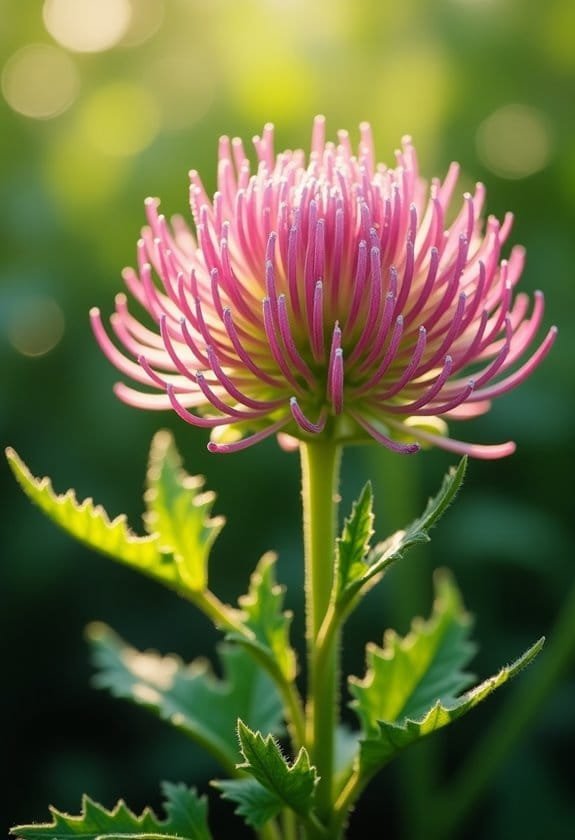
Eupatorium cannabinum, known for its robust importance, thrives in conditions that include moist, well-drained soil enriched with organic matter and the right balance of sunlight.
Requiring full sun to partial shade, the plant benefits from consistent watering to maintain a uniform moisture level, while also exhibiting remarkable resilience, tolerating temperatures as low as -20° F.
With its ability to adapt to varied climates and minimal maintenance requirements once established, it stands as a favored choice for naturalistic and wildflower gardens.
Light
For ideal growth, Eupatorium cannabinum prefers full sun to partial shade conditions. This plant thrives when exposed to significant light, which enhances its growth rate and flower production. The sun exposure effects are most pronounced during the early flowering season, where ample light can boost photosynthesis, ultimately leading to more vigorous stems and lush foliage.
However, Eupatorium cannabinum possesses remarkable shade tolerance levels, allowing it to adapt in areas receiving indirect sunlight. While the light intensity impact is evident—with more sunlight yielding healthier specimens—this adaptability distinguishes it from many other perennial plants, demonstrating its resilience in varied environments.
It's important to note that even in shaded conditions, the plant maintains its characteristic robustness, though a gentle balance of light leads to the most spectacular blooms and foliage. Excessive shade, however, may hinder growth, leading to leggy, less vibrant plants.
Thus, gardeners should consider the installation of nearby structures or plants to regulate surrounding light while maximizing sun exposure, promoting a flourishing E. cannabinum display. At its core, providing ideal light conditions is essential for achieving the full beauty of this perennial, ensuring a thriving, dynamic garden habitat.
Soil
Successful growth of Eupatorium cannabinum hinges on its soil conditions. This hardy plant thrives best in moist, well-drained soil, favoring a humus-rich composition that excels in moisture retention. Such a rich soil promotes the necessary nutrient requirements, providing a fertile environment for robust growth.
While Eupatorium cannabinum can adapt to various soil types, it performs most effectively in a balanced pH, ideally between 6.0 and 7.0. Integrating organic matter into the soil enhances its fertility and encourages beneficial microbial activity, essential for nutrient breakdown and absorption.
Without sufficient nutrient levels, growth may stagnate, preventing the plant from reaching its full potential. In addition, maintaining consistent moisture is paramount, particularly during dry spells; this helps sustain its vigorous development.
With the right soil composition, this species not only grows but flourishes, resulting in a lush, vibrant display. Full sun to partial shade conditions further complement its needs, creating an environment that allows Eupatorium cannabinum to showcase its striking foliage.
Therefore, careful attention to soil conditions lays the groundwork for a thriving garden, allowing this delightful native plant to take center stage.
Water
Maintaining consistently moist soil is essential for the ideal growth of Eupatorium cannabinum, as this plant thrives in wetland environments. Regular watering techniques are imperative, especially during dry spells, to uphold even moisture levels in the soil. Eupatorium cannabinum can tolerate brief periods of dryness, yet it flourishes best under conditions that closely mirror its natural habitat. A dependable water source not only facilitates growth but also enhances the plant's medicinal properties by promoting robust leaf and stem development.
However, care must be taken to avoid waterlogging, as excessively saturated soil can damage the root system. Over time, this can lead to detrimental effects on the plant's vitality and resilience. Therefore, monitoring moisture levels is paramount in balancing adequate hydration with preventing oversaturation.
Implementing effective watering techniques, like deep watering during the early morning or late afternoon, can considerably mitigate the risks associated with environmental impact, ensuring sustainable growth and longevity. Maintaining this balance not only supports the plant's health but ultimately contributes to the local ecosystem, fostering a harmonious relationship between Eupatorium cannabinum and its wetland surroundings. Additionally, these plants can adapt to water depths up to 4 inches, showcasing their resilience in various aquatic environments.
Temperature
Eupatorium cannabinum demonstrates impressive cold tolerance, withstanding temperatures as low as -20° F. This remarkable temperature resilience allows it to thrive in colder climates, making it an excellent choice for various gardening environments.
While it handles frigid conditions well, the plant flourishes best in moist conditions enhanced by regular watering, particularly during dry spells.
The temperature effects on Eupatorium cannabinum are notable; it prefers temperatures that allow for full sun exposure while also tolerating partial shade. This flexibility in light requirements contributes to its widespread adaptability in diverse garden placements.
Growing up to 1.5 meters tall, this herbaceous perennial requires sufficient space and unwavering support to promote healthy development.
To achieve ideal growth, well-drained, humus-rich soil is essential, helping to bolster the plant's overall vigor. Temperature adaptation directly influences the plant's health, as extremes may hinder its development.
Therefore, understanding the relationship between temperature and plant health is vital for successful cultivation.
Pollinator Criteria
Eupatorium cannabinum attracts a variety of pollinators, including butterflies like the Small Tortoiseshell and Red Admiral, thanks to its frothy clusters of pink tubular flowers.
This plant utilizes an entomophilous pollination method, whereby insects transfer pollen between flowers, facilitating reproduction while providing essential nourishment through its nectar and pollen. Moreover, its remarkable drought tolerance further supports the resilience of pollinator habitats during periods of low moisture.
With its flowering period from July to early September, Eupatorium cannabinum aligns perfectly with peak pollinator activity, creating a vital habitat that supports biodiversity and ecological balance. Additionally, like Rubus fruticosus agg., it contributes to the plant-pollinator network, enhancing the survival of various pollinator species.
Attracted Pollinators
During the flowering period from July to early September, Eupatorium cannabinum becomes a beacon for various pollinators, particularly butterflies like the Small Tortoiseshell and Red Admiral. The plant showcases frothy clusters of pink tubular flowers, which aren't only visually appealing but also essential to pollinator behavior.
These dense floral structures provide abundant nectar and pollen, attracting a host of insects seeking sustenance. Eupatorium cannabinum contributes considerably to habitat diversity within ecosystems. Its blooms create important spaces for many pollinating species, enhancing overall biodiversity.
The morphological traits of the flowers—specifically their tubular shape—allow for efficient feeding by butterflies and other pollinators while also encouraging their foraging activities. This interaction fosters a significant link between the plant and various pollinators, illustrating nature's interconnectedness.
As Eupatorium cannabinum naturalizes in wild gardens, it enhances local habitats, making way for varied insect populations. This not only supports critical food webs but also ultimately secures the flourishing of many plant species that depend on these pollinators for reproductive success.
Pollination Method
Although many plants rely on various pollination strategies, Eupatorium cannabinum primarily attracts pollinators through its visually striking and aromatic flower clusters. The plant's flower morphology, characterized by fluffy clusters of small mauve to pink tubular flowers, plays a significant role in this attraction. These clusters bloom from July to early September, aligning perfectly with the peak activity periods of key pollinators such as the Small Tortoiseshell and Red Admiral butterflies.
Nectar accessibility is another essential factor in the plant's pollination success. The tubular structure of the flowers allows for easy access to nectar, enticing insects to visit. This interaction isn't solely fortuitous; it serves an important ecological purpose.
As pollinators feed on the nectar, they inadvertently transfer pollen from flower to flower, thereby facilitating sexual reproduction and ensuring the continuation of Eupatorium cannabinum. In doing so, this perennial herb not only sustains its own growth and seed production but also supports biodiversity across wetland and grassland ecosystems.
Care & Maintenance
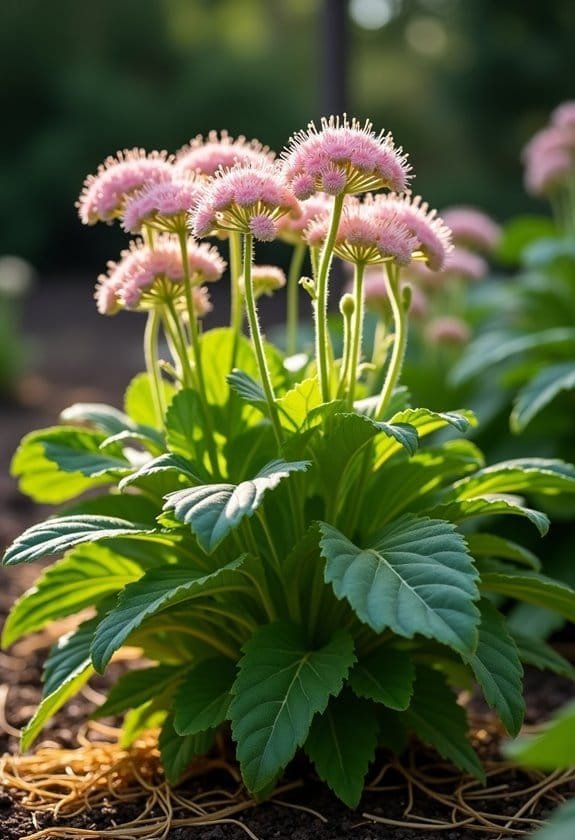
Eupatorium cannabinum thrives with thoughtful care, making planting and maintenance pivotal for its success.
Gardeners should guarantee the soil remains moist and well-drained, while positioning the plant in full sun or partial shade to maximize its growth potential.
Alongside regular watering and strategic pruning to manage its impressive height of up to 1.5 meters, selecting suitable companion plants can further enhance the overall garden ecosystem.
Planting Tips
How can gardeners guarantee the best growth for Eupatorium cannabinum? Selecting the right planting location is vital. This perennial herb flourishes in moist, well-drained soil enriched with humus, which boosts nutrient availability.
Gardeners should also consider the balance of light; Eupatorium cannabinum thrives in full sun to partial shade, making it adaptable to various lighting conditions.
When it comes to planting, proper seed spacing is essential. Gardeners should aim for a spacing of about 12 to 18 inches between seeds, allowing ample room for the strong vertical growth that characterizes this plant. Confirming sufficient space will provide each plant with the resources needed to thrive and prevent overcrowding, which can lead to stunted growth and increased susceptibility to disease.
Additionally, timing can greatly influence the growth schedule of Eupatorium cannabinum. Planting in the spring allows the plants to establish themselves before the onset of summer's heat.
Once established, this hardy plant requires minimal care, perfectly suiting low-maintenance gardens while contributing beauty and ecological benefits.
Following these guidelines confirms that gardeners can cultivate a vibrant patch of Hemp Agrimony with relative ease.
Ongoing Care
Maintaining a thriving patch of Hemp Agrimony requires attention to its ongoing care and maintenance needs. Eupatorium cannabinum flourishes in consistent moisture, so gardeners must guarantee the soil remains well-drained yet adequately hydrated, particularly during dry spells.
Once established, maintaining this perennial involves minimal effort, though employing effective pruning techniques can control its height and promote a bushier growth habit.
Regular deadheading of spent flowers not only enhances the plant's aesthetic appeal but also encourages additional blooms, thereby prolonging the flowering period.
Regarding fertilization frequency, applying a balanced fertilizer annually can enhance growth and flowering, though over-fertilizing should be avoided to prevent root damage. Additionally, this robust plant typically thrives in full sun to partial shade, necessitating careful monitoring of light exposure to guarantee healthy growth.
Pest prevention remains essential, particularly in humid environments where pests may proliferate. Gardeners should regularly check for signs of infestations and address them promptly to safeguard their plants.
Every few years, division of the clumps is important to rejuvenate the plants and prevent overcrowding, thereby supporting ongoing health and liveliness.
With these practices, Hemp Agrimony can continue to flourish for years.
Suggested Companions
A garden's harmony can greatly benefit from the right companions for Hemp Agrimony. Eupatorium cannabinum thrives alongside moisture-loving plants such as Astilbe and Lobelia. These wetland plants contribute to a lush atmosphere, enriching the overall garden biodiversity. By strategically pairing these species, gardeners can create vibrant, effective ecosystems that support various forms of life.
Regular watering and mulching are essential for Eupatorium cannabinum and its companions, ensuring that the soil remains consistently moist—a vital factor for healthy growth.
It's advisable to select plants with similar light requirements, as Hemp Agrimony flourishes in full sun to partial shade. Additionally, positioning it with Euphorbia or Monarda not only enhances biodiversity but also attracts beneficial pollinators, fostering a healthy garden dynamic. Moreover, incorporating species like Marsh Woundwort(Marsh Woundwort) can further enhance pollinator support in wetland gardens.
While incorporating companions, careful attention must be paid to nutrient competition. Planting Eupatorium cannabinum in humus-laden soil facilitates better growth, ensuring that these companions can coexist harmoniously.
The combined effects of companion planting reveal numerous benefits, reinforcing the intricate balance of nature while creating a thriving habitat for both plants and pollinators, enhancing the garden's richness and vibrancy considerably.
Common Issues
Eupatorium cannabinum faces several common issues, particularly with pests and diseases that threaten its vigor and ecological role.
Inadequate management may lead to infestations by harmful insects or competition with invasive species, which can disrupt the balance of its wetland habitat.
Addressing these challenges requires careful monitoring and proactive measures, ensuring both the health of individual plants and the resilience of their ecosystems.
Pests/Diseases
When it comes to pests and diseases, Eupatorium cannabinum faces several common challenges that can impact its health.
Aphid infestations often attack this plant, causing noticeable leaf distortion and a decrease in plant vigor. Fungal diseases, particularly powdery mildew, thrive in high humidity, presenting as white, dusty spots on foliage that can lead to unsightly leaf drop.
Additionally, environmental stressors, such as overwatering or prolonged wet conditions, can lead to root rot—an insidious condition that can cause significant plant decline or even death.
Leaf spot diseases also pose a risk, manifesting as dark, irregularly shaped spots that hinder photosynthesis efficiency, thereby compromising the plant's overall growth.
To combat these issues effectively, adopting appropriate pest management strategies is essential. Implementing disease prevention techniques, such as proper site selection and maintaining adequate air circulation, can substantially mitigate these risks.
Furthermore, monitoring moisture levels becomes paramount, as it helps to manage the environmental stressors impacts on Eupatorium cannabinum.
Solutions
Addressing the challenges faced by Eupatorium cannabinum involves implementing effective solutions that promote plant health and resilience. One of the primary concerns is toxic management, as the plant contains tumorigenic pyrrolizidine alkaloids. As a result, cautious handling is essential to prevent adverse health effects during harvesting or consumption.
Naturalization control is essential to managing its vigorous growth in garden settings. Gardeners should engage in regular pruning and vigilant monitoring to inhibit unwanted expansion, maintaining an aesthetically pleasing landscape without overwhelming neighboring flora.
Moreover, ensuring ideal soil moisture is critical. Eupatorium cannabinum thrives in well-drained, yet moist soil, so providing adequate hydration can avert issues related to drought stress or over-saturation, which may compromise plant vigor.
To enhance pollination and support local ecosystems, strategically planting the species in designated areas away from invasive competitors is beneficial. Such positioning not only fosters successful growth but also attracts necessary pollinators like butterflies.
Finally, ongoing maintenance, including active monitoring for pests and diseases, solidifies its ornamental appeal and encourages overall health, creating a balanced garden environment where Eupatorium cannabinum can thrive beautifully.
Are Eupatorium Cannabinum and Eupatorium Maculatum Related Plants?
Yes, Eupatorium cannabinum and Eupatorium maculatum joe pye are related plants. They both belong to the Eupatorium genus and are part of the Asteraceae family. Eupatorium cannabinum is commonly known as “hemp agrimony,” while Eupatorium maculatum joe pye is known as “spotted joe-pye weed.
Summary
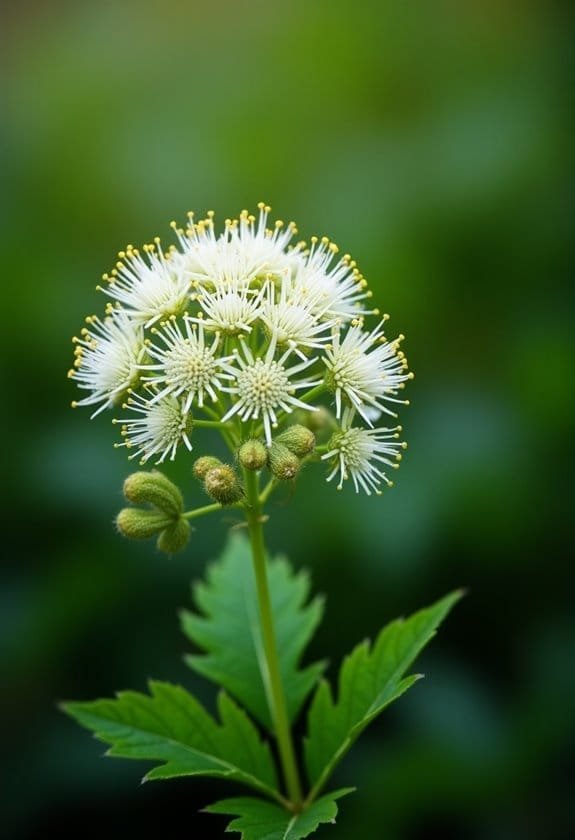
Hemp Agrimony, or Eupatorium cannabinum, stands out with its striking dark red or purplish stems and trifoliate leaves that closely resemble those of hemp. This perennial herb flourishes in moist low-lying areas across temperate Eurasia, reaching heights of up to 1.5 meters.
From July to early September, it showcases racemes of mauve flower heads, enticing a myriad of pollinators, particularly butterflies, into its embrace.
Historically, this remarkable plant holds cultural significance, having been utilized in traditional medicine for its anti-inflammatory properties. Herbal practitioners commend its use as a styptic, efficiently halting bleeding from cuts and bruises.
However, caution prevails; the presence of tumorigenic pyrrolizidine alkaloids mandates careful consideration of any herbal applications due to the potential health risks involved.
Ecologically, Hemp Agrimony contributes to its environment by providing sustenance for pollinators and stabilizing soil in damp habitats.
Its striking appearance and historical uses epitomize a multifaceted relationship with both humans and nature.