Euphorbia donii, or Amjillasa, is a striking perennial originating from the Himalayan regions of Nepal. Typically growing 18-24 inches tall with a spread of 12 inches, it showcases notable blue foliage and vibrant yellow flowers, adding aesthetic value to gardens. Thriving in USDA Zones 7a to 9b, this drought-tolerant plant requires well-drained, humus-rich soil and bright sunlight for peak health. It attracts pollinators like bees and butterflies during its blooming period from March to May, enhancing local biodiversity. However, caution is necessary due to its caustic latex sap, which can irritate skin. Explore further to uncover its unique gardening implications.
Main Points
- Euphorbia donii, also known as 'Amjillasa,' is a deciduous perennial native to Nepal, renowned for its blue leaves and vibrant yellow flowers.
- This plant thrives in USDA Zones 7a to 9b and prefers well-drained, humus-rich soil for optimal growth.
- Euphorbia donii requires minimal watering once established and benefits from bright, direct sunlight to enhance foliage color and blooms.
- It attracts pollinators like bees and butterflies, blooming from March to May, providing essential food sources in early spring.
- Handle with care due to its caustic latex sap; wear gloves when gardening to avoid skin irritation.
Introduction
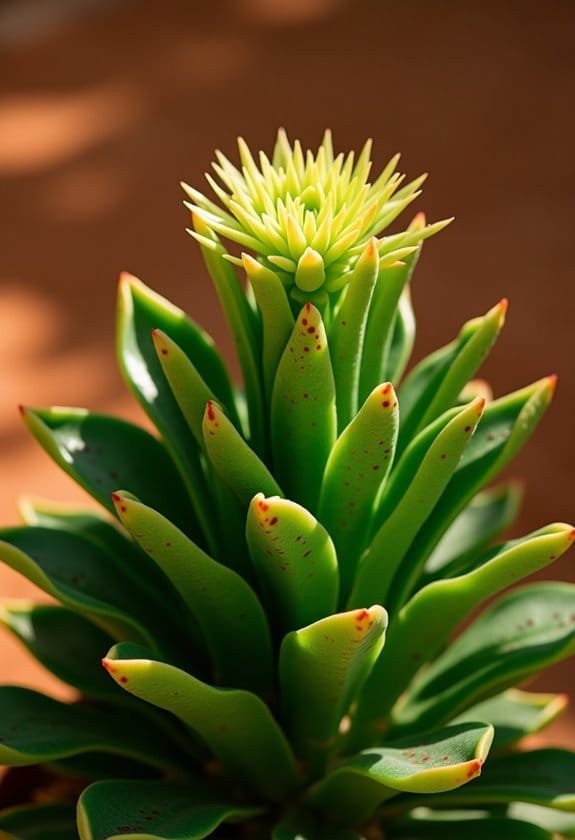
Euphorbia donii, commonly known as Spurge, presents an intriguing study in both horticulture and ecological significance.
This broadleaf, deciduous perennial captivates with its remarkable blue leaves and striking yellow flowers, thriving in a variety of soil types across USDA Zones 7a to 9b.
Originating from the Himalayan regions of Nepal, this resilient plant not only adds vibrant beauty to landscapes but also plays an essential role in supporting local pollinators.
Common Name
Known for its striking aesthetic, Euphorbia Donii is commonly referred to as 'Amjillasa.' This unique plant boasts distinctive blue foliage and vibrant yellow flowers that bloom in spring, making it a standout choice for gardens.
Reaching a mature height of 18 to 24 inches, Euphorbia Donii spreads up to 12 inches wide, offering a dense groundcover that enhances landscaping aesthetics. This perennial is especially valued for its drought tolerance and heat resistance, thriving impressively in USDA Zones 7a to 9b, where it can withstand diverse climatic conditions.
However, those interested in planting Euphorbia Donii should proceed with caution. Although its vivid yellow flowers and lush foliage capture attention, the plant possesses a latex sap that can act as a skin irritant. Handling it without proper care may lead to irritation or other adverse effects on sensitive skin.
Consequently, it's advisable to wear protective gloves while tending to this eye-catching species. Despite its risks, the beauty and resilience of Euphorbia Donii, or 'Amjillasa,' certainly merit careful consideration for anyone looking to bring a splash of color and durability to their garden.
Scientific Name
The scientific name of Euphorbia Donii is Euphorbia donii 'Amjillasa,' which belongs to the Euphorbiaceae family. This plant is classified as a broadleaf deciduous perennial groundcover, notable for its distinctive blue leaves that provide a striking visual contrast in various landscapes.
Euphorbia Donii flourishes in a range of environments, particularly between USDA Zones 7a and 9b, suggesting its adaptability to different climates.
During the spring months of March to May, it produces enchanting yellow-green flowers, which serve as a focal point of interest in any garden. These blooms not only enhance the aesthetic appeal of the plant, but also attract pollinators like bees, further contributing to the ecosystem.
Euphorbia Donii thrives in well-drained soil, a preference that aids in preventing root rot—a common affliction of many garden plants.
Its moderate water requirements, combined with remarkable drought tolerance and heat resistance, make it an excellent choice for gardeners seeking low-maintenance options.
Essentially, Euphorbia Donii embodies resilience and beauty, enchanting enthusiasts with its functional elegance and adaptability to varying conditions.
Overview
With its striking blue leaves and vibrant yellow-green flowers, Euphorbia donii, commonly referred to as Amjillasa, adds a unique touch to gardens and landscapes. This broadleaf deciduous perennial groundcover flourishes in USDA Zones 7a – 9b, proving particularly hardy.
Thriving in environments ranging from full sun to partial shade, it adapts well to various soil types, including both acidic and alkaline mixtures. Typically, Euphorbia donii reaches heights of 18-24 inches while spreading about 12 inches wide, showcasing an exceptional foliage array of silver-green leaves adorned with cream midribs and burgundy outlines.
Drought tolerant and heat resistant, this plant requires minimal watering once established; however, summer irrigation can be beneficial, particularly during dry spells.
Gardeners must exercise caution when handling Euphorbia donii, as it exudes a toxic milky sap. This sap can cause skin irritation and gastrointestinal discomfort if ingested, underscoring the importance of wearing gloves when working with the plant.
Key Features
Euphorbia donii 'Amjillasa' showcases remarkable characteristics that enhance any garden space.
Growing to a height of 18-24 inches and spreading 12 inches wide, its unique blue leaves and vibrant yellow flowers bloom from March to May, creating a stunning visual display.
This perennial groundcover not only thrives in a range of conditions but also introduces a fascinating dynamic of color and texture to diverse landscapes.
Growth Size
Typically, Euphorbia donii 'Amjillasa' achieves a mature height of 18 to 24 inches while spreading out to about 12 inches wide. This compact yet upright growth habit makes it a distinctive choice for garden arrangements, providing structure and elegance.
Its silver-green leaves, adorned with cream midribs and delicate burgundy outlines, further enhance its visual appeal, creating an attractive foliage backdrop.
Euphorbia donii thrives best in well-drained soil; this characteristic is essential for its growth and overall health. When planted in full sun, it flourishes, soaking up the sunlight to encourage vibrant development.
The plant's blooming period occurs from March to May, offering striking yellow flowers that add a burst of color and further beautify any landscape.
Remarkably, once established, Euphorbia donii demonstrates exceptional drought tolerance, requiring minimal water to sustain its growth. This resilience allows gardeners to enjoy its beauty with less maintenance, making it a practical choice for various garden conditions.
Appearance
Known for its striking visual characteristics, Euphorbia donii 'Amjillasa' captivates gardeners and plant enthusiasts alike. This broadleaf deciduous perennial groundcover boasts distinctive blue leaves, which evolve into a compelling palette of silver-green shades adorned with cream midribs and rich burgundy outlines.
Growing to a mature height of 18-24 inches and spreading approximately 12 inches wide, it creates an eye-catching ground layer in any landscape.
Euphorbia donii flourishes best in conditions that provide moist but well-drained soil, allowing its unique foliage to thrive. The plant's design not only serves aesthetic purposes but also embodies resilience; it's recognized for its drought tolerance and heat resistance, making it an excellent choice for various garden settings.
The combination of its vibrant leaves with the backdrop of earth tones creates a striking contrast, reminiscent of a dazzling jewel nestled among foliage.
While its yellow flowers bloom from March to May, contributing to a vivid spring display, it's the color contrast and textural diversity of the leaves that truly define this remarkable plant's appearance, ensuring its place in any devoted gardener's collection.
Flowering Season
Spring brings a stunning display as Euphorbia donii bursts into bloom from March to May, showcasing vibrant yellow flowers. This flowering period aligns perfectly with its growth season, elevating its visual impact in gardens. The beautiful blooms emerge on upright stems, contrasting sharply against the distinctive blue foliage.
Flowering triggers for Euphorbia donii include environmental factors such as sunlight and moisture availability. Adequate sunlight guarantees the flowers develop fully, while well-drained soil contributes to their overall health.
Seasonal care plays a significant role in sustaining the blooming process, allowing gardeners to nurture these plants effectively.
The interaction between Euphorbia donii's flowers and pollinators is essential for ecosystem health. Attracting bees, butterflies, and other beneficial insects, the plant promotes biodiversity, intertwining its floral beauty with critical ecological functions.
The flowering duration can vary depending on weather conditions; warmer temperatures and ideal moisture levels often lead to prolonged blooming.
Consequently, attentive gardeners will find that providing perfect conditions results in a mesmerizing floral display, fostering not only aesthetic enjoyment but also enriching the surrounding environment.
Growing Requirements
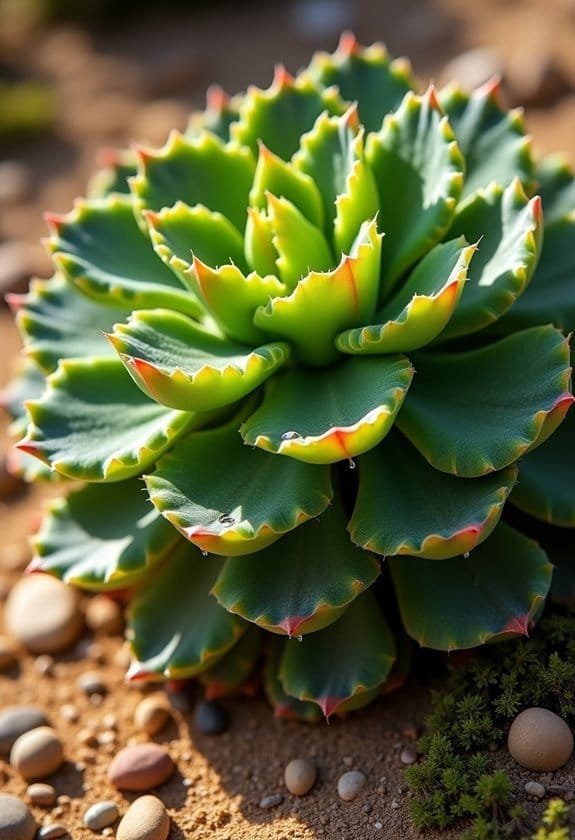
Euphorbia donii flourishes under specific growing conditions that cater to its preferences for light, soil, water, and temperature.
This resilient plant thrives best in full sun, though it can adjust to partial shade, while its ideal well-drained soil can range from acidic to alkaline.
Once established, Euphorbia donii showcases remarkable drought tolerance, requiring minimal watering, which makes it an excellent choice for low-maintenance gardens that appreciate both beauty and resilience.
Light
When it comes to light requirements, Euphorbia donii thrives in full sun but can adapt to primarily shady spots as well. This remarkable plant demonstrates a versatile nature, with its preference for bright, direct sunlight leading to ideal growth and flourishing blooms.
In fact, Euphorbia donii exhibits significant light intensity effects; regular exposure to sunlight enhances its distinctive foliage color and promotes healthy development during its bloom period from March to May.
While Euphorbia donii tolerates low-light conditions, its shadow adaptations can limit flowering and growth vigor. This adaptability allows it to survive in diverse environments, thriving in USDA Zones 7a to 9b, yet maximizing its potential requires ample sunlight.
The light nutrient relationship is critical—adequate light not only nourishes the plant but also fosters its overall resilience.
Soil
To promote healthy growth, Euphorbia donii needs well-drained soil conditions that prevent root rot. This resilient plant demonstrates adaptability to various soil types, encompassing both acidic and alkaline mixtures.
To thrive, Euphorbia donii exhibits a preference for humus-rich, moist soil, ideally found in light shade, which not only sustains moisture but also averts excessive dampness that could be detrimental to its roots.
Implementing effective drainage methods is essential, as Euphorbia donii doesn't tolerate persistently wet conditions. Standing water can lead to collar rot and other moisture-related issues, jeopardizing plant health. Consequently, incorporating organic materials such as compost into the soil can enhance drainage while simultaneously enriching nutrient requirements, fostering ideal nutrient uptake.
Once established, this species showcases remarkable drought resilience, requiring minimal watering, which is particularly beneficial in warmer climates.
As a result, gardeners must choose soil amendments that retain some moisture while still encouraging excellent drainage—creating a perfect balance for Euphorbia donii's growth.
Water
Healthy watering practices play an essential role in the growth of Euphorbia donii, especially given its preference for well-drained soil. This unique plant, once established, thrives with minimal watering due to its remarkable drought response.
However, during particularly dry spells, maintaining an appropriate watering frequency becomes important for preserving soil moisture and ensuring ideal health. In ideal conditions, Euphorbia donii generally requires occasional watering.
While it tolerates arid environments, the plant greatly benefits from supplemental watering in the summer months, thereby enhancing its growth potential. Appropriate watering practices help avoid the dangers of root rot by ensuring that excess moisture doesn't linger in the soil.
A balanced approach in watering is crucial, particularly in light shade or humid climates where moisture levels may fluctuate. Striking that balance fosters an environment where this resilient species can flourish. Additionally, understanding the deep-rooted system of related plants like Comfrey can provide valuable insight into drought resilience and resource utilization.
Erring on the side of caution, gardeners should monitor soil moisture closely, ensuring the roots receive just enough hydration to support their growth without succumbing to the perils of oversaturation.
Ultimately, developing these healthy watering routines can greatly influence the long-term health of Euphorbia donii.
Temperature
Temperature plays an essential role in the successful growth of Euphorbia donii. Thriving best in USDA Zones 7a to 9b, this plant exhibits remarkable climate adaptability, flourishing in mild to warm environments. With a notable temperature tolerance, Euphorbia donii can endure fluctuating seasonal variations, making it a versatile choice for gardeners.
This resilient spurge prefers full sun exposure but can manage in mostly shaded areas. Its heat tolerance stands out, allowing the plant to flourish even in extreme heat, requiring minimal water during hotter months. Once established, its drought-resistant nature further emphasizes its ability to adapt to varying climatic conditions.
Moreover, Euphorbia donii not only tolerates but also thrives in diverse soil types, whether acidic or alkaline, although proper drainage remains essential. Well-drained soil prevents root rot, ensuring the plant's vibrant health.
Ultimately, understanding the temperature requirements is important for gardeners looking to cultivate Euphorbia donii successfully. With proper care and awareness of its needs, this robust plant can bring unique beauty and resilience to a garden, weathering the challenges of both heat and drought gracefully.
Pollinator Criteria
Euphorbia Donii attracts a variety of pollinators, particularly bees, thanks to its generous nectar and pollen offerings.
This plant employs a method of entomophily, where insects facilitate the transfer of pollen between flowers, ensuring effective fertilization and the continuation of plant species.
Attracted Pollinators
Attraction to pollinators is an essential aspect of Euphorbia donii, as its nectar and pollen serve as important food sources for various insects, particularly bees. This plant, renowned for its distinctive blue foliage and vibrant yellow flowers, plays a crucial role in supporting pollinator diversity within garden ecosystems.
Flowering from March to May, Euphorbia donii offers key nectar sources right after winter, ensuring that active pollinators have the nutrition they require to thrive in early spring.
The integration of Euphorbia donii into garden designs aligns seamlessly with sustainable gardening principles, encouraging healthy local insect populations while enhancing biodiversity. By attracting a range of pollinators, this plant enhances garden-level dynamics and contributes to ecological balance.
Moreover, its ability to visually captivate pollinators facilitates their foraging behaviors, effectively drawing them in from nearby habitats. As bees and other insects visit Euphorbia donii, they not only benefit from a reliable food source, but also promote cross-pollination, further enriching the ecological fabric of their surroundings.
Additionally, like Common Yarrow, Euphorbia donii's extensive root system enhances soil health, making it beneficial for overall ecosystem stability.
In this way, Euphorbia donii exemplifies how specific plant selections can greatly enhance pollinator-friendly environments and foster robust garden ecosystems.
Pollination Method
During the spring blooming season, Euphorbia donii employs a mix of visual and olfactory cues to attract its primary pollinators, particularly bees.
With its vibrant yellow flowers blooming from March to May, the plant offers an ample supply of nectar and pollen, essential resources for these vital insects. This dual strategy effectively encourages bees to engage in pollination activities.
Euphorbia donii utilizes specific pollination techniques that benefit not only the plant but also the broader ecosystem.
The flowers' rich nectar serves as an enticing reward, while their structure provides ideal access for pollinators.
This interaction enhances the ecological significance of Euphorbia donii, as it supports the delicate balance of its habitat.
Care & Maintenance
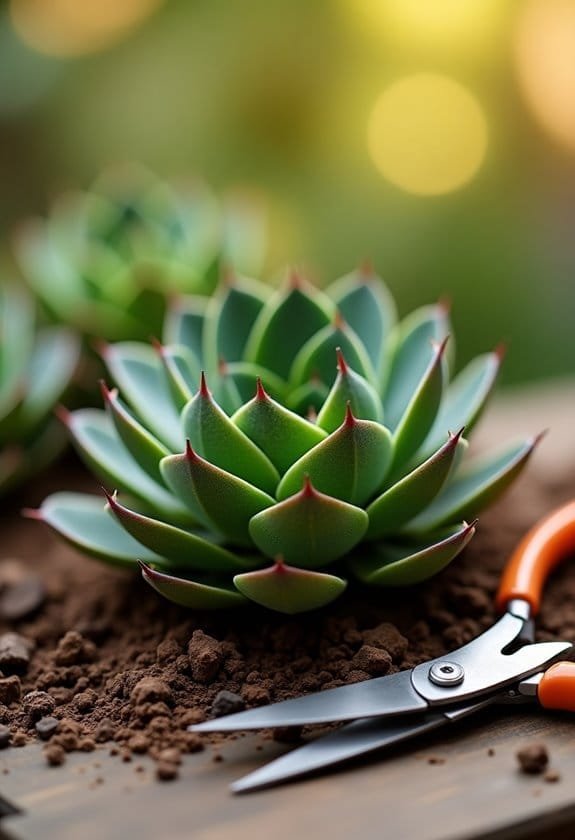
Proper care and maintenance are essential for Euphorbia Donii to thrive in home gardens.
This remarkable plant thrives in humus-rich soil and requires regular watering during the summer, yet its drought tolerance makes it resilient once established.
Additionally, companion plants that share similar shade preferences can enhance its growth, creating a harmonious garden ecosystem that captivates biodiversity.
Planting Tips
Although Euphorbia Donii can tolerate some drought conditions once it's established, it thrives best in well-drained, humus-rich soil with light shade.
When selecting a planting location, gardeners should consider areas that receive indirect sunlight, as excessive direct light can stress the plant. For those interested in container gardening, confirm the pot has adequate drainage holes to prevent root rot, while using a suitable potting mix enriched with organic matter.
Spacing guidelines are essential for ideal growth; when planting, aim for a distance of approximately 18 to 24 inches between each specimen. This spacing promotes adequate air circulation, which helps reduce the risk of pest infestations and allows each plant to achieve its full potential.
Prior to planting, it's advisable to amend the soil by incorporating compost or well-rotted leaf mulch, which enhances nutrient availability and supports robust development.
Once established, Euphorbia Donii requires minimal moisture, thereby fostering healthy, vibrant foliage.
Remember to wear gloves while handling this plant to protect against its caustic sap, which can irritate skin and pose ingestion risks.
With these planting tips, Euphorbia Donii promises to be an enchanting addition to any garden.
Ongoing Care
After successfully planting Euphorbia Donii, ongoing care will secure the plant thrives throughout the growing season. This unique succulent flourishes in humus-rich, well-drained soil, ideally under light shade, and is remarkably drought-tolerant once established.
During dry spells, gardeners should water occasionally—particularly in summer—to keep the plant healthy.
Employing effective fertilization techniques can enhance growth considerably. A balanced, slow-release fertilizer applied in spring can help maximize Euphorbia Donii's vigor.
As autumn approaches, gardeners should initiate careful pruning strategies by cutting the plant back to its base. This technique promotes robust growth for the coming season.
Pest management remains vital, as regular monitoring guarantees that any infestations are promptly addressed.
While the plant's toxic sap may deter some pests, it can attract others drawn to its calcium oxalate-rich tissues. Regular maintenance and sensible gardening practices will ensure long-term sustainability of the plant and enhanced pollinator contributions.
Using gloves during maintenance activities helps safeguard gardeners from potential skin irritation.
Suggested Companions
Several drought-tolerant companions enhance the beauty and health of Euphorbia Donii in a landscaped garden. These Euphorbia drought companions, such as sedums and ornamental grasses, thrive alongside Euphorbia Donii due to their similar water and light requirements.
Pairing these plants creates striking visual garden aesthetics, drawing attention to the blue leaves and vibrant yellow flowers of the Euphorbia. Additionally, these companions often attract beneficial insects(beneficial_insects) that help promote pollinator health in the garden.
To maximize health and growth, gardeners should select flowering perennials like Gaillardia and Verbena, which not only flourish in similar conditions but also provide a stunning contrast that enriches the garden's palette.
Plant Euphorbia Donii in well-drained soil, ideally under full sun or partial shade, ensuring that accompanying plants share this need. Additionally, incorporating plants like Mouse-Ear Hawkweed(Mouse-Ear_Hawkweed) can further support pollinator diversity in the garden.
A critical aspect of care involves maintaining consistent moisture for surrounding plants, as overwatering can lead to collar rot, particularly affecting Euphorbia Donii.
Moreover, caution is paramount when handling both Euphorbia Donii and its companions, given its toxic sap, which can irritate skin—using gloves during maintenance is highly advisable.
Common Issues
Common issues surrounding Euphorbia Donii often relate to its susceptibility to pests and diseases, along with the potential hazards posed by its toxic sap.
Gardeners should be vigilant, as pests drawn to the plant's sap can cause significant damage, while diseases like collar rot may arise from excessive moisture in poorly drained soils.
Understanding these challenges is essential for maintaining the plant's health and ensuring its vibrant growth in suitable conditions.
Pests/Diseases
Euphorbia Donii is prone to various pests and diseases that can impact its overall health and appearance. Common pests, including aphids, mealybugs, and spider mites, may weaken the plant by feeding on its sap, leading to issues such as leaf distortion and yellowing. Regular inspection is vital, as early detection of these infestations can make pest management strategies more effective.
Moreover, Euphorbia Donii is susceptible to powdery mildew, particularly in overly humid conditions, which manifests as a white, powdery coating on leaves and hinders photosynthesis.
To effectively combat these problems, implementing disease prevention techniques is important. Providing well-drained soil and avoiding overcrowding promotes good air circulation, reducing the risk of fungal infections. Additionally, organic treatment options, such as neem oil or insecticidal soap, can be utilized to manage pest outbreaks without endangering the plant's health.
However, chemical pesticides should be applied with caution due to the toxicity of the plant's sap. When treating any infestations or diseases, wearing protective gear is highly recommended to guarantee safety while safeguarding the delicate balance of the plant's ecosystem.
Solutions
To address the common issues faced by Euphorbia Donii, gardeners should prioritize proper drainage and monitoring of soil moisture.
Collar rot often arises in overly saturated soils, leading to significant plant decline. Implementing effective Euphorbia propagation techniques, such as guaranteeing well-draining potting mix and utilizing pots with drainage holes, can mitigate this risk.
Monitoring for pests is vital, as the plant's toxic sap usually deters many insects but can attract troublesome ones.
To further optimize growth, seasonal pruning strategies, like cutting back dead stems post-flowering, not only rejuvenate the plant but also minimize disease risks.
In regions with harsh winters, providing winter protection—such as mulching or relocating containers to sheltered spots—enables Euphorbia Donii to thrive with a more extended lifespan.
Additionally, identifying ideal companion plants that share its dry, well-drained soil preference can enhance garden aesthetics and overall health.
Always remember to wear gloves when handling Euphorbia Donii, as its latex sap can cause irritation or be harmful if ingested.
Careful attention to these factors guarantees a flourishing Euphorbia, showcasing its unique beauty while fostering a resilient garden environment.
What are the Care Tips for Euphorbia Donii (Spurge) and Asparagus Officinalis (Common Asparagus)?
Euphorbia Donii, also known as Spurge, thrives in well-drained soil and full sunlight. Water it sparingly and avoid overwatering to prevent root rot. As for the common asparagus species asparagus officinalis, provide ample sunlight and well-drained soil. Mulch the soil to retain moisture and prevent weed growth.
Summary
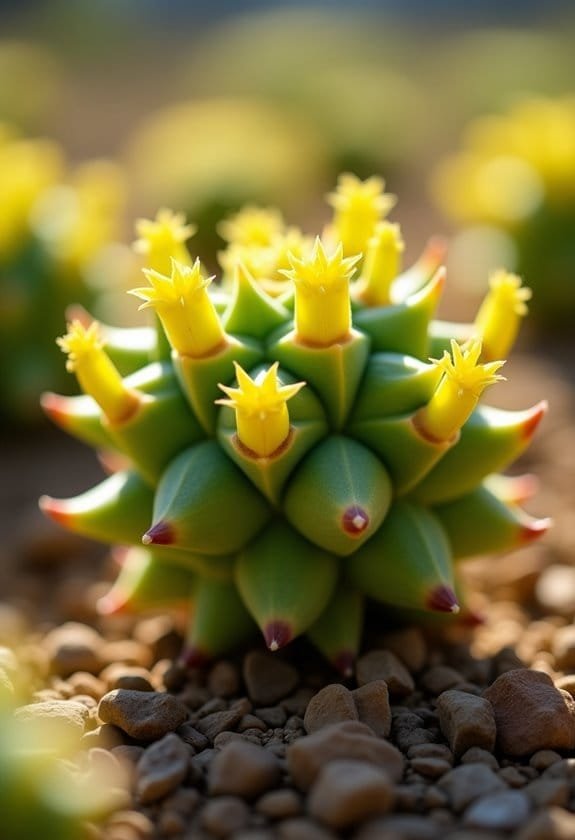
During the spring months, Euphorbia donii, particularly the 'Amjillasa' cultivar, captures attention with its striking blue leaves and vibrant yellow flowers. This broadleaf deciduous perennial not only enhances landscape design but also boasts several notable Euphorbia benefits, including drought tolerance and deer resistance. Thriving in USDA zones 7a to 9b, it adapts well to various soil types, making it an excellent choice for gardeners seeking low-maintenance plants.
However, potential toxicity concerns accompany its charm. The plant contains a caustic latex sap that can irritate the skin, and ingestion may result in nausea, vomiting, and diarrhea. Despite these risks, many find that the visual impact of Euphorbia donii far outweighs the hazards, provided caution is exercised during handling.
With minimal care requirements, this plant flourishes with occasional summer watering, and only slight pruning is necessary to maintain its shape and health. Additionally, similar to common ivy's invasive growth patterns, Euphorbia donii requires careful placement to ensure it does not outcompete surrounding plants.
Originally collected during a 1989 Kew Gardens expedition in Nepal, Euphorbia donii stands out as a unique addition to gardens, enchanting all who admire its striking appearance while reminding them of the importance of understanding its complexities.