Heliotropium arborescens, or common heliotrope, is an alluring shrub from the Boraginaceae family, typically growing between 1 and 3 feet tall. Its broad, dark green leaves and dense clusters of small, tubular flowers—ranging from purple to white—emit a enchanting vanilla-like fragrance. Thriving in USDA zones 9-11, this plant prefers well-drained, fertile soil and full sun, contributing substantially to local ecosystems by attracting essential pollinators, such as bees and butterflies. However, all parts of heliotrope are toxic, necessitating careful handling. Understanding its cultivation needs and ecological role can illuminate its place in gardens and landscapes alike.
Main Points
- Heliotropium arborescens, commonly known as heliotrope, is valued for its fragrant tubular flowers and attractive bushy shrub habit.
- It thrives in USDA hardiness zones 9-11, preferring full sun and well-drained, fertile soils.
- This plant blooms from spring to fall, attracting pollinators like bees and butterflies while enhancing garden aesthetics.
- All parts are toxic due to pyrrolizidine alkaloids, posing health risks to humans and animals; caution is advised in handling.
- Regular pruning, deadheading, and pest management are essential for maintaining plant health and maximizing flowering potential.
Introduction
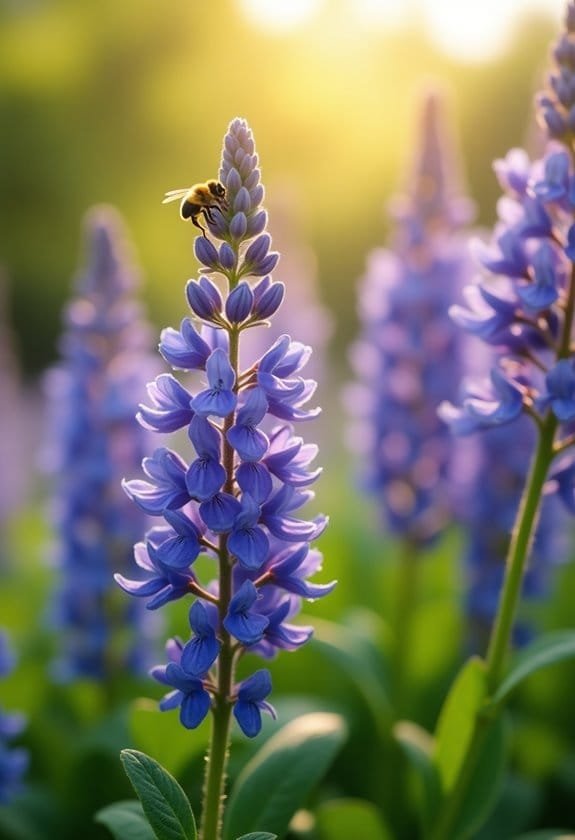
Commonly known as Heliotrope, Heliotropium arborescens represents a charming yet complex member of the plant kingdom, originating from the tropical landscapes of South America.
With its engaging fragrance and eye-catching clusters of purple or white flowers, this herbaceous perennial shrub grows between 1 to 3 feet tall, offering both aesthetic and ecological benefits, particularly in gardens where it attracts essential pollinators.
However, one must remain cautious, as all parts of this plant harbor toxic compounds that pose significant health risks if ingested in large quantities, especially for livestock such as horses.
Common Name
Heliotropium arborescens, often referred to as Heliotrope or Cherry-pie, is renowned for the sweet fragrance that wafts from its aromatic flowers. This plant's common name stems from its distinctive scent, reminiscent of cherry pie, which enchants gardeners and pollinators alike.
Heliotrope's flowers typically bloom in clusters, showcasing vibrant purple or white hues that create stunning displays in ornamental gardens. Cultivated primarily in tropical and subtropical regions, Heliotrope flourishes in well-drained soil and requires full sun to produce the most fragrant blossoms.
Its strong aroma attracts essential pollinators, including bees and butterflies, contributing notably to local ecosystems. As an herbaceous perennial, this resilient plant provides year-round beauty, making it a favored choice among gardening enthusiasts.
However, Heliotropium arborescens has also raised concerns due to its invasive potential, particularly in regions like Australia, where its rapid growth can disrupt local flora. Gardeners should monitor its spread, ensuring that it complements rather than competes with native plant species.
The common name Heliotrope encapsulates both its allure and its ecological impact, reflecting the balance needed in horticultural practices.
Scientific Name
For gardeners and botanists alike, understanding the scientific name Heliotropium arborescens is essential for identifying the common heliotrope. This enchanting plant, part of the Boraginaceae family, was previously classified as Heliotropium peruvianum. It flourishes in tropical and subtropical regions, particularly in Peru, where it thrives in warm, sunny environments. The phonetic spelling, hee-lee-oh-TROH-pee-um ar-bor-ESS-enz, reveals the elegance of its nomenclature.
Heliotropium arborescens is distinguished by its delightful, fragrant purple flowers that bloom abundantly, drawing pollinators and enhancing garden aesthetics. Coupled with broad, ovate green leaves, which provide a lush backdrop, the plant's ornamental appeal is undeniable. Gardeners appreciate its intense aroma, a factor contributing to its widespread cultivation in various landscape designs.
This scientific classification not only assists in proper identification but also reflects the plant's ecological and horticultural significance. By accurately naming Heliotropium arborescens, enthusiasts can navigate botanical discussions more effectively, fostering a deeper understanding of its cultivation, care, and habitat preferences.
Therefore, the scientific name serves as a key to revealing the beauty and complexity of this cherished garden gem.
Overview
With its striking purple flowers and sweet fragrance, Common Heliotrope (Heliotropium arborescens) captivates garden enthusiasts and pollinators alike. This tender perennial shrub, native to the tropical and subtropical regions of South America, usually thrives at heights of 1 to 3 feet (30 to 90 cm).
Its broad, dark green leaves frame clusters of small flowers that can be purple, violet, blue, or even white, creating a vivid display in any garden setting.
Common Heliotrope flourishes in well-drained soil and full sunlight but can tolerate partial shade, making it a versatile choice for borders, containers, and ornamental landscapes in USDA hardiness zones 9-11.
Known for its alluring scent, it attracts bees and butterflies, bolstering the ecological balance in gardens.
However, it's important to recognize that Common Heliotrope is toxic to humans and animals if ingested in large quantities.
The plant contains pyrrolizidine alkaloids, compounds that can lead to serious health concerns, particularly liver damage.
Consequently, while it serves as a beautiful addition, cautious handling is vital for the safety of curious gardeners and pets alike, ensuring everyone enjoys its beauty responsibly.
Key Features
Common heliotrope, or Heliotropium arborescens, typically grows as a bushy shrub, reaching heights between 1 and 3 feet.
Its striking appearance features broad, dark green, ovate leaves—up to 3 inches long—adorned with prominent venation, while fragrant clusters of purple or white flowers bloom prominently during the warmer months.
This visually appealing plant not only enhances garden landscapes but also attracts essential pollinators with its sweet vanilla-like fragrance, making it a delightful addition to outdoor spaces.
Growth Size
Heliotropium arborescens typically grows between 1 and 3 feet tall, forming a bushy, herbaceous perennial that can spread outwards up to 3-6 feet. This sprawling growth habit allows the plant to fill space efficiently, making it an attractive choice for garden beds and borders.
Its dark green leaves, ovate in shape, can measure up to 3 inches in length, offering a lush backdrop that enhances the vibrancy of its flowering clusters.
These dense clusters consist of small, tubular flowers, often in shades of purple or white, and emit a delightful, sweet, vanilla-like fragrance. A tendre perennial, Heliotropium arborescens thrives primarily in USDA hardiness zones 9-11, which means that in cooler climates, it requires winter protection to survive.
The overall growth size not only contributes to the aesthetic appeal but also creates an inviting habitat for beneficial pollinators.
A well-cared-for heliotrope can serve as a focal point in gardens, thanks to both its lush foliage and fragrant blooms. Understanding its growth characteristics enables gardeners to plan effective planting strategies, ensuring optimal health and display.
Appearance
The striking characteristics of common heliotrope make it a standout addition to any garden. Heliotropium arborescens typically reaches a height of 1 to 3 feet, showcasing a bushy, sprawling growth form that creates an inviting presence.
The plant's broad, ovate leaves, varying in size but often extending up to 3 inches, display a deep green hue, accentuated by prominent veins that lend a lush, vigorous appearance.
Particularly enchanting are the dense clusters of small, tubular flowers that bloom in shades of violet, purple, blue, or white. Known for their sweet, vanilla-like fragrance, these aromatic flowers emerge on slender, coiled stems, creating a delightful visual spectacle during the summer months.
This vibrant plant not only enhances garden aesthetics but also attracts beneficial pollinators, such as bees and butterflies, enhancing biodiversity.
However, it's crucial to note that common heliotrope is toxic to horses, posing risks if ingested. Gardeners should exercise caution if their landscape includes these creatures, ensuring the safety of both plants and animals.
Flowering Season
Blooming from spring to fall, common heliotrope offers a vibrant display of colors that fascinates gardeners and pollinators alike. This flowering season typically sees the plant adorned with clusters of small, tubular blooms in shades of purple, blue, or white.
The peak of this dazzling spectacle occurs during the hot summer months, showcasing a rich tapestry that entices bees and butterflies, essential allies in the pollination process.
With each flower cluster releasing a delightful sweet fragrance, the heliotrope flourishes, especially during daylight when the blooms are fully open. This enchanting aroma not only heightens its ornamental appeal but also beckons a plethora of beneficial insects.
The plant usually reaches heights between 1 to 3 feet during its flowering season, creating a bushy and sprawling growth form that adds depth to any garden landscape.
Gardeners can encourage extended blooming by regularly deadheading, which involves removing spent flowers to promote new growth.
This practice not only prolongs the flowering season but also enhances the plant's overall health, leading to an even more mesmerizing display throughout the warmer months.
Growing Requirements
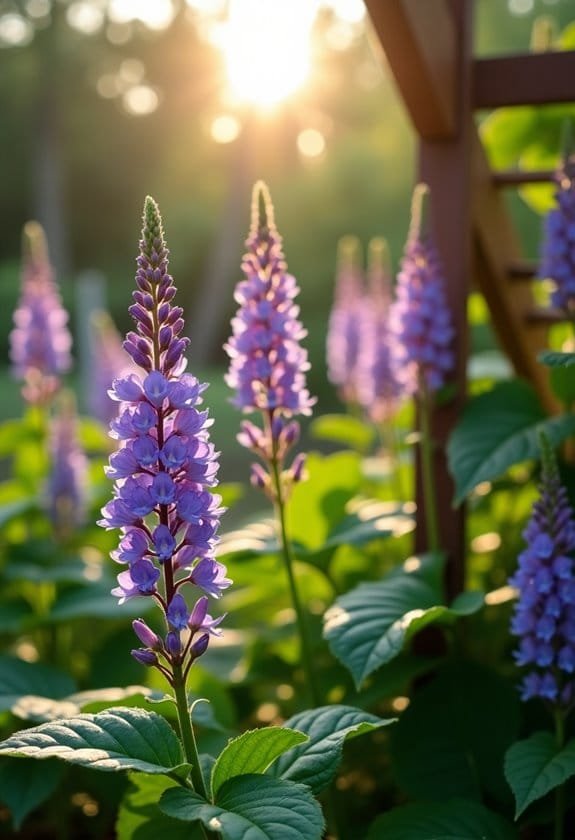
Heliotropium arborescens thrives under specific growing conditions that greatly influence its development and overall health.
This colorful perennial flourishes in well-drained, fertile soil, ideally in full sun or partial shade, to absorb crucial sunlight essential for photosynthesis, typically within USDA hardiness zones 9 to 11.
In addition, maintaining moderate moisture levels—critical to avoiding waterlogging—ensures robust root systems, ultimately supporting vibrant growth and abundant flowering.
Light
For ideal growth and vibrant flowering, common heliotrope thrives in full sun, requiring at least six hours of direct sunlight each day. This plant greatly benefits from the light, as sunlight promotes robust foliage and guarantees prolific flowering, which is essential for its enchanting fragrance.
While common heliotrope can tolerate partial shade—particularly in hotter climates—excessive shade can adversely affect flowering and overall plant vigor.
In locations that receive adequate afternoon sunlight, heliotrope tends to flourish, exhibiting lush growth and an impressive display of blooms. Without the necessary light, the plant may struggle, leading to stunted development and a reduction in its aromatic blossoms.
Furthermore, it grows best in well-drained soils, as heavy moisture can hinder its health, especially in low-light conditions.
Thus, gardeners aiming to cultivate healthy heliotrope must prioritize sun exposure. They should consider the positioning of plants to maximize light absorption, understanding that the right balance of sunlight not only encourages vigorous growth but creates an alluring sensory experience in their gardens.
Soil
Healthy common heliotrope flourishes in fertile, well-drained soils that promote its growth and significance. This plant thrives best in a slightly moist environment, but gardeners must exercise caution, ensuring the soil never becomes waterlogged. Moderate watering is key during the growing season to maintain an ideal moisture balance.
For optimal growth, a soil pH between 6.0 and 7.0 is crucial, as it facilitates maximum nutrient availability, nourishing the plant effectively. Incorporating regular doses of organic matter or balanced fertilizers can greatly enhance soil fertility, bolstering the heliotrope's vigor. This practice enriches the soil structure, fostering an environment where roots can spread and absorb essential nutrients.
Moreover, good drainage is essential since Heliotropium arborescens is particularly vulnerable to root rot in poorly drained conditions. Without proper drainage, the weight of soggy soil can crush the roots, leading to potential plant decline.
As a result, gardeners should prioritize creating a fertile, well-aerated, and draining soil mix, allowing this attractive flowering plant to thrive and contribute vibrantly to gardens and landscapes. Proper soil preparation ultimately supports robust growth and spectacular bloom displays, showcasing the heliotrope's delightful beauty.
Water
Water is essential for the growth of common heliotrope, as it requires moderate watering to maintain a consistently moist environment without becoming waterlogged. This plant flourishes in well-drained soils; poor drainage can lead to significant complications, including root rot, which can jeopardize its health.
Once established, common heliotrope exhibits drought-resistant characteristics, allowing it to endure periods of limited moisture. However, during prolonged dry spells, regular watering helps nurture its vibrant blooms and lush foliage.
To guarantee ideal health, gardeners should allow the top inch of soil to dry out between waterings, as overwatering can be detrimental and ultimately lead to decline. It's vital to strike a balance, keeping the soil moist but never saturated.
In particularly hot climates, providing afternoon shade can serve as a thoughtful strategy, alleviating potential water stress and preserving moisture levels within the soil.
Ultimately, understanding the water needs of common heliotrope can help cultivate a thriving plant that brings beauty and delight to any garden. A well-watered heliotrope not only flourishes but also becomes a resilient, aromatic addition, enchanting all who pass by.
Temperature
Common heliotrope, or Heliotropium arborescens, thrives in warm environments, making it well-suited for USDA hardiness zones 9 to 11. This lovely plant prefers temperatures that align with these zones, as it's sensitive to frost and can tolerate temperatures down to approximately 5°C (41°F).
In cooler climates, winter protection—the use of mulch—is vital to safeguard its delicate roots against harsh conditions. In regions where temperatures frequently dip below zone 9, gardeners often grow heliotrope as a half-hardy annual, or they bring the plants indoors during the winter months to maintain their survival.
Ideally, heliotrope flourishes in full sun, which allows its vibrant blooms to express their full potential; however, partial shade can be beneficial in extremely hot climates, especially during the afternoon.
Once established, Heliotropium arborescens demonstrates impressive drought resistance. This means it can endure periods of lower moisture without significant decline, showcasing its adaptability.
Thus, understanding the temperature requirements not only contributes to successful cultivation but also enriches the overall gardening experience, emphasizing the importance of environmental harmony in plant care.
Pollinator Criteria
Common heliotrope, scientifically known as Heliotropium arborescens, serves as a vibrant beacon for pollinators, particularly attracting bees and butterflies with its cluster of fragrant, tubular flowers.
This attractive aroma—often likened to sweet vanilla—plays a critical role in drawing these essential insects, facilitating pollination as they seek the plant's abundant nectar reserves.
Attracted Pollinators
Several factors make common heliotrope (Heliotropium arborescens) an intriguing choice for attracting pollinators like bees and butterflies. Its small, tubular flowers, which bloom in clusters, feature vibrant colors ranging from deep violet to pure white, seizing the attention of diverse pollinators. The sweet fragrance emitted by these flowers not only enchants the senses but also serves as a beacon, directing bees and butterflies to the nectar they crave.
Additionally, the plant's abundant blooming period guarantees a consistent source of nectar throughout the growing season, making it a crucial resource for sustaining pollinator populations in gardens. The bushy growth form of common heliotrope provides both shelter and habitat for nectar-feeding insects and beneficial species, fostering a rich ecosystem. Notably, like the ox-eye daisy(#), heliotrope also supports a variety of pollinators, reinforcing the importance of incorporating diverse flowering plants into garden designs. Furthermore, its ability to thrive in poor soils enables it to coexist with Echinops species(#), which also attract pollinators.
Regular deadheading of spent flowers can extend the blooming period, allowing gardeners to prolong the time during which attracted pollinators visit.
In essence, common heliotrope not only beautifies gardens with its colorful blooms but also plays a significant role in supporting pollinator health, contributing to biodiversity while enchanting those captivated by nature's fleeting beauties.
Pollination Method
The pollination method of common heliotrope (Heliotropium arborescens) primarily relies on its ability to attract a diverse array of pollinators, particularly bees and butterflies. The plant's sweetly fragrant flowers serve as irresistible beacons, drawing in these essential contributors to its reproductive success.
Flowering typically occurs in tight clusters, which not only provides a rich source of nectar but also enhances visibility, making it easy for pollinators to locate these bountiful rewards.
The tubular shape of the small flowers accommodates pollinators equipped with long mouthparts. This design optimizes foraging efficiency, permitting bees and butterflies to access nectar with minimal effort. Visually, the purple and white color variations captivate pollinators, further increasing their visitation rates. Each visit promotes the transfer of pollen, which is vital for fruit and seed set, ensuring the continuation of the species.
Moreover, this pollination method mitigates invasive potential by fostering genetic diversity through cross-pollination. Pollinator activity plays a pivotal role in shaping the ecological dynamics surrounding common heliotrope, solidifying its importance in local ecosystems.
Interestingly, the significant reproductive success of Hounds Tongue, which can produce thousands of seeds per plant, highlights the challenges faced by native species in environments where invasive plants thrive.
Understanding this method emphasizes the interconnectedness of plant and pollinator health, underscoring the necessity of preserving such relationships.
Care & Maintenance
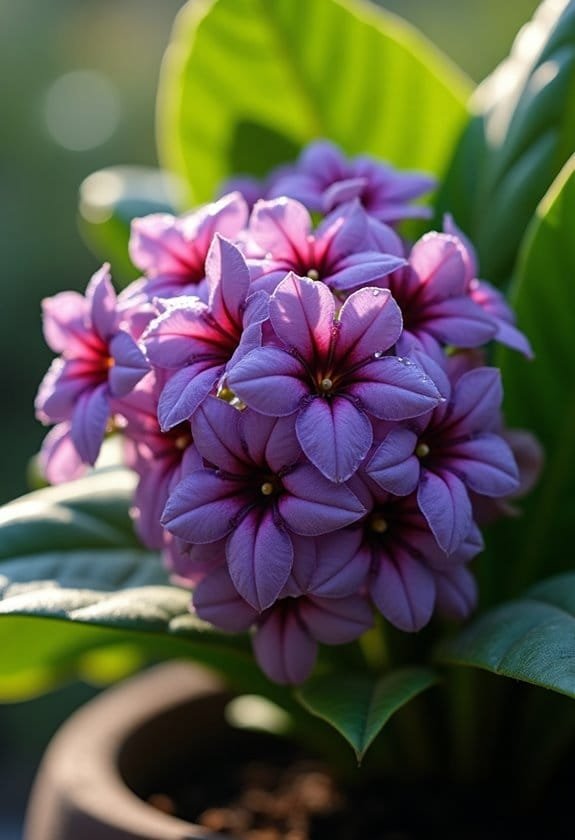
To guarantee the thriving of Heliotropium arborescens, proper care and maintenance are essential. This involves selecting well-drained, fertile soil, providing moderate watering, and understanding its preference for full sun with afternoon shade in warmer climates.
Additionally, thoughtful considerations like regular pruning and suitable companions enhance both growth and aesthetic appeal, fostering a vibrant garden environment.
Planting Tips
How can gardeners guarantee their Common Heliotrope thrives? Ideal growth begins with planting Heliotropium arborescens in well-drained, fertile soil that receives full sun exposure, particularly in USDA hardiness zones 9-11.
This flowering perennial flourishes when watered moderately during the growing season, but caution is critical; overwatering can lead to waterlogged soil, jeopardizing the roots and overall plant health.
To encourage lush growth and an extended blooming season, it's advisable to feed the plants monthly with a balanced fertilizer. Deadheading spent flowers can promote further blooming, enhancing the plant's aesthetic appeal.
Additionally, for bushier growth, gardeners should regularly pinch back stems, while pruning older plants in spring will maintain their shape and well-being.
In hotter summer climates, afternoon shade can prevent overheating, safeguarding the plant's integrity and resilience. For those in cooler areas, using mulch provides essential winter protection, enhancing survival rates.
However, it's significant to recognize that Heliotropium arborescens can be toxic if ingested by pets or humans, so careful placement and awareness of this characteristic are paramount in any garden setting.
With attention to these planting tips, the Common Heliotrope can thrive splendidly.
Ongoing Care
Amidst the vibrant blooms of Common Heliotrope, ongoing care is essential for maintaining its health and beauty. This perennial flourishes best in well-drained, fertile soil, requiring moderate watering to prevent the dreaded root rot caused by waterlogging.
Regular pruning and deadheading spent flowers not only encourage a bushier growth habit but also prolong the enchanting blooming period, ensuring a stunning display throughout the season.
Monthly applications of a balanced fertilizer during the growing season greatly enhance the plant's growth and flowering potential, providing the necessary nutrients for robust development.
In hot summer climates, Common Heliotrope appreciates afternoon shade, which protects it from excessive heat, while in cooler areas, winter mulching serves as insulation against chilling temperatures.
Moreover, diligent monitoring for pests such as aphids and spider mites is vital; timely intervention can prevent infestations that jeopardize plant health.
Suggested Companions
When selecting companion plants for Common Heliotrope, it's essential to take into account those that thrive under similar growing conditions. Heliotropium arborescens pairs wonderfully with sun-loving companions like marigolds and zinnias, enhancing both visual appeal and floral diversity in garden beds. These vibrant blooms offer a striking contrast against the heliotrope's lush foliage.
Additionally, incorporating aromatic plants such as lavender and rosemary not only complements the heliotrope's exquisite fragrance but also attracts a variety of pollinators, enriching the garden ecosystem.
For those looking to maximize garden productivity, consider including edibles like tomatoes or peppers, which flourish in the same well-drained soil and full sun that heliotrope requires.
To maintain an aesthetically pleasing arrangement, it's best to group heliotrope with low-growing flowers, such as alyssum. This approach creates a harmonious landscape by ensuring uniform height and growth habits.
In container gardens, combining heliotrope with trailing varieties like ivy or bacopa adds dynamic vertical interest while promoting airflow, crucial for healthy plant growth.
Selecting the right companions fosters a thriving garden, elevating the overall beauty and productivity of the space.
Common Issues
Common heliotrope, while aesthetically pleasing, often faces challenges from pests and diseases that can compromise its health and vigor.
Gardeners must remain vigilant, as infestations from glasshouse whitefly and aphids can quickly escalate, demanding timely intervention to preserve plant integrity.
Moreover, understanding the delicate balance of water needs is essential; overwatering not only invites root rot but can also exacerbate vulnerabilities to various pathogens, necessitating a proactive approach to plant care.
Pests/Diseases
Although Heliotropium arborescens is a popular choice for gardens thanks to its vibrant blooms, it faces challenges from various pests and diseases. Common pests, such as glasshouse whitefly, aphids, and spider mites, can severely weaken these plants, resulting in reduced flowering and overall health.
Regular inspection is important; early detection allows for the prompt implementation of effective pest control measures, preventing extensive damage. Spider mites, in particular, thrive in dry conditions, causing infestations that can quickly overwhelm a heliotrope if moisture levels aren't adequately maintained.
Moreover, diseases such as root rot can occur when the soil remains overly saturated, underscoring the necessity of well-drained soil to support healthy roots.
Managing these pests and diseases involves a commitment to vigilance and active response. Introducing beneficial insects can bolster the plant's defenses, while insecticidal soap serves as a gentle yet effective treatment against pests.
Additionally, practicing good sanitation within the garden environment, such as removing debris and dead foliage, helps mitigate disease spread, fostering a thriving ecosystem.
Ultimately, knowledge and proactive care are indispensable in ensuring the enduring beauty of Heliotropium arborescens.
Solutions
To effectively address issues faced by Heliotropium arborescens, gardeners should adopt a proactive approach that encompasses regular monitoring, proper watering techniques, and preventive maintenance.
Pests such as aphids, spider mites, and glasshouse whitefly can quickly infest heliotrope, so routine inspections are essential. Utilizing insecticidal soap for pest control can substantially mitigate these issues, keeping the plant healthy and vibrant.
Overwatering, a frequent problem for this species, can induce root rot, thereby compromising plant integrity.
Gardeners should verify the plant is situated in well-drained soil and adjust watering frequency according to soil moisture levels, preventing waterlogging.
Regular pruning and deadheading help maintain a lush, bushy growth form while promoting extended blooming, which enhances the plant's visual appeal notably.
Once established, heliotropes exhibit drought-resistant qualities; however, it's important to monitor for stress during prolonged dry spells, confirming they don't wilt.
Additionally, caution is warranted due to the plant's toxicity, with careful handling required to prevent ingestion, which can induce liver failure in both humans and animals. Common Comfrey's historical applications as a natural remedy illustrate the importance of recognizing the safety of various plants in the garden.
Wearing gloves while working with this engaging flora can safeguard against adverse effects, delivering a delightful experience for the gardener.
Summary
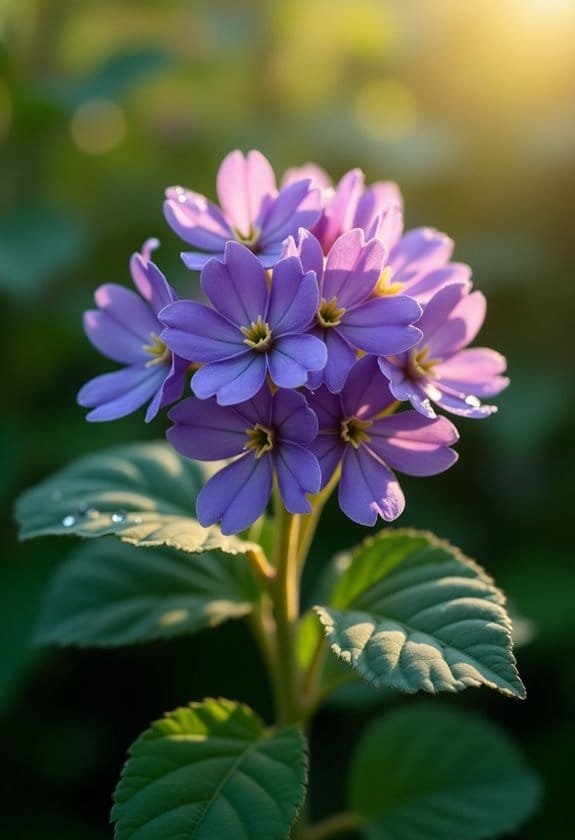
Heliotropium arborescens, or common heliotrope, is a striking perennial shrub hailing from South America, known for its delightful purple flowers and robust foliage. Typically growing between 1-3 feet in height, this enchanting plant flourishes in full sun and well-drained soils, ideally suited for USDA hardiness zones 9-11, although it requires winter protection in cooler climates.
While its aromatic blooms attract pollinators like bees and butterflies, gardeners should approach heliotrope with caution. All parts of the plant contain toxic pyrrolizidine alkaloids, which can pose significant health risks. In large quantities, these compounds can lead to severe liver damage in horses and gastrointestinal distress in humans, underscoring the importance of responsible cultivation.
Despite these concerns, heliotrope remains popular in ornamental gardening, attributed to its striking appearance and traditional use in herbal medicine for anti-inflammatory purposes.
Propagation is straightforward, achieved through seeds, cuttings, or division techniques. Regular pruning not only enhances its bushy growth but also prolongs the vibrant blooming period, allowing for maximum enjoyment of this alluring yet potentially hazardous perennial.
Consequently, understanding its characteristics and precautions is essential for safety and successful cultivation.