*Hydrangea paniculata*, known as paniculate hydrangea, is a magnificent deciduous shrub that captivates with its large, cone-shaped flower heads, reaching up to 12 inches in length. Native to eastern Asia, it thrives in USDA zones 3 to 9, displaying a remarkable adaptability to varied soil types, provided they are well-drained. This shrub typically grows between 8 to 15 feet tall, offering stunning blooms that shift from creamy white to vibrant pinks and reds throughout summer. Additionally, its aesthetic appeal attracts essential pollinators, enhancing garden biodiversity. By exploring further, one can discover more about its care requirements and intriguing varieties.
Main Points
- *Hydrangea paniculata*, or panicle hydrangea, boasts large, cone-shaped flower heads that change color from creamy white to pink and red as they mature.
- This deciduous shrub thrives in USDA zones 3 to 9 and prefers well-drained, loamy soil rich in organic matter.
- Regular pruning in early spring promotes healthy blooming and stronger structure, essential for optimal flowering in summer.
- It is more drought-tolerant than other hydrangea types once established, making it a resilient garden choice.
- The plant attracts diverse pollinators, particularly bees and butterflies, contributing to beneficial garden biodiversity.
Introduction
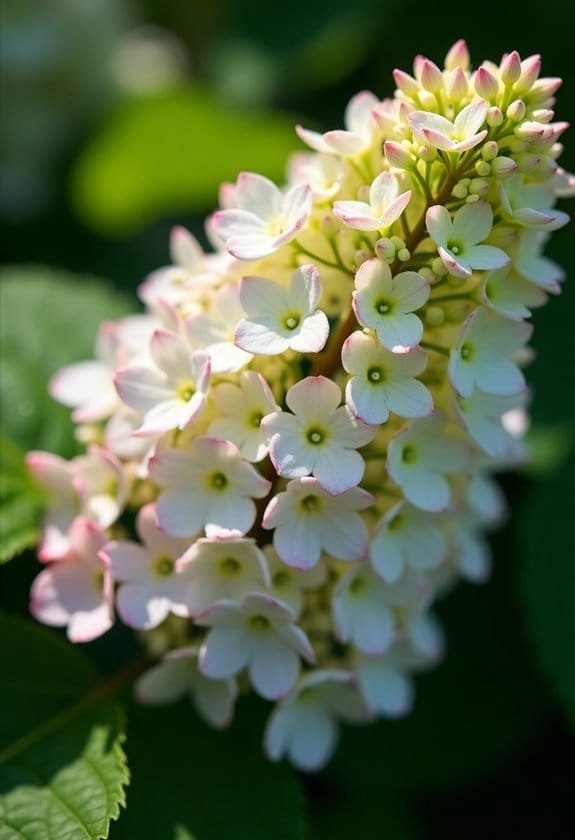
Hydrangea paniculata, commonly referred to as panicle hydrangea, showcases remarkable beauty and versatility, making it a favorite among gardeners.
This deciduous shrub, hailing from eastern Asia, thrives in a range of climates, specifically USDA zones 3 to 9, where its striking, cone-shaped flower heads evolve from creamy white to vibrant shades of pink and red.
Common Name
The paniculate hydrangea, also known as the peegee or Limelight hydrangea, captivates gardeners with its striking, large, cone-shaped flower heads. Blooming during the summer months, these magnificent blossoms change from creamy white to shades of pink and red, enriching any landscape with their vivid colors.
This versatility makes panicle hydrangeas particularly appealing to both novice and experienced gardeners seeking hardy hydrangeas that can thrive in diverse environments.
Adaptable to USDA zones 3 to 9, this species withstands various climatic conditions, demonstrating resilience and low maintenance requirements. It's crucial to recognize that the peegee hydrangea flourishes in full sun or partial shade, necessitating well-drained soil for ideal growth.
Its ability to produce both fresh and dried floral arrangements enhances its desirability, allowing individuals to create stunning displays year-round.
Furthermore, the Limelight hydrangea's hardy nature means that it not only endures the elements but also brings joy and elegance to any garden setting. Gardeners appreciate the splendid blossom and enduring beauty of this plant, ensuring that it remains a beloved staple in horticulture across a wide spectrum of landscapes.
Scientific Name
Belonging to the Hydrangeaceae family, *Hydrangea paniculata* is a species that showcases remarkable diversity and adaptability. Native to eastern Asia, particularly in regions like eastern and southern China, Japan, and Taiwan, this hardy hydrangea has captivated gardeners globally.
Its distinguishing feature is its large, cone-shaped flower heads that shift from creamy white to pink and eventually to vibrant red as they mature, creating a striking display that enhances any landscape.
Thriving in USDA zones 3 to 9, *Hydrangea paniculata* exhibits significant resilience, tolerating an array of soil types, provided they're well-drained. This capability makes it an ideal choice for various gardening environments.
A notable characteristic of this species is its blooming pattern; it forms buds on new growth. This feature underscores the importance of winter pruning, allowing gardeners to optimize blooming during the summer season.
Overview
With its striking flower heads and resilient nature, *Hydrangea paniculata* stands out as a favorite among gardeners. This deciduous shrub, endemic to eastern Asia, is renowned for its large, cone-shaped panicles that grace the landscape throughout the summer months.
Thriving in USDA zones 3 to 9, this hardy hydrangea flourishes in well-drained, loamy soil with at least four hours of sunlight daily.
The intriguing blossoms initially appear creamy white, gradually transforming into shades of pink and red as they mature, offering vibrant visual interest from summer to fall.
Importantly, *Hydrangea paniculata* blooms on new growth, meaning proper early spring pruning is essential to promote healthy flowering and maintain its elegant shape.
Once established, these hydrangeas require minimal maintenance and are more drought-tolerant compared to other hydrangea varieties.
Their ability to attract pollinators enriches the garden's biodiversity, turning any outdoor space into a lively ecosystem.
Consequently, *Hydrangea paniculata* isn't only an aesthetically pleasing choice but also an ecologically beneficial one.
Key Features
*Hydrangea paniculata*, commonly known as panicle hydrangeas, showcases remarkable features that enhance its appeal in gardens.
These versatile shrubs can grow into sizable specimens, reaching heights of 8 to 20 feet, adorned with large, conical flower clusters that can extend up to 12 inches in length.
As the seasons shift, their blooms transform from creamy white into enchanting shades of pink or red, engaging enthusiasts well into the summer months.
Growth Size
Typically, panicle hydrangeas grow upright and can reach impressive heights ranging from 8 to 15 feet, with some varieties capable of soaring up to 25 feet under ideal conditions. The width of mature plants typically spans 2.5 to 4 feet, creating a robust presence in gardens and landscapes that lends tremendous aesthetic appeal.
For those with limited space, several compact dwarf varieties, such as Bobo® and Little Quick Fire, offer a perfect solution. These cultivars usually maintain a modest height of only 2 to 3 feet, allowing gardeners to incorporate the allure of panicle hydrangeas even in smaller areas.
Furthermore, the vigorous growth of these hydrangeas often improves through purposeful pruning, which not only encourages a robust branching structure but also promotes substantial flowering. Flowerheads themselves can be remarkably large, with panicle blooms stretching up to 12 inches in length, capturing attention and enriching the landscape.
In essence, panicle hydrangeas offer diverse growth sizes, ensuring there's a suitable option available for every garden enthusiast, regardless of space constraints. Their impressive heights and charming varieties make them a prized choice among horticulturists and homeowners alike.
Appearance
Panicle hydrangeas are easily recognized by their striking large, cone-shaped flower heads, often referred to as panicles, which can grow up to 12 inches in length. These magnificent blooms typically begin their journey as creamy white flowers in mid-summer, creating a fascinating display.
As autumn approaches, the flowers change to enchanting shades of pink and red tones, adding vibrant color to any garden landscape.
The leaves of this deciduous shrub are equally remarkable; they're serrate and ovate, presenting a dark green hue on the upper side. Arranged oppositely along the stems, these leaves contribute to the overall aesthetic by providing a lush backdrop for the large panicles.
Panicle hydrangeas can reach impressive heights, generally ranging from 8 to 20 feet, depending on various factors such as variety and growing conditions.
One unique aspect of panicle hydrangeas is their resilience in maintaining color despite soil pH variations. Instead, their intriguing hues are determined primarily by genetic variations.
This adaptability, combined with their striking appearance, makes panicle hydrangeas a beloved choice for both novice and experienced gardeners alike.
Flowering Season
The flowering season of panicle hydrangeas is an enchanting time that captivates gardeners with its vibrant displays. Typically, these stunning plants begin their flowering period around mid-summer and extend into early fall, depending on the prevailing climate conditions.
As the blooms emerge, they showcase creamy white petals, which gracefully adapt to delicate shades of pink and eventually deepen into rich red tones by the end of summer.
Panicle hydrangeas are particularly noted for their impressive, large flower heads, which can reach astounding lengths of up to 12 inches (30 cm). This remarkable size greatly enhances their visual presence within any garden setting.
Unlike some other hydrangea varieties, the color development of these flowers is dictated by genetic factors rather than soil pH, offering a level of consistency across different environments.
The extended bloom time of panicle hydrangeas lends itself beautifully to seasonal arrangements, providing an ongoing visual spectacle throughout late summer and into fall.
This adaptability and prolonged flowering not only enrich any landscape but also inspire creativity in floral design, making them a favorite among both amateur gardeners and seasoned horticulturists.
Growing Requirements
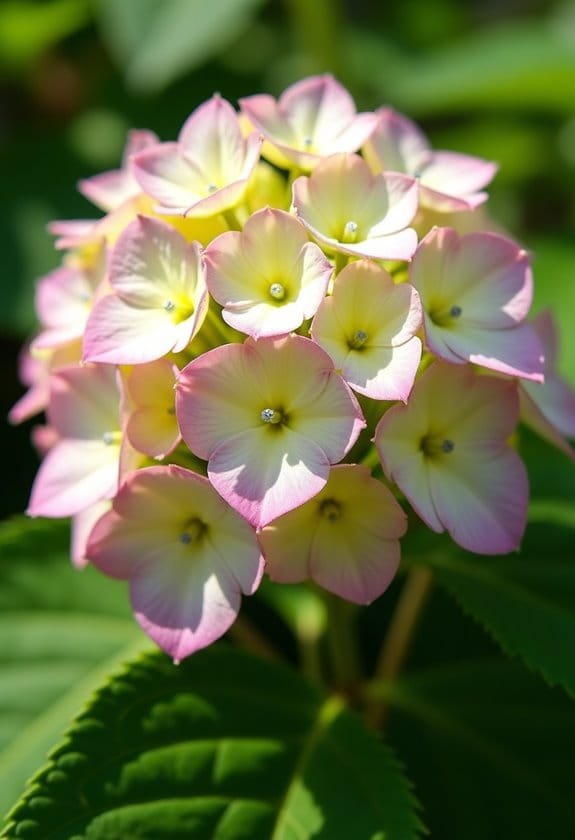
Hydrangea paniculata flourishes best in environments that offer a balance of ample sunlight and suitable soil conditions. Ideally, these plants bask in a minimum of six hours of sunlight each day, thriving in loamy, well-drained soils that support ideal nutrient uptake.
To sustain their health, it's critical to understand and accommodate their specific needs for moisture and pH, as these elements greatly impact growth and flowering.
Light
To thrive, panicle hydrangeas need at least four hours of bright sunlight each day, with six hours being perfect in cooler climates.
These plants flourish best in environments where they receive adequate light, benefiting from full sun exposure. However, in hotter regions, providing afternoon shade becomes beneficial to protect them from potential heat stress, which can negatively impact their growth.
When insufficient sunlight is available, the result often manifests as weak, spindly growth and diminished blooming capabilities. Hence, ensuring that panicle hydrangeas enjoy superior light conditions is essential to their overall health and appearance.
Significantly, varieties like Limelight adapt well to both full sun and partial shade, showcasing their versatility in various lighting scenarios.
In addition to adequate sunlight, planting in a location with good air circulation further enhances their robustness.
This combination creates a supportive environment where hydrangeas can thrive, develop robust structures, and consistently produce beautiful blooms.
As a result, garden enthusiasts should carefully consider these light requirements when selecting and positioning their panicle hydrangeas to achieve the most stunning results.
Soil
Well-drained, loamy soil rich in organic matter suits panicle hydrangeas perfectly, as overly wet conditions can cause root rot.
These hydrangeas prefer a soil pH that's neutral to slightly acidic, yet they exhibit remarkable adaptability, tolerating a range of soil pH levels. The presence of organic matter is essential, as it not only enhances nutrient availability but also improves the soil's texture, promoting good drainage.
During the initial establishment phase, consistent moisture is critical; however, panicle hydrangeas demonstrate good drought tolerance once they're firmly rooted. It's important to monitor soil moisture regularly, particularly for those grown in containers, checking every 10 to 14 days to guarantee ideal growth conditions are maintained.
Additionally, implementing a layer of mulch—about 2-3 inches of shredded bark—retains soil moisture while simultaneously suppressing weed growth. This strategy not only conserves water but also enhances soil structure over time.
Water
Regular watering is essential for the successful growth of panicle hydrangeas, particularly within the first couple of years after planting. During this period, consistent moisture allows the roots to establish firmly in the soil. While established plants possess some drought tolerance, they thrive best with regular access to moisture, which promotes robust growth and vibrant blooms.
To achieve ideal watering conditions, gardeners should make sure that the soil remains well-drained. Excessive water can lead to root rot, a severe threat that undermines the plant's health. Consequently, a careful balance between moisture and drainage is critical for healthy development.
Additionally, for container-grown hydrangeas during winter, it's important to check soil moisture every 10-14 days to prevent dehydration.
To aid in moisture retention, applying 2-3 inches of shredded bark mulch after planting creates a protective barrier that retains soil moisture and suppresses weeds, further supporting healthy growth.
Temperature
For ideal growth, panicle hydrangeas thrive in a range of temperatures found within USDA zones 3 to 9. These hardy plants can adapt to diverse climatic conditions, making them suitable for both chilly winters and moderate summers. They flourish best with at least four hours of bright sunlight daily, but six hours is most favorable, particularly in cooler climates. This sunlight exposure helps regulate their blooming process and enhances their vibrant colors.
While panicle hydrangeas demonstrate remarkable tolerance to winter temperatures, maintaining consistent temperature conditions is essential for their overall health and bloom quality. Extreme heat and sudden temperature fluctuations can negatively impact their flowering potential, leading to diminished color development and bloom size. As a result, gardeners should closely monitor climatic changes to protect these delicate flowers.
Additionally, newly planted panicle hydrangeas require regular watering during their first year or two to guarantee they establish robust root systems. Although established specimens demonstrate a certain resilience to drought, avoiding prolonged periods without water will support the plants' liveliness during temperature extremes.
Pollinator Criteria
Panicle hydrangeas, with their generous nectar supplies and visually appealing blooms, attract a diverse array of pollinators, primarily bees and butterflies.
These insects play a crucial role in the pollination process, utilizing the large, broad flowerheads as convenient landing platforms that enhance their access to both nectar and pollen.
Understanding the specific needs and behaviors of these pollinators not only highlights the ecological importance of Hydrangea paniculata but also underscores the significance of maintaining a healthy environment to support them.
Attracted Pollinators
Amid the vibrant summer and fall blooms of Hydrangea paniculata, a variety of pollinators flock to these attractive flowers. The large cone-shaped clusters, which can grow up to 12 inches in size, serve as a significant food source for essential pollinators like bees and butterflies.
These insects play an important role in enhancing local biodiversity, ensuring the health of garden ecosystems.
As the season progresses, the flower color transforms from creamy white to pink and red, creating visual cues that signal the availability of nectar. This change not only attracts attention but also indicates to pollinators that energy-rich nectar awaits.
Thanks to their high nectar and pollen production, panicle hydrangeas draw a diverse range of beneficial insects that are critical for pollination.
To optimize pollinator activity, planting panicle hydrangeas in sunny locations becomes key, as these bright, exposed areas naturally entice pollinators drawn to abundant floral resources.
The interplay between sunlight, nectar availability, and vibrant flower color creates an inviting atmosphere for these industrious visitors, ultimately contributing to a healthier, more productive environment.
The lush blooms of H. paniculata provide a banquet for pollinators, underlining their value in both gardens and nature.
Pollination Method
Pollination in Hydrangea paniculata heavily depends on various insect pollinators, especially bees and butterflies. These vibrant panicle hydrangeas produce large, showy flower clusters that brim with ample nectar, which serves as an irresistible lure for these beneficial insects.
The flowering period, spanning from mid-summer to early fall, strategically aligns with the peak activity of pollinators, maximizing encounters that facilitate the transfer of pollen.
Pollinators, drawn by the sweet nectar and abundant pollen, engage in a vital ecological dance while visiting the blooms. Their movements not only promote successful fertilization but also enhance genetic diversity within the species, bolstering the overall health of the ecosystem.
Notably, pollinator activity often thrives under sunny conditions, suggesting that well-placed hydrangeas in garden landscapes can greatly increase insect visitation.
Ultimately, effective pollination leads to the formation of seeds, ensuring the propagation of future generations of Hydrangea paniculata.
This dynamic interaction underscores the fundamental role that both flowering plants and their pollinators play in maintaining ecological balance, enriching the environment with their intertwined destinies.
Consequently, the thriving relationship between hydrangeas and their pollinators is a reflection of nature's intricate web of life.
Care & Maintenance
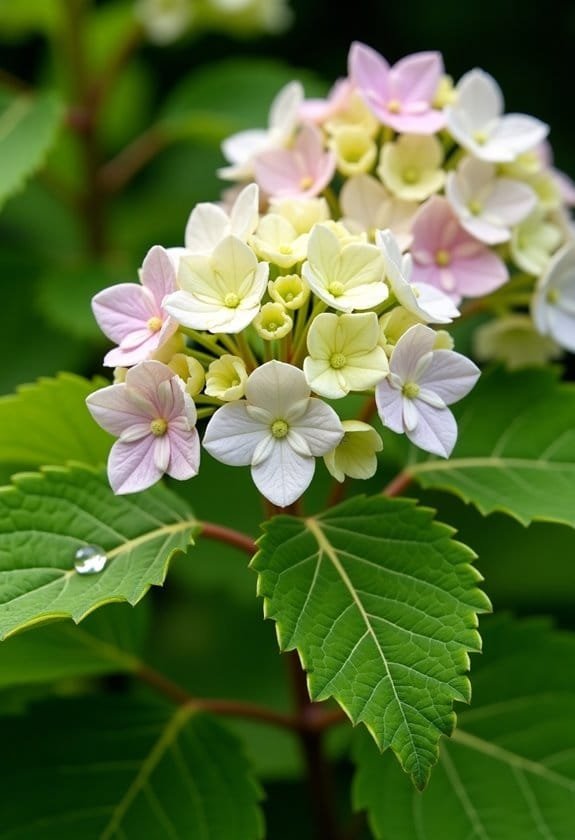
When caring for Hydrangea paniculata, understanding the essentials of planting and ongoing maintenance stands crucial for their vibrant growth.
These plants flourish with ample sunlight, and consistent watering not only helps establish roots in the initial years but also guarantees robust health as they mature.
Additionally, selecting appropriate companions can enhance their overall habitat, fostering a thriving garden ecosystem that benefits both the hydrangeas and their neighbors.
Planting Tips
In early spring, planting Hydrangea paniculata can set the stage for vibrant blooms later in the season. To achieve ideal growth, gardeners should make sure panicle hydrangeas receive at least four hours of bright sunlight daily, ideally six hours in cooler climates.
Proper soil conditions are essential; it's best to plant panicle hydrangeas in well-drained native soil without amendments, as overly wet conditions can lead to detrimental root rot.
Applying 2-3 inches of shredded bark mulch can assist with moisture retention, especially during the vital first one to two years when regular watering is essential. Though established plants can tolerate some periods of drought, monitoring moisture levels remains important for their health.
Fertilization isn't typically necessary, but if desired to promote rapid growth, a granular shrub fertilizer can be applied in early spring—caution against over-fertilization is paramount, as it may lead to weak stems.
As part of the planting process, panicle hydrangeas should be pruned in early spring or late fall after dormancy. This involves trimming back last year's growth by one-third, establishing a strong structure and encouraging the development of larger, more exuberant flowers.
Ongoing Care
Ongoing care for Hydrangea paniculata guarantees vibrant blooms and healthy growth throughout the seasons. Initially, regular watering is essential for the first one to two years after planting, ensuring that young plants establish strong root systems. Once established, these resilient plants can withstand periodic droughts.
To promote moisture retention and suppress weed growth, a 2-3 inch layer of shredded bark mulch should be applied around the base immediately after planting.
Fertilization is generally unnecessary for panicle hydrangeas, though applying a light dose in early spring can stimulate rapid growth. However, over-fertilization might lead to weak stems, compromising the plant's integrity.
Pruning, best performed in late winter or early spring, involves carefully removing about one-third of the plant, encouraging a robust structure and larger flower production.
Furthermore, one must monitor sunlight exposure, as insufficient sunlight can result in weak, spindly growth. Aim for at least four hours of bright sun daily, ensuring that your hydrangeas flourish and display their breathtaking flower clusters, symbolizing nature's beauty in every season.
Suggested Companions
Choosing complementary plants for Hydrangea paniculata enhances the visual appeal and overall health of the garden. Selecting appropriate companion plants helps create a harmonious environment that showcases the unique features of panicle hydrangeas.
Ornamental grasses like Miscanthus or Panicum provide contrasting textures and graceful movement, enriching the garden's aesthetic.
For a vibrant display, consider incorporating flowering perennials such as Astilbe or Hemerocallis (daylilies). These plants thrive in similar conditions, delivering additional blooms that align seamlessly with the hydrangea's flowering season.
Additionally, summer-blooming annuals like Salvia or Zinnias can enhance color diversity, extending visual interest throughout warmer months.
It's essential to avoid companion plants requiring excessively moist soil, as panicle hydrangeas prefer well-drained conditions to prevent issues like root rot.
To promote overall garden health, a mulch layer around both hydrangeas and companion plants is advisable. This practice retains soil moisture, suppresses weeds, and fosters an ideal growing environment, ensuring that all plants flourish together.
Common Issues
As with many plants, Hydrangea Paniculata can face its share of pests and diseases, which may threaten its health and importance.
Common culprits, such as aphids and powdery mildew, can compromise the plant's growth, leading to disfigured leaves and altered bloom patterns, ultimately diminishing its aesthetic appeal.
Understanding these challenges allows gardeners to implement effective solutions, ensuring that their hydrangeas flourish in their intended splendor.
Pests/Diseases
While Hydrangea paniculata can be a stunning addition to any garden, it's not immune to a variety of pests and diseases that can threaten its health. Common pests affecting these hydrangeas include aphids, spider mites, and scales. These nuisances can weaken the plants considerably, leading to stunted growth and diminished vigor if not managed promptly.
Moreover, several diseases can also plague Hydrangea paniculata, with powdery mildew and leaf spot being among the most prevalent. Powdery mildew often manifests as a white, powdery coating on leaves, thriving in conditions of inadequate air circulation and excessive moisture. Leaf spot diseases, showing as brown or black spots on foliage, can cause leaf drop and overall decline in health.
In addition to insect pests and fungal diseases, gardeners should watch for deer damage, as these animals have a proclivity for consuming flower buds, which can dramatically reduce blooming potential.
Adopting proper cultural practices, such as avoiding overly moist soil and ensuring adequate sunlight, supports the plant's vigor. Regular monitoring and timely treatment of any infestations or diseases are essential in preserving the beauty and health of Hydrangea paniculata.
Solutions
Common issues facing Hydrangea paniculata can often be addressed with a few straightforward solutions. For instance, yellowing leaves in newly planted panicle hydrangeas typically indicate problems related to shading or overwatering. Consequently, gardeners should assess both sunlight exposure and soil drainage. Insufficient sunlight, specifically less than four hours per day, may result in weak, spindly growth that noticeably diminishes the plant's bloom production, underscoring the importance of proper siting.
Additionally, newly planted hydrangeas might exhibit temporary drooping stems due to root limitations; however, this condition usually resolves as the root system becomes established. To prevent deer from consuming flower buds, protective measures such as fencing or repellents are advisable.
Furthermore, water stress presents another challenge; whether caused by overwatering or drought, fluctuations in water availability can greatly impact the development of flower color and overall plant health. Hence, maintaining consistent soil moisture is essential for peak condition.
Summary
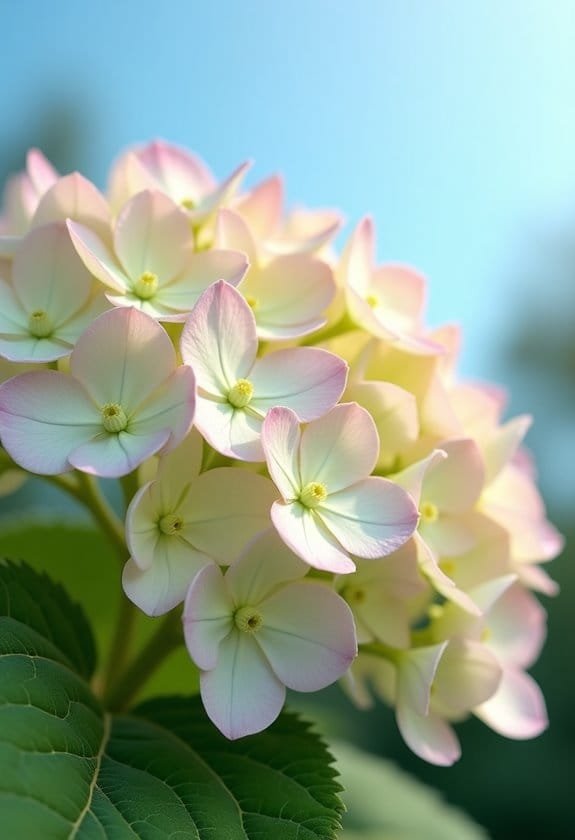
Hydrangea paniculata, often referred to as panicle hydrangea, stands out in gardens for its impressive cone-shaped flowerheads that bloom during the summer months. This deciduous shrub, native to eastern Asia, showcases flowers that shift from creamy white to pink and red, creating a stunning visual display that captures the essence of the season.
Thriving in USDA zones 3 to 9, panicle hydrangeas prefer at least four hours of full sun each day to achieve peak growth. These adaptable plants flourish in well-drained, loamy soil and exhibit drought tolerance once established, making them suitable for a wide range of garden styles.
To maintain their structure and encourage larger blooms, gardeners should prune these hydrangeas annually, ideally in late winter or early spring, just before new growth emerges. Some remarkable cultivars include Limelight, Quick Fire, and Bobo, each offering unique flowering characteristics suitable for diverse landscape design needs.
With their stunning summer displays and resilience, panicle hydrangeas not only enhance the beauty of any garden but also invite appreciation for nature's artistry, transforming outdoor spaces into vibrant retreats.