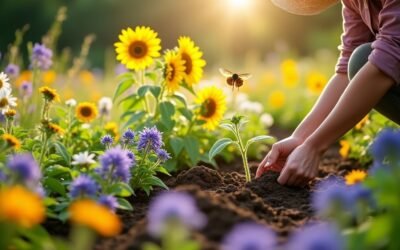
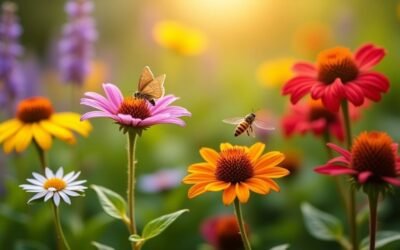
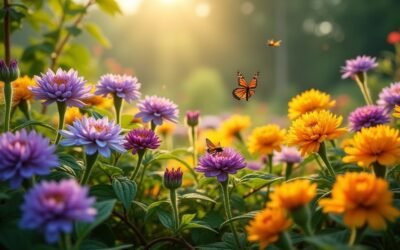
Limonium platyphyllum, or Broad-Leaved Statice, is a striking herbaceous perennial that typically grows up to 1 meter tall and spreads 50 centimeters wide. This resilient plant flourishes in well-drained, sandy soils, thriving under full sun while showcasing delightful lavender-blue flowers during the summer months. Its dark green, leathery leaves provide an appealing contrast, enhancing garden aesthetics. Not only does it attract essential pollinators like bees and butterflies, but it also supports biodiversity by offering a reliable nectar source. With proper care, including adequate sunlight and moisture management, Limonium platyphyllum can transform landscapes into flourishing ecosystems, inviting further exploration of its many benefits.
Main Points
- Limonium platyphyllum, commonly known as Broad-Leaved Statice, is a clump-forming perennial that reaches heights of up to 1 meter.
- This plant thrives in sandy, well-drained soils and prefers full sun, requiring at least 6 hours of direct sunlight daily.
- The lavender-blue tubular flowers bloom in summer, attracting a variety of pollinators such as bees and butterflies.
- It is drought resistant once established and requires minimal maintenance, making it ideal for low-maintenance gardens.
- Limonium platyphyllum is valued for its ornamental use in dried floral arrangements, thanks to its prolonged flower longevity.
Introduction
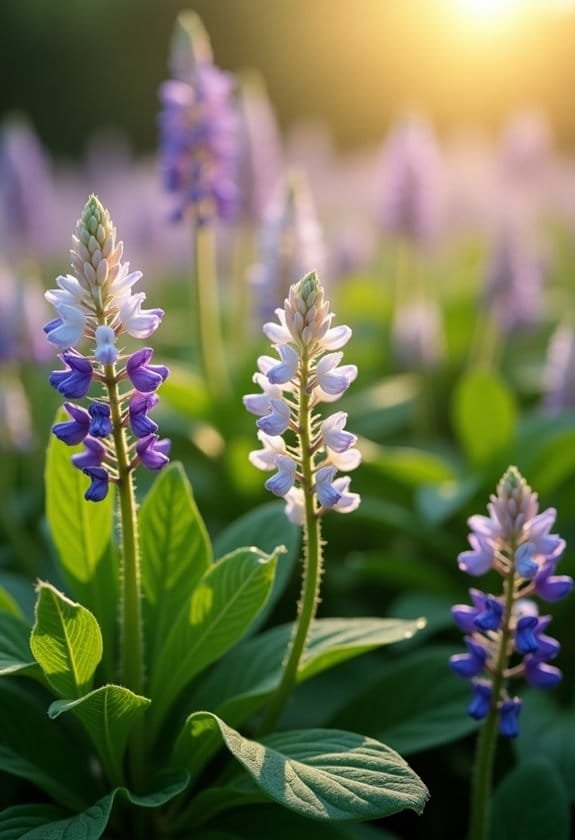
Limonium platyphyllum, widely known as Broad-Leaved Statice or Sea Lavender, captivates with its striking, broad, leathery leaves and delicate tubular flowers.
This resilient perennial, capable of reaching heights up to 1 meter, thrives in coastal settings, showcasing its adaptability to sandy soils and maritime conditions.
With a flowering season that enlivens summer gardens while promoting biodiversity, Limonium platyphyllum stands as a practical yet beautiful option for landscape enthusiasts.
Common Name
Known for its striking beauty and versatility, Broad-Leaved Statice is the common name for Limonium platyphyllum. This perennial plant, also commonly known as Sea Lavender, captivates with its distinct broad leaves and clusters of attractive lavender-blue flowers, which add a charming touch to any landscape.
Originating from southeastern and central Europe, Limonium platyphyllum flourishes in maritime conditions, often establishing itself along coastlines and sandy shores.
The name "Broad-Leaved Statice" aptly reflects its ecological adaptability, as the term "platyphyllum" translates to "broad-leaved." This unique characteristic allows the plant to maximize sunlight absorption, essential for growth in its native habitat.
Furthermore, once established, Limonium platyphyllum demonstrates impressive drought tolerance, making it an ideal choice for low-maintenance gardens.
Its use in dried floral arrangements has made Sea Lavender a cherished addition to decorative displays, thanks to its prolonged longevity after harvesting.
Collectively, these features emphasize the plant's dual role as both an ornamental beauty and a resilient landscape performer.
Broad-Leaved Statice embodies elegance and practicality, appealing to gardeners seeking both aesthetics and ease of cultivation.
Scientific Name
The scientific name of Broad-Leaved Statice, Limonium platyphyllum, highlights its botanical classification within the Plumbaginaceae family. This herbaceous perennial, renowned for its clump-forming nature, thrives in well-drained soils, adapting beautifully to coastal environments.
The genus name "Limonium" is derived from the Greek word "limne," which means marsh, pointing to the plant's affinity for moist habitats. The species name "platyphyllum" translates to "broad-leaved," aptly describing the striking dark green leaves that characterize this species.
These expansive leaves not only enhance its aesthetic appeal but also play a significant role in photosynthesis and overall health. Limonium platyphyllum typically reaches heights of up to 1 meter, with a spread of approximately 50 centimeters, allowing it to create robust clusters that visually enrich its surroundings.
Commonly found in the southeastern and central regions of Europe, this plant is synonymous with Limonium latifolium. The adaptability of Limonium platyphyllum to various growing conditions makes it a fascinating subject of study for botanists and horticulturists alike, as it illustrates the intricate interplay between plant physiology and environmental factors.
Overview
During the warmer months, Broad-Leaved Statice emerges as a vibrant addition to gardens and coastal landscapes. Limonium platyphyllum showcases clump-forming growth, reaching heights of up to 1 meter and spreading 50 centimeters wide. The plant's dark green, leathery leaves are distinguished by their entire or sinuate margins, offering a lush backdrop that enhances its beautiful lavender-blue flowers.
Thriving in full sun, Broad-Leaved Statice prefers moist, well-drained, fertile soil but exhibits impressive adaptability to varying soil pH levels. This adaptability allows it to flourish even in maritime conditions, where many other plants struggle. Moreover, its drought-tolerant nature makes it an ideal choice for those looking to minimize garden maintenance without sacrificing visual appeal.
As a late-blooming ground cover, it attracts pollinators, considerably contributing to local ecosystems and biodiversity. The genus name, "Limonium," traces its roots to the Greek word "limne," meaning marsh, which characterizes the plant's affinity for moist, saline environments.
For further inquiries or more information about Broad-Leaved Statice, individuals can reach out via the provided email address.
Key Features
Limonium platyphyllum showcases remarkable characteristics that make it a standout in any garden setting.
Reaching heights of up to 1 meter and spreading around 50 centimeters, its dark green, leathery leaves create a lush backdrop for the beautiful tubular flowers, which bloom in loose panicles during summer.
As it thrives in sandy soils under full sun, this perennial not only enhances visual appeal but also supports biodiversity by attracting various pollinators.
Growth Size
Reaching heights of up to 1 meter, Limonium platyphyllum is a moderately sized herbaceous perennial that showcases its robust growth habit. This species typically spreads up to 50 centimeters, forming a dense, clump-like structure that allows for the creation of impressive colonies when planted under ideal conditions.
Gardeners interested in cultivating this plant should verify to space them adequately to encourage airflow and prevent overcrowding.
The plant's dark green, leathery leaves exhibit an ovate shape with entire or sinuate margins, contributing greatly to its distinctive foliage character. These leaves aren't merely decorative; they play a significant role in the photosynthetic process, allowing the plant to harness sunlight efficiently.
Additionally, Limonium platyphyllum adapts well to various soil pH levels, though it thrives best in moist, well-drained, fertile soil, which guarantees robust growth and liveliness.
During the summer, this perennial produces tubular, hermaphroditic flowers arranged in loose panicles, adding to its allure. The lavender-blue coloration of the blossoms serves not only as decoration but also attracts pollinators, enriching the garden ecosystem.
Appearance
The stunning appearance of Limonium platyphyllum, commonly known as Broad-Leaved Statice, captures attention with its clump-forming structure and dark green, leathery leaves. These leaves, characterized by their ovate shapes and varied margins—either entire or sinuate—add a rich foliage texture to garden landscapes.
Measuring up to 1 meter in height and spreading around 50 cm wide, this plant serves as a striking focal point in any outdoor setting.
When in bloom, Limonium platyphyllum showcases its exquisite floral arrangement, featuring tubular, hermaphrodite flowers that cluster in loose panicles. The bloom colors typically include enchanting lavender-blue, creating a vivid contrast against the lush greenery. This combination of foliage and vibrant flowers enhances visual appeal, inviting admiration from all who encounter it.
Additionally, the plant produces a small bristly capsule, containing a single seed that hints at future growth. The exceptional characteristics of Broad-Leaved Statice make it more than just a plant; it transforms spaces, bringing a touch of elegance to gardens or landscapes in every season.
Enthusiasts and gardeners alike cherish its unique beauty and resilience, ensuring Limonium platyphyllum remains a perennial favorite.
Flowering Season
During summer, Broad-Leaved Statice captivates garden lovers with its stunning lavender-blue blooms. Typically exhibiting an impressive height of up to 1 meter, these plants serve as seasonal highlights in any landscape, enhancing garden aesthetics dramatically. The flowers form tubular shapes and appear in loose panicles, effectively attracting a variety of pollinating insects, including bees and butterflies.
The flowering benefits extend beyond sheer beauty; Limonium platyphyllum's blooms retain their vibrant color even after drying, making them ideal for ornamental arrangements. This characteristic not only prolongs enjoyment of the flowers but also supports a sustainable approach to gardening.
As the plant can easily self-seed, it may continue to produce blooms in subsequent seasons, creating a low-maintenance yet visually striking environment.
Moreover, this perennial embodies resilience in garden design, providing a palette of hues that complements various planting schemes.
Broad-Leaved Statice's striking presence and ecological contributions make it a distinguished choice for gardeners seeking to elevate their outdoor spaces with both functionality and beauty.
Ultimately, its flowering season reinforces the importance of integrating vibrant species into gardens for aesthetic pleasure and ecological balance.
Growing Requirements
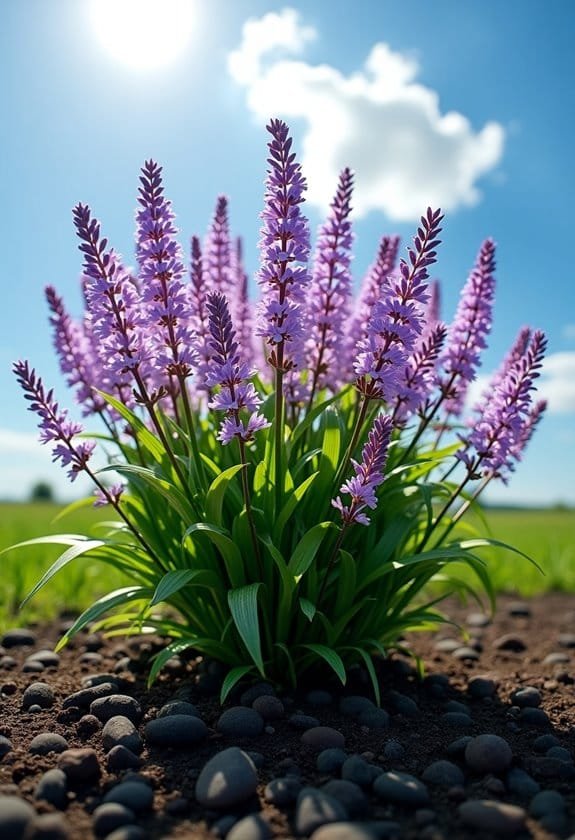
Limonium platyphyllum flourishes under the warm embrace of full sunlight, demanding at least six hours of direct exposure each day. This resilient plant thrives in well-drained, fertile soil that retains moisture but prevents root rot, while its drought tolerance enhances its appeal to low-maintenance gardeners.
With adaptability to USDA hardiness zones 3a to 9b, Limonium's growing requirements harmoniously blend light, soil, and water conditions, establishing a robust foundation for thriving growth.
Light
Thriving in full sun conditions, Limonium platyphyllum requires at least six hours of direct sunlight each day to achieve best growth. This sun-loving plant experiences significant sunlight benefits, including enhanced flowering and robust overall health.
During the summer months, when light availability peaks, Limonium platyphyllum produces an abundance of vibrant blooms, making sunlight fundamental for its reproductive success.
While this species demonstrates remarkable adaptability to various well-drained soil types, it's significant to mention that insufficient light can have detrimental consequences. Prolonged exposure to shade can severely hinder its growth, diminishing flowering and impacting its overall vigor. Such shade effects emphasize the essential role sunlight plays in this plant's cultivation, as it supports not only aesthetic beauty but also physiological processes foundational to life.
Although Limonium platyphyllum becomes drought-tolerant once established, full sun exposure remains critical for promoting vigorous growth and encouraging exquisite floral displays.
Essentially, gardeners should prioritize best lighting conditions to take full advantage of this plant's impressive potential. By ensuring adequate sunlight, one can effectively enhance the health and beauty of Limonium platyphyllum, truly transforming their garden landscape.
Soil
A healthy soil foundation is essential for the successful growth of Limonium platyphyllum. This remarkable plant thrives best in moist, well-drained, and fertile soil that mirrors the coastal habitats from which it originates.
The ideal soil composition typically includes sandy loam, which provides ideal drainage while maintaining adequate moisture retention. Given its adaptability, Limonium platyphyllum can thrive in varying soil pH levels, comfortably accommodating both acidic and alkaline conditions.
To promote healthy root development, it's vital to avoid waterlogging; therefore, regular monitoring of soil moisture is recommended. Implementing soil amendments, such as organic matter or compost, can improve fertility and maintain the right balance in texture, encouraging vigorous growth.
Once established, this plant exhibits notable drought tolerance, diminishing the frequency of irrigation required.
Ultimately, the right soil characteristics greatly enhance Limonium platyphyllum's overall health and flowering potential, indicating that careful attention to soil quality is indispensable for gardeners seeking to cultivate this coastal beauty.
Water
Achieving ideal growth for Limonium platyphyllum hinges on effective water management strategies. This robust plant prefers moist, well-drained, fertile soil, which is essential for nurturing its vigorous growth. During the initial growth and germination phases, regular watering is imperative to establish robust roots and promote healthy foliage development.
Employing effective watering techniques, such as deep watering to encourage roots to explore further into the soil, enhances moisture retention while avoiding surface over-saturation.
While Limonium platyphyllum thrives under full sun exposure, care must be taken during scorching summer months to prevent moisture levels from dropping too low. Established plants exhibit remarkable drought tolerance, allowing gardeners to implement efficient drought strategies, particularly in regions prone to dry spells.
However, maintaining a fine balance is critical; over-watering can lead to root rot, which thrives in poorly drained soil. Therefore, gardeners should monitor soil conditions, adjusting watering frequencies based on weather patterns and the plant's health.
Temperature
Temperature plays an essential role in the growth of Limonium platyphyllum, influencing its overall health and flower production. This versatile plant thrives in USDA hardiness zones 3a to 9b, which indicates its remarkable adaptability to varied temperatures. Typically, Limonium platyphyllum flourishes when temperatures range between 60°F to 75°F (15°C to 24°C), promoting ideal growth and vibrant blooms.
However, the plant does exhibit temperature sensitivity and can sustain damage from frost, necessitating protective measures during colder months.
While it's designed to endure heat waves and dry conditions due to its drought tolerance, exposure to extreme temperatures can still impact its health. With direct sunlight being essential for its preferred growth, ensuring an environment that mitigates the effects of temperature extremes is significant.
The plant's ability to withstand fluctuating conditions underscores its inherent temperature adaptations, making it suitable for diverse climates.
Establishing Limonium platyphyllum in well-suited locations can enhance flowering while safeguarding it against temperature-induced stressors, ensuring a thriving display of its stunning blooms throughout warmer months.
Pollinator Criteria
Limonium platyphyllum's tubular flowers and abundant nectar are highly effective in attracting a diverse range of pollinators, including various species of bees and butterflies.
This strategic design, essential during the plant's summer flowering period, facilitates successful pollination through both hermaphroditic mechanisms and efficient nectar rewards.
Attracted Pollinators
The vibrant flowers of Limonium platyphyllum, or Broad-Leaved Statice, play a key role in attracting various pollinators. With their tubular structure and enchanting lavender-blue hues, these blossoms draw in essential species such as butterflies and bees, who rely on different nectar sources.
Blooming in loose panicles during the summer months, the timing coincides perfectly with peak pollinator activity, enhancing the plant's appeal and increasing the opportunities for pollinator benefits.
As a drought-tolerant plant, Limonium platyphyllum withstands arid conditions while sustaining its floral displays, providing a reliable food source even during challenging environmental scenarios. This resilience not only supports individual pollinator species but also fosters a rich tapestry of biodiversity enhancement in diverse ecosystems.
The visual allure of these flowers guides pollinators to their nourishment, playing a critical role in the broader ecological balance. Gardeners who cultivate this stunning plant effectively promote ecological health and support a variety of pollinator species throughout the growing season, amplifying the interconnectivity of nature.
Through nurturing Limonium platyphyllum, they contribute positively to sustaining essential environmental relationships.
Pollination Method
Many pollinators, especially bees and butterflies, find their way to Limonium platyphyllum due to its nectar-rich tubular flowers. These blooms provide essential nectar availability during the summer months, harmoniously coinciding with the flowering periods of many native plants.
The broad-leaved statice's flowers, organized in loose panicles, create a visually appealing display that attracts a diverse array of pollinators, thereby promoting pollinator diversity.
Through cross pollination, Limonium platyphyllum benefits from increased genetic variation within its population, enhancing its resilience against environmental stresses. The plant's unique structure aids in effectively guiding pollinators toward nectar and pollen. As bees and butterflies navigate the intricate flower shapes, they inadvertently transfer pollen, facilitating successful plant reproduction.
Moreover, the broad, leathery leaves of the plant form a microhabitat that nurtures beneficial insects, crucial for achieving robust pollination. In coastal ecosystems, this persistence not only supports local pollinator populations but also helps maintain the ecological balance necessary for flourishing plant communities.
Care & Maintenance
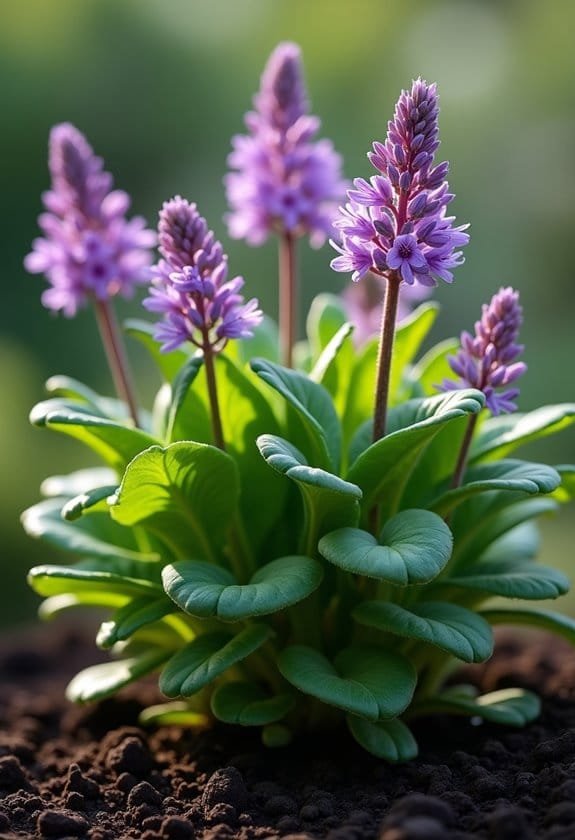
In caring for Limonium platyphyllum, gardeners should focus on nurturing ideal growing conditions and fostering healthy development.
Ensuring the plant receives full sun and well-drained, fertile soil sets the foundation for vigorous growth, while regular pruning and fertilization during the growing season enhance its blooming potential. Additionally, selecting compatible plant companions not only supports local biodiversity but also creates a vibrant garden ecosystem, enriching the overall gardening experience. Incorporating drought-tolerant plants can complement Limonium platyphyllum, ensuring a resilient garden that thrives in challenging conditions.
Planting Tips
When planting Limonium platyphyllum, it's important to create an environment that mimics its natural habitat. This plant flourishes in full sun, so site selection is vital; choose a location that receives at least six hours of sunlight daily.
Soil preparation involves ensuring a moist, well-drained, and fertile substrate, as Limonium platyphyllum tends to suffer from root rot in poorly drained soils. Therefore, incorporating organic matter like compost can enhance drainage and fertility.
Utilizing proper planting techniques, gardeners should sow seeds in spring or consider division for established plants. However, division is more challenging and requires careful handling to avoid damaging the roots. Space seedlings or divisions adequately, ideally about 12-18 inches apart, allowing sufficient air circulation to help prevent crown rot, a common issue with dense plantings.
Once established, this hardy species exhibits drought tolerance, reducing the need for excessive watering during arid periods. Additionally, cutting back the plant after flowering not only promotes overall health but also encourages vigorous new growth for the subsequent blooming season, ensuring your Limonium platyphyllum will thrive beautifully for years to come.
Ongoing Care
Establishing Limonium platyphyllum lays the groundwork for its ongoing care, which assures robust growth and vibrant blooms. To guarantee ideal performance, this plant should bask in full sun exposure, particularly during the summer months.
Regular watering during dry spells is significant, as it establishes the plant's drought tolerance over time. Adhering to a consistent fertilization schedule enhances the soil's fertility, fostering lush foliage and abundant flowers.
Employing effective pruning techniques is essential; cutting back Limonium platyphyllum after flowering not only encourages healthier growth but also readies the plant for its next blooming cycle.
Seasonal adjustments, including the timing of watering and fertilization, can make a significant difference in overall health.
Dividing the plant every few years alleviates overcrowding and stimulates vigorous growth, although it's worth noting that this practice can be more intricate compared to simple seed propagation.
Finally, while the plant adapts well to various soil types, guaranteeing well-drained conditions is crucial for its long-term health. By implementing these care strategies, gardeners can enjoy a thriving display of this resilient perennial.
Suggested Companions
Regularly pairing Limonium platyphyllum with other drought-tolerant plants creates a stunning and low-maintenance garden. For example, companion plantings including lavender, sedums, and ornamental grasses not only complement the vibrant display of broad-leaved statice but also enhance its drought tolerance. Additionally, the robust root system of plants like Pyracantha coccinea can help stabilize soil, contributing to overall garden health.
Selecting companions that thrive in full sun and well-drained soil guarantees peak growth and prevents competition for resources.
Incorporating pest deterrence strategies can greatly boost garden health. Planting Limonium alongside herbs like thyme offers beneficial ground cover while repelling unwanted pests, establishing a mutually supportive ecosystem.
Careful attention to root systems is essential; companions with non-competing roots improve soil aeration and nutrient uptake, supporting flourishing plant interactions. This is particularly important for plants like Pyracantha that can adapt to various ground conditions.
To maintain the beauty and liveliness of the garden, regular pruning post-flowering is necessary. This practice encourages new growth and prevents overcrowding, allowing all plants to thrive.
By thoughtfully combining Limonium platyphyllum with suitable companions, gardeners can cultivate a robust, vibrant landscape that requires minimal upkeep yet rewards them with rich colors and textures throughout the seasons. Additionally, pairing with plants like Orpine can improve drought resistance due to their specialized water-storing tap roots, enhancing the overall resilience of the garden.
Consequently, strategic partnerships in planting not only elevate aesthetics but create resilient and harmonious green spaces.
Common Issues
Limonium platyphyllum faces several common issues that can impact its health and aesthetic appeal.
While it generally thrives, pests like aphids may occasionally appear, emphasizing the importance of vigilant monitoring to prevent infestations that could detract from its vibrant display.
Additionally, plant enthusiasts should be wary of root rot, which can arise in poorly drained soils, necessitating careful attention to drainage and watering practices to guarantee robust growth.
Pests/Diseases
Gardeners often find Limonium platyphyllum to be a resilient plant, as it typically faces very few pest issues. This species boasts commendable resistance to the most common diseases, making it a low-maintenance option for a variety of gardens.
However, it can occasionally suffer from root rot, particularly in poorly drained soils. Implementing preventive measures, such as ensuring well-draining soil, can greatly mitigate this risk.
Additionally, good air circulation around the plant is essential for disease management, particularly to prevent crown rot, which arises in overly humid conditions. Gardeners should utilize effective monitoring techniques, regularly checking for signs of disease or pest damage. Early detection is critical, as it allows for swift intervention, preserving the plant's vitality.
Moreover, practicing proper watering techniques, specifically avoiding over-watering, reinforces the plant's resilience. By maintaining appropriate soil drainage and being vigilant about environmental conditions, gardeners can greatly reduce the likelihood of disease afflicting Limonium platyphyllum.
With these careful precautions in place, this robust plant can thrive, offering beauty and joy in any garden setting without undue worry over pests or diseases.
Solutions
To guarantee Limonium platyphyllum thrives in a garden setting, addressing common issues proactively is key. One of the frequent growing challenges this hardy plant faces is root rot, which arises when planted in poorly drained soils. Confirming adequate drainage is vital; gardeners should consider using raised beds or amending the soil with sand to improve aeration.
While Limonium platyphyllum is drought-tolerant once established, overwatering can be detrimental. Gardeners should allow the soil to dry between watering sessions to maintain peak health.
Seasonal care includes cutting back spent flowers, which not only encourages additional blooms but also maintains the plant's vigor throughout the growing season.
Although pests are seldom a significant issue, monitoring for any signs of distress, such as wilting or discoloration, remains critical. Additionally, confirming good air circulation helps mitigate the risk of root rot.
If overcrowding occurs, dividing the plant every few years can enhance growth—providing it with sufficient nutrients and sunlight. By prioritizing effective soil management and general seasonal care, gardeners can guarantee their Limonium platyphyllum flourishes beautifully in their landscapes.
Summary
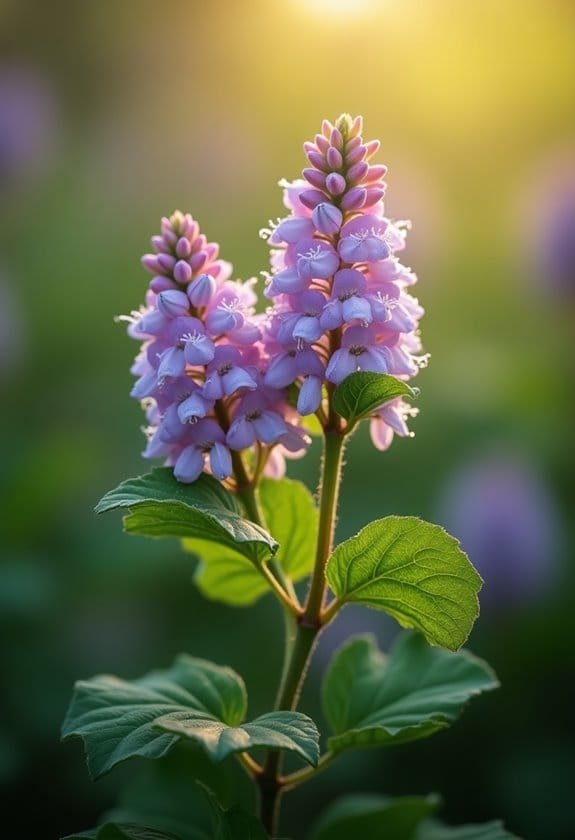
Often recognized for its striking appearance, Broad-Leaved Statice, or Limonium platyphyllum, is a deciduous perennial that can grow up to 1 meter tall and spread 50 cm wide. Sporting dark green, leathery ovate leaves, this plant produces tubular flowers arranged in loose panicles, primarily blooming in summer.
Thriving in well-drained, fertile soil and full sun, Limonium platyphyllum demonstrates drought tolerance once established, making it suitable for various climates, particularly in USDA hardiness zones 3a to 9b.
Its ecological significance lies in its ability to benefit biodiversity within gardens, as it attracts a variety of pollinating insects, including bees and butterflies. This attraction enhances not only the ecological balance but also the landscape aesthetics, providing colorful late-season blooms that enliven garden settings.
Broad-Leaved Statice's tolerance to maritime conditions allows it to flourish in coastal areas, reinforcing its role as a robust ground cover plant. By incorporating this perennial into gardens, one can create visually appealing environments while simultaneously supporting local ecosystems.