*Lobularia maritima*, or Sweet Alyssum, is a charming, low-maintenance plant revered for its fragrant, delicate blooms in white, pink, and lavender hues. Typically reaching 3 to 9 inches in height and spreading up to 12 inches, it thrives in USDA zones 5-11, preferring full sun and well-drained soil. Sweet Alyssum plays a crucial ecological role, attracting essential pollinators like bees and butterflies, thereby fostering garden biodiversity. With its carpet-like growth and prolonged blooming season, it enhances any landscape considerably. Proper care includes regular deadheading and monitoring for pests, ensuring vibrant, healthy blooms. Discovering its many varieties adds further delight.
Main Points
- *Lobularia maritima*, or Sweet Alyssum, is a low-growing plant known for its fragrant, dense clusters of small flowers in white, pink, and lavender.
- This plant thrives in USDA hardiness zones 5-11, preferring full sun and well-drained, moderately fertile soil.
- Sweet Alyssum attracts beneficial pollinators like bees and butterflies, enhancing biodiversity in garden ecosystems.
- Regular maintenance includes deadheading and monthly fertilizing to promote blooming and bushy growth.
- Varieties such as "Snow Princess" are heat-tolerant, making Sweet Alyssum versatile for various climates and garden settings.
Introduction
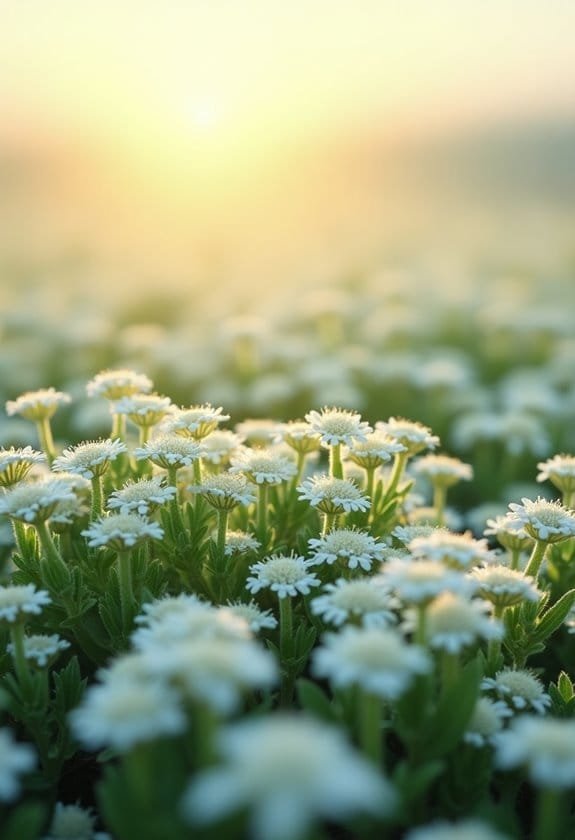
Sweet alyssum, scientifically referred to as *Lobularia maritima*, presents an exquisite addition to gardens worldwide.
This charming, low-growing plant, reaching heights of just 3 to 9 inches, showcases delicate flowers in shades of white, pink, and lavender that emit a delightful, honey-like fragrance, attracting benevolent pollinators.
As a resilient ground cover, it not only enhances visual appeal but also effectively suppresses weeds, making it a favored choice for a diverse range of garden designs.
Common Name
Known for its delightful fragrance and charming appearance, the common name "Sweet Alyssum" refers to *Lobularia maritima*, a flowering plant celebrated for its dense clusters of small, colorful blooms.
These fragrant flowers mainly showcase shades of white, with some mesmerizing varieties featuring pink or lavender hues, inviting admiration from both gardeners and passersby alike. This appealing plant typically grows between 3 to 9 inches tall, making it an exceptional choice for ground cover, beautifully carpeting gardens and pots alike.
Sweet Alyssum's sweet aroma and vibrant blooms also attract pollinators, including delightful bees and butterflies, enhancing local biodiversity.
Beyond its beauty, the name "alyssum" draws from Latin origins, historically associated with a remedy for "lack of madness," reflecting its significance in ancient herbal practices.
In contemporary gardens, Sweet Alyssum offers not only aesthetic joy but also ecological benefits, functionally supporting essential pollinator populations.
As it flourishes, *Lobularia maritima* weaves itself into the fabric of our landscapes, embodying the harmony between nature's artistry and functional gardening.
This dual role underscores the multifaceted value of Sweet Alyssum, inviting both beauty and purpose into various cultivation settings.
Scientific Name
The scientific nomenclature for Sweet Alyssum is *Lobularia maritima*, a name that reveals much about the plant's characteristics and habitat.
"Lobularia" derives from Greek, meaning "small pod," which references the distinctive shape of its fruit. The species name, *maritima*, indicates a preference for coastal habitats and highlights its origins in the Mediterranean regions. This plant typically thrives in sandy, well-drained soils, allowing it to flourish in various landscapes.
As a member of the mustard family (Brassicaeae), *Lobularia maritima* shares a lineage with other cruciferous plants, such as mustards and cabbages, accentuating its botanical significance.
Gardeners often appreciate this low-growing annual or short-lived perennial for its mat-forming growth habit, which creates a colorful carpet of tiny, delicate flowers.
Historically, the genus name Alyssum was associated with the ancient notion of "lack of madness," linked to its use in treating ailments like rabies.
Consequently, the scientific classification of Sweet Alyssum not only encapsulates its physical traits but also reflects its cultural and medicinal history, enriching the understanding of this charming plant.
Overview
A charming addition to any garden, *Lobularia maritima*, commonly referred to as Sweet Alyssum, boasts a mesmerizing display of tiny, fragrant flowers. Native to the Mediterranean, this low-growing plant flourishes across USDA hardiness zones 5-11, spreading rapidly with its carpet-like appearance.
Sweet Alyssum features lovely, four-petaled blooms that densely cluster, primarily in shades of white, but also presenting delicate pink or lavender variations, all exuding a sweet, honey-like scent.
Growing to an impressive height of 3-9 inches, Sweet Alyssum thrives in well-drained soil, requiring moderate fertility to reach its full capability. While it prefers full sun for ideal blooming, it can gracefully adapt to partial shade, particularly in warmer regions.
Regular watering is essential to maintain consistent moisture, ensuring vibrant blooms throughout its long flowering period, which typically lasts from spring until the first frost. Gifted with a remarkable ability to self-seed, this perennial creates a stunning tapestry of color that delights gardeners year after year.
Consequently, Sweet Alyssum not only enhances garden aesthetics but also contributes to a vibrant ecosystem, attracting pollinators and enriching the landscape.
Key Features
Sweet alyssum, known scientifically as *Lobularia maritima*, exhibits a compact growth size that ranges from 3 to 9 inches in height and can spread up to 12 inches wide.
This low-growing perennial showcases dense clusters of delicate, four-petaled flowers, primarily white, which emit a delightful, honey-like fragrance that naturally attracts pollinators.
With its year-round blooming capacity in favorable conditions, particularly peaking between June and October, sweet alyssum serves as an excellent choice for those seeking continuous color in garden spaces.
Growth Size
With a typical height of 3 to 9 inches, sweet alyssum forms a low-growing carpet-like display that enhances garden aesthetics. This growth size allows the plants grown to cover ground quickly and effectively, reaching a spread of 8 to 12 inches.
As an annual or short-lived perennial, sweet alyssum demonstrates remarkable adaptability, flourishing in various conditions.
Mature plants exhibit a height range of 5 to 30 cm, or approximately 2 to 12 inches, depending on their environment, leading to potential variations in emerging patterns.
Specifically, cultivars like the Snow Princess® showcase the potential for greater dimensions, attaining heights up to 8 inches and spreading an impressive 24 inches, cascading elegantly over garden borders.
During peak blooming periods, the dense clusters of tiny flowers, each measuring around 5 mm in diameter, often fully obscure the foliage, creating a breathtaking spectacle reminiscent of a whimsical "Carpet of Snow."
Such abundant blooming not only enhances beauty but also attracts pollinators, making sweet alyssum a valuable addition to any garden.
Appearance
Three to ten inches tall, sweet alyssum showcases a low-growing, mat-forming growth habit that creates a stunning carpet of blooms in gardens. Its flowers, small and delicate, typically measure about 5 mm in diameter and are four-petaled, densely clustered in charming racemes. This design amplifies their beauty, inviting attention from nearby visitors and pollinators alike.
The vibrant color palette of sweet alyssum includes shades of white, pink, lavender, and purple, enhancing the visual appeal of any landscape. These colors not only attract the eye but also contribute considerably to the biodiversity of the garden, as the flowers emit a sweet, honey-like fragrance, which entices bees and butterflies. Such interactions foster an ecosystem rich in life.
The foliage of sweet alyssum consists of small leaves, ranging from 1 to 4 cm long, often elegantly cloaked by the overabundance of flowers during blooming periods. This lush appearance contributes to a vibrant aesthetic in garden settings.
Gardeners appreciate sweet alyssum not only for its visual charm but also for its ability to create inviting spaces filled with the delightful fragrance of its abundant blooms.
Flowering Season
Blooming from early spring to late fall, sweet alyssum (Lobularia maritima) offers an impressive display of color and fragrance throughout its flowering season. In many regions, this perennial plant showcases its beauty from April until November, with a peak blooming period spanning June to October.
Each flowering season, sweet alyssum produces dense clusters, known as racemes, of tiny four-petaled flowers that not only captivate the eye but also emit a delightful aroma.
While the blooms are mainly white, they can also manifest in soft shades of pink and lavender, adding variety to garden compositions. During the late spring and summer months, these extended blooms fully obscure the plant's foliage, creating a stunning visual impact that attracts pollinators such as bees and butterflies.
In milder climates, these resilient flowers can even provide year-round displays. The remarkable longevity of sweet alyssum's blooms guarantees sustained color in garden landscapes, enhancing aesthetic appeal while fostering a habitat for beneficial insects.
Consequently, gardeners can rely on sweet alyssum to provide vibrant, fragrant embellishments from season to season.
Growing Requirements
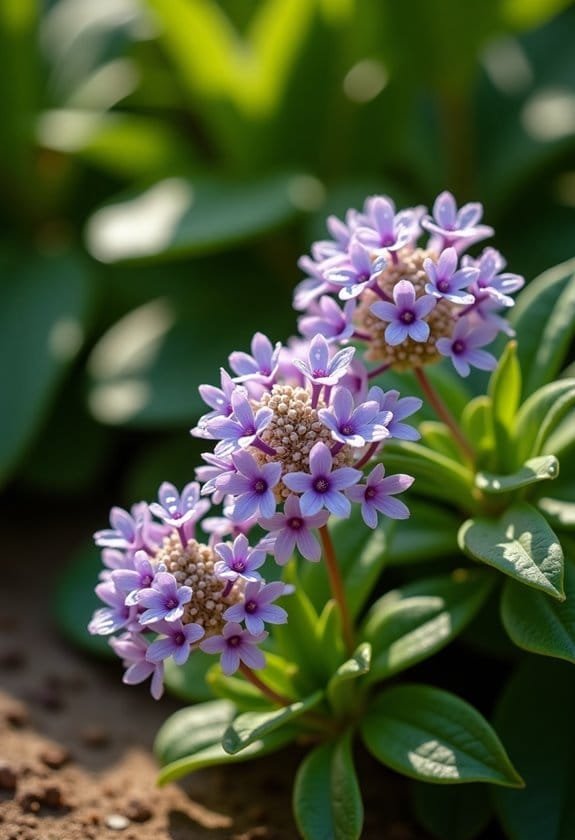
Sweet alyssum flourishes under specific growing conditions that greatly influence its health and blooming potential.
It requires well-drained, moderately fertile soil to encourage root development, while light preferences vary between full sun in cooler climates and partial shade in hotter areas.
Adequate moisture is essential, as regular watering sustains its vibrant display, making it vital for gardeners to balance hydration and soil drainage.
Light
Alyssum's success in a garden largely hinges on its light requirements. This charming plant thrives in full sun, necessitating a minimum of six hours of direct sunlight each day to flourish in the best way possible. In cooler climates, sweet alyssum should ideally be positioned in full sun to achieve robust growth.
However, in hotter regions, providing partial shade during the afternoon can considerably alleviate stress, protecting the delicate blooms from the intense heat.
While sweet alyssum demonstrates a remarkable adaptability to varying light conditions, consistent low light exposure can lead to adverse effects. Specifically, this can result in spindly growth and a noticeable reduction in flowering.
Ideally, gardeners should select locations with ample air circulation and abundant sunlight, ensuring that the plant receives the daily light it craves.
Planting sweet alyssum in environments where it can bask in the sun not only enhances its vibrant colors but also boosts its resilience against pests and diseases.
Therefore, understanding and accommodating the light needs of sweet alyssum is essential for achieving a flourishing, visually enchanting garden display. A little attention to these lighting conditions can transform any landscape into a vibrant tapestry of blooms.
Soil
Creating a thriving environment for sweet alyssum goes beyond just providing the right amount of sunlight; soil quality also plays an important role in its growth.
Sweet alyssum flourishes best in well-drained soil that's moderately fertile. While this adaptable plant can tolerate average soil conditions, it truly thrives in sandy or loamy substrates, which offer excellent moisture retention yet prevent waterlogging.
Preferred soil pH ranges from neutral to slightly alkaline, as overly acidic conditions can impede growth. It's essential to maintain a balance in nutrient levels; heavy fertilization can encourage excessive foliage, often at the expense of flowering. A moderate approach, featuring nutrient levels that nourish without overwhelming, yields best performance.
Moreover, consistent moisture is critical for sweet alyssum's success. Though the plant endures short periods of dryness, prolonged drought can greatly impact its blooming ability, leading to a somewhat lackluster display of flowers. Additionally, ensuring well-drained soil can prevent issues like powdery mildew, which affects various plants, including sweet alyssum.
To foster healthy plants that produce abundant blooms, gardeners must pay careful attention to soil quality, ensuring it remains well-drained yet capable of retaining necessary moisture—ultimately creating a nurturing environment where sweet alyssum can flourish magnificently.
Water
For ideal growth, sweet alyssum needs consistent moisture, typically requiring about one inch of water per week. This is particularly important during dry spells, as the plant thrives and maintains its vibrant blooms only with sufficient hydration.
While sweet alyssum can tolerate short periods of drought once established, regular watering in the initial weeks after planting is essential for peak growth. Additionally, like Wild Thyme and other drought-tolerant plants, sweet alyssum benefits from careful water management.
Overwatering, however, should be avoided; sweet alyssum prefers well-drained soil, as waterlogged conditions can result in root rot. As a result, gardeners must monitor their watering practices closely.
A systematic approach to irrigation during the plant's active growing season greatly benefits its health, particularly for those cultivated in containers, where the soil tends to dry out more quickly.
Adjusting water frequency and quantity based on environmental conditions is equally important. Factors such as humidity and temperature play significant roles in determining how much moisture sweet alyssum requires.
Therefore, a gardener's attentive observation and willingness to adapt can lead to flourishing plants, showcasing the delicate balance between moisture levels and the overall health of this charming, fragrant flower. Additionally, like rowan trees, sweet alyssum contributes to supporting local ecosystems through its role in attracting pollinators.
Temperature
Sweet alyssum flourishes in a range of temperate climates, thriving best in USDA hardiness zones 5-11. This adaptability allows sweet alyssum to be cultivated in varied environments, provided the temperature conditions align with its preferences. The plant favors cooler temperatures, peaking in growth during the spring and fall months when the climate tends to be mild and inviting. Ideally, daytime temperatures hovering between 60°F to 75°F (15°C to 24°C) facilitate optimal development, while nighttime temperatures around 50°F (10°C) contribute substantially to its well-being.
Additionally, sweet alyssum exhibits frost-tolerant characteristics; established specimens can bounce back from light frost, enabling gardeners to plant them early in the spring.
However, it's essential to monitor temperature extremes, as excessive heat can stress sweet alyssum, resulting in wilting and heightened vulnerability to pests like aphids. In hotter regions, providing afternoon shade becomes essential for maintaining plant health.
Pollinator Criteria
Sweet alyssum captivates a variety of pollinators, particularly bees and butterflies, drawn in by its sweet aroma and accessible, four-petaled flowers.
This plant employs a specific pollination method where visitors collect nectar while simultaneously transferring pollen, thereby enhancing fertilization rates. Great Willowherb, which also attracts pollinators, demonstrates the importance of floral characteristics in enhancing pollinator visitation.
With its long blooming period and resilience in diverse environments, sweet alyssum consistently supports the essential roles of these pollinators, weaving a beautiful tapestry of ecological interdependence in any garden setting. Additionally, sweet alyssum provides a vitally rich nectar source for pollinators, similar to the role played by Birds Foot Trefoil.
Attracted Pollinators
How does sweet alyssum attract a diverse array of pollinators? The allure of sweet alyssum, or Lobularia maritima, lies in its enchanting, honey-like fragrance, which beckons a wide range of beneficial insects, particularly bees and butterflies. Each small, four-petaled flower offers easy access to nectar, creating an ideal feeding ground that captivates pollinators. This design not only aids the pollination process of nearby plants but also guarantees that pollinators visit repeatedly, fostering a rich ecosystem.
With its long blooming period—which may extend year-round in mild climates—sweet alyssum serves as a trustworthy source of food, sustaining various pollinators throughout the seasons. Additionally, Echinops species, known for their spherical flower heads, also attract a multitude of pollinators, further enhancing biodiversity in gardens. Notably, many vibrant yellow flowers in nearby plants, like Creeping Jenny, also contribute to attracting beneficial insects due to their abundant nectar.
The dense clusters of flowers not only present a striking visual display, enhancing garden aesthetics, but also contribute substantially to attracting these essential creatures. Additionally, the plant thrives in a variety of conditions and demonstrates remarkable drought resistance, solidifying its role as a consistent nectar source in diverse ecosystems.
Therefore, sweet alyssum not only supports local pollinator populations but also plays a critical role in maintaining the health and vigor of broader environmental systems.
Pollination Method
Attracting a variety of pollinators, sweet alyssum employs several effective strategies to guarantee successful pollination. The small, four-petaled flowers of Lobularia maritima release a sweet, honey-like fragrance that draws an array of bees and butterflies, crucial contributors to pollination efficiency.
Arranged in dense racemes, these flowers provide a sprawling surface area for pollinators to land and feed, optimizing interaction.
Sweet alyssum's remarkable blooming duration, which can last year-round in mild climates, guarantees that pollinators find a consistent and abundant food source throughout multiple seasons. This ecological synergy is further enhanced by the plant's self-seeding capability, allowing it to persist in gardens over time.
As the flowers bloom and obscure the foliage, their visibility increases, facilitating insect activity and efficient pollen transfer.
The abundant nectar offerings and strategic floral architecture ultimately create a thriving environment for pollinators. This mutual relationship not only bolsters sweet alyssum's reproductive success but also fosters biodiversity, as these insects play an essential role in diverse ecosystems.
Consequently, sweet alyssum stands out not only for its beauty but also for its significant contributions to garden ecology.
Care & Maintenance
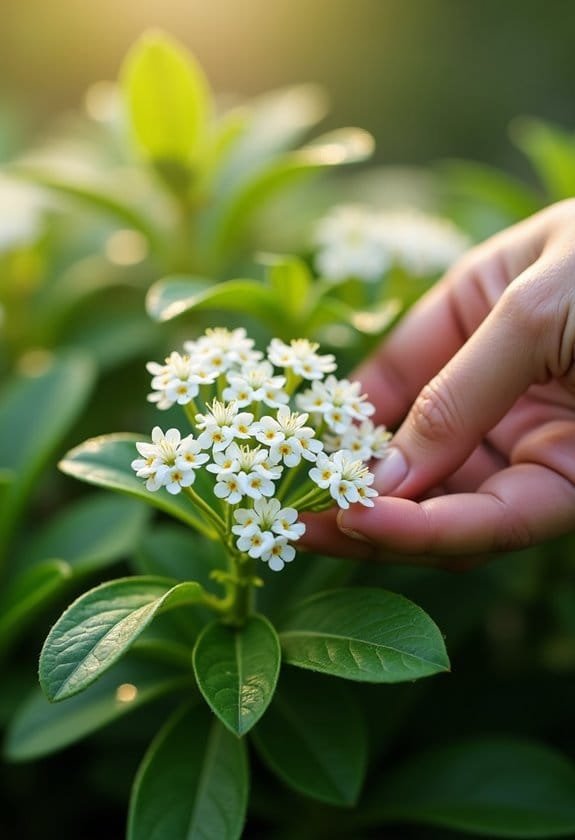
To verify sweet alyssum flourishes, proper care and maintenance are essential.
This lovely plant thrives in well-drained, moderately fertile soil and needs about one inch of water weekly, particularly during dry spells.
Planting Tips
When planting sweet alyssum, gardeners should assure well-drained, moderately fertile soil and space the plants about 6 inches apart. This spacing allows ideal airflow, reducing the risk of disease while promoting healthy growth.
To further enhance the appearance, regular deadheading is crucial; this practice encourages continuous blooming by preventing the plants from becoming leggy, guaranteeing that their vibrant white, purple, or pink flowers remain abundant throughout the season.
Gardeners should also prune back the plants by half in midsummer, a technique that can stimulate bushier growth and the development of new buds, enhancing the visual appeal.
For container-grown sweet alyssum, it's important to incorporate monthly feedings with a balanced fertilizer. However, they must tread lightly—over-fertilization can lead to excessive foliage, detracting from the blooms' beauty.
Consistent moisture is another significant factor for sweet alyssum's thriving. Providing approximately one inch of water per week guarantees that the plants remain healthy, especially during dry spells.
Ongoing Care
Ongoing care for sweet alyssum is fundamental to guarantee vibrant blooms and healthy growth throughout the season. Regular deadheading of spent flowers not only encourages continual flowering but also prevents the plants from becoming leggy, promoting a tidy and compact appearance.
To sustain their vigor, monthly feeding with a balanced fertilizer is particularly beneficial for container-grown varieties; however, in-ground plants may only require this treatment if the soil is poor.
Consistent moisture is essential, as sweet alyssum thrives in slightly moist conditions. Regular watering during dry spells will help maintain this balance, ensuring the flowers flourish. Additionally, pruning back the plants by half during the summer can stimulate fresh growth, further enhancing their overall visual appeal.
It's important to remain vigilant for common pests such as aphids, which can compromise plant health. Addressing drainage issues is crucial to prevent wilting and other stress signs that may arise from excess water retention.
Suggested Companions
Sweet alyssum makes a fantastic addition to any garden by complementing a variety of plants through its vibrant blooms and ability to attract beneficial insects.
As an ideal ground cover, sweet alyssum pairs beautifully with early spring bulbs like daffodils and tulips, enhancing their visual appeal while effectively suppressing weed growth.
In vegetable gardens, this versatile plant serves as an exceptional companion plant alongside tomatoes and peppers, drawing beneficial insects such as ladybugs, which naturally control aphids and other pests.
Sweet alyssum also thrives next to taller ornamental flowers like roses and sunflowers, creating a layered texture that enriches the garden's visual depth and interest.
Herb gardens benefit considerably from sweet alyssum's presence, as it complements plants like basil, oregano, and thyme, drawing pollinators and fostering overall biodiversity within the ecosystem.
To keep sweet alyssum at its bushy best, regular deadheading and occasional trimming promote new blooms, ensuring it remains a vibrant partner to surrounding flora.
With such diverse companions, sweet alyssum stands out as a valuable asset, enhancing both aesthetics and ecological health in any garden setting.
Common Issues
Sweet alyssum, while generally resilient, can encounter specific challenges that affect its health and appearance.
Aphids, attracted to stressed plants, may compromise growth if not addressed promptly, while wilting indicates potential issues with soil drainage or extreme heat, both of which hinder vigor.
Additionally, symptoms like yellowing leaves and curling flowers often reveal underlying problems, urging gardeners to adjust their care routines to safeguard these charming blooms.
Pests/Diseases
Maintaining vibrant sweet alyssum plants requires vigilance against specific pests and diseases, even though they're generally resistant. Occasionally, aphids may appear, especially under stressed conditions such as poor soil quality or inadequate water supply, necessitating early intervention. These small, soft-bodied insects can quickly infest and weaken plants, so monitoring is crucial for management.
Another concern is powdery mildew, a fungal disease that tends to thrive in humid conditions or overcrowded plantings. This fungus presents as a white, powdery coating on leaves, indicating that good air circulation is essential for prevention. Overhead watering can exacerbate this issue, potentially leading to increased humidity.
Moreover, wilting in sweet alyssum often stems from poor soil drainage or exposure to extreme heat, highlighting the significance of maintaining well-drained soil to handle excess moisture.
Cyclamen mites can also pose a threat, indicated by curling and distorted flowers. Finally, yellowing leaves frequently signal temperature stress or nutrient deficiencies, further underscoring the need for attention to soil quality and environmental conditions.
Understanding these common pests and diseases guarantees robust growth and blooming beauty in sweet alyssum gardens.
Solutions
Addressing common issues with sweet alyssum involves a proactive approach to guarantee healthy growth and vibrant blooms. One frequent concern is poor soil drainage, which can manifest as wilting or yellowing leaves. To remedy this, gardeners should assess their soil's texture and structure, amending it to promote better drainage and continuous nutrient availability. Comfrey's deep-rooted system can serve as a natural means of improving soil health and preventing waterlogging around other plants.
Light feeding with a balanced fertilizer can also address nutrient deficiencies without exacerbating issues.
Over-fertilizing is another common pitfall for sweet alyssum, particularly in well-drained soils. It leads to excessive foliage production at the expense of blooms, diluting the plant's aesthetic appeal. To counteract this, gardeners should focus on moderation in fertilization practices.
Additionally, regular deadheading of spent blooms is essential, as this encourages further flowering and maintains a bushier plant shape. Heather is known for its low-maintenance characteristics, which can inspire gardeners to incorporate similar resilient plants alongside sweet alyssum for a diverse landscape.
Through consistent attention to these practices, such as pruning back in winter for cold protection, sweet alyssum can thrive, exhibiting its enchanting splendor season after season.
Introducing natural predators, like ladybugs, can further aid in pest management, creating a balanced and healthy garden ecosystem that enhances the beauty of sweet alyssum.
Summary
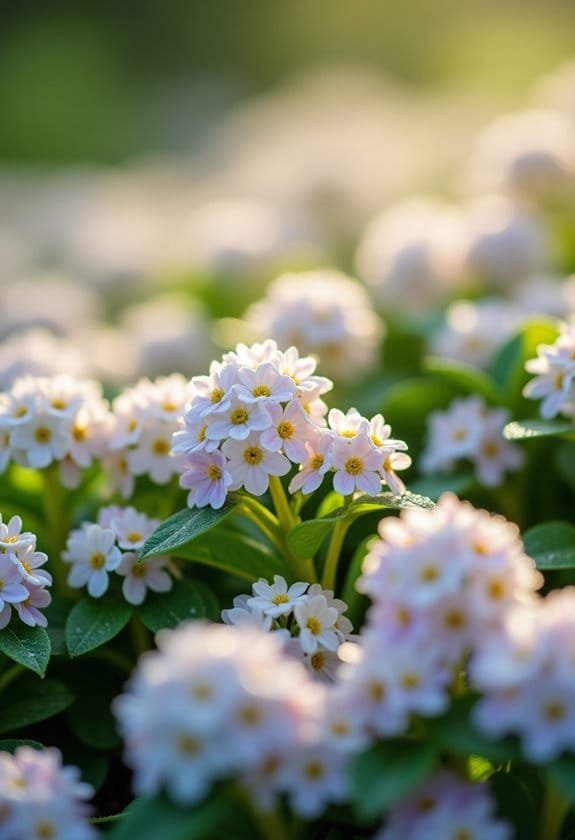
Why is sweet alyssum (*Lobularia maritima*) a popular choice among gardeners? This mat-forming annual or short-lived perennial captivates with its dense clusters of tiny, four-petaled flowers, which can bloom in hues of white, pink, purple, or lavender.
Reaching heights of 3 to 12 inches, sweet alyssum boasts a long blooming period, often exuding a delightful, honey-like fragrance that entices pollinators year-round, especially in mild climates.
Gardeners appreciate its adaptability, as sweet alyssum thrives in well-drained soil, favoring full sun or partial shade. Regular watering during dry spells promotes peak growth and bloom.
Among its notable cultivars, the heat-tolerant *Snow Princess* can achieve heights of 8 inches and a stunning spread of 24 inches, while the compact *Easter Bonnet Series* offers pastel blooms with a height of just 2 inches.
The plant's attributes extend beyond aesthetics; as a prolific pollinator attractor, it serves as effective ground cover and demands relatively low maintenance.
Once established, sweet alyssum demonstrates resilience, thriving even under drought and seaside conditions. For these reasons, it remains a cherished element in diverse garden designs, providing both beauty and environmental benefits.