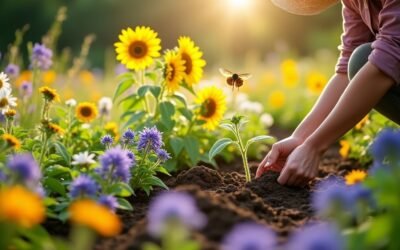
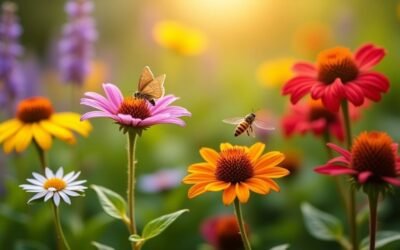
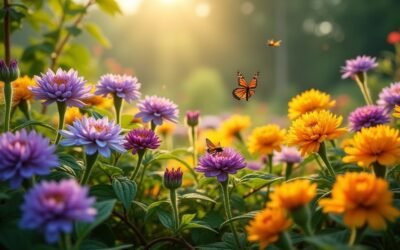
*Lonicera periclymenum*, or Common Honeysuckle, is a beautiful climbing plant within the Caprifoliaceae family, renowned for its fragrant, tubular flowers that bloom from April to June. Growing between 10-20 feet, it thrives in moist, well-drained soils with at least 6 hours of sunlight daily. This plant attracts vital pollinators, such as bees and butterflies, enhancing local biodiversity while offering bright red berries that nourish birds. Regular pruning, good air circulation, and monitoring for pests are essential maintenance practices, as is caution regarding its toxicity to pets and children. For enthusiasts, more intriguing details await further exploration.
Main Points
- *Lonicera periclymenum*, or Common Honeysuckle, features tubular flowers that bloom from April to June, attracting various pollinators.
- It grows 10-20 feet tall and thrives in moist, well-drained soils with full sun to partial shade.
- The plant offers ecological benefits, providing food for birds through red berries and serving as a host for butterfly larvae.
- Care includes regular monitoring for pests, pruning after blooms, and ensuring proper drainage to prevent diseases like mildew.
- Both foliage and fruit are toxic, necessitating precautions to keep children and pets away from the plant.
Introduction
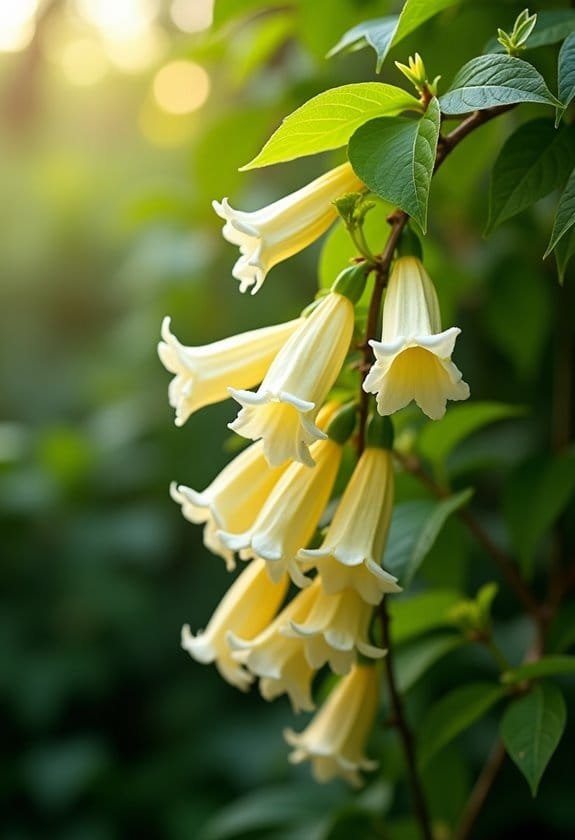
Lonicera periclymenum, widely recognized as Common Honeysuckle, stands out as a deciduous twining vine native to the UK.
This remarkable plant thrives in diverse environments like woodlands and hedgerows, reaching impressive heights of 10-20 feet while showcasing its vibrant, fragrant flowers.
Its ecological significance is profound, as it attracts important pollinators and serves as a crucial food source for various wildlife. Additionally, the plant's bright red berries provide nourishment for birds, enhancing biodiversity in the area.
Common Name
Commonly known as Honeysuckle, Lonicera periclymenum enchants with its sweet nectar that attracts a variety of pollinators, including bees and moths.
Also called Common Honeysuckle, European Honeysuckle, or Woodbine, this remarkable plant is native to the UK, where it stands as one of the nation's two indigenous honeysuckles. The term "honeysuckle" originates from the delightful sweetness of its nectar, which captivates both insects and gardeners alike.
While some may refer to Common Honeysuckle as bindweed, it's crucial to distinguish it from invasive varieties that can choke native plants.
This deciduous twining vine boasts fragrant flowers that bloom in spring and intermittently throughout summer, enhancing gardens and landscapes with their visual appeal and aromatic charm.
The honeysuckle's growth habit allows it to climb gracefully over trellises and fences, creating a living tapestry of greenery.
Ultimately, the allure of Common Honeysuckle transcends its enchanting name, making it a valued addition to any garden—inviting not only pollinators but also gardeners enthusiastic to relish its beauty and fragrance.
Scientific Name
The scientific nomenclature of Common Honeysuckle, Lonicera periclymenum, reflects its botanical heritage and distinctive characteristics. This species, belonging to the Caprifoliaceae family, was first described by the esteemed botanist Carl Linnaeus in 1753. The name "Lonicera" pays tribute to the German botanist Adam Lonicer, while "periclymenum" evokes the plant's climbing and twining growth habit, marking its behavior in landscapes and gardens.
Lonicera periclymenum thrives in woodlands and hedgerows, showcasing remarkable adaptability to diverse soil types, from sandy to loamy compositions. Its luscious, fragrant, tubular flowers bloom from spring to summer, providing visual delight and enticing various pollinators, such as bees and butterflies.
The plant typically reaches heights of 10 to 20 feet, encircling supports with elegant coils, creating a living tapestry in the natural environment.
Beyond its aesthetic value, Lonicera periclymenum plays a fundamental role in local ecosystems, fostering biodiversity and serving as a food source for birds and other wildlife. Understanding this scientific identity enhances appreciation for the Common Honeysuckle, promoting informed gardening and conservation efforts across its native regions.
Overview
A enchanting addition to any garden, Lonicera periclymenum—often referred to as Common Honeysuckle—offers both beauty and ecological benefits.
This deciduous twining vine can achieve impressive heights of up to 23 feet, making it a striking focal point for any landscape. Thriving in moist, well-drained soils, it prefers dappled sunlight, where its roots bask in shade while its shoots stretch towards the heavens.
During spring and summer, Lonicera periclymenum showcases fragrant, tubular flowers measuring between 1 to 3 inches, attracting an array of pollinators such as long-tongued bees and moths, crucial for maintaining biodiversity.
As autumn approaches, the vine bears bright red berries, which, while visually appealing and enticing to birds, are toxic if ingested by humans or pets.
Valued for its ecological significance, this honeysuckle supports local wildlife by providing essential habitat and food sources. Its vigorous growth and delightful blooms enhance garden aesthetics, creating a harmonious blend between nature and cultivated beauty.
Ultimately, Lonicera periclymenum serves not just as a decorative element but also as a crucial contributor to the ecosystem, enriching both gardens and surrounding environments.
Key Features
Lonicera periclymenum showcases impressive growth characteristics, reaching heights of 10 to 20 feet while spreading 3 to 6 feet wide.
Its striking appearance, highlighted by fragrant tubular flowers that shift from ivory to yellow with purple overtones, adds a unique appeal to any garden setting.
Blooming primarily in spring and sporadically throughout the summer, these vine-like plants not only beautify landscapes but also serve essential ecological roles by attracting various pollinators and supporting local wildlife.
Growth Size
Reaching impressive heights between 10 to 20 feet (3 to 6 meters) and widths of 3 to 6 feet (1 to 1.8 meters), Common Honeysuckle stands out in gardens and natural landscapes.
This deciduous twining vine showcases a vigorous growth habit, making it an excellent choice for adding vertical interest to any setting. With the ability to trail up to 10 feet (3 meters), it effectively climbs, intertwining with structures or neighboring plants.
Common Honeysuckle thrives under specific conditions—its roots prefer shade, while its flowering tops flourish in full sun or light shade. This adaptability allows it to occupy a variety of ecological niches.
However, it does require substantial spacing of 5 to 6 feet (1.5 to 1.8 meters) to accommodate its extensive growth without overcrowding neighboring plants, ensuring a healthy and aesthetically pleasing arrangement.
Once established, this resilient plant exhibits remarkable drought tolerance, emphasizing its capability to endure in diverse environments.
As it develops, Common Honeysuckle not only brings beauty to the landscape but also serves as a habitat for various pollinators, enhancing biodiversity in its surroundings. Such qualities make it a valued addition to any garden enthusiast's collection.
Appearance
With deep green, oval leaves arranged in opposite pairs, Common Honeysuckle displays a visually striking appearance. These leaves can appear short-stalked or nearly stemless, contributing to the plant's overall elegance.
As a climbing and twining species, it can reach impressive heights of 10 to 20 feet, creating a textured backdrop as it sprawls across nearby structures.
The plant isn't just a delight for the eyes; it also produces tubular flowers that enchant with their creamy white or yellowish hues, sometimes showcasing a gentle pink or red blush.
As the flowers mature, they shift into vivid yellow-orange shades, presenting a multi-faceted visual experience throughout the season.
Following this attractive floral display, Common Honeysuckle offers a second stunning feature—bright red berries that develop in clusters by autumn.
While these berries are visually appealing, it's essential to remember that they're poisonous if ingested, reminding onlookers to admire them from a safe distance.
Flowering Season
The flowering season of Common Honeysuckle is an enchanting time that typically spans from April to June, with some blooms continuing sporadically throughout the summer. This period marks the emergence of creamy white to yellowish flowers, which sometimes convert to delightful shades of pink or red. Each tubular, two-lipped flower, ranging from 1 to 3 inches, captivates not only the eye but also a variety of pollinators through its pronounced nighttime fragrance.
Beginning in mid-spring, this flowering phenomenon offers a rich nectar source, particularly appealing to long-tongued bees and moths, thereby playing a crucial role in the pollination process. As bees and moths navigate through the luscious blooms, they inadvertently facilitate cross-pollination, ensuring genetic diversity within the species.
The visual allure of blooming Common Honeysuckle enhances garden aesthetics, drawing admirers who revel in its beauty. Additionally, this flowering season coincides with the gradual ripening of clusters of red berries in September, providing an important food source for birds, thereby perpetuating a cycle of life.
Fundamentally, the flowering period not only shapes the environment but also fosters important relationships within the ecosystem.
Growing Requirements
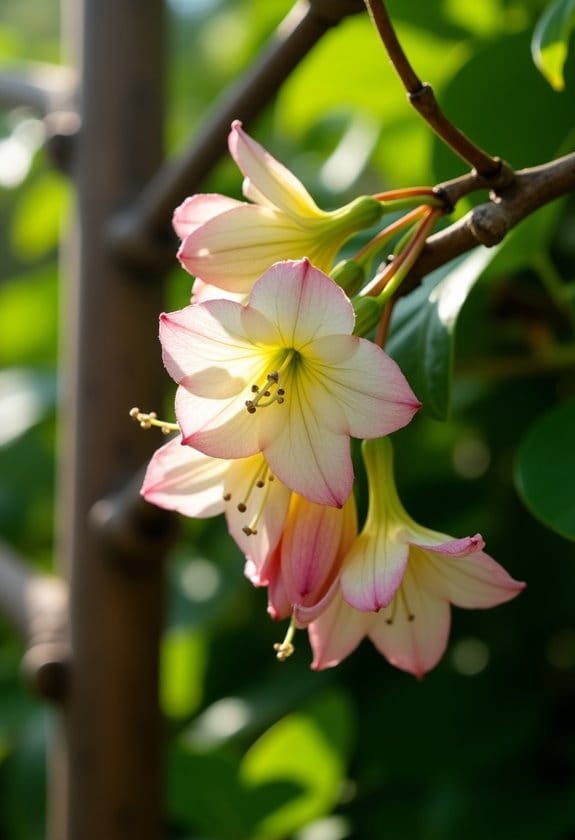
Lonicera periclymenum flourishes under specific environmental conditions that cater to its growth needs.
It prefers moist, well-drained soils with a pH ranging from slightly acidic to alkaline, while requiring shaded roots and full sun exposure for at least six hours daily.
Adequate water during establishment is essential, yet once firmly rooted, this resilient plant can withstand periods of drought, showcasing its adaptability.
Light
Finding the right light conditions is essential for Lonicera periclymenum, as it thrives best in full sun to partial shade. This plant enjoys at least 4-6 hours of sunlight each day, promoting vigorous growth and enhancing its charming blooms.
Ideally, it seeks dappled sunlight for its roots, allowing the ability to twine up toward brighter areas without risking overheating. Such conditions support the delicate balance necessary for optimal development.
While Lonicera periclymenum demonstrates adaptability, tolerating varying light exposures from full sun to up to 4 hours of full shade, the quality of blooms and fragrance intensity greatly improves with ample light.
When the flowering tops bask in sunlight while the roots remain shaded, the plant can demonstrate its remarkable vigor and resilience.
Soil
Ideal growth of Lonicera periclymenum hinges on its soil conditions. This versatile plant thrives best in moist, well-drained soils, allowing it to adapt to a range of soil types, including both acidic and alkaline environments.
For best health, Lonicera periclymenum needs roots in the shade, while its flowering tops benefit from sunlight or light shade. This remarkable flexibility in light and soil conditions makes it an appealing choice for diverse garden settings.
During the initial growth phase, maintaining consistent moisture is essential, as young plants require adequate hydration to establish strong root systems. Once established, however, the honeysuckle demonstrates notable drought resistance, making it a resilient choice for gardeners.
The ideal soil pH can vary greatly; Lonicera periclymenum tolerates a wide spectrum, contributing to its adaptability.
Importantly, rich and fertile soil can greatly enhance flowering performance, resulting in healthier vines and more abundant blooms.
Water
To guarantee thriving growth, consistent moisture is essential for Lonicera periclymenum, especially during its initial stages. Newly planted honeysuckle requires ample water to establish its root system effectively. After planting, it's critical to water the plant generously and continue doing so throughout the first few weeks; this attention fosters strong roots that are essential for future health.
Once established, despite its drought tolerance, Lonicera periclymenum should still receive water during extended dry spells to maintain its vigor and promote continued flowering. The roots thrive in shaded environments, while the flowering tops require adequate sunlight or light shade, creating a delicate balance that underscores the plant's moisture and light needs. To enhance growth, it is important to provide moist, well-draining soil which is vital for many perennials.
Regular monitoring of soil moisture is indispensable, as over-saturation can provoke mildew issues, particularly in younger specimens. Ensuring the soil drains well is equally critical; damp conditions around the roots can lead to detrimental results, including compromised health.
Therefore, gardeners must strike a harmonious balance between providing sufficient water and avoiding excessive wetness to nurture a resilient and flourishing honeysuckle that delights with its fragrant blooms and lush foliage year after year. Additionally, this vigilance in watering echoes the need for moist, organic-rich soils that is crucial for many perennial herbs to thrive effectively.
Temperature
Lonicera periclymenum flourishes best in cooler climates, thriving in USDA Hardiness Zone 5A and higher. This adaptable plant prefers dappled sunlight, with its roots enjoying shade while the shoots stretch toward warmer light sources.
With its honeysuckle bark exhibiting a robust structure, this vine can withstand cooler temperatures quite effectively.
Suitable growing conditions include moist, well-drained soil that accommodates a broad spectrum of pH levels, ranging from acidic to alkaline.
Once established, Lonicera periclymenum displays admirable drought tolerance, managing brief dry spells with relative ease. However, it's essential to monitor the plant during periods of prolonged heat or drought, ensuring that it retains both health and vigor.
The delicate balance of temperature and moisture profoundly impacts the plant's overall resilience and blooming potential.
In cooler climates, with temperatures falling below ideal levels, one might note a delay in flowering or stunted growth.
To cultivate lush foliage and vibrant blooms, gardeners should aim to replicate the ideal conditions that support this beautiful honeysuckle's natural preferences.
Pollinator Criteria
Lonicera periclymenum attracts a diverse array of pollinators, including long-tongued bees, moths, and the white admiral butterfly, which relies on the plant as a larval host.
This honeysuckle employs a unique pollination method that leverages its fragrant, tubular flowers to entice nighttime pollinators, enabling them to locate the blooms from distances of up to a quarter of a mile.
Attracted Pollinators
Several factors make Lonicera periclymenum an appealing option for various pollinators. First, the plant produces fragrant, nectar-rich flowers that serve as irresistible beacons for a range of long-tongued bees, particularly bumblebees. These industrious insects play an indispensable role in effective pollination, ensuring the flowers' reproductive success.
Additionally, the creamy white to yellow blooms emit a fascinating scent of honeysuckle that intensifies at night, enticing nocturnal pollinators like moths from distances up to a quarter of a mile.
Moreover, Lonicera periclymenum serves as a significant host plant for the larvae of Admiral butterflies and Twenty-plume moths, offering important habitats for these species. Its flowering period, which predominates in spring and continues sporadically throughout summer, guarantees a continuous food source for bees and butterflies during the growing season.
As autumn approaches, the bright red berries produced become an essential food source for birds. This not only supports avian populations but also contributes to the plant's vital role in seed dispersion, ultimately enriching the overall biodiversity within the ecosystem.
Consequently, Lonicera periclymenum stands out as an invaluable asset in supporting diverse pollinator communities.
Pollination Method
Many pollinators are drawn to Lonicera periclymenum due to its specialized flower structure and enticing fragrance. This plant primarily relies on nocturnal pollinators, such as moths and long-tongued bees. The flowers release a highly scented aroma detectable by these creatures from up to a quarter of a mile away, effectively luring them in search of nectar. Blooming from spring through summer, Lonicera periclymenum provides a reliable food source for various pollinators during this essential period, promoting ecological harmony.
The flowers exhibit a tubular, two-lipped design that caters specifically to long-tongued bees. These bees possess the necessary adaptations to access the nectar, while simultaneously facilitating the vital process of pollination. As they visit multiple flowers, pollen becomes transferred, contributing to the reproductive success of the plant.
In addition to their role in pollination, Lonicera periclymenum also serves as a host for certain larvae, including Admiral butterfly caterpillars. This interaction not only enhances the biodiversity of the surrounding ecosystem but also reinforces the ecological health of habitats where this species thrives.
Notably, the presence of diverse beneficial insects is commonly associated with flowering plants like Lonicera periclymenum, highlighting the interconnectedness of ecosystems through pollinator activities.
Through these multifaceted relationships, Lonicera periclymenum supports a delicate balance within its environment.
Care & Maintenance
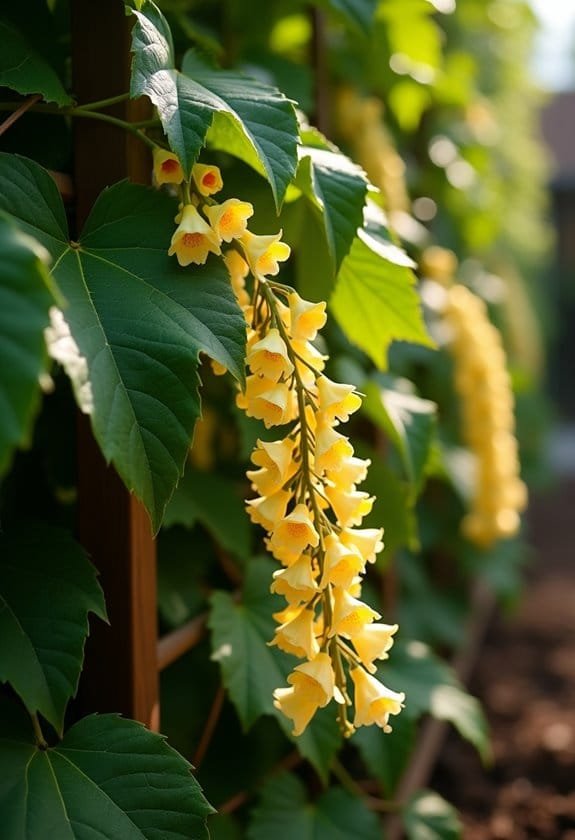
Caring for Lonicera periclymenum encompasses thoughtful planting tips, ongoing maintenance, and choosing suitable companions to foster a vibrant garden space.
It's essential to provide well-drained, consistently moist soil while considering light conditions, as this honeysuckle flourishes with its roots in dappled shade and the flowering tops basking in sunlight.
Planting Tips
When planting Lonicera periclymenum, it's crucial to choose a site with moist but well-drained soil, ensuring the roots are situated at the same depth as they were in their original pot. This positioning helps establish a robust root system, essential for the plant's overall health.
One of the effective planting tips involves selecting an area that provides dappled shade around the roots. This shade minimizes the risk of mildew while allowing the flowering tops to bask in sunlight, enhancing their blooming potential.
Immediately after planting, it's important to water the Honeysuckle Lonicera thoroughly, maintaining moisture for the initial few weeks to support vigorous growth. Once established, it's only necessary to water during particularly dry spells.
Additionally, pruning should occur post-bloom, wherein one might cut back up to one-third of the plant. This practice not only refines the plant's shape but also encourages the production of new growth, promoting a fuller appearance.
Moreover, regular vigilance for pests, particularly aphids, is advisable, as good air circulation—achieved through strategic pruning—can greatly diminish disease susceptibility. Planting similar shrubs with dense foliage can also aid in improving air circulation around your honeysuckle.
These intentional planting steps lay the groundwork for a thriving Lonicera periclymenum in any garden setting.
Ongoing Care
After establishing Lonicera periclymenum in the garden, ongoing care plays an essential role in maintaining its health and vibrancy. This beautiful vine flourishes in moist but well-drained soil, requiring roots to remain shaded while the flowering tops bask in sunlight. To guarantee robust growth, regular watering is important, especially during dry spells; newly planted specimens appreciate thorough watering for the initial weeks, evolving to occasional hydration once they're established.
Pruning should occur after the vibrant pink flowers wilt, allowing gardeners to remove up to one-third of the plant without stress. This practice encourages a healthier shape and promotes new growth for upcoming seasons.
It's also imperative to monitor for pests like aphids, as diligent checks can prevent infestations that might compromise the plant's strength. Moreover, while Lonicera periclymenum is largely low-maintenance, vigilance against signs of mildew remains essential.
Addressing these issues fosters vigor and enhances air circulation around the vine. By implementing these practices, gardeners can enjoy a flourishing honeysuckle vine that continues to grace their landscape with its aromatic blooms and lush greenery.
Suggested Companions
The beauty of Lonicera periclymenum can be amplified by selecting suitable companion plants that enhance both its aesthetic appeal and ecological benefits.
Integrating climbing roses or clematis creates a stunning vertical tapestry, allowing their blossoms to interlace with the honeysuckle, contributing to a dynamic garden structure. To elevate sensory experiences, fragrant plants like lavender or jasmine prove beneficial, inviting long-tongued bees and other pollinators to the area, thereby promoting a healthier ecosystem.
Ground cover plants, such as creeping thyme or chamomile, effectively retain soil moisture while suppressing weeds around the honeysuckle's base, fostering a robust foundation for growth.
Additionally, incorporating native species like foxgloves or ferns, which thrive under similar dappled sunlight and moisture conditions, enhances biodiversity and encourages local fauna.
Careful spacing is paramount; allowing 60-72 inches between companion plants guarantees that each one receives adequate sunlight and air circulation, preventing overcrowding and enabling ideal growth. Moreover, companion planting with species that support pollinators can help bolster the presence of beneficial insects, enhancing the overall health of the ecosystem.
Common Issues
Common Honeysuckle, while a visually appealing addition to gardens, faces several challenges that can impact its health and significance.
Pests like aphids can leave sticky residues on leaves, and conditions such as powdery mildew may thrive in humid environments, necessitating proactive measures like improved air circulation and regular inspections.
Additionally, the plant's tendency for vigorous growth can lead to overcrowding, emphasizing the importance of periodic trimming to maintain ideal shape and guarantee adequate light penetration.
Pests/Diseases
Lonicera periclymenum faces several pests and diseases that can hinder its health and growth. Common pests affecting this honeysuckle species include aphids, spider mites, and whiteflies. These insects suck sap from the plant, leading to weakened growth and reduced vigor over time. Just as a thief robs a bank, these pests deprive the plant of essential nutrients, making it more susceptible to diseases.
In addition to pest issues, Lonicera periclymenum is frequently plagued by powdery mildew, particularly in humid environments. This fungal disease manifests as a white, powdery coating on leaves, which can obstruct photosynthesis. Leaf spot diseases, caused by various fungi, also pose a threat, causing brown or black spots on foliage and potentially leading to premature leaf drop.
To mitigate these challenges, maintaining a well-ventilated growing environment is fundamental. Regular monitoring for pests can allow for early intervention, while the application of neem oil or insecticidal soap is often effective. Additionally, avoiding overhead watering and preventing overcrowding can greatly reduce the likelihood of disease outbreaks, providing a healthier habitat for Lonicera periclymenum. Furthermore, drought tolerance in certain species, such as Field Scabious, can inspire resilient growing practices for honeysuckles.
Solutions
To effectively tackle issues with Lonicera periclymenum, gardeners should prioritize proactive measures that guarantee the plant remains healthy and vibrant. One common challenge is mildew, which often appears in late summer. Gardeners can minimize this risk by ensuring that the plant's roots are kept in shaded conditions and promoting adequate air circulation around its foliage.
Additionally, regular monitoring for aphid infestations is essential, as these pests can greatly diminish the plant's health and vigor. Managing overcrowding by pruning back up to one-third after flowering not only maintains the plant's shape but also encourages new growth, enhancing its overall resilience.
Furthermore, it's imperative to provide well-drained soil to prevent root rot and other moisture-related complications that can arise from overly moist conditions.
Lastly, both the foliage and fruit of Lonicera periclymenum are toxic, necessitating caution to keep children and pets away from the plant to avert possible ingestion or skin irritation, ensuring a safe gardening environment.
Summary
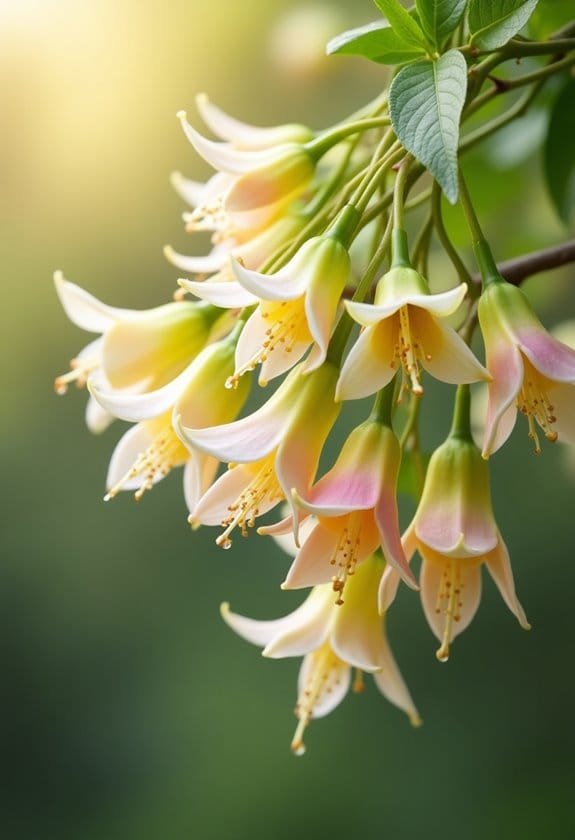
Known for its vigorous growth and fragrant blooms, Lonicera periclymenum, or Common Honeysuckle, thrives in gardens as a dynamic deciduous vine. Reaching heights of 10-20 feet, this twining plant flourishes in dappled sunlight while maintaining its roots in the shade, making it remarkably adaptable.
Its tubular flowers, which bloom in spring and summer, change from ivory to yellow, attracting not only long-tongued bees and butterflies but also night-flying moths, illustrating its essential role in pollination ecosystems.
Moreover, Common Honeysuckle serves as a host plant for a variety of wildlife, including the larvae of Admiral butterflies and Twenty-plume moths. The bright red berries produced in autumn are highly sought after by birds, contributing considerably to local biodiversity.
While valued for its resilience across various soil types, it also harbors ethnobotanical uses, possessing possible antispasmodic and diuretic properties. However, caution is necessary, as its berries can be toxic if ingested.