Lychnis coronaria, known as Rose Campion, captivates gardeners with its vivid magenta flowers and attractive silvery-gray leaves. This perennial, reaching heights of 18 to 24 inches, thrives in full sun and well-drained soil, flourishing in USDA hardiness zones 3-9. It demonstrates remarkable drought resistance and self-seeding traits, allowing it to thrive with minimal maintenance. Additionally, Rose Campion serves as an essential nectar source for pollinators, including bees and butterflies, enhancing garden biodiversity. With proper care, including regular deadheading and occasional compost, this resilient plant can enrich any garden landscape. There's much more to explore about its ecological role and care.
Main Points
- Lychnis coronaria, or Rose Campion, features vibrant magenta flowers and silvery-gray foliage, making it a visually appealing addition to gardens.
- This perennial plant thrives in USDA zones 3-9 and flourishes in full sun with well-drained soil.
- It grows to a height of 18-24 inches and spreads 18 inches wide, requiring spacing of 12-18 inches for optimal growth.
- Rose Campion attracts pollinators like bees and butterflies, enhancing biodiversity and supporting local ecosystems.
- It is low-maintenance, drought-resistant, and easily propagated from seeds or cuttings, ideal for various gardening styles.
Introduction
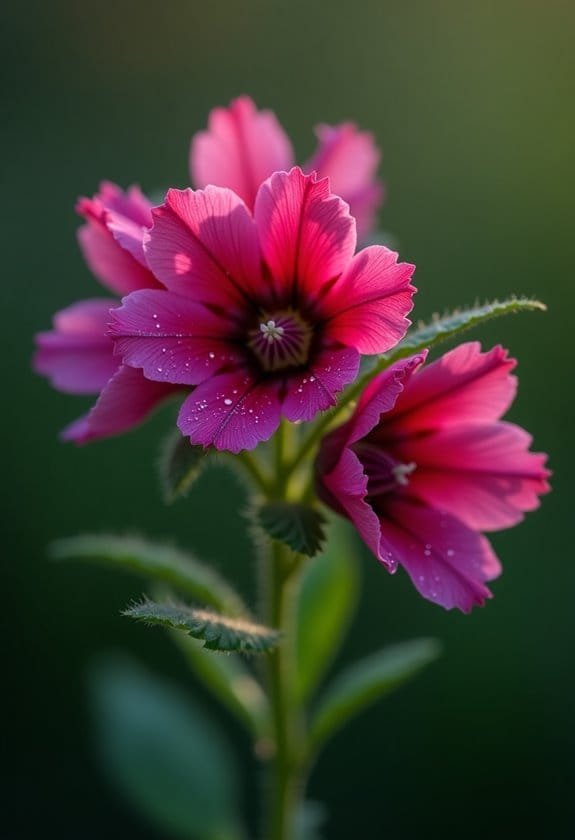
Lychnis coronaria, popularly known as Rose Campion, is an extraordinary evergreen perennial celebrated for its striking magenta flowers and distinctive silvery foliage.
This plant thrives in a variety of environments, typically reaching heights of 18 to 24 inches and spreading about 18 inches wide, making it a vibrant addition to gardens.
With exceptional resilience to pests and drought, this species not only enhances visual appeal but also offers practical advantages for low-maintenance gardening.
Common Name
Known for its striking beauty, Rose Campion is the common name given to Lychnis coronaria. This perennial plant captivates gardeners with its vibrant magenta flowers, which bloom from late spring to late summer, creating a stunning display against the backdrop of green foliage.
The common name "Rose Campion" reflects not only the flower's coloration but also its historical significance in various gardens throughout the ages. Additionally, the plant is known by other names, such as Rabbits Ears and Crown Pink, showcasing its diverse regional presence.
Equipped with woolly, silver-gray basal leaves, Rose Campion brings winter interest even when flowering has ceased. Beyond its aesthetic appeal, this hardy plant serves an ecological role, attracting pollinators like butterflies and hummingbirds, thereby enhancing the biodiversity of garden environments. Interestingly, Rose Campion thrives in full sun exposure like Musk Mallow, making it an excellent companion plant in gardens. This resilience in sunny settings contributes to its ability to thrive in USDA hardiness zones 3-8.
Moreover, its low maintenance needs make Rose Campion an appealing choice for many gardeners, while its deer resistance guarantees that these lovely flowers remain untouched by wildlife.
Scientific Name
As a member of the Caryophyllaceae family, commonly referred to as the pink family, Lychnis coronaria showcases the intricate beauty and functionality of perennial plants. This species, known as Rose Campion, possesses a scientific name that reflects its classification within a well-reputed family known for vibrant flowering plants. Originating from Europe, Lychnis coronaria has cultivated admiration since the 1600s, becoming a staple in traditional English gardens.
Characterized by its striking magenta and pale pink flowers, each measuring approximately one inch in diameter, this perennial captivates gardeners and flower enthusiasts alike. The scientific name, Lychnis coronaria, also highlights the plant's notable self-seeding capability, which allows it to withstand the test of time, emerging anew in gardens even as a short-lived perennial or biennial.
Additionally, the distinctive woolly, silver-gray basal leaves not only enhance the plant's aesthetic appeal but also provide winter interest, gracing landscapes with a touch of elegance during the colder months.
The combination of these traits exemplifies the significance of Lychnis coronaria within both horticulture and botanical studies, resonating with those who appreciate nature's artistry.
Overview
Rose Campion captivates gardeners with its vibrant flowers and unique adaptability. Known scientifically as Lychnis coronaria, this evergreen perennial showcases trumpet-shaped blooms that range in color from vivid magenta to soft pale pink and pristine white.
Flowering from late spring to late summer, Rose Campion typically reaches a height of 18-24 inches (45-60 cm) and spreads about 18 inches (45 cm) wide, making it an excellent choice for borders and cottage gardens. This resilient plant can thrive in USDA hardiness zones 3-9, demonstrating a remarkable ability to adapt to various conditions.
Its drought-tolerant nature and resistance to deer further enhance its appeal to gardeners seeking low-maintenance options.
Rose Campion self-seeds effortlessly, ensuring a delightful return each season, while its silvery-gray, woolly basal foliage adds visual interest throughout the winter months. Additionally, it shares habitat preferences with chalk and limestone grasslands, similar to other resilient plant species like Horseshoe Vetch.
Key Features
Lychnis coronaria, or Rose Campion, grows robustly to heights of 18 to 24 inches, creating a striking presence in any garden.
Its vibrant blooms, ranging from glowing magenta to soft pink and pristine white, typically brighten the landscape from late spring to late summer, providing a prolonged period of visual delight.
With its woolly, silver-gray leaves forming a stunning basal rosette, this perennial not only captivates during the blooming season but also enhances the winter garden's appeal.
Growth Size
Vibrant growth characterizes Lychnis coronaria, which typically reaches a height of 18 to 24 inches (45-60 cm) and spreads about 18 inches (45 cm) wide.
This growth size allows the plant to form an appealing and dense mound, heightened by its basal rosette of woolly, silver-gray leaves, which remains visually interesting even during winter months. In ideal conditions, the overall height can extend to an impressive 2 to 3 feet, creating striking visual layers in garden landscapes.
To promote healthy growth size, it's advisable to space Lychnis coronaria 12-18 inches apart, allowing for adequate air circulation and light penetration essential for robust flowering.
While categorized as a short-lived perennial, this plant boasts self-seeding abilities, fostering a charming persistence in the garden's flora. Consequently, even as individual plants age, they continually renew themselves, ensuring that blossoms adorn landscapes for years to come.
The growth size of Lychnis coronaria not only emphasizes its ornamental appeal but also plays a critical role in its ecological interactions.
Ultimately, gardeners can appreciate both the aesthetic and functional qualities of this splendid perennial.
Appearance
The striking visual appeal of Lychnis coronaria, also known as Rose Campion, lies in its vibrant blooms and distinctive foliage. This perennial displays spectacular magenta flowers that develop into trumpet shapes, typically measuring about 1 inch in diameter.
These colorful blossoms emerge prominently against the plant's silvery-gray leaves, which are covered in soft, fuzzy hairs that contribute a unique texture to gardens year-round.
Reaching a height of 18 to 24 inches (45 to 60 cm) and expanding to a width of approximately 18 inches (45 cm), Rose Campion serves as a substantial feature in landscape designs, drawing attention to its striking form.
The basal rosette of woolly leaves provides winter interest, ensuring the plant retains visual intrigue even when not in bloom. Additionally, the composition of these leaves enhances the plant's ornamental value during every season, ultimately showcasing nature's diversity.
The blooms, which attract butterflies and hummingbirds, blanket the garden from late spring to late summer. This enchanting display not only pleases the eye but also enriches the local ecosystem, making Lychnis coronaria a beloved choice among gardeners. Furthermore, like Origanum vulgare, Rose Campion offers essential nectar sources for pollinators, supporting biodiversity within garden environments.
Flowering Season
Blooming from late spring to late summer, Rose Campion brings a burst of color to gardens for several months. This perennial showcases flowers that typically measure about 1 inch in diameter, boasting vibrant hues of glowing magenta, pale pink, or delicate white. The striking trumpet-shaped petals create an inviting spectacle that captures the attention of both gardeners and pollinators alike.
The flowering season can be especially enhanced by the practice of regular deadheading, which prevents self-seeding and encourages the plant to produce additional blooms throughout the growing period. Each plant reaches a height of 18-24 inches (45-60 cm), making it an excellent mid-height addition to borders or perennial beds, where it can establish a visually pleasing rhythm among taller and shorter species. Interestingly, Scented Mayweed serves as a key nectar source for pollinators, especially bees, with its extended flowering season enhancing biodiversity in gardens.
Interestingly, even after blooming concludes, the basal rosette of woolly, silver-gray leaves provides continued visual interest during the winter months, serving as a reminder of the vibrant life within the garden. Additionally, the plant's ability to thrive in poor soil conditions enhances its appeal to gardeners seeking low-maintenance options.
Consequently, Rose Campion not only captivates during its flowering season but also leaves a lasting impression throughout the year, contributing to a diverse tapestry of color and texture in any landscape.
Growing Requirements
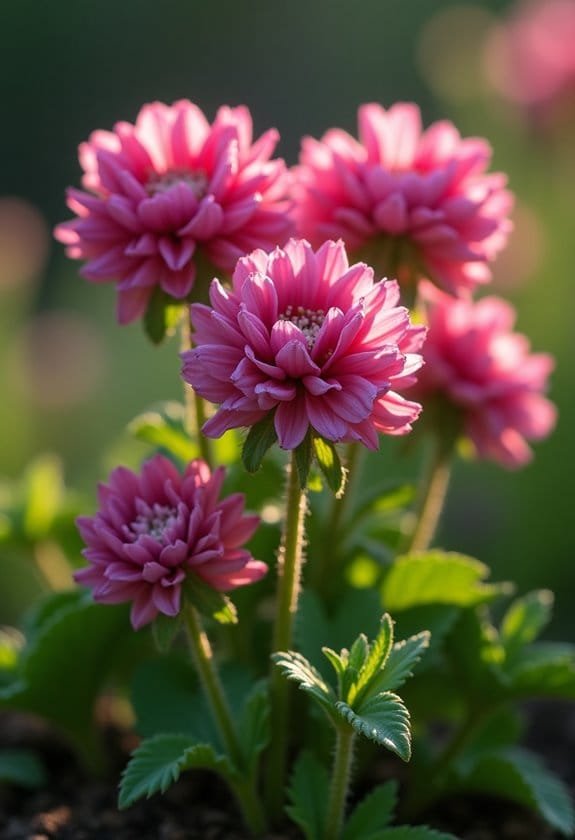
Lychn
Light
Sunlight plays an indispensable role in the health and energy of Lychnis coronaria. This perennial plant flourishes best in full sun, ideally receiving at least six hours of direct sunlight each day. Morning sun is particularly beneficial, as it minimizes the risk of leaf burn during the hotter midday hours.
While Lychnis coronaria can adapt to partial shade, its growth and flowering are greatly enhanced under ideal light conditions. Providing sufficient sunlight promotes lush foliage and an impressive display of vibrant blooms from late spring through late summer. Insufficient light can result in leggy growth, where the plant stretches toward the source of light, detracting from its overall aesthetic appeal. Dandelions also thrive in full sun to partial shade, showcasing their adaptability and resilience in various garden settings.
In contrast, a well-situated Lychnis coronaria, basking in full sun, develops a robust form with an abundance of flowers, creating a stunning impact in garden settings. Its adaptability also allows it to thrive in various garden environments, including drier conditions. Moreover, like Meadowsweet, it benefits from consistently moist soil that supports optimal growth and prevents stress during dry spells.
However, for the best overall performance and visual delight, choosing a location that offers ample sunlight is vital. This careful consideration guarantees the plant not only survives but truly thrives, showcasing its breathtaking beauty.
Soil
For ideal growth, Lychnis coronaria thrives in well-drained soil that ranges from sandy to loamy textures. This plant is particularly sensitive to waterlogging, so it flourishes best in conditions that prevent excess moisture accumulation, allowing for healthy root development.
Though it can tolerate poor soil types, Lychnis coronaria requires a foundation that promotes good drainage; otherwise, it risks the dreaded fate of root rot. Additionally, planting in nutrient-poor soils can help maximize its growth potential.
In terms of moisture, the soil should be moist but never overly saturated. Once established, this remarkable plant exhibits drought tolerance, reducing the need for frequent watering.
To further enhance drainage capabilities, gardeners might consider incorporating sand or gravel into the soil mix. This not only improves aeration but also fosters an environment conducive to vigorous growth.
It's essential to monitor soil moisture levels, especially during those formative weeks after planting. Ensuring the roots settle well without "wet feet" leads to stronger, more resilient plants. Additionally, maintaining well-draining soil conditions is crucial for supporting plants like Corn Marigold, which can otherwise become invasive without proper management.
Water
Regularly watering Lychnis coronaria during its initial growth period is essential for establishing a strong root system. This plant flourishes in well-drained soils and prefers average to medium moisture levels, making it vital to provide adequate water without overwhelming the roots.
The ideal conditions involve maintaining moisture while ensuring the soil doesn't become waterlogged, which could lead to detrimental "wet feet." Immediately after planting, consistent watering promotes robust root development, setting a solid foundation for future growth. Brooklime, which thrives in consistently saturated conditions, illustrates the importance of water management for plant health.
Once established, Lychnis coronaria demonstrates impressive drought tolerance, requiring considerably less frequent watering during dry spells. Its adaptability allows it to thrive in various conditions; however, the importance of proper soil drainage can't be overstated. Additionally, like Water Avens, an essential characteristic of hardy perennials is their ability to withstand diverse environmental conditions.
Excess moisture accumulation may hinder growth and foster root rot, jeopardizing the plant's health. As a result, gardeners should aim for ideal drainage, ensuring the water can disperse effectively.
Temperature
Thriving in a range of climates, Lychnis coronaria is hardy in USDA zones 3-8, making it a versatile choice for many gardeners. This enchanting Rose Campion flourishes in full sun or part shade, ideally basking in the gentle embrace of morning sunlight to prevent leaf burn.
The plant exhibits a remarkable tolerance for various soil conditions, ranging from sandy to loamy, as long as the soil is well-drained. While Lychnis coronaria can endure poor soil, good drainage is paramount for its sustained health.
Once established, Rose Campion becomes drought-tolerant, requiring regular watering primarily during its initial planting or during particularly arid spells.
Although it can withstand mild winters, sudden drops in temperature may compromise the plant's vigor, particularly when it lacks the ability to reseed effectively. Regular monitoring of growth patterns during cold snaps is essential for ensuring the plant is protected from extreme fluctuations.
Pollinator Criteria
In exploring the pollinator criteria for Lychnis coronaria, it's clear that this vibrant plant attracts an array of pollinators, particularly beneficial bees and dazzling butterflies.
The magenta flowers, rich in nectar and emitting a subtle, pleasant fragrance, entice these creatures, fostering efficient pollination through their natural foraging behaviors. Additionally, Ajuga reptans provides vital nectar for pollinators during spring, further enhancing the garden's appeal to these essential species.
Understanding the specifics of these attracted pollinators and their pollination methods is essential for gardeners aiming to enhance biodiversity and support local ecosystems. Additionally, plants like Eupatorium cannabinum also serve as important nectar sources for various pollinators, demonstrating the interconnectedness of different species within garden ecosystems.
Attracted Pollinators
Lychnis coronaria, or Rose Campion, captivates a range of pollinators, thanks to its vibrant magenta flowers that attract bees, butterflies, and even hummingbirds. The brightly colored blooms are crucial nectar sources during the spring and summer months, providing a critical food supply for these insects in their reproductive and growth phases. As pollinators visit the flowers, they contribute to the plant's reproductive success while simultaneously nourishing themselves.
Moreover, the trumpet-shaped structure of Rose Campion's flowers particularly entices hummingbirds, which are advanced pollinators capable of hovering in place. This unique feature allows them to access nectar efficiently while ensuring cross-pollination. Additionally, the presence of diverse flowering plants in a garden can further enhance the habitat's appeal to a wider array of pollinators.
The plant's low-maintenance nature makes it ideal for pollinator-focused gardens, enabling gardeners to create vibrant habitats with minimal effort. Incorporating Rose Campion into garden designs enhances local ecosystems, promoting biodiversity and supporting sustainable pollinator populations. Furthermore, this species thrives in well-drained soils, making it suitable for various climates and enhancing its adaptability.
This intricate connection between the plant and its pollinators illustrates the symbiotic relationships that sustain ecological health, reminding us that even modest garden choices can yield significant environmental benefits. By nurturing these beautiful flowers, gardeners play a crucial role in preserving the delicate balance of nature.
Pollination Method
Among the various characteristics that define effective pollination methods, the vibrant colors and structure of Rose Campion's flowers play a crucial role in attracting its primary pollinators.
Blooming from late spring to late summer, this perennial plant boasts striking magenta and soft pink blossoms, serving as visual signals for foraging insects. The alluring hues not only invite bees and butterflies but also guarantee a plentiful nectar resource, essential for cross-pollination and reproductive success.
Rose Campion's trumpet-shaped flowers offer easy access to nectar, which larger pollinators, such as butterflies and hummingbirds, find inviting. This structural adaptation greatly enhances the likelihood of pollen transfer between flowers. Additionally, these adaptations are similar to those of Rosebay Willowherb, which features vibrant blooms that attract various pollinators.
Additionally, the plant's drought tolerance allows it to thrive in diverse environmental conditions, supporting various pollinator species even in less than ideal moisture levels. Its capacity for successful reproduction is further enhanced by the nectar-rich flowers that draw in diverse pollinators, similar to the functions observed in Lychnis flos-cuculi.
This strategic combination of color, structure, and nectar availability fosters a noticeably productive ecosystem. By providing a consistent flowering source, Rose Campion not only enriches its own reproductive potential but also plays an important role in sustaining local pollinator populations, ultimately enhancing biodiversity and ecosystem stability.
Such interconnected relationships illustrate the profound impacts of plant adaptations on ecological health.
Care & Maintenance
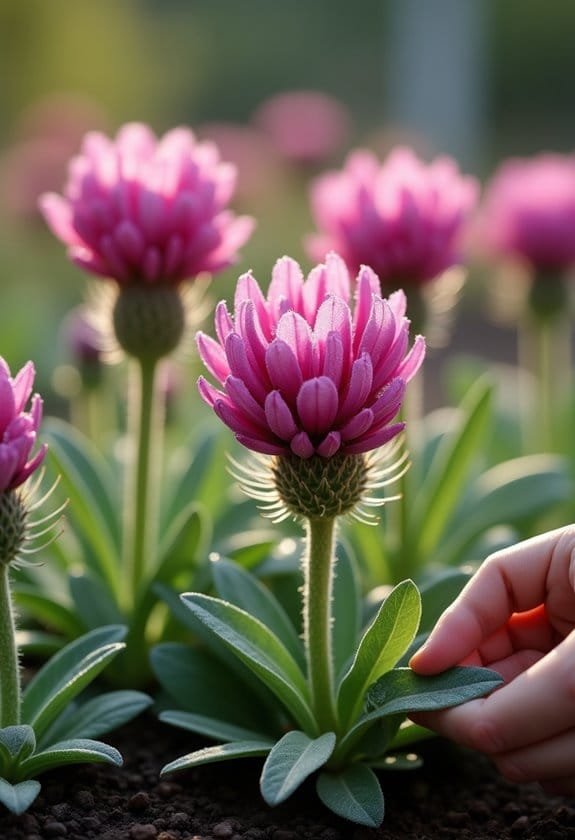
When caring for Lychnis coronaria, understanding the essential planting tips and ongoing care is vital for ideal growth.
This resilient plant thrives in well-drained soil, necessitating minimal water to prevent detrimental "wet feet," while regular deadheading after blooming fosters an elegant, continuous display of vibrant flowers.
Additionally, selecting suggested companions can enhance aesthetic appeal and create a balanced garden environment, showcasing the beauty of this stunning perennial amidst its surroundings.
Planting Tips
For successful planting of Lychnis coronaria, choose well-drained sandy to loamy soil and space the plants 12 to 18 inches apart to promote air circulation and growth. These planting tips guarantee that each plant receives ample nutrients and sunlight, essential for flourishing in their vibrant hues.
After setting the plants in the ground, water them thoroughly, but allow the soil to dry out between watering sessions, as the plant demonstrates remarkable drought tolerance once established.
Additionally, positioning Lychnis coronaria in full sun to partial shade, particularly with morning sunlight, minimizes the risk of leaf burn caused by the intense afternoon heat.
To encourage continuous flowering throughout the growing season, practitioners should engage in regular deadheading of spent blooms; this practice simultaneously aids in controlling self-seeding, which can otherwise lead to overcrowding.
While minimal fertilization is required, applying a light layer of compost in spring can greatly boost overall growth and enhance reseeding efforts.
Ongoing Care
To assure Lychnis coronaria thrives long after planting, regular care and maintenance are critical. Ongoing care involves the practice of deadheading spent flowers, which not only promotes continuous blooming but also helps control self-seeding. This strategy guarantees a tidier appearance in the garden, preserving its aesthetic appeal.
Every few years, it's wise to divide the clumps, spacing plants 12-18 inches apart to allow for peak growth conditions. While minimal fertilization is generally needed, a light spring application of compost can remarkably enhance reseeding vigor and overall health.
Additionally, common pests like aphids and spider mites may occasionally appear; however, Lychnis coronaria remains remarkably resistant to most diseases, requiring little intervention.
Applying mulch around the base of the plants is beneficial, as it retains soil moisture and suppresses weed growth. This simple technique supports healthy growth, especially during dry periods.
For a good cut of the plant, shearing back the foliage in early spring can rejuvenate growth and lead to a more vibrant display. Ultimately, maintaining these practices contributes greatly to the success and longevity of Lychnis coronaria in any garden setting.
Suggested Companions
Typically, Lychnis coronaria thrives alongside other drought-tolerant plants like lavender and sedums, creating an eye-catching and resilient garden. This combination enhances color contrast and promotes an ecosystem that attracts essential pollinators, such as bees and butterflies. Significantly, integrating plants like echinacea and rudbeckia with Rose Campion not only increases visual appeal but also supports biodiversity, fostering a garden that buzzes with life.
To maintain the health and vigor of Lychnis coronaria, it's important to plant these companions with spacing of about 12-18 inches apart. This distance prevents overcrowding, allowing each plant to flourish without competing excessively for resources.
Additionally, regular deadheading of Rose Campion proves important to encourage continuous blooming. By managing self-seeding when paired with perennial neighbors, gardeners can sustain a vibrant and dynamic landscape.
Incorporating companions like coreopsis and gaillardia, which share similar growing conditions, guarantees a cohesive and thriving garden environment. Over time, these plants emerge as drought tolerant once established, requiring minimal water while maintaining their vigor and beauty.
Therefore, combining Lychnis coronaria with like-minded companions creates a stunning and enduring display.
Common Issues
While Lychnis coronaria is largely resilient, gardeners might still encounter a few common pests, including aphids and spider mites, that can occasionally jeopardize the plant's vibrancy.
These unwelcome visitors, however, seldom cause significant damage, as they can usually be managed with straightforward interventions, allowing the Rose Campion to flourish with minimal fuss.
Regular deadheading not only enhances its aesthetic appeal by promoting continuous blooms, but it also diminishes the likelihood of self-seeding, ensuring that this hardy perennial remains a striking feature in any garden.
Pests/Diseases
Pests and diseases rarely pose a considerable threat to Lychnis coronaria, making it an ideal choice for gardeners seeking low-maintenance plants. This resilience stems from its inherent genetic traits, which afford the plant a robust defense against common pests like aphids and spider mites.
Although these tiny invaders might occasionally appear, they typically don't compromise the overall health of the plant, allowing it to thrive in various conditions.
Moreover, Lychnis coronaria displays deer-resistant characteristics, effectively deterring browsing by wildlife, a genuine concern for many garden enthusiasts. To maintain its vigor, gardeners can implement proper cultural practices, such as ensuring well-drained soil and avoiding over-watering.
These actions considerably minimize the risk of diseases related to root rot, which can severely impair plant health.
Regular deadheading—a practice involving the removal of faded flowers—and monitoring of foliage can further prevent potential infestations, encouraging new growth, and enhancing the plant's aesthetic appeal.
Solutions
To successfully cultivate Lychnis coronaria, gardeners can implement several effective solutions for common issues. This plant is easy to grow and exhibits high resistance to diseases and pests, making it a low-maintenance choice for any garden.
Regular deadheading of spent flowers won't only promote continuous blooming but also effectively manage self-seeding, offering control over the plant's spread.
The importance of well-drained soil can't be overstated in maintaining the health of Lychnis coronaria. Incorporating sand or gravel into the soil enhances drainage, mitigating the risk of root rot in damp conditions.
Although it's generally carefree, gardeners should occasionally monitor for pests like aphids and spider mites, ensuring that the plant remains vibrant and robust.
To guarantee optimal growth and vigor over the years, dividing clumps every three to four years is recommended. This rejuvenation process fosters new growth and prevents overcrowding, allowing Lychnis coronaria to flourish beautifully.
Summary
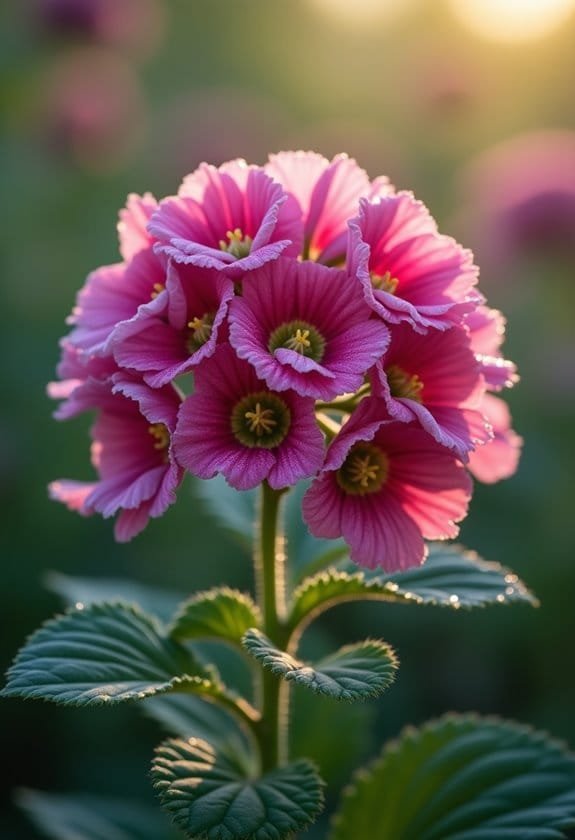
Rose Campion, or Lychnis coronaria, is a striking evergreen perennial that captivates gardeners with its vibrant magenta flowers and hardy nature, thriving in various climates (zones 3-8).
With a preference for full sun or part shade, it flourishes in well-drained average soils, showcasing its drought tolerance and deer resistance. The plant features distinctive woolly, silver-gray basal leaves, adding winter interest beside its abundant blooms from late spring to late summer.
Each flower, approximately 1 inch in diameter, invites pollinators such as butterflies and hummingbirds, enhancing the garden's allure.
To promote prolonged blooming, regular deadheading is recommended, preventing excessive self-seeding while encouraging further flower production.
For those looking to expand their garden, Rose Campion can be easily propagated from seed or through basal cuttings, ensuring a diverse and colorful landscape.
This perennial suits various garden styles, particularly cottage gardens and mixed borders, thanks to its minimal care requirements.
Through its adaptability and aesthetic appeal, Rose Campion establishes itself as an enduring favorite among horticulturists who appreciate both beauty and resilience.
Fundamentally, it enriches outdoor spaces while demanding only modest maintenance, making it a worthy addition to any garden enthusiast's collection.