Malope trifida, commonly known as Large-Flowered Mallow Wort, is a visually striking herbaceous perennial hailing from the Malvaceae family. This fascinating plant reaches heights of up to 0.9 meters and displays vibrant pink or white trumpet-shaped flowers from summer to autumn, providing essential nectar for pollinators like bees and butterflies. Thriving in full sun and well-drained soil, it requires consistent moisture and nutrient monitoring to flourish. Gardeners should be vigilant against pests and diseases while appreciating its role in enhancing local biodiversity. The delightful aesthetics and ecological contributions of this plant invite further exploration into its care and benefits.
Main Points
- Malope trifida, or Large-Flowered Mallow Wort, features vibrant pink or white trumpet-shaped flowers from summer to autumn, attracting pollinators.
- This perennial plant thrives in full sun, well-drained soil, and requires regular watering, especially during dry spells.
- It supports bees and butterflies, enhancing biodiversity and promoting healthy pollination in surrounding plants.
- Regular maintenance, including deadheading and nutrient monitoring, ensures optimal growth and flowering performance.
- Watch for pests like aphids and spider mites, and implement good air circulation to minimize disease risks.
Introduction
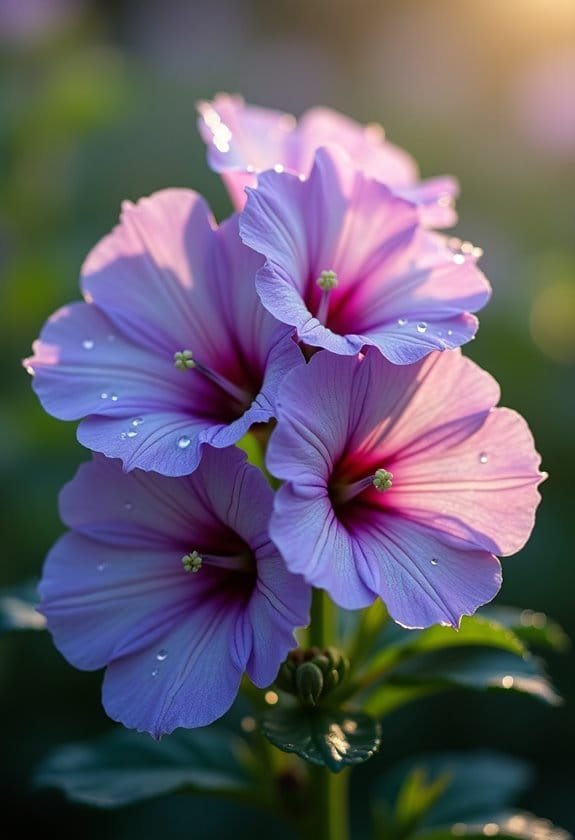
Malope trifida, widely known as the large-flowered mallow wort, captivates garden enthusiasts with its striking trumpet-shaped flowers and vibrant hues.
As a member of the Malvaceae family, this herbaceous plant not only enhances ornamental appeal but also plays a critical role in sustaining local pollinator populations, particularly bees.
Thriving in well-drained soil under full sun, it's a perfect choice for borders and cottage gardens, showcasing its beauty from summer through autumn.
Common Name
The Large-Flowered Mallow Wort features striking trumpet-shaped flowers that catch the eye in any garden. Known scientifically as Malope trifida, this herbaceous plant proudly displays its vibrant blooms, which can reach up to three inches in diameter.
Native to Europe, it thrives in well-drained, moist soil and loves basking in full sunlight, making it a delightful choice for gardeners seeking colorful additions to their landscapes.
Often used in borders and cottage gardens, the Large-Flowered Mallow Wort not only enhances aesthetic appeal but also serves an essential ecological role. Its blossoms attract a variety of pollinators, particularly bees, fostering biodiversity and supporting the delicate balance of garden ecosystems.
Additionally, Malope trifida is related to Malva, sharing some characteristics with this well-known genus.
With its vibrant appearance and ornamental value, the Large-Flowered Mallow Wort can be a true showstopper, enchanting visitors with its striking presence. Consequently, it stands as a proof of nature's artistry, providing both beauty and ecological benefit, while reminding gardeners of the intricate interconnections within their beloved outdoor spaces.
Scientific Name
Belonging to the Malvaceae family, Malope trifida showcases the intricate relationship between plant taxonomy and ecological functionality. This herbaceous perennial, also known as the large-flowered mallow wort, exhibits vibrant trumpet-shaped flowers that bloom in early spring, creating delightful bursts of color and attracting various pollinators, particularly bees.
The scientific classification places Malope trifida within a genus that encompasses over 61 accepted species, underscoring its diversity and ecological importance. Notably, Malope trifida isn't closely related to the more toxic members of the Malvaceae family, which means it poses no significant risks for ornamental use.
This plant reaches remarkable heights of up to 0.9 meters while spreading approximately 0.45 meters, providing an impressive visual display in garden settings. Thriving in well-drained soil and full sun, it requires consistent watering to flourish, especially during drier periods, highlighting the critical relationship between environmental factors and plant health.
Thus, understanding the scientific name and classification of Malope trifida enriches one's appreciation for its potential in both landscaping and ecological systems, illustrating the value of precise botanical taxonomy in cultivating biodiversity.
Overview
Known for its striking, trumpet-shaped flowers, Malope trifida captures attention in gardens and natural settings alike. This herbaceous plant, native to the Mediterranean region, thrives in well-drained soil and full sun, flourishing in moist conditions. With its bright, vibrant blooms spanning from summer to autumn, it adds a splash of color to borders and cottage gardens.
Beyond its aesthetic appeal, Malope trifida holds significant cultural importance, having been historically utilized as an ornamental plant in various landscapes. The species is particularly beneficial to ecosystems, attracting pollinators such as bees, which play an essential role in maintaining biodiversity.
By providing important resources for these insects, Malope trifida contributes to an environment that supports flourishing plant and animal life. Its upright growth habit and oval leaves further enhance its striking floral display, creating a visually dynamic presence.
In ancient herbal traditions, plants like Malope trifida were often used for their potential medicinal properties, highlighting its historical uses. Consequently, cultivating this remarkable plant not only enriches gardens aesthetically; it fosters ecological health and celebrates the long-standing connection between nature and human culture.
Key Features
Malope trifida stands out with its impressive growth size, reaching heights of up to 0.9 meters and spreading approximately 0.45 meters.
Its brilliant pink or white trumpet-shaped flowers bloom vibrantly from summer to autumn, creating a stunning visual display in any garden.
This plant's erect and branching growth habit not only enhances its ornamental appeal but also makes it an attractive habitat for essential pollinators like bees and butterflies.
Growth Size
Standing at a maximum height of about 0.9 meters (approximately 3 feet), Malope trifida exhibits key features that make it an attractive addition to gardens. This herbaceous annual demonstrates upright growth habits, characterized by stout stems and ovate leaves, which contribute to its sturdy form. Its spread reaches around 0.45 meters (1.5 feet), providing space considerations that gardeners must keep in mind when landscaping.
In terms of size comparison, Malope trifida fits neatly into various garden settings, thriving particularly well in coastal environments, where it can flourish without the hindrance of hot and humid summer conditions.
While this plant prefers full sun and moist, well-drained soil, its ability to tolerate partial shade adds to its versatility, allowing it to adapt to different planting arrangements and light conditions.
Gardeners looking for an ornamental touch will appreciate the plant's striking white trumpet-shaped flowers that bloom from summer into autumn, enhancing its overall appeal.
Appearance
With its striking, large trumpet-shaped flowers, Malope trifida adds vibrant pink hues to gardens, capturing attention throughout the blooming period from summer to autumn. These inviting blossoms, typically showcasing color variations of bright pink, can also present softer shades, creating an alluring display.
The flowering patterns are notable as the blooms emerge profusely from erect, branching stems that can grow up to 0.9 meters tall and spread approximately 0.45 meters wide, providing a stunning focal point in any landscape.
The plant's leaf characteristics complement its striking flowers beautifully. The ovate leaves possess a shiny, tender texture that enhances the plant's overall lush appearance and contributes to its aesthetic appeal.
Positioned to soak up sunlight, these leaves thrive in full sun but also adapt well to partial shade, demonstrating Malope trifida's inherent resilience.
This combination of eye-catching flowers and lush foliage not only elevates the visual allure of gardens but also plays a vital role in attracting essential pollinators, such as bees and butterflies, thereby fostering a vibrant ecosystem.
Flowering Season
The flowering season of Malope trifida typically spans from summer to autumn, showcasing an impressive display of vibrant white and pink trumpet-shaped blooms. This period, lasting approximately two months, exemplifies the plant's flowering preferences and seasonal patterns, serving as a visual feast for garden enthusiasts.
Malope trifida can reach a height of up to 0.9 meters, with a spread of about 0.45 meters during its flourishing phase. To maximize bloom production and vigor, full sun exposure is essential throughout this season. The interplay between sunlight and flower growth creates a harmonious relationship, much like a well-composed symphony, where each note enhances the others.
Moreover, regular deadheading during the flowering season plays a key role in encouraging further blooming and extending the overall display of flowers. By removing spent blooms, gardeners can greatly improve bloom longevity, allowing for a continuous spectacle of color.
As the seasons change, the presence of these enchanting flowers acts as a vibrant reminder of nature's resilience and beauty, enriching gardens with their charm and liveliness. Ultimately, Malope trifida stands as a proof of the joy that seasonal flowering plants can bring to any garden landscape.
Growing Requirements
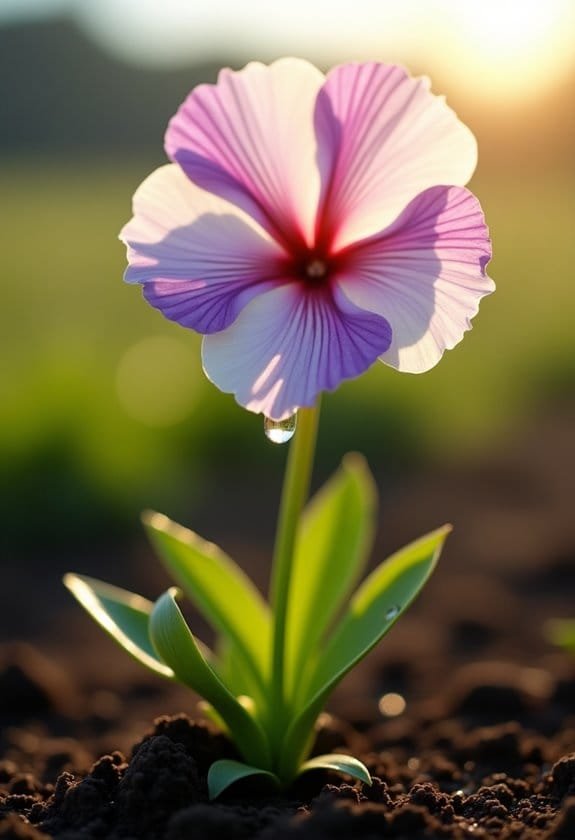
Malope trifida flourishes under specific growing conditions, requiring full sun exposure and well-drained soil to reach its impressive height of up to 0.9 meters.
This herbaceous annual thrives in moist environments, demanding regular watering, particularly during drier periods to sustain its vibrant blooms.
Monitoring temperature and soil nutrients plays an essential role in supporting growth; hence, gardeners should remain attentive to these important factors for best performance throughout the growing season.
Light
Full sun exposure is essential for Malope trifida to thrive, allowing it to achieve maximum blooms and robust growth. Light intensity effects play a significant role in determining the health and vitality of this plant.
Ideally, Malope trifida should receive at least six to eight hours of direct sunlight each day to flourish, promoting a vibrant display of flowers from summer to fall.
Though it can tolerate partial shade, gardeners must understand shade tolerance variations, as reduced light considerably impacts blooming potential. In shaded conditions, the plant may yield fewer blossoms, diminishing its aesthetic appeal.
Hence, applying sunlight enhancement strategies is crucial for nurturing this beauty in gardens. Gardeners should consider location when planting; by selecting spots that avoid overshadowing from buildings or trees, they can guarantee Malope trifida receives optimal sunlight levels.
Additionally, using reflective surfaces or white stones can enhance light exposure, promoting better growth.
Ultimately, prioritizing full sun and adequate light exposure can transform this flower from a modest performer into a show-stopping element of any garden, fascinating with abundant blooms and vibrant colors.
Soil
A well-chosen location with adequate sunlight prepares the foundation for Malope trifida's success, but ideal soil conditions are equally important.
This herbaceous annual thrives in well-drained, moist soil, which is essential for peak growth and flowering. A pH range of 6.0 to 7.0—slightly acidic to neutral—provides the perfect environment for its development.
Employing effective soil fertility strategies, such as incorporating organic matter, can greatly enhance the nutrient availability and overall structure of the soil.
Moreover, regular soil aeration fosters robust root health, critical for the vigorous growth of Malope trifida.
Employing various soil amendment techniques, including composting, encourages beneficial microbial activity, which leads to a healthier ecosystem in the root zone.
Equally important is soil moisture management, as maintaining the right balance prevents waterlogged conditions while ensuring the plant receives adequate hydration.
Water
To support robust growth and vibrant blooms, Malope trifida thrives best with consistently moist, well-drained soil. Regular watering guarantees the plant receives adequate hydration, particularly during dry spells when the risk of stress increases.
Watering frequency should adjust according to weather conditions, with thorough applications of water needed once or twice a week, depending on rainfall and temperature.
While Malope trifida displays some drought tolerance, it ultimately flourishes when consistently hydrated. Nonetheless, gardeners must carefully monitor for waterlogged conditions, which can lead to detrimental root rot.
To optimize moisture retention without compromising drainage, applying a layer of mulch around the plant's base is beneficial. This layer acts as a protective shield, reducing water evaporation and the need for frequent watering, allowing the roots to bask in a stable, moist environment.
Full sun exposure enhances water uptake and overall vigor in Malope trifida. The sun not only fuels photosynthesis but also helps the soil dry adequately between watering sessions, preventing water-logging while fostering robust and resilient growth, which is essential for achieving those stunning, large blossoms.
Temperature
Typically thriving in a temperate climate, Malope trifida prefers daytime temperatures between 20°C and 25°C (68°F to 77°F) for peak growth. This range serves as the fundamental growth temperature, promoting healthy foliage and splendid flowering.
While Malope trifida boasts impressive climate adaptability, it does exhibit a sensitivity to temperature fluctuations. Planting should occur post-last frost date in spring, as frost can severely hinder its development.
Although warm conditions are ideal, this perennial can tolerate partial shade, particularly in regions experiencing extreme summer heat. In fact, strategic placement can alleviate stress induced by excessively high temperatures.
Adequate moisture retention remains paramount; cultivating Malope trifida in well-drained soil maintains temperatures around the roots in a stable and conducive range for growth.
Conversely, exposure to low temperatures below 10°C (50°F) for prolonged durations can stunt growth and hinder flowering potential.
Pollinator Criteria
Malope trifida entices various pollinators, primarily bees, with its vivid flowers and plentiful nectar.
By employing a method of pollination that relies on these creatures, the plant effectively facilitates its reproduction, thereby enhancing biodiversity in gardens.
Additionally, its ability to flourish in well-drained soil and full sun maximizes its appeal, ensuring that it plays an essential role in supporting crucial pollinator populations within the ecosystem. Furthermore, similar to sneezewort's pollinator attraction, Malope trifida contributes to sustaining vibrant ecosystems through its interaction with various insect species.
Attracted Pollinators
During the summer and fall, the vibrant flowers of Malope trifida attract a variety of pollinators, making it a precious asset in any garden. This plant's showy blooms function as both a nectar and pollen source, enticing bees and other beneficial insects that thrive on these crucial resources.
Pollinator behavior often reflects specific nectar preferences, with many species drawn to the rich, sugary offering provided by Malope trifida's ample blossoms. By cultivating this plant, gardeners not only support local pollinator populations but also enhance overall garden biodiversity, as its presence invites various insect species.
Each harmonious interaction between Malope trifida and its pollinators contributes greatly to ecosystem health, as these insects facilitate the essential process of pollination within surrounding flora. Furthermore, the Royal Horticultural Society recognizes Malope trifida under its "Plants for Pollinators" initiative, emphasizing its importance in sustaining insect populations.
The flowering plant's attractive profile can lead to increased pollination rates for nearby flowering plants, greatly benefiting garden productivity and aesthetic value. Consequently, Malope trifida emerges as an indispensable component of any environmentally responsible gardening strategy.
Pollination Method
Pollination in Malope trifida is primarily facilitated by its striking trumpet-shaped flowers, which not only attract bees and other pollinators but also allow them easy access to the nectar and pollen within. This unique flower morphology plays a vital role in enhancing pollination efficiency, ensuring that bees can reach the resources deep inside the blossoms without difficulty.
Blooming from summer to fall, Malope trifida coincides with the peak activity of various pollinators, greatly contributing to its ecological significance within local gardens. The plant's bright, showy flowers offer both nectar and pollen, providing sustenance for a myriad of wildlife species while simultaneously fostering effective reproduction through reliable pollinator engagement.
Moreover, cultivating Malope trifida in accordance with RHS guidelines promotes a pollinator-friendly environment, making it an invaluable choice for sustainable gardening practices. Additionally, the presence of plants like chicory can enhance local biodiversity and support a diverse range of pollinators.
The symbiotic relationship between Malope trifida and its pollinators exemplifies the intricate web of life, where each component supports and enriches the other. By nurturing this plant, gardeners not only beautify their spaces but also contribute to the health of local ecosystems, underlining the intertwined fates of flora and fauna in nature's grand tapestry.
Care & Maintenance
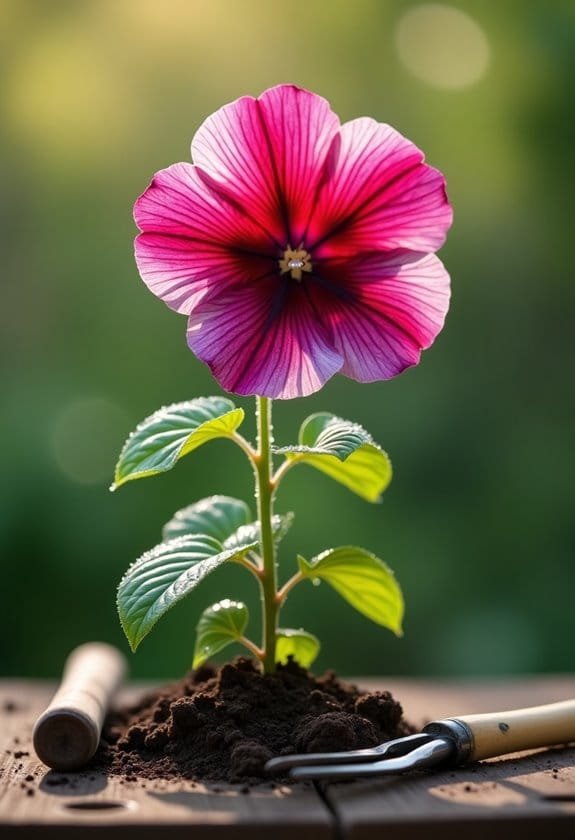
Caring for Malope trifida requires attention to several key factors that guarantee its thriving presence in the garden.
This stunning plant flourishes best when it's situated in well-drained soil and receives ample sunlight, ideally around six to eight hours per day.
Ongoing care, like regular watering during dry spells and deadheading spent blooms, not only supports its health and vigor but also enhances its enchanting floral display.
Planting Tips
When planting Malope trifida, gardeners should focus on a few key factors to guarantee vibrant growth and abundant blooms. First and foremost, soil preparation is essential; the plant thrives in moist, well-drained soil enriched with organic matter. Prior to planting, amend the soil with compost to improve fertility and drainage, ensuring it retains adequate moisture without becoming waterlogged.
Employing effective planting techniques is also fundamental. Gardeners should plant Malope trifida in full sun, as this exposure encourages its spectacular flowers to flourish. When it comes to spacing guidelines, it's important to allow approximately 18 to 24 inches between each plant to prevent overcrowding, which can lead to invasive growth.
Thinning may be necessary as the plants mature, maintaining air circulation and facilitating healthy development.
Lastly, maintaining consistent soil moisture through regular watering is significant in dry conditions. This attention to detail supports the plant's overall vigor and prolongs blooming. By following these recommendations during the planting phase, gardeners will set the stage for the striking display of Malope trifida, showcasing its large, colorful flowers throughout the growing season.
Ongoing Care
Malope trifida's ongoing care is important for maintaining its stunning display of blooms and overall health. This vibrant perennial flourishes best in full sun, requiring moist, well-drained soil for ideal growth.
Regular watering, particularly during arid conditions, guarantees healthy foliage and vibrant blossoms; therefore, maintaining a consistent watering schedule is critical.
Employing effective pruning techniques, such as deadheading spent blooms, encourages prolonged flowering and bolsters plant vigor by redirecting energy into new growth.
Additionally, seasonal adjustments should be considered—applying a balanced plant food during the active growing season enhances nutrient management, promoting better flower production and robust growth overall.
Monitoring for pests and diseases is essential in preserving a healthy plant life, as early detection prevents potential infestations.
Keeping a watchful eye for common threats allows for timely intervention.
Using this combination of strategies—pruning, seasonal adjustments, and diligent nutrient management—owners can foster an environment where Malope trifida not only survives but thrives.
Engaging in these practices transforms the garden into a vibrant spectacle, showcasing the beauty this remarkable plant has to offer.
Suggested Companions
Selecting the right companions for Malope trifida not only enhances the beauty of the garden but also supports its growth and health. By incorporating pollinator partners such as cosmos and sunflowers, gardeners can greatly boost garden diversity while attracting a wider range of beneficial insects. These vibrant companions not only bloom at different times, enriching visual layering, but also create a colorful tapestry in the landscape.
In addition, pairing Malope trifida with low-growing annuals like nasturtium introduces depth to the garden design, making the space visually compelling. The contrast provided by sturdier perennials like echinacea and rudbeckia elongates the blooming period, ensuring a continuous display of flowers throughout the seasons.
Furthermore, situating Malope trifida near culinary herbs like basil and thyme fosters beneficial insect populations, enhancing pollination efficiency.
Regular deadheading won't only maintain Malope trifida's health but also encourage neighboring plants to thrive by minimizing competition for nutrients and sunlight. This harmonious balance ultimately leads to a vibrant ecosystem, wherein each plant's strengths and beauty complement one another, creating an enchanting and productive garden environment.
Common Issues
Malope trifida faces several common issues that can hinder its growth and aesthetic appeal.
Pests such as aphids and spider mites may invade, threatening the plant's health, while fungal diseases, particularly powdery mildew, flourish in humid environments, necessitating vigilant monitoring and prompt intervention.
Additionally, improper drainage can lead to root rot, highlighting the critical need for well-drained soil and regular deadheading to prevent unwanted seed spread, ensuring a thriving garden.
Pests/Diseases
Although Malope trifida is a resilient plant, it can still face several common pests and diseases that threaten its health. Aphids, for instance, often infest the young shoots, leading to leaf curling and fostering the spread of detrimental plant viruses. Additionally, fungal diseases, particularly powdery mildew, thrive in humid conditions, manifesting as unsightly white powdery spots on leaves that can inhibit photosynthesis.
Caterpillars and other larvae may also invade, feasting on the foliage and causing considerable damage if not identified and managed promptly.
Furthermore, overwatering or poorly drained soil can result in root rot, a condition that severely compromises the plant's liveliness, causing wilting and potentially leading to plant death.
To combat these adversities, gardeners should employ effective pest management strategies, regularly inspecting plants for early signs of pest infestation and disease symptoms. Utilizing pest identification techniques enhances the ability to pinpoint issues before they escalate.
Combined with proper cultural practices, including adequate watering and soil drainage, these approaches bolster fungal disease prevention, ensuring the overall health and vigor of Malope trifida remain intact, turning the garden into a thriving, beautiful space.
Solutions
Addressing common issues with Malope trifida involves implementing targeted solutions to promote ideal growth and health.
For effective disease prevention strategies, gardeners should guarantee good air circulation around the plants, particularly to mitigate the risk of powdery mildew that thrives in humid conditions. Additionally, regular deadheading of spent flowers not only enhances the plant's visual appeal but also encourages blooming, extending the flowering season.
To maintain optimal soil health, it's essential to plant Malope trifida in well-drained soil, preventing root rot, especially during heavy rain periods. A good rule of thumb is to verify the soil drains effectively and remains moderately moist.
When it comes to pest management techniques, monitoring for pests like aphids and spider mites is critical. The introduction of beneficial insects—like ladybugs—can serve as a natural method to control these pest populations.
Furthermore, providing full sun exposure and adequate spacing between the plants contributes greatly to the plant's overall growth and flowering potential, allowing each specimen to thrive in the bright conditions it seeks.
Summary
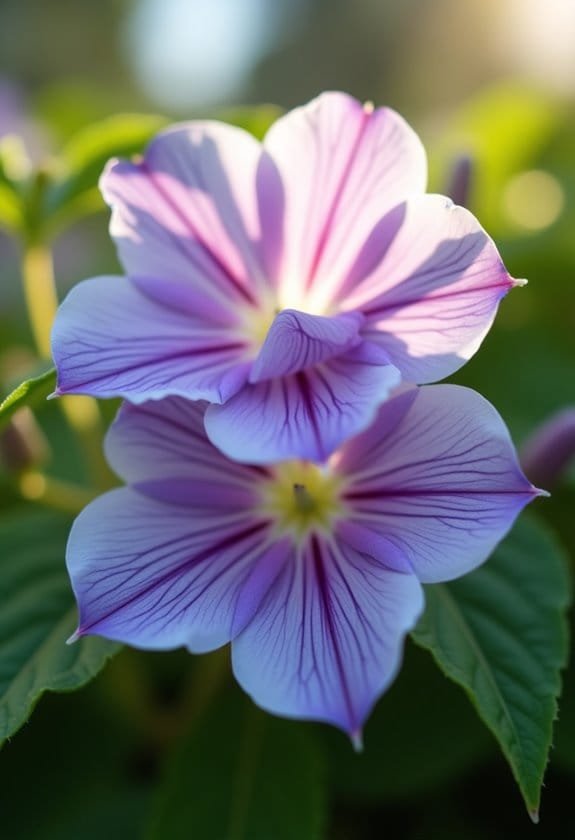
Large-flowered mallow wort, scientifically known as Malope trifida, is a striking herbaceous plant treasured for its beauty and ecological benefits.
This annual plant flourishes in well-drained soil and full sun, making it an excellent choice for ornamental gardens, particularly in coastal environments.
Renowned for its eye-catching white or pink trumpet-shaped flowers, which bloom from summer through autumn, it effectively attracts diverse pollinators, including bees, thereby enhancing biodiversity.
Reaching a height of approximately 0.9 meters and spreading up to 0.45 meters, Malope trifida's branching growth habit adds significant aesthetic appeal to garden design.
Its ability to provide nectar and pollen sources for insects establishes it as an essential player in promoting ecological balance within garden ecosystems.
While it prefers moist soil conditions, the plant demonstrates some resilience by tolerating partial shade, though excessive heat and humidity can impede its growth. Additionally, its pollinator attraction makes it a valuable addition to gardens seeking to support local biodiversity.