The *Nepeta* genus, including over 250 species like *Nepeta cataria* (catmint), captivates with its aromatic gray-green leaves and vibrant blooms. Generally, these plants range from 12 inches to 3 feet, thriving in USDA zones 3 to 9. Preferring well-drained soil and at least six hours of sunlight daily, they adapt to various soil types, showcasing excellent drought resistance. Additionally, catmint supports biodiversity by attracting vital pollinators, including bees and butterflies, while providing essential habitats for wildlife. With proper care, this resilient plant enhances gardens through its aesthetic appeal and ecological benefits, paving the way for more discoveries about its myriad uses.
Main Points
- The *Nepeta* genus includes over 250 species, with *Nepeta cataria* (catnip) being the most recognized for its attraction to cats.
- Catmint thrives in USDA zones 3 to 9 and prefers at least 6 hours of direct sunlight daily for optimal growth and flowering.
- It produces aromatic gray-green leaves and vibrant lavender-blue blooms, enhancing gardens with both aesthetic appeal and ecological benefits.
- Catmint attracts pollinators like bees and butterflies while being resilient to pests, making it ideal for low-maintenance landscaping.
- Ideal for companion planting, catmint pairs well with drought-tolerant perennials and serves as effective ground cover against weeds.
Introduction
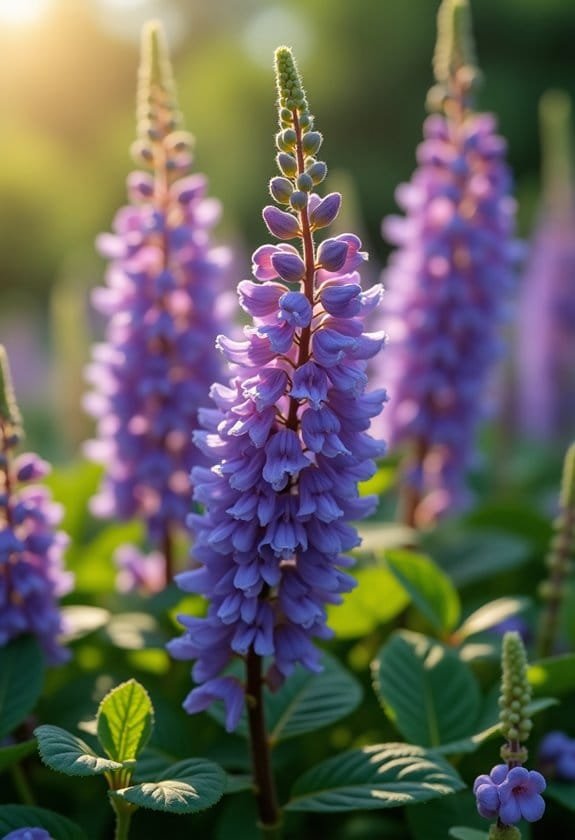
Catmint, scientifically known as Nepeta, represents a diverse genus comprising over 250 species within the mint family, Lamiaceae.
Renowned for its aromatic foliage and enchanting flowers, this resilient plant thrives in various climates, primarily across temperate Eurasia and parts of Eastern Tropical Africa.
With prominent species like Nepeta cataria, commonly referred to as catnip, catmint not only enhances garden aesthetics but also invites beneficial pollinators, promoting biodiversity and ecological health.
Common Name
Familiarity with various plant names enriches the experience of gardening, and few names are as delightful as those associated with the Nepeta genus. Commonly known as Catmint or Catnip, these aromatic plants evoke a sense of whimsy and charm in home gardens.
While Catnip specifically refers to Nepeta cataria—famed for its strong scent that entices cats—Catmint encompasses a variety of species within the broader family of Lamiaceae.
These Nepeta species, including Nepeta x faassenii and Nepeta racemosa, aren't only visually appealing but also highly sought after for their ornamental value and remarkable drought tolerance. Their lush foliage, imbued with a pleasant aroma, attracts beneficial pollinators such as bees and butterflies, contributing to the biodiversity of the garden.
Furthermore, like Common Yarrow, Catmint serves as a vital food source for pollinators like butterflies, enhancing ecosystem health and supporting local wildlife.
Beyond their aesthetic appeal, these plants have a rich history of medicinal use, especially Nepeta cataria, known for its calming effects. Often brewed in herbal teas or crafted into soothing potpourris, Catmint exemplifies nature's ability to heal while delighting the senses.
Consequently, the common names of Nepeta serve to bridge the worlds of practicality and beauty in horticultural landscapes.
Scientific Name
Within the diverse world of plants, the scientific classification of catmint falls under the genus *Nepeta*, which is a member of the Lamiaceae family. This extensive family includes over 250 species, showcasing an impressive range of varieties.
Among these, *Nepeta cataria*, commonly known as catnip, stands out due to its distinctive aromatic gray-green leaves. This species not only attracts cats but also captivates gardeners with its delightful scent.
Another notable member is *Nepeta faassenii*, or Faassen's catmint, prized for its hardiness and appealing lavender-blue flowers. This hybrid has garnered popularity for its low-maintenance qualities, making it an ideal choice for both novice and experienced gardeners alike.
Moreover, *Nepeta racemosa*, known as Persian catmint, displays a low-growing, spreading habit accompanied by vibrant lavender-blue blooms, enhancing garden aesthetics.
Many *Nepeta* species, including *Nepeta sibirica* and *Nepeta grandiflora*, are celebrated for their resilience and adaptability, thriving within a wide range of USDA zones from 3 to 9. Additionally, some species of *Nepeta* can attract key pollinators such as butterflies that contribute to local ecosystem diversity.
These characteristics make *Nepeta* not only a botanical delight but also a practical addition to diverse horticultural landscapes.
Overview
Renowned for its aromatic charm and ornamental appeal, catmint has become a cherished staple in gardens worldwide. Belonging to the Lamiaceae family, this vibrant plant encompasses over 250 species, with notable varieties like Nepeta cataria, commonly known as catnip, and Nepeta faassenii, celebrated for its delightful lavender-blue flowers.
Catmint thrives under full sun conditions and favors well-drained soil, attributes that contribute to its reputation as a drought-tolerant plant once established. These resilient plants adapt well to various soil types, making them an excellent choice for gardeners seeking low-maintenance landscaping solutions.
With heights ranging from 12 inches to an impressive 3 feet, catmint blooms from late spring to summer, showcasing colorful flowers arranged in spikes or clusters which provide aesthetic value.
Beyond their beauty, Nepeta species play a crucial role in promoting biodiversity; their fragrant blooms attract essential pollinators like bees and butterflies, enhancing ecosystem health. The combination of catmint with Guelder Rose's vibrant displays can create a visually stunning garden that supports both beauty and biodiversity.
In addition, devoted gardeners appreciate catmint's capability to elegantly blend into both formal and informal garden settings, serving as a perfect backdrop or stand-alone feature that delights the senses year-round.
Key Features
Catmint, or Nepeta, showcases remarkable diversity in growth size and appearance, appealing to a wide range of garden enthusiasts.
With species ranging in height from a modest 12 inches to towering varieties of up to 3 feet, their aromatic gray-green foliage creates a lush backdrop.
Blooming from late spring to autumn, the vibrant blue and purple flowers of catmint not only enhance garden aesthetics but also draw essential pollinators, demonstrating its valuable role in ecological design.
Growth Size
How does the growth size of catmint contribute to its appeal in gardens? The height variation among Nepeta species allows for versatile landscaping options, making them suitable for various designs. For instance, Nepeta cataria typically grows to a height of 2-3 feet (60-90 cm), while Nepeta racemosa tends to remain lower, reaching only 12-18 inches (30-45 cm). This diversity enables gardeners to create layered arrangements, adding visual intrigue and depth.
In addition to height, catmint's clumping habit enhances its structural appeal. Most Nepeta varieties form neat clusters, which can delineate spaces within a garden, while some species, such as Nepeta racemosa, spread low to function as effective ground cover, seamlessly uniting areas and providing a lush carpet of foliage.
Significantly, catmint's hardiness across zones further cements its desirability. Thriving in USDA zones 3 to 9, these plants adapt well to a range of climates, increasing their accessibility for enthusiastic gardeners.
Consequently, catmint's growth size and versatility not only beautify landscapes but also promote ecological resilience, ensuring they remain a favored choice among horticulturists.
Appearance
With their aromatic gray-green leaves and charming blooms, Nepeta species stand out in any garden. The foliage, measuring about 3 inches in length, is more than just visually appealing; it also possesses a delightful scent, enchanting both gardeners and pollinators alike. Additionally, these plants are known for their ecological roles in attracting beneficial insects.
The texture of the downy leaves lends the plants a soft, inviting appearance, enhancing their overall charm and contributing to their resilience in varying environmental conditions.
Nepeta's flowers, typically small and two-lipped, showcase a spectrum of colors, often displaying white with pale purple spots or vibrant lavender-blue hues in species like Nepeta x faassenii. These flowers bloom in spike-like terminal clusters, creating dense arrangements that command attention, particularly from late spring to summer.
The diverse sizes of Nepeta plants add to their versatility; for instance, low-growing varieties such as Nepeta racemosa reach heights of 12-18 inches, while taller options like Nepeta sibirica can soar up to 3 feet. This height variety, alongside their enchanting flowers and lush foliage, guarantees that Nepeta species make a striking statement in any landscape, enchanting anyone who passes by. Additionally, their ability to attract pollinators like bees and butterflies during the flowering season further enhances their value in the garden.
Flowering Season
Blooming from late spring to summer, Nepeta species provide a stunning display of small, tubular flowers that captivate not just gardeners but also a variety of pollinators.
These exquisite flower spikes can achieve heights ranging from 12 inches for compact varieties to an impressive 3 feet in taller species, offering vertical interest to garden landscapes. The rich palette of flower colors, including the pale purple spots of Nepeta cataria and the deep indigo-blue blooms of Nepeta grandiflora, enhances the visual allure of any space.
Many Nepeta varieties exhibit a long blooming period, with some extending their floral display into early fall, particularly if gardeners practice deadheading after the initial blooms fade.
Significant among these is Nepeta racemosa 'Walkers Low', distinguished for its abundant lavender-blue blooms, which not only enrich garden aesthetics but also attract beneficial insects throughout the flowering season.
As the flowers unfurl, they signal the onset of a vibrant ecosystem, and the aromatic foliage further entices both humans and fauna alike.
Such traits make Nepeta species a prized choice for gardeners seeking beauty coupled with ecological benefits.
Growing Requirements
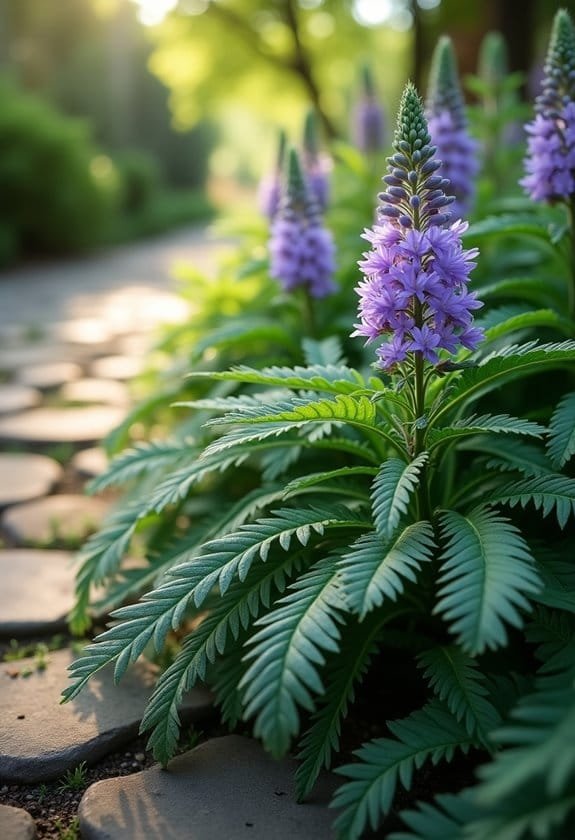
Catmint, known for its vibrant blooms, has distinct growing requirements that guarantee its flourishing.
These perennials thrive under at least six hours of direct sunlight, adapt to various soil types—from sandy to clay—and exhibit excellent drought tolerance once established.
However, attention to watering during their initial growth phase, along with proper spacing of one to three feet apart, is essential for ideal air circulation and health.
Light
For ideal growth and flowering, Nepeta species thrive best in full sun, requiring at least six hours of direct sunlight each day. This substantial exposure is essential, as it promotes peak growth and encourages vibrant blooming. When deprived of adequate light, these plants can become leggy, leading to diminished flower production and overall weak structure.
In regions with warmer climates, Nepeta can tolerate partial shade, particularly in the afternoon when the sun's intensity peaks. This adaptability allows them to flourish in diverse garden settings, offering garden enthusiasts unique landscaping options. While they certainly prefer full sun, the ability to tolerate some shade can be beneficial, especially during the hottest parts of the day.
Additionally, Nepeta is remarkably drought-tolerant once established, making it an excellent choice for low-water gardens that receive plentiful light. This resilience enables gardeners to cultivate visually appealing areas even with minimal irrigation.
Soil
Well-drained soil is essential for the healthy growth and development of Nepeta species. These resilient plants exhibit adaptability to various soil types, including clay, loam, sandy, and rocky soils, making them suitable for diverse garden settings.
Their preference for well-drained soil stems from their need to avoid excessive moisture, which can lead to root rot and other complications. Ideally, Nepeta thrives under full sun conditions, requiring at least six hours of sunlight daily to reach peak growth and flowering.
Once established, these drought-tolerant plants necessitate minimal water, further enhancing their appeal for gardeners seeking low-maintenance options. Ample sunlight and proper soil drainage are critical, as these factors promote robust health and vibrant flowering.
To maintain performance, regular practices such as deadheading and shearing of faded flowers encourage fresh growth, rejuvenating the plant and contributing to the overall garden's aesthetic.
Water
Ensuring adequate water supply during the initial growing season is essential for establishing a strong root system in Nepeta species. The plant thrives in full sun, requiring at least six hours of direct sunlight daily to promote ideal growth and vibrant flowering. During the first season, regular watering is vital to help the roots penetrate deeply, allowing the plant to develop resilience against subsequent drought conditions.
Once established, Catmint becomes remarkably drought-tolerant, needing less frequent watering. However, gardeners must be cautious, as overwatering can create waterlogged conditions detrimental to its health. Nepeta plants are sensitive to excess moisture, which can lead to root rot, ultimately hindering their growth potential.
To mitigate this risk, it's advisable to water deeply but infrequently, fostering robust root systems that can withstand dry spells. Additionally, incorporating mulch around the base of the plants aids in retaining soil moisture, moderating temperature fluctuations, and reducing watering frequency.
This protective layer not only nourishes the soil but also creates an environment conducive to healthy Nepeta growth. With the right approach to watering, gardeners can enjoy the beauty and resilience of Catmint in their landscapes.
Temperature
Catmint flourishes in a range of temperatures that align with USDA hardiness zones 3 to 9, making it adaptable to various climates.
This unique plant thrives best in full sun, requiring a minimum of 6 hours of direct sunlight daily; this exposure not only promotes vigorous growth but also enhances its vibrant foliage and aromatic qualities.
Most Nepeta varieties exhibit remarkable drought-tolerant features once established, allowing them to endure elevated temperatures with minimal irrigation. Ideal germination temperatures for catmint seeds hover between 65°F to 75°F (18°C to 24°C), indicating a preference for warmth during their initial developmental stages.
While catmint demonstrates adaptability to diverse soil types, ensuring that soil remains well-drained is imperative, particularly during the cooler, wetter months when excessive moisture can lead to root rot.
With their resilient nature, these plants naturally contribute to the aesthetic delight of gardens across a plethora of regions, thriving under sun-drenched skies and fostering an inviting atmosphere for both humans and wildlife alike.
Their stunning ability to flourish across numerous USDA zones underscores their essential role in the horticultural landscape, appealing to gardeners seeking low-maintenance beauty.
Pollinator Criteria
Catmint attracts a variety of pollinators, with bees and butterflies taking center stage during its prolific blooming from late spring to fall.
These plants employ a fascinating method of pollination, utilizing their tubular flowers, which serve as both visual and nectar lures, enticing these essential creatures.
Attracted Pollinators
Pollinators flock to Nepeta species, drawn by their vibrant flowers and aromatic foliage. These enticing features make Nepeta a haven for diverse pollinators, particularly bees and butterflies, who seek the rich rewards found within the tubular blossoms. During blooming periods from late spring to summer, the flowers of Nepeta offer a plentiful source of nectar and pollen, essentially supporting the dietary needs of these beneficial insects. Additionally, the presence of Nitrogen fixation in nearby plants like Birds Foot Trefoil can further improve soil fertility, benefiting the overall ecosystem.
Prominent varieties, such as Nepeta racemosa (Walkers Low) and Nepeta faassenii (Cats Meow), play a significant role in enhancing biodiversity within garden ecosystems. By providing a continual food supply throughout the growing season, these plants sustain and attract an array of pollinator populations. Additionally, the presence of nectar-rich plants like Greater Knapweed can further enhance the garden's appeal to pollinators.
As a result, gardeners who incorporate Nepeta into their landscapes not only beautify their spaces but also contribute to healthier ecosystems and promote the populations of essential insects.
The presence of Nepeta encourages a thriving environment for pollinators, enriching both flora and fauna. Consequently, cultivating Nepeta can lead to a flourishing garden ecosystem, where each plant plays a pivotal role in the delicate balance of nature.
Pollination Method
Vibrant flowers play an essential role in the pollination process of Nepeta species, attracting a variety of beneficial insects. These enchanting plants offer necessary nectar and habitat, especially for pollinators like bees and butterflies, throughout their blooming seasons.
The tubular flowers of Nepeta, characterized by their two-lipped structure, provide an ideal opportunity for long-tongued insects to access the nectar hidden deep within their blossoms, facilitating effective pollination.
Gardeners can expect many Nepeta varieties to bloom from late spring to fall, contributing to a continuous food source for pollinators during critical warmer months. This ongoing availability of nectar not only supports pollinators but also enhances the overall health of the garden ecosystem.
In addition, the aromatic foliage of Nepeta simultaneously attracts pollinators while deterring harmful insects, creating a balanced environment that fosters biodiversity. Furthermore, like Henbit Deadnettle, Nepeta species feature a dual strategy for reproduction, adapting to varying pollinator activity levels and ensuring their survival.
Care & Maintenance
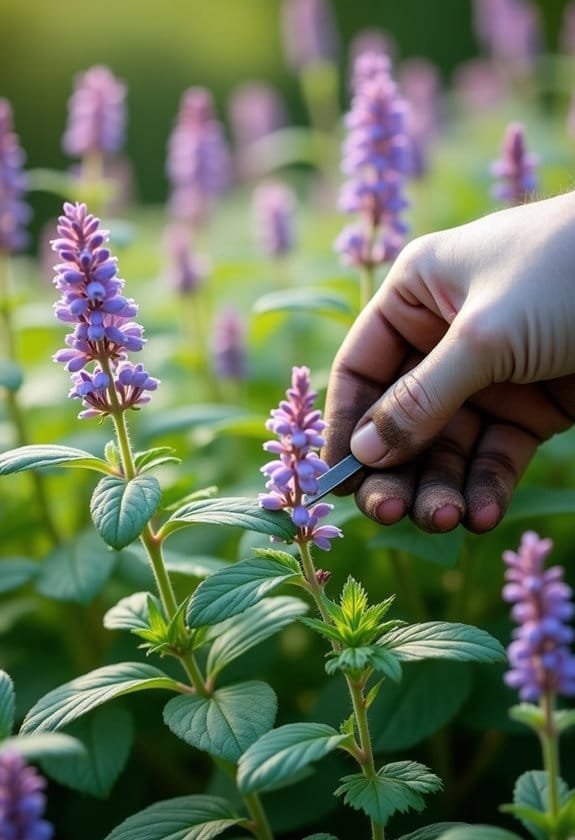
Caring for catmint involves understanding its specific needs, beginning with strategic planting in well-drained soil that gets at least six hours of sunlight daily.
Ongoing maintenance is minimal; once established, these resilient plants thrive even with limited watering.
To maximize their beauty, regular deadheading and early spring pruning will encourage lush growth and an extended flowering season, making them ideal companions for a vibrant garden.
Planting Tips
To guarantee catmint flourishes, gardeners should focus on a few key care and maintenance strategies.
Catmint thrives in well-drained soil and requires full sun for at least six hours daily to promote ideal flowering and robust growth. When planting catmint, spacing is essential; plants should be positioned one to three feet apart, depending on the variety selected, allowing sufficient air circulation to prevent overcrowding and associated diseases.
Incorporating effective planting tips, gardeners should also practice regular deadheading of faded flowers. This encourages additional blooms and promotes a bushy, attractive appearance throughout the growing season.
While newly established catmint plants need consistent watering during their first season to support root development, they become remarkably drought tolerant thereafter, needing minimal irrigation.
Regarding nutrients, catmint thrives with minimal fertilization; excessive feeding can lead to reduced flowering and elongated growth, which is why it's advisable to apply only a light application of balanced fertilizer if absolutely necessary.
Ongoing Care
During the growing season, ongoing care for catmint focuses primarily on deadheading and minimal irrigation. Deadheading encourages continuous blooming, ensuring the plant's vibrant flowers persist throughout its active growth.
Catmint thrives in full sun and good growing conditions, preferring well-drained soil and ample air circulation. It's important to space plants 1 to 3 feet apart, which facilitates their healthy expansion and diminishes potential disease risk.
While regular watering is vital during the first growing season for establishment, catmint develops drought tolerance as it matures, reducing the need for frequent irrigation. Additionally, minimal fertilization suffices; a light application is preferred, as excess fertilizer can lead to an overabundance of foliage with diminished flowering.
In addition to these practices, pruning back the plant in late fall or early spring promotes bushier growth, yielding a more robust floral display in subsequent seasons.
These layers of ongoing care result not only in aesthetic pleasure but also in a sustainable gardening practice, making catmint a valued addition to any landscape. By following these guidelines, gardeners can cultivate a flourishing, resilient plant that beautifully enhances their outdoor spaces.
Suggested Companions
Pairing catmint with complementary plants can greatly enhance the beauty and functionality of a garden. Catmint plants thrive in full sun and well-drained soil, making them ideal companions for drought-tolerant perennials like lavender, salvia, and yarrow. These plants not only share similar growing conditions but also create a stunning visual tapestry that captivates the eye.
When combined with ornamental grasses, the textured contrast elevates the garden's aesthetic, offering attractive foliage that persists throughout the season. Incorporating valerian and meadow sage alongside catmint can attract beneficial pollinators like bees and butterflies, fostering a vibrant ecosystem in the herb garden. Additionally, planting catmint with nectar-seeking moths can enhance the biodiversity of your garden, similar to the way Common Honeysuckle contributes to local ecosystems. Chicory also plays a role as a crucial pollinator habitat, enhancing the overall appeal for pollinators.
Moreover, catmint's aromatic foliage acts as a natural deterrent against pests when paired with roses, simultaneously serving as an effective groundcover to suppress weed growth.
To maximize visual interest, gardeners should consider planting catmint with species that bloom at varied intervals, ensuring a continuous color display from spring through fall. This thoughtful design accentuates the overall beauty of the garden while supporting healthy growth and sustainability, highlighting the harmonious relationships among diverse flora.
Common Issues
Catmint, particularly Nepeta species, often faces challenges ranging from pest infestations to fungal diseases, which can hinder its robust growth.
Overwatering is a critical issue, as it predisposes the roots to rot, while aphids occasionally threaten the plants despite their insect-repelling qualities. Wild Thyme (Thymus polytrichus) thrives in dry conditions similar to those preferred by Catmint, reducing the risk of overwatering challenges.
To combat these problems effectively, gardeners should prioritize proper spacing, regular deadheading to prevent seeding, and embrace companion planting, creating a flourishing habitat that nurtures both catmint and its companions. Additionally, proper plant spacing helps improve airflow and reduce the risk of diseases similar to those seen in common comfrey.
Pests/Diseases
In the garden, catmint typically boasts resilience against pests and diseases, making it a favored choice for many gardeners. The plant's strong aromatic foliage acts as a natural deterrent, repelling unwelcome guests such as aphids and squash bugs. This natural resistance contributes to catmint's reputation as low-maintenance, requiring less intervention than other garden varieties.
However, certain ailments may still challenge even the hardiest catmint. For instance, in conditions of high humidity, powdery mildew might strike, particularly if the plants are cramped and air circulation is poor. Consequently, ensuring adequate spacing can meaningfully reduce this risk.
Additionally, catmint is vulnerable to root rot when planted in poorly-drained soils that become oversaturated with water, underscoring the importance of well-draining soil to maintain robust plant health. Common ivy (Hedera helix), known for its invasive growth habits, can also impact the surrounding ecosystem if not carefully managed near catmint.
To further bolster their vigor and deter diseases, gardeners should consider regularly shearing faded flowers. This practice not only prompts new growth, enhancing the plant's aesthetic appeal, but also monitors health, helping to prevent infestations that may arise from neglected foliage.
With mindful care, catmint remains a beautiful, resilient addition to any garden.
Solutions
Gardening enthusiasts often encounter common issues with catmint, but many can be easily resolved with simple solutions. Given that catmint thrives best in full sun, confirming their exposure to at least six hours of direct sunlight daily is paramount.
When faced with wilting or yellowing leaves, gardeners might be overwatering or dealing with poorly drained soil; adequate spacing between plants promotes airflow and drainage, mitigating these symptoms.
Despite its low maintenance reputation, catmint may still attract aphids. Regular inspections help identify these pests early, preventing larger infestations. It's beneficial to keep a vigilant eye on the plants to confirm they continue blooming beautifully.
To maintain vigor and encourage the proliferation of those stunning purple flowers, regular deadheading of faded blooms is essential. This practice stimulates new growth and prolongs the blooming period.
In colder regions, gardeners can protect their catmint by applying a layer of mulch around its base. This technique guards the roots against freeze damage and helps prevent frost heaving during winter months.
Summary
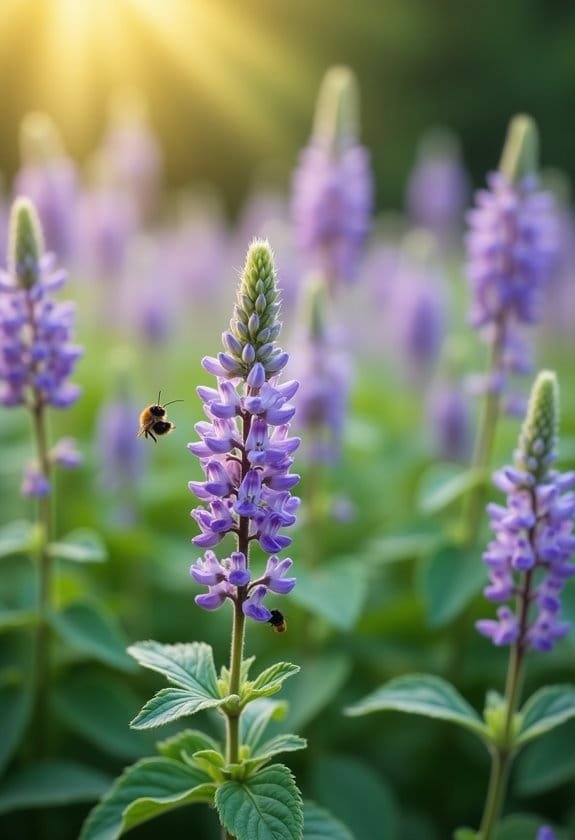
The Nepeta genus, widely recognized for its aromatic foliage and vibrant flowers, encompasses over 250 species, including the popular Nepeta cataria and Nepeta faassenii. Known commonly as catmint or catnip, these plants thrive in full sun and well-drained soil, flourishing in a variety of climates. Their blooming periods often extend from late spring into autumn, displaying an array of colors such as white, lavender, and blue.
Most Nepeta species boast hardiness across USDA zones 3 to 9, making them suitable for various environments, including rocky and clay soils. Their clumping growth habit not only enhances landscape aesthetics, but also attracts beneficial pollinators like bees and butterflies, enriching local ecosystems. Additionally, these plants serve as natural pest deterrents, offering organic solutions for garden enthusiasts.
To manage their growth effectively, the cultivation of specific sterile hybrids, particularly Nepeta faassenii, is recommended. By preventing aggressive spreading, gardeners can enjoy the beauty and benefits of Nepeta (Catmint) without overwhelming their landscapes.