Nicotiana Alata, commonly called Flowering Tobacco, captivates with its aromatic, tubular flowers, typically blooming in shades of white, red, and lime green. This perennial, native to southern Brazil and northern Argentina, grows to heights of 3 to 5 feet, requiring full sun or partial shade and rich, well-drained soil. Its flowers, which attract nocturnal pollinators like moths, are ephemeral, lasting only a single night. Despite its ornamental beauty, all parts of the plant contain nicotine, posing risks to children and pets. With appropriate care, including regular moisture and pest management, this alluring species becomes a dazzling addition to any garden. More insights await.
Main Points
- Nicotiana alata, commonly known as Flowering Tobacco, is native to southern Brazil and northern Argentina and grows 3 to 5 feet tall.
- The plant features fragrant, tubular flowers in colors like white, red, and lime green, blooming mainly in the evenings.
- Flowering Tobacco thrives in rich, well-drained soil with full sun to partial shade and requires consistent moisture for optimal growth.
- It contains nicotine in all parts, making it toxic to pets and children, necessitating careful placement in gardens.
- Flowering Tobacco attracts nocturnal pollinators and enhances local biodiversity, blooming from early summer until the first frost.
Introduction
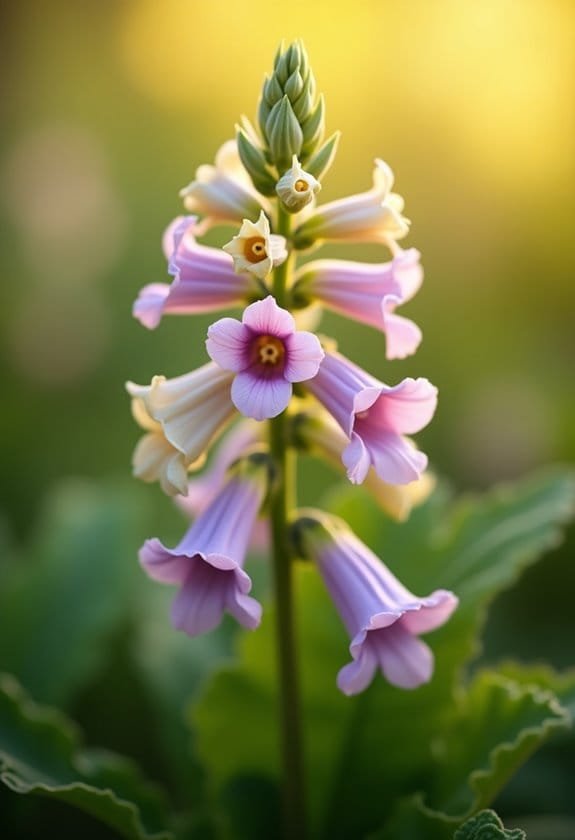
Nicotiana alata, known as Flowering Tobacco, stands out within the diverse Solanaceae family due to its alluring fragrant blooms and distinctive nocturnal pollination habits.
Originating from southern Brazil and northern Argentina, this plant typically grows 3 to 5 feet tall, showcasing tubular flowers that exhibit a spectrum of colors, including white, red, and lime green.
While its beauty enchants garden enthusiasts, it's essential to recognize that every part of this plant contains nicotine, necessitating caution around children and pets.
Common Name
Flowering Tobacco, often called Jasmine Tobacco or Sweet Tobacco, captivates admirers with its fragrant blooms. This enchanting plant, belonging to the Nicotiana genus, is renowned for its delightful night-time scent, appealing to nocturnal pollinators. As a native of South America, Flowering Tobacco thrives in regions such as southern Brazil, northern Argentina, Paraguay, Uruguay, and Colombia.
Known for its distinctive, trumpet-shaped flowers, which can range from pristine white to deep purple, the plant is often referred to as Night-scented Tobacco. Its fuzzy foliage serves as a backdrop for these stunning, sweet-scented blooms that release their fragrance after sunset, creating an intoxicating atmosphere in gardens during the evening hours.
The association with tobacco is remarkable, but Flowering Tobacco differs greatly from its relative, Nicotiana tabacum, which is used primarily for smoking products. This distinction emphasizes the ornamental value of Flowering Tobacco, as it enchants with its visual and olfactory appeal rather than serving as a source of traditional tobacco.
Indeed, its alluring fragrant flowers invite admiration and elevate the aesthetic experience of any garden, enchanting both gardeners and visitors alike.
Scientific Name
The scientific designation for Flowering Tobacco is Nicotiana alata, which belongs to the Solanaceae family. This family, often referred to as the nightshade family, encompasses a diverse range of plants, including tomatoes and potatoes.
The genus Nicotiana consists of over 60 species, with Nicotiana alata primarily cultivated for its ornamental beauty rather than the production of smoking tobacco.
Introduced to the English garden scene in 1829, this species has played a significant role in ornamental horticulture, enchanting gardeners with its striking blooms.
The name "Nicotiana" honors Jean Nicot, a significant figure who introduced tobacco to the French court, thereby intertwining history and botany. Meanwhile, "alata," derived from Latin, signifies the winged appearance of its leaves, further enhancing its allure.
Moreover, Nicotiana alata distinguishes itself from its more notorious relative, Nicotiana tabacum, which is the primary source of commercial tobacco used for smoking.
This contrast highlights the diverse applications and cultural significance of various Nicotiana species, each with unique characteristics and legacies in horticulture.
Overview
In gardens around the world, Nicotiana alata captivates with its enchanting blooms and alluring fragrance. Known as flowering tobacco or jasmine tobacco, this perennial herb hails from South America's Brazil and Argentina. It typically reaches a height of 3 to 5 feet, showcasing sweet-scented, tubular flowers that present a palette of colors, including white, purple, and lime green.
These flowers bloom primarily in the evening or during cooler parts of the day, casting a spell on nighttime visitors.
Thriving in rich, well-drained soil, Nicotiana alata prefers full sun to partial shade, requiring at least six hours of sunlight daily for ideal growth. This remarkable plant attracts nocturnal pollinators, such as moths and hummingbirds, enriching gardens and enhancing biodiversity.
However, all parts of the flowering tobacco contain nicotine, rendering them toxic to humans and pets, which necessitates caution when planting around children and animals.
As a stunning addition to any garden, Nicotiana alata not only beautifies spaces but also supports essential ecological interactions. Its alluring flowers serve as a vibrant reminder of the interconnectedness of life, even as they carry inherent risks.
Key Features
Nicotiana alata showcases impressive characteristics that make it a striking addition to any garden.
Growing between 3 to 5 feet tall with a width of 1 to 2 feet, its fuzzy green leaves provide a lush backdrop for the exquisite, trumpet-shaped flowers that bloom primarily at night.
With their vibrant colors and alluring fragrance, these flowers not only captivate onlookers but also attract nocturnal pollinators, further enriching the garden's ecosystem.
Growth Size
Growing up to 3 to 5 feet tall and 1 to 2 feet wide, Nicotiana alata makes a striking impact in any garden landscape. This flowering tobacco exhibits a remarkable growth size that commands attention, particularly in their full bloom.
Young plants experience rapid growth, enabling them to adapt easily, whether treated as an annual or a short-lived perennial.
For ideal development, gardeners should provide each Nicotiana alata plant with 12-14 inches of spacing. This spacing allows ample airflow and nutrient access, which are essential for healthy and vigorous growth.
The plant's fuzzy foliage and delightful, trumpet-like flowers, available in a spectrum from white to deep purple, thrive particularly well between early summer and the first frost.
During this time, the blossoms emit an enchanting fragrance, especially in the cooler shifts of day and night.
Appearance
Flowering Tobacco makes a stunning addition to any garden with its tall stature and vibrant blooms. Typically growing between 3 to 5 feet in height and 1 to 2 feet in spread, this plant creates a prominent, eye-catching feature. Its lush appearance is enhanced by fuzzy, oval-shaped leaves that display a rich green hue, harmonizing beautifully with its spectacular flowers.
The plant is renowned for its fragrant, tubular flowers that bloom in the cool evenings. These trumpet-shaped blossoms exhibit a delightful range of colors, from pure white to various shades of purple, and even lime green in specific varieties.
Clusters of these flowers attract nocturnal pollinators, such as moths, drawn to their jasmine-like scent, which adds an alluring charm to the garden at dusk. Each flower cluster serves as a calling card for the night, inviting further exploration of this unique species.
Flowering Season
With its enchanting blooms, the flowering season of Flowering Tobacco is a remarkable highlight of the garden. This fascinating plant, Nicotiana alata, showcases its beauty from early summer to the first frost, offering continuous floral displays throughout the growing season.
Each flower, although short-lived—lasting only a single night—opens during the twilight hours, emitting a delightful fragrance that attracts nocturnal pollinators. The flowers are typically tubular and can vary in color from delicate white to rich purple; the Grandiflora variety is particularly celebrated for its large, creamy white flowers that enthrall viewers.
As the flowering occurs in cycles, new blooms emerge to replace fading ones, ensuring an ongoing spectacle that enchants all who pass by. Healthy specimens can achieve heights of 3 to 5 feet, requiring approximately 12-14 inches of spacing for ideal air circulation and light exposure.
This care enables each plant to flourish, promoting a lush and aromatic ambiance. Flowering Tobacco's remarkable adaptability not only enhances garden aesthetics but also supports local biodiversity, merging beauty with ecological importance in a thrilling dance of life.
Growing Requirements
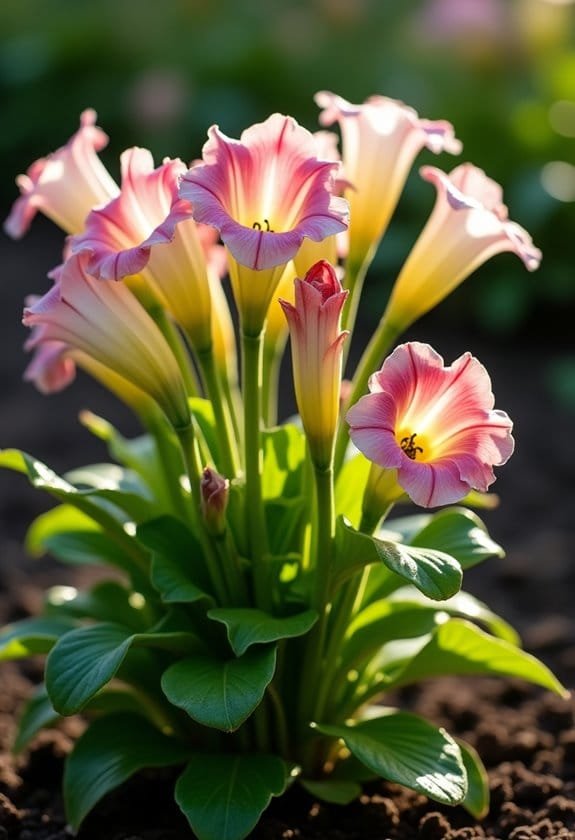
Nicotiana alata flourishes under a spectrum of light conditions, necessitating a minimum of six hours of sunlight daily to achieve its full growth potential.
This plant prefers well-drained, organic-rich soil, yet it demonstrates remarkable adaptability to various soil types, requiring regular watering to keep the soil consistently moist.
For ideal germination, seeds should be sown indoors at a soil temperature of around 70 degrees Fahrenheit, with seedlings transplanted outdoors post-frost, ensuring they're properly acclimatized to prevent transplant shock.
Light
For ideal growth and blooming, this plant thrives in full sun, needing at least six hours of direct sunlight each day. While Nicotiana alata can tolerate partial shade, especially in hotter climates, consistent exposure to bright light considerably enhances both flower production and fragrance, making it a favorite among gardeners working for vibrant displays.
In areas with extreme conditions—whether heat or cold—these plants may struggle; therefore, moderate temperatures promote their best growth. Proper light exposure isn't just a suggestion; it's essential for preventing leggy growth, which occurs when plants stretch towards inadequate lighting and fail to produce abundant blooms.
This phenomenon compromises their aesthetic appeal and overall health. For those cultivating Nicotiana alata in containers, selecting a location that assures ample sunlight is critical. Placing potted plants in a sunny spot guarantees they remain healthy and vibrant, displaying their beautiful, trumpet-shaped flowers.
Ultimately, understanding the importance of light illuminates the path to successful cultivation. By catering to these sunlight needs, gardeners can create a flourishing environment where Nicotiana alata's charm truly captivates, enhancing outdoor spaces with its exquisite presence.
Soil
Choosing the right soil is crucial for the healthy growth of Flowering Tobacco (Nicotiana alata). This plant thrives in well-drained, organic-rich soil that supports vibrant development.
Ideally, the soil should maintain a pH between 6.0 and 7.0, allowing maximum nutrient uptake essential for flourishing. Additionally, although Flowering Tobacco can tolerate various soil types, rich, loamy soil often yields the best flowering results and overall growth.
To improve soil fertility and drainage, adding organic matter, such as compost, becomes indispensable. This technique not only enhances nutrient richness but also guarantees the soil retains adequate moisture—a critical factor, given the plant's low drought tolerance.
Consequently, maintaining consistent moisture is crucial, especially during hot weather, to prevent stress on the plant.
Employing such soil management strategies transforms the growing environment into a paradise for Flowering Tobacco.
Ultimately, when gardeners prioritize these soil requirements, they cultivate a thriving ecosystem that nurtures both the plant's growth and aesthetic appeal.
Water
Watering is essential for the health of Flowering Tobacco as it thrives in consistently moist soil. This plants' growth hinges on watering practices that maintain adequate moisture levels, particularly when the top inch of soil feels dry to touch.
During hot weather, the need for water intensifies; more frequent watering alleviates stress and promotes robust development.
When cultivated in containers, Flowering Tobacco requires even greater attention regarding moisture, as these pots tend to dry out more rapidly than traditional garden beds. Maintaining consistently moist conditions is crucial; neglecting to do so may result in wilting and diminished vitality.
While the plant favors well-drained, organic-rich soil, the role of water can't be overstated—it becomes the lifeblood that encourages vibrant blooms and overall health.
Careful monitoring of moisture levels is imperative, especially in warmer climates; Flowering Tobacco exhibits low drought tolerance, thriving only when engaged in a nurturing relationship with water.
Temperature
Maintaining proper moisture levels is only part of the equation for growing healthy Nicotiana alata; temperature plays a significant role in its development. This flowering tobacco plant thrives in moderate temperatures, ideally between 60°F and 75°F (15°C to 24°C). Sensitive to frost, it's vital to wait until after the last frost date to plant, ensuring that the young seedlings aren't jeopardized by lingering cold snaps.
In extreme conditions, whether excessively hot or too cold, Nicotiana alata struggles, often resulting in stunted growth and poor flowering. Consequently, gardeners must diligently monitor temperature fluctuations and make adjustments as necessary.
Providing at least 6 hours of sunlight daily not only enhances the plant's overall vigor but also maximizes its flowering potential when temperatures remain within the preferred range.
In cooler weather, performance deteriorates due to inadequate warmth, while scorching heat leads to stress, hindering development. To combat unexpected temperature drops, utilizing sheltered environments or row covers can be beneficial, prolonging the growing season and fostering a robust, flourishing plant that exhibits its enchanting blooms proudly.
Pollinator Criteria
Nicotiana alata, with its aromatic, tubular blossoms, appeals primarily to nocturnal pollinators like moths and hummingbirds due to its strategic bloom timing and delightful scent.
These flowers open at dusk, releasing sweet nectar that not only provides essential energy but also signals to these important species that pollination is ready to commence.
This targeted attraction not only enhances the survival of pollinators but also supports the intricate web of life within ecological gardens, fostering biodiversity and sustainability.
Attracted Pollinators
The enchanting flowers of Flowering Tobacco (Nicotiana alata) undeniably entice a variety of pollinators, primarily nocturnal moths and hummingbirds.
These exquisite, fragrant blooms open at dusk, revealing their alluring scent that beckons nighttime foragers. The sweet aroma, coupled with their tubular shape, plays a crucial role in attracting moths, whose keen sense of smell guides them to nourishment in the evening garden.
Moreover, hummingbirds are equally drawn to Flowering Tobacco. The nectar-rich flowers provide them with essential sustenance as they flit among various blossoms in search of fuel for their energetic lifestyles.
These open blooms can remain in full glory throughout the night, allowing ample opportunity for pollinators to feed, which is fundamental for the reproductive success of the plant.
Pollination Method
Flowering Tobacco's unique pollination method hinges on its strategic adaptations to attract specific nocturnal and diurnal pollinators. This plant primarily relies on moths, particularly hawk moths, which are drawn to its fragrant, tubular flowers that open at dusk. The sweet-scented, trumpet-shaped blooms release a potent aroma at night, becoming irresistible to these moths.
With specialized long proboscises, these pollinators probe deeply into the blossoms, extracting nectar while effectively transferring pollen, which facilitates successful cross-pollination.
The flowering period from June to September maximizes opportunities for these nocturnal visitors, assuring the plant's reproductive success before cooler autumn temperatures arrive.
However, daytime brings other pollinators into the mix, especially hummingbirds, which are attracted by the vibrant colors of the flowers. These feathered creatures further enhance the plant's pollination capabilities, expanding its pollinator network considerably.
Care & Maintenance
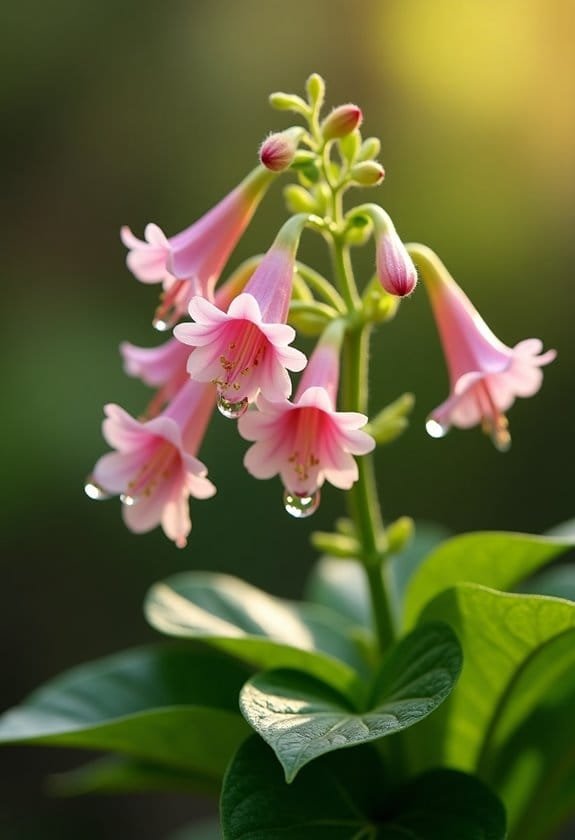
Caring for Nicotiana alata requires attention to key elements that guarantee its robust growth and stunning blooms.
By understanding ideal planting conditions, implementing ongoing care strategies, and selecting suitable companion plants, gardeners can cultivate a flourishing display of this remarkable flowering tobacco.
With at least six hours of sunlight daily, consistent moisture, and regular feeding, Nicotiana alata rewards growers with vibrant flowers that attract pollinators throughout the growing season.
Planting Tips
For successful planting and maintenance of Nicotiana alata, gardeners should focus on providing a suitable environment and consistent care. To begin, sow seeds in rich, well-drained soil that's enhanced with organic matter, guaranteeing the planting area receives full sun exposure for at least six hours daily. This essential sunlight not only promotes peak growth but also encourages a spectacular display of flowers.
Water the plants consistently, keeping the top inch of soil moist, particularly during periods of hot weather; a steady hydration regime is fundamental for their health.
When the plants are young, pinching back the main stem can promote bushier growth, while deadheading spent flowers encourages a continuous bloom cycle throughout the season.
Applying a balanced organic fertilizer monthly during the growing season guarantees the plants receive necessary nutrients for robust development.
For those growing Nicotiana alata in containers, attention to drainage is imperative—as these plants can dry out more quickly than their garden counterparts. Adjusting the watering frequency in line with the container's moisture levels is critical for their thriving.
With these thoughtful planting tips, gardeners set the stage for a lush, vibrant garden.
Ongoing Care
How can gardeners assure Nicotiana alata thrives throughout the growing season? Consistent care, especially with regards to watering, is essential.
Gardeners should confirm the top inch of soil remains moist, particularly in containers where the frequency of watering may increase. Balancing moisture levels is imperative, much like providing hydration to a blooming artist—without it, the vibrancy diminishes.
In addition to watering, regular deadheading of spent flowers fosters continued blooming, allowing the plant to expend energy on developing new flowers rather than on seed production.
Monitoring plant spacing is equally important, as proper airflow mitigates pests and diseases, keeping the plant's health in check.
Monthly applications of a balanced organic fertilizer during the growing season further support Nicotiana alata's healthy development, nourishing its roots and enhancing the vivid hues of its blooms.
Finally, mulching around the base of the plants helps retain soil moisture and suppresses weed growth, benefiting the overall physiology of the plant.
Suggested Companions
Gardening is often enhanced by choosing the right companions for plants like Nicotiana alata, which thrives alongside certain flowering varieties. Beneficial companion plants, such as marigolds and zinnias, not only deter pests but also attract essential pollinators, creating a vibrant ecosystem.
However, it's important to plant flowering tobacco at least 12-14 inches away from other members of the nightshade family to prevent the risk of virus transmission that may jeopardize plant health.
The aromatic allure of Nicotiana alata's fragrant blooms makes it a delightful partner for evening-flowering perennials, enriching the garden's sensory experience. Additionally, applying a layer of mulch around its base serves multiple purposes: it retains soil moisture, suppresses rampant weed growth, and promotes the well-being of surrounding companion plants.
Regular monitoring of companion plants is essential, as flowering tobacco can attract moths and hummingbirds, both of which contribute to the biodiversity within the garden. Furthermore, self-heal's medicinal properties can enhance the ecological balance in the garden, benefiting both plants and pollinators alike.
Common Issues
Flowering tobacco, or Nicotiana alata, faces several common issues that can hinder its growth and importance.
Among these, pests like flea beetles and tobacco hornworms can wreak havoc on the foliage, while the tobacco mosaic virus poses a significant threat, causing distressing symptoms such as leaf yellowing and stunted development.
To safeguard these delicate plants, effective management strategies, such as monitoring for pests and ensuring proper spacing, are essential to fostering a healthy growing environment.
Pests/Diseases
Although Nicotiana alata, commonly known as flowering tobacco, is generally resilient, it can still face several common pests and diseases that challenge its health.
One notable pest is the flea beetle, which creates tiny, unsightly holes in the leaves, thereby compromising the plant's aesthetic appeal and overall vigor. Additionally, the formidable tobacco hornworm, a large green caterpillar, voraciously feeds on foliage, stripping plants of their leaves and weakening their growth potential.
While flowering tobacco exhibits strong resistance to many diseases, it remains susceptible to tobacco mosaic virus. This viral infection manifests as yellowing leaves and stunted growth, ultimately necessitating the removal of affected plants to prevent spread.
Regular monitoring for pests, particularly aphids, is essential, especially late in the growing season, as infestations can escalate quickly and may require prompt intervention.
To combat these challenges, growers can implement barrier methods like row covers, which reduce pest infestations while promoting healthy air circulation around the plants.
Remarkably, Nicotiana alata also possesses insecticidal properties due to its nicotine content, serving as a natural deterrent against some pests while attracting beneficial insects, such as pollinators, enhancing the garden's ecosystem.
Solutions
Managing common issues in Nicotiana alata starts with addressing pest and disease challenges effectively. Flowering tobacco plants often suffer from serious pests such as flea beetles and tobacco hornworms, which can lead to considerable damage. Regular monitoring of these pests is essential, as early intervention can mitigate their populations and preserve plant health.
Additionally, yellowing leaves may indicate tobacco mosaic virus, necessitating the immediate removal of affected plants to halt any potential spread.
Optimal watering practices are essential for growth since Nicotiana alata exhibits low drought tolerance. In hot weather, maintaining consistently moist soil is critical, fostering the robust development of these striking specimens. Comfrey's deep taproot system can be a helpful resource for nutrient extraction in surrounding soil, improving overall garden health.
By utilizing high-quality seeds, gardeners can further improve their chances of cultivating resilient plants. To enhance overall appearance and improve flower production, pinching the center stem of young plants encourages bushier growth.
Lastly, applying a balanced organic fertilizer monthly during the growing season will greatly increase flowering and plant vitality, ensuring a vibrant display.
With attentive care and proactive measures, gardeners can enjoy the enchanting blooms of Nicotiana alata while minimizing issues that may arise along the way.
Summary
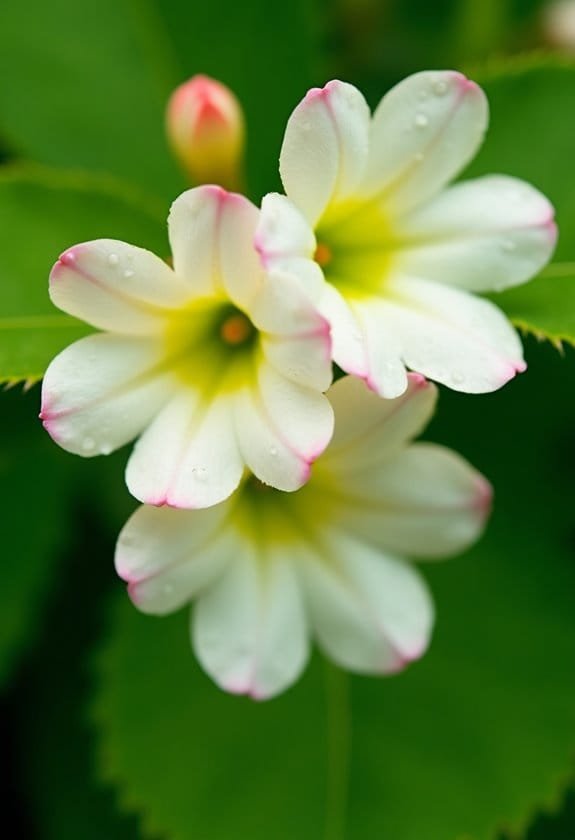
Native to South America, Nicotiana alata, commonly called flowering tobacco, features fragrant tubular flowers that bloom at night. This annual or tender perennial grows between 3 to 5 feet tall and thrives best in well-drained, organic-rich soil, enjoying full sun to partial shade while requiring consistent moisture to flourish.
The plant showcases visually striking flowers in various colors, which attract nocturnal pollinators such as moths and hummingbirds, rendering it an excellent choice for night gardens.
To cultivate flowering tobacco, gardeners should start seeds indoors 6-8 weeks before the last frost date. Remarkably, this species can also self-seed, extending its bloom season from early summer until the first frost.
However, caution is essential; the plant contains nicotine, rendering its parts toxic to both pets and humans. Gardeners should consider placing flowering tobacco in areas that are inaccessible to children and animals to prevent any adverse interactions.