Nicotiana sylvestris, or flowering tobacco, is an eye-catching perennial native to northwestern Argentina, distinguished by its impressive height of 3 to 5 feet and large, trumpet-shaped white flowers. These flowers bloom from June until frost, releasing a strong jasmine-like fragrance that attracts nocturnal pollinators, especially sphinx moths. Thriving in rich, well-drained soils with full sun exposure, this plant requires approximately 12 hours of sunlight daily and consistent moisture for ideal growth. With low nicotine content and a role in enhancing biodiversity, it exemplifies both beauty and ecological significance—an intriguing topic that invites further exploration.
Main Points
- Nicotiana sylvestris, or flowering tobacco, is a tall plant with large white, fragrant flowers that bloom from June to frost.
- It thrives in rich, well-drained soils, prefers full sun, and requires consistent moisture for optimal growth.
- The plant attracts nocturnal pollinators like sphinx moths, enhancing biodiversity in gardens.
- It has low nicotine content compared to other tobacco species, making it more environmentally friendly.
- Regular pruning and monitoring for pests help maintain its health and vigor in the garden.
Introduction
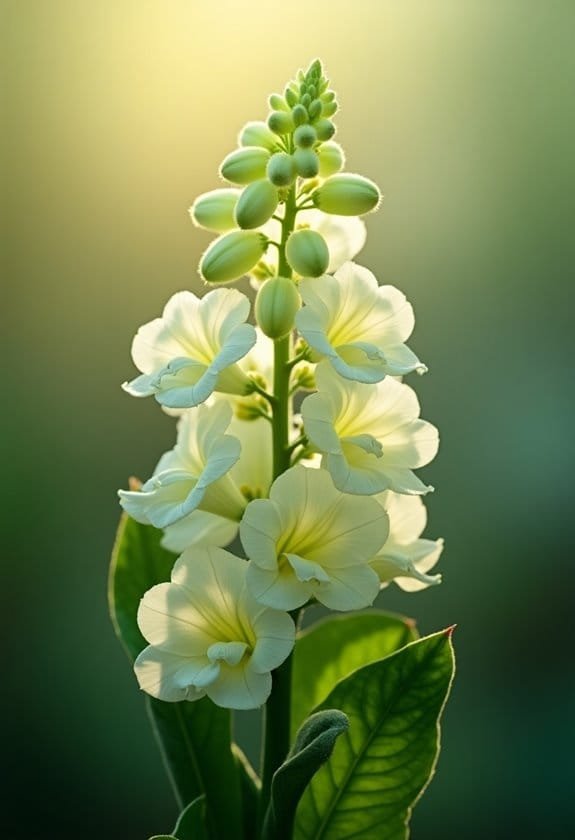
Nicotiana sylvestris, commonly known as flowering tobacco, captivates enthusiasts with its striking beauty and enchanting aroma.
Native to northwestern Argentina, this tender perennial can reach heights of up to 5 feet, showcasing its tubular white flowers that bloom from June until the frost's arrival.
With its ability to adapt to diverse garden conditions and attract pollinators, flowering tobacco stands as a remarkable choice for creating visually appealing and fragrant landscapes.
Common Name
Flowering Tobacco, often recognized by its striking trumpet-shaped white flowers, captivates gardeners and plant enthusiasts alike. This enchanting plant, known scientifically as Nicotiana sylvestris, showcases a distinct beauty that enhances any garden.
Its alternate name, night-scented tobacco, hints at the sweet fragrance that permeates the evening air, attracting pollinators and providing delightful olfactory experiences.
The moniker South American tobacco reflects its indigenous regions in the Andes of Argentina and Bolivia, where it thrives among other flora. Additionally, woodland tobacco underscores its preference for shaded, wooded environments, further illustrating its adaptability.
While many associate tobacco with recreational use, it's essential to mention that Flowering Tobacco possesses a low nicotine content, rendering it unsuitable for consumption.
Botanists sometimes refer to this species as White Shooting Stars due to the unique shape of its delicate flowers, contributing to its allure in landscape design.
The plant's combination of ornamental value and sweet aroma plays a significant role in its popularity among horticulturists. Fundamentally, Flowering Tobacco stands as a reflection of nature's artistry, offering both visual and sensory enjoyment to all who experience it.
Scientific Name
The scientific name for flowering tobacco, Nicotiana sylvestris, highlights its place within the diverse Nicotiana genus, which includes numerous species known for their ornamental qualities. This genus, part of the Solanaceae family, encompasses over 60 species, prominently featuring Nicotiana tabacum, recognized for its agricultural significance.
Native to northwestern Argentina, N. sylvestris typically grows to heights of 3 to 5 feet, boasting lush, dramatic leaves and clusters of fragrant white flowers that bloom from June until the first frost.
The classification signified by its scientific name provides insight into the plant's morphology and habitat needs. Nicotiana sylvestris thrives in rich, well-amended soils, favoring full sun or partial shade, which complements its striking appearance in gardens.
Each plant produces numerous tiny brown seeds contained within rounded capsules, ensuring prolific self-seeding potential and naturalization in suitable environments. This ability to establish itself effortlessly speaks to its resilience, a quality found in many members of the Nicotiana genus.
In this way, understanding its scientific name not only categorizes the species but also hints at its ecological adaptability and ornamental charm.
Overview
Growing vibrantly in gardens, Nicotiana sylvestris, or flowering tobacco, offers an enchanting display with its tall stature and fragrant blooms. This tender perennial, native to northwestern Argentina, is often grown as an annual in cooler climates, where it reaches heights of 3 to 5 feet.
The plant showcases large, rough leaves that can measure up to 18 inches long, enveloping clusters of striking, white tubular flowers. From June until the first frost, these fragrant flowers release a sweet, mesmerizing scent, attracting nocturnal pollinators such as sphinx moths.
Each flower contributes to the plant's reproductive success by producing numerous tiny seeds housed in rounded capsules, allowing Nicotiana sylvestris to self-seed and naturalize in disturbed areas. Thriving in rich, well-amended soils with ample sunlight, flowering tobacco makes a delightful addition to borders, cottage gardens, and nighttime gardens.
Gardeners appreciate its compatibility with other plants, enhancing landscapes while providing essential habitats for pollinating insects. Overall, Nicotiana sylvestris stands out not just for its visual appeal but also for its ecological contributions and the aromatic atmosphere it generates during summer evenings.
Key Features
Nicotiana sylvestris stands out in any garden, typically reaching heights of 3 to 5 feet and extending 2 feet across, offering a lush visual appeal.
Its striking appearance is complemented by large, rough leaves that can grow up to 18 inches long, enhancing both texture and interest.
Flowering in the evening, the plant produces fragrant, trumpet-shaped white blossoms that attract an array of wildlife, enriching local biodiversity and creating a vibrant ecosystem.
Growth Size
Typically reaching heights of 3 to 5 feet, Nicotiana sylvestris showcases strong, upright growth that can span up to 2 feet wide. This remarkable growth size allows the plant to stand out in any garden setting, effectively drawing attention with its robust stature.
Under ideal conditions, particularly in full sun, the flowering tobacco develops lush foliage, with leaves that can stretch up to 18 inches in length, further enhancing its visual appeal.
The plant's growth is characterized by a central spike, which ascends rapidly, supporting smaller leaves as it rises. This intriguing structure adds a dynamic element to its overall form. Although Nicotiana sylvestris possesses sturdy stems to withstand environmental challenges, staking may be necessary in windy areas to prevent breakage, ensuring that its impressive height remains an asset rather than a liability.
Each plant produces abundant tiny seeds contained in rounded capsules, promoting effortless self-seeding when conditions suit. Consequently, gardeners can enjoy continual growth and vibrancy year after year, as this extraordinary species flourishes, providing both beauty and ecological benefits to its surroundings.
Appearance
With its robust stature, Nicotiana sylvestris enchants the eye through its striking features. This remarkable species of flowering tobacco can reach heights of 3 to 5 feet (approximately 0.9 to 1.5 meters), creating a substantial presence in any garden.
Tobacco plants like this one are adorned with large, dramatic leaves that can extend up to 18 inches long, their rough surfaces covered with glandular hairs that serve to protect against herbivores.
The highlight of this plant lies in its stunning white flowers. These tubular, star-shaped blooms cluster in pendant formations, exuding a fascinating, sweet fragrance that intensifies during the evening hours. This olfactory allure draws pollinators and passersby alike, enhancing the garden's sensory experience.
Flowering tobacco's prolonged blooming period, from June until the first frost, guarantees a vibrant spectacle.
Each flower produces numerous tiny brown seeds housed in rounded capsules, a feature that tempts self-seeding in favorable conditions. Consequently, Nicotiana sylvestris not only enhances visual allure but also contributes to the ecological dynamics of its environment, solidifying its role as a striking and functional addition to ornamental gardens.
Flowering Season
The flowering season of Nicotiana sylvestris captivates with vibrant displays that last from June until the first frost. This plant, renowned for its striking appearance, produces trumpet-shaped white flowers that grace the landscape throughout the summer months.
Blooming mainly from July through September, these flowers create a breathtaking spectacle, injecting late summer color into gardens as other species begin to fade.
The fragrant clusters of white flowers emit a strong, jasmine-like scent, particularly pronounced during the night. This nocturnal aroma attracts essential pollinators, such as sphinx moths, ensuring successful reproduction.
Each flower, with its delicate structure, harbors numerous tiny seeds within rounded capsules. This natural self-seeding process allows Nicotiana sylvestris to establish itself in suitable environments, promoting its spread.
As the first frost approaches, these flowers depart, yet their legacy continues, with the seeds ready to germinate in the upcoming growing season.
Consequently, observing the flowering season of Nicotiana sylvestris not only enchants the senses but also showcases nature's intricate web of life, intertwining beauty and ecological resilience.
Growing Requirements
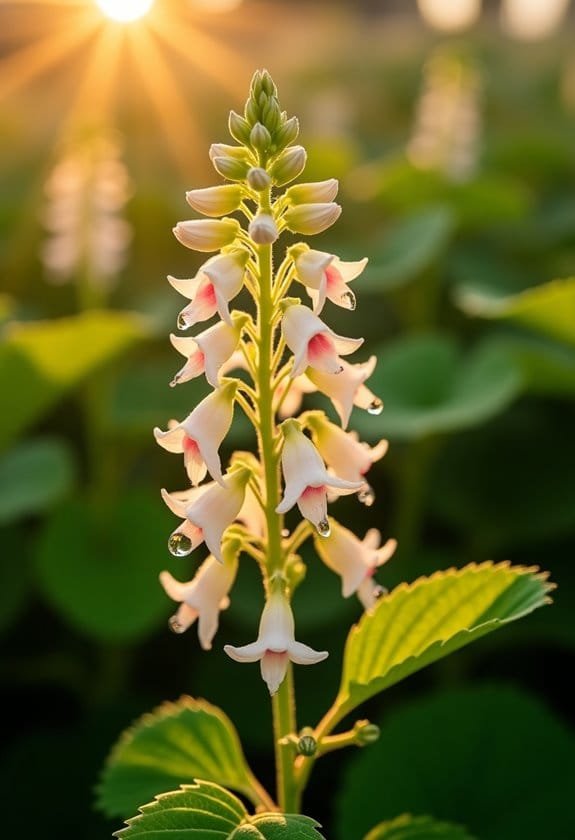
Nicotiana sylvestris flourishes in rich, well-amended soils where moderate moisture levels are maintained, showcasing its preference for full sun, although it can adapt to partial shade in hotter climates.
This remarkable plant reaches heights of 3 to 5 feet, making it a striking backdrop in flowerbeds or along fences.
To cultivate these visually appealing specimens successfully, one must consider essential requirements like consistent watering, adequate light exposure, and nutrient-rich soil to support their growth.
Light
Full sunlight is essential for the thriving growth of Nicotiana sylvestris, ideally requiring around 12 hours of light per day to encourage vigorous germination and flowering.
While this flowering tobacco plant flourishes best in bright, direct sunlight, it can tolerate partial shade, particularly in hotter climates where excessive sun exposure might stress the plant. Even in shaded areas, Nicotiana sylvestris may grow, but this reduced light can limit the plant's blooms and decrease the intensity of its fragrance.
Providing bright, indirect light helps prevent leggy growth, resulting in a more robust and visually appealing plant.
Adequate exposure to light greatly enhances the aroma of the plant's distinctive white trumpet-shaped flowers, making them irresistibly attractive to pollinators.
When grown under ideal light conditions, these flowers exhibit not only more vibrant blooms but also a stronger scent, drawing beneficial insects to aid in pollination.
Soil
Thriving in organically rich, well-drained soil, Nicotiana sylvestris requires an environment that maintains moderate moisture levels for ideal growth. This flowering tobacco appreciates soil with a slightly acidic to neutral pH, ideally ranging between 6.0 and 7.0, as this pH range fosters healthy root development and nutrient absorption.
Additionally, incorporating organic matter, such as compost, into the soil can greatly enhance nutrient availability and improve overall soil structure, giving the plant an essential boost.
While flowering tobacco can tolerate partial shade, it flourishes best in full sun conditions, which further supports its robust growth and vibrant blossoms. Regular checks on soil moisture levels are important, particularly during hot weather, to maintain the necessary moisture balance that guarantees vigorous growth.
By creating a cozy, organically rich habitat, gardeners can help Nicotiana sylvestris thrive, resulting in stunning floral displays and healthy plants.
In essence, providing the right soil conditions, maintaining adequate moisture, and checking pH levels are key steps in successfully cultivating this beautiful flowering tobacco that brightens gardens and landscapes.
Water
When it comes to watering Nicotiana sylvestris, maintaining moderate moisture levels is vital for its growth. This flowering tobacco thrives in conditions with regular watering, particularly during hot weather when its water needs increase. Ideal growth occurs in well-drained, organically rich soils that can retain moisture without becoming waterlogged, guaranteeing that the roots have adequate hydration.
However, overwatering should be avoided, as it can lead directly to root rot, a detrimental condition that compromises plant health.
While Nicotiana sylvestris may tolerate some dappled shade, it flourishes best under full sun, which aids in meeting its moisture requirements effectively. During periods of drought, careful attention to maintaining soil moisture becomes critical; this plant is particularly sensitive to prolonged dry spells that may negatively impact flowering and overall vigor.
Therefore, gardeners should monitor the soil moisture levels regularly, adjusting their watering practices accordingly. By doing so, they'll guarantee this beautiful plant receives the necessary hydration, promoting robust growth and vibrant blooms that showcase the botanical wonders of Nicotiana sylvestris.
Temperature
Nicotiana sylvestris grows best in temperatures between 20°C and 30°C (68°F to 86°F), creating ideal conditions for vibrant flowering and robust development. This temperature range nurtures the plant's growth, allowing it to flourish, producing striking blooms cherished by gardeners.
While flowering tobacco prefers full sun exposure for peak health, it can tolerate partial shade, particularly in hotter climates, which helps mitigate the risk of heat stress.
Soil temperature plays a vital role during germination; seeds require warmth and light for effective sprouting. In typical scenarios, maintaining a warm soil environment encourages quicker and more vigorous germination, setting the stage for healthy plants.
As a tender perennial, Nicotiana sylvestris is hardy to zone 10. However, in cooler regions, it's commonly grown as an annual to avoid frost damage, which can substantially hinder growth and flowering.
Regular monitoring of temperature extremes is important, as even mild frost can severely impact the overall vigor of the plant. By adhering to these temperature guidelines, gardeners guarantee that their Nicotiana sylvestris not only survives but thrives, contributing beauty and fragrance to their outdoor spaces.
Pollinator Criteria
Nicotiana sylvestris stands out for its ability to attract a diverse array of pollinators due to its trumpet-shaped, fragrant flowers, primarily drawing in hummingbirds and nocturnal moths.
This plant employs both self-pollination and cross-pollination methods, bolstering its reproductive success across various environmental conditions. Additionally, like Common Yarrow, it plays a vital role in supporting pollinator populations, thereby enhancing local biodiversity. Through its strong evening aroma, it creates a welcoming atmosphere for pollinators, emphasizing its importance in promoting healthy ecosystems, particularly in nighttime gardens. Furthermore, it is essential to consider pollinator attraction when selecting plants for gardening, as their presence significantly contributes to ecosystem health.
Attracted Pollinators
While many plants rely on daytime pollinators, Nicotiana sylvestris stands out by attracting nocturnal species, particularly with its fragrant, jasmine-like aroma released in the evening. This tender perennial lures sphinx moths, which are drawn to its sweet scent, showcasing a fascinating relationship between plant and pollinator.
Meanwhile, the trumpet-shaped white flowers create clusters, visually appealing not only to these moths but also to hummingbirds and various bees.
The blooming period of Flowering Tobacco extends from June until frost, ensuring a continuous food source throughout the summer months for attracted pollinators. With its self-pollinating nature, this remarkable plant not only effectively reproduces to maintain its population but also bolsters local pollinator communities by providing ample resources.
By cultivating Nicotiana sylvestris in home gardens, gardeners contribute notably to enhancing biodiversity, fostering healthier ecosystems.
In supporting a diverse range of pollinators, Flowering Tobacco serves as a crucial player in the delicate balance of pollination and reproduction, ultimately promoting ecological sustainability.
Consequently, gardeners not only enjoy the beauty of this plant but also participate in an essential act of environmental stewardship.
Pollination Method
At night, the tubular structure of Nicotiana sylvestris flowers specifically caters to nocturnal pollinators like sphinx moths. These flowers, part of the nightshade family, release a sweet fragrance that intensifies during evening hours, inviting these winged visitors. The design and aroma of the flowers create an effective pollination method that prioritizes the needs of nighttime pollinators and promotes reproductive success.
Despite their reliance on nocturnal pollinators, these resilient plants also exhibit high levels of self-pollination. This self-sufficient reproductive strategy guarantees they produce seeds, even when external pollinators are scarce.
In floral clusters, Nicotiana sylvestris offers copious amounts of nectar, presenting an enticing food source that rewards visiting sphinx moths for their role in the pollination process.
The blending of night-blooming scents and efficient pollination tactics allows Nicotiana sylvestris to thrive in diverse garden settings. This adaptability is vital for effective seed production and overall growth, sustaining their presence across various ecosystems.
Ultimately, understanding the pollination method of Nicotiana sylvestris reveals its intricate relationship with nature, underscoring the significance of pollinators in maintaining biological diversity.
Care & Maintenance
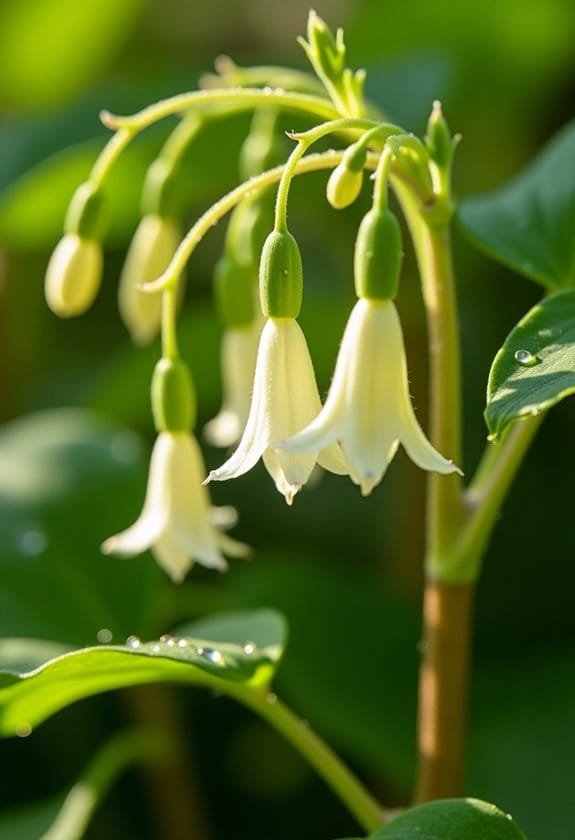
Caring for Nicotiana sylvestris involves mindful attention to its growing conditions and overall health.
This resilient flowering tobacco flourishes best in rich, well-nourished soils, where moderate moisture sustains its robust growth, particularly during the warm summer months.
Pruning yellowing leaves not only enhances the plant's sturdiness but also promotes vigorous flowering, establishing a harmonious balance between maintenance and natural beauty.
Planting Tips
To guarantee healthy growth and vibrant blooms, planting Nicotiana sylvestris requires attention to its specific needs. This striking Nicotiana species thrives in rich, well-amended soil, ideally situated in full sun but tolerating partial shade, especially in warmer climates where the intensity of sunlight can be overwhelming.
To successfully cultivate these flowers, one should surface sow the seeds, covering them lightly for germination, which occurs within 1½ to 3 weeks under optimum conditions of 12 hours of light per day. Timing plays an essential role in transplantation; seedlings should be moved outdoors only after the last frost.
Careful handling during this process is important, as the plants exhibit sensitivity to root disturbance. Moreover, staking may be required for taller varieties to prevent leaning or breakage caused by strong winds, ensuring their architectural beauty remains intact.
For the best results, plant near complementary species that flourish in similar conditions, supporting a diverse garden ecosystem. These thoughtful practices will cultivate a stunning display of Nicotiana sylvestris, inviting admiration from every visitor.
Ongoing Care
Once Nicotiana sylvestris has been successfully transplanted, ongoing care becomes essential for ensuring stunning blooms and robust plants. Regularly watering these plants, particularly during hot weather, helps maintain moderate soil moisture, which is crucial for healthy growth.
Pruning taller varieties is also advisable; it promotes sturdiness and prevents them from toppling in strong winds, allowing the plants to flourish under various conditions.
While deadheading isn't strictly necessary, removing spent blooms can encourage continued flowering throughout the growing season, enhancing the plant's visual impact. Additionally, monitoring for aphids in late summer is critical, as these pests can infest the plant and disrupt its growth. Employing trap crops may effectively mitigate this issue, creating a balanced ecosystem in your garden.
To sustain vibrant growth and prolific blooms, fertilizing with an organic flower fertilizer is recommended, bolstering the plant's vigor.
Suggested Companions
What makes gardening with Nicotiana sylvestris more rewarding is its ability to blend beautifully with various companion plants. A harmonious pairing occurs when it shares space with late-blooming roses, enhancing visual appeal through contrasting colors and fragrances.
The subtle white flowers of Nicotiana thrive alongside ornamental flora such as cleome and cosmos. These companions contribute complementary aesthetics while ensuring they don't compete for the same nutrient resources in the soil.
Verbena bonariensis, recognized for its tall stature, serves as an excellent backdrop, elevating the fragrant allure of flowering tobacco. Meanwhile, incorporating ornamental grasses can add essential texture and structural interest. These plants transform a garden plot into a dynamic visual experience, drawing the eye while retaining harmony. Additionally, the importance of certain soil types cannot be understated, as diverse companion plants thrive best in environments that resemble their native habitats.
However, gardeners should be cautious of planting Nicotiana near other nightshade family members, as these can attract pests detrimental to the health of flowering tobacco.
Common Issues
Nicotiana sylvestris frequently encounters pest issues, particularly from aphids and beetles, which can severely compromise its health if left unchecked.
Regular vigilance in monitoring these pests, coupled with the establishment of ideal growing conditions—such as nutrient-rich, well-drained soil and ample sunlight—can greatly reduce these risks and promote healthier growth.
Additionally, careful placement away from other nightshade family plants is essential to limit susceptibility to diseases, including the pernicious tobacco mosaic virus, ensuring a robust blooming season.
Pests/Diseases
Flowering tobacco often faces several common pests and diseases that can impact its growth and overall health. Among these, aphids are particularly troublesome, often infesting the plant late in the growing season. These tiny sap-sucking pests cause noticeable leaf curling and a decline in vigor, considerably reducing the plant's vitality.
Beetles, while less frequent, can also attack flowering tobacco, leading to defoliation and further stress on the plant, making monitoring imperative.
Additionally, flowering tobacco is susceptible to tobacco mosaic virus (TMV), a viral infection that can spread from nearby crops within the nightshade family. TMV causes mottled leaves, resulting in stunted growth and compromising the plant's aesthetic appeal.
Prolonged moisture can foster fungal diseases, threatening the integrity of the corresponding foliage. To alleviate these potential issues, guaranteeing adequate air circulation and avoiding overhead watering are essential practices.
Regularly monitoring for these pests and diseases is fundamental for maintaining plant health. Implementing protective measures, such as organic insecticidal soap, can help manage pest populations effectively.
Solutions
Effective management of common issues faced by Nicotiana sylvestris involves a few key strategies. To combat pests like aphids and beetles, consistent monitoring is essential. Early detection enables swift intervention, which can greatly reduce infestations and safeguard the plant's vigor. Regularly inspecting leaves and stems for signs of aphid activity helps maintain ideal health.
Furthermore, to minimize the risk of disease, particularly the tobacco mosaic virus, gardeners should avoid planting flowering tobacco near other members of the nightshade family. This precaution can notably limit viral transmission, promoting a more resilient environment.
Additionally, planting in well-drained soil encourages healthy root systems, thereby reducing the risk of waterborne diseases that may affect flowering tobacco. Ensuring adequate airflow around the plants is another critical factor that supports disease prevention, as stagnation can lead to fungal infections.
Lastly, due to the upright growth habit of Nicotiana sylvestris, staking may be necessary to support these plants during strong winds. By implementing these thorough strategies, gardeners can foster robust plants that thrive, while effectively mitigating the challenges posed by pests and diseases.
Summary
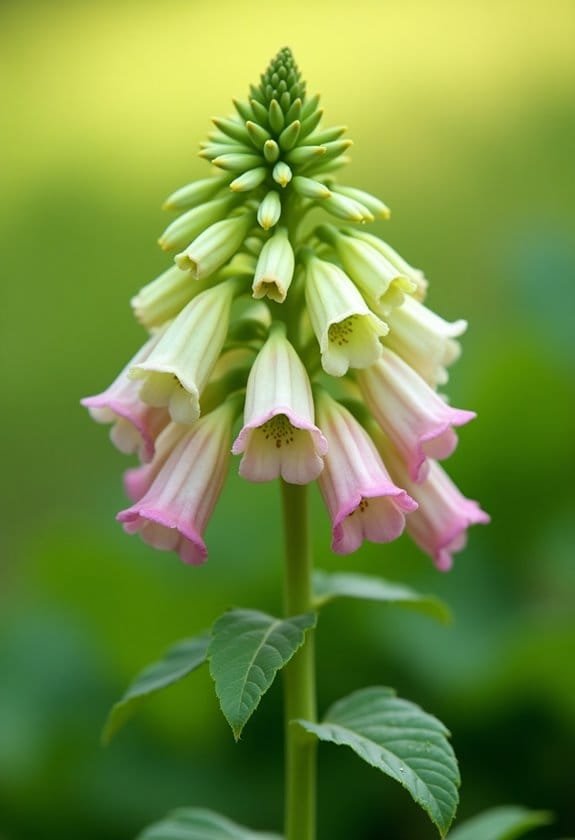
Known for its striking beauty and fragrance, Nicotiana sylvestris, or Flowering Tobacco, is a tender perennial that can reach heights of 3 to 5 feet. This enchanting plant blooms from June until the first frost, showcasing large, tubular, white flowers that emit a strong jasmine-like scent. Such fragrance not only captivates the eye but also attracts nocturnal pollinators, particularly sphinx moths, that play a crucial role in its reproductive success.
Flowering Tobacco thrives in rich, well-amended soils and prefers a sunny or partially shaded environment, with a moderate moisture requirement that guarantees peak growth. Its self-seeding ability allows it to naturalize in gardens effortlessly, promoting sustainability as an ornamental choice while avoiding invasive behavior.
Though closely related to Nicotiana tabacum, which is cultivated for its tobacco production, Flowering Tobacco is primarily valued for its ornamental beauty and low nicotine content.
Enthusiasts appreciate this species for enhancing garden aesthetics, providing a sensory experience rich in visual and aromatic allure. Consequently, Nicotiana sylvestris stands as an exceptional addition to any garden, marrying beauty with ecological significance.