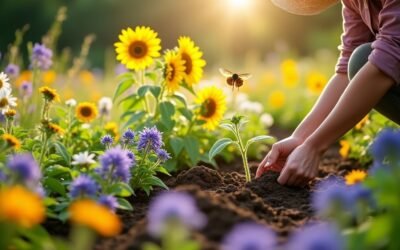
Origanum vulgare, known as oregano or wild marjoram, is a perennial herb belonging to the Lamiaceae family and can reach heights of 1 to 3 feet. Its rounded to ovate leaves harbor fragrant oils, producing a rich aroma and distinct flavor favored in Mediterranean cuisine. Thriving in USDA hardiness zones 4-8, oregano requires full sunlight and well-drained soil to flourish. This resilient herb also draws essential pollinators like bees and butterflies, enhancing garden biodiversity. While it does face pest challenges, proper care and maintenance can sustain its health and vibrancy. Further exploration reveals its myriad uses and ecological roles.
Main Points
- Oregano, scientifically known as Origanum vulgare, is a perennial herb in the Lamiaceae family, known for its bushy growth and aromatic leaves.
- It thrives in USDA hardiness zones 4-8 and prefers well-drained soil and full sunlight for optimum growth.
- Oregano's culinary uses are prominent in Mediterranean cuisine, enhancing dishes like pizza and tomato-based sauces.
- The plant boasts antiseptic properties and supports digestion, making it beneficial for both culinary and medicinal applications.
- Oregano attracts pollinators such as bees and butterflies, playing a key role in supporting local biodiversity.
Introduction
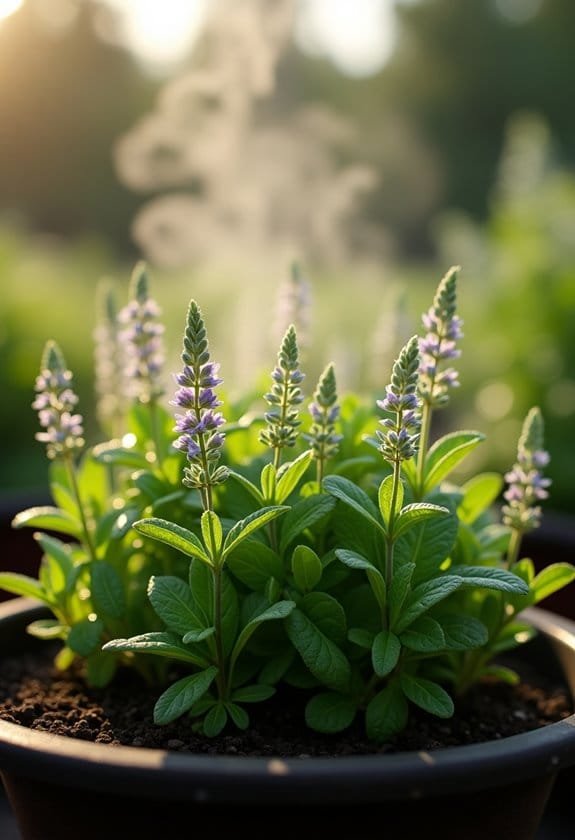
Origanum vulgare, widely known as oregano, is a perennial herb cherished for its flavorful leaves and robust aroma, seamlessly blending into various culinary traditions.
Native to the sun-soaked landscapes of southern Europe and extending as far as China, this resilient plant flourishes in well-drained soil, often claiming spots in meadows and gardens.
While it shares its lineage with sweet marjoram, identifying oregano's unique characteristics, such as its bushy growth and distinct flower structures, is essential for both gardeners and ecologists alike.
Common Name
Known for its distinct flavor, oregano, or wild marjoram, is a popular herb that enhances various dishes, especially in Mediterranean cooking. Often referred to by its scientific name, Origanum vulgare, this aromatic perennial herb belongs to the Lamiaceae family, which includes other fragrant plants like mint and basil.
The presence of pink flowers adorns its lush green foliage, giving it a visually appealing aspect, although it can become invasive in some regions, particularly North America.
Greek Oregano, a specific variety of Origanum vulgare, is cherished for its potent flavor and is scientifically classified as Origanum vulgare hirtum. It showcases the versatility of oregano, as its robust flavor profile complements a wide range of cuisines, elevating sauces and enhancing dishes with a burst of aromatic intensity.
Native to southern Europe and parts of Asia, oregano has successfully adapted beyond its original range, establishing itself as a common garden favorite across diverse climates.
As it continues to flourish outside its native habitats, this herb illustrates both culinary and ecological significance, weaving its way into the hearts and homes of many.
Scientific Name
The scientific name for oregano is Origanum vulgare, a designation that reflects its classification within the Lamiaceae family, which is renowned for its aromatic herbs.
This plant, often referred to as wild marjoram, boasts unique characteristics that set it apart from its relatives. For example, Origanum vulgare features an actinomorphic calyx structure, which has five subequal teeth, creating a visually appealing aspect that enhances its botanical identity.
Native to regions spanning from southern Europe to China, oregano flourishes in diverse environments such as meadows, fields, and roadsides, adapting well to varied climatic conditions. The herb is bushy and perennial in growth, typically producing pinkish-purple or white flowers from midsummer to fall.
Remarkably, enthusiasts often conflate Origanum vulgare with sweet marjoram (Origanum majorana); however, subtle differences in leaf morphology and flower coloration allow for easy identification.
In botanical studies, the importance of precise nomenclature can't be overstated, as it aids in accurate classification and communication about species.
Understanding the significance of the name Origanum vulgare consequently provides foundational knowledge for further exploration of this beloved culinary herb.
Overview
Oregano, scientifically classified as Origanum vulgare, holds a prominent place in culinary traditions around the globe. This versatile herb, belonging to the Lamiaceae family, is celebrated for its aromatic leaves and robust flavor, making it indispensable in Mediterranean cuisine.
Originating from southern Europe and extending to regions like China, Origanum vulgare thrives in sun-drenched environments and well-drained soils, allowing it to flourish in varied habitats such as meadows, roadsides, and gardens.
Often mistaken for sweet marjoram (Origanum majorana), oregano can be identified by its distinct actinomorphic calyx structure and the characteristic red-tinged bracts, contrasting with the green bracts of its counterpart. Additionally, this herb exhibits invasive tendencies in North America, frequently outcompeting native plants in disturbed areas, which can disrupt local ecosystems.
Oregano's flavor is cultivated most effectively in hot, dry climates, where it finds prominence in dishes like pizza and tomato sauces.
Key Features
Origanum vulgare, commonly known as oregano, exhibits distinctive growth characteristics that make it an appealing choice for gardeners.
Reaching heights of 1 to 3 feet, its bushy form features square stems and aromatic leaves that vary from rounded to ovate, providing an enjoyable sensory experience.
Additionally, the plant flourishes with small, pinkish-purple or white blossoms from midsummer to fall, enhancing its ornamental presence while contributing to its culinary allure.
Growth Size
Reaching heights between 1 and 3 feet (30 to 90 cm), Origanum vulgare exhibits a bushy, rhizomatous growth habit that contributes to its robustness. This hardy perennial thrives in USDA hardiness zones 4-8, showcasing an extraordinary adaptability to hot, dry climates with well-drained soil. Its vigorous growth is often seen in gardens and landscapes, where it forms dense clumps, creating a lush ground cover.
The plant's leaves, which are aromatic and rounded to ovate in shape, are key features of Origanum vulgare. These leaves are adorned with glands releasing a pleasantly fragrant oil, making the plant prized in culinary applications.
Additionally, from midsummer to fall, it produces small, pinkish-purple or white flowers arranged in loose panicles, further enhancing its appeal.
Greek Oregano, a subspecies of Origanum vulgare, stands out for its hairy texture and more intense flavor, enchanting culinary enthusiasts.
The overall growth pattern and physical attributes of Oregano signify not only its functional uses but also its ornamental potential, enriching gardens while providing aromatic delights in cooking.
Consequently, the growth size and habit of Origanum vulgare encapsulate its essence as both a versatile herb and a decorative plant.
Appearance
Often recognized for its distinctive appearance, Origanum vulgare displays a lush bushy growth with square stems that set it apart from many other herbs. This perennial plant typically grows between 1 to 3 feet (30 to 90 cm) tall, offering a robust presence in gardens and cooking spaces alike.
The rounded to ovate leaves of wild marjoram, measuring about 1 to 3 inches in length, aren't only aromatic but also coated with tiny glands that release their delightful fragrance, enhancing the sensory experience.
Furthermore, the leaves present a notable contrast to those of related species, as they exude a rich, complex flavor profile deeply cherished in Mediterranean cuisine. Oregano's distinct bracts, often tinted with reddish hues, further differentiate it from its cousin, sweet marjoram (Origanum majorana), which showcases mainly green bracts.
In addition to its foliage, Origanum vulgare can produce loose panicles of small flowers that bloom in pinkish-purple or white, though this aspect won't be discussed in detail here. Additionally, its leaves contain essential oils with antimicrobial compounds, contributing to its longstanding use in traditional medicine.
Flowering Season
The flowering season of Origanum vulgare typically spans from midsummer to fall, showcasing clusters of small, pinkish-purple or white flowers. These delicate blooms form loose panicles, serving as inviting signals for various pollinators, which play an important role in the plant's reproduction process.
Flowering generally occurs by early summer, indicating that the marjoram has reached a healthy state and maturity, thriving under ideal growing conditions.
To maximize bushiness and prevent premature flowering, growers often recommend trimming back the plants during this period. This practice guarantees a fuller appearance while extending the plant's liveliness.
The timing of harvesting leaves is essential, as the most favorable flavor arises just prior to the onset of flowering. Those who cultivate this herb for culinary purposes should pay close attention to this phase, as the flavor profile transforms with the developments in bloom.
With each flower emerging, Origanum vulgare not only enriches gardens with its aesthetic charm but also contributes greatly to the local ecosystem. Through attracting pollinators, it fosters biodiversity, making it a valuable species for both culinary enthusiasts and nature lovers alike.
Growing Requirements
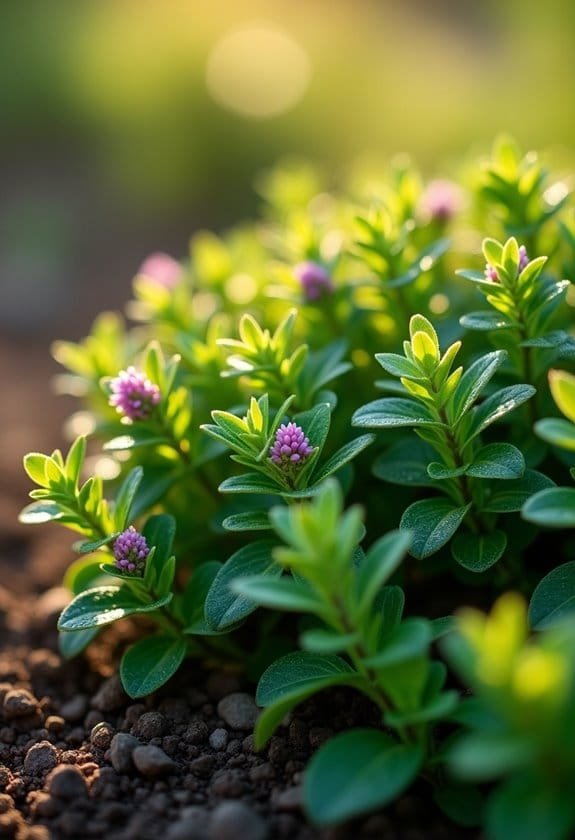
Origanum vulgare flourishes under the warm embrace of full sunlight, demanding at least six hours a day to reach its full aromatic potential.
This herb prefers well-drained, moderately dry soil, exhibiting remarkable drought resistance while thriving in diverse climates, showcasing hardiness across USDA zones 4 to 8.
Understanding these growing requirements is essential, as they guarantee not only the survival of the plant but also the vibrancy and flavor of its leaves.
Light
Sunlight plays an essential role in the growth of Origanum vulgare, with the plant thriving best in full sun. Ideally, it requires a minimum of six hours of direct sunlight daily to achieve ideal flavor and growth. This herb's aromatic qualities intensify with exposure to sun, particularly in hotter, drier climates where its resilience shines through. The intense light conditions compel the plant to produce essential oils that enhance its potent aroma and flavor.
Conversely, Origanum vulgare struggles in high humidity environments, where excessive moisture can hinder its development. When cultivated in moist, shady areas, the plant may fail to reach its full flavor potential, rendering the growth less desirable.
For those in mild climate regions, oregano can be effectively propagated in sunny borders and Mediterranean-style gardens, enabling gardeners to showcase this versatile herb.
Therefore, providing full sun not only guarantees robust growth but also enriches the herb's culinary application, making the flavors more vibrant. Consequently, understanding light requirements is fundamental for anyone aiming to cultivate this beloved herb successfully.
Soil
How important is soil quality in cultivating Origanum vulgare? Soil health considerably impacts the growth of oregano, as this herb thrives in well-drained environments. Best conditions include average, dry to medium soil types, where excessive moisture can prove detrimental, leading to root rot. Consequently, gardeners should avoid overwatering, ensuring drainage is prioritized.
In particular, Origanum vulgare performs exceptionally in sandy or loamy soils that boast good aeration. These soil types facilitate proper airflow to the roots, enhancing the plant's potential for robust growth and resilience.
Hardy in USDA zones 4-8, oregano exhibits impressive drought tolerance, especially in hot and arid climates. To maintain its thriving nature, regular mulching can be employed, enriching soil quality while stabilizing root zone temperatures.
Moreover, oregano's adaptability to various soil compositions allows it to flourish even in less-than-ideal conditions, though notable benefits arise from using appropriately textured soils.
Water
When cultivating oregano, understanding its water requirements is crucial for healthy growth. This fragrant herb, also known as Wild Marjoram, flourishes in average to dry soil and strongly prefers well-drained conditions. Oregano's sensitivity to high humidity means gardeners must exercise caution, as excessive moisture can lead to detrimental root rot.
During the initial growth phase, it's essential to maintain consistent moisture, supporting rapid germination of oregano seeds. However, once established, the plant thrives with less frequent watering.
Mulching offers a sensible solution, helping to retain soil moisture while promoting a healthy root zone. The benefits of mulching extend beyond moisture retention; it also aids in regulating soil temperatures, creating an ideal environment for plant growth.
Interestingly, the hotter and drier the growing conditions, the more potent the aroma and flavor of oregano leaves become, bringing a delightful depth to culinary dishes.
As a result, gardeners must strike a delicate balance: providing adequate moisture during germination while ensuring the soil remains relatively dry thereafter. Mastering these water requirements is crucial for cultivating vigorous oregano, transforming an ordinary garden into a flavorful sanctuary.
Temperature
Oregano thrives in warm temperatures, ideally around 70 to 80°F (21 to 27°C), which greatly enhances its flavor and aroma. As a member of the Origanum vulgare species, particularly the hirtum variant, this plant flourishes in full sun, requiring at least six hours of direct sunlight daily to maximize its culinary potential.
Oregano's hardiness spans USDA zones 4 to 10, demonstrating its adaptability across various climates; however, it truly prefers hot and dry environments.
In terms of temperature resilience, oregano can endure high heat in zones 2 to 10, which showcases its robust nature. This herb responds favorably to average to well-drained soil but is intolerant to high humidity levels, making it ideally suited for arid conditions where moisture is minimal.
Regular watering is vital during extreme dryness, although gardeners must be cautious to prevent excess water that can lead to root rot. Consequently, achieving a balance between warmth and drying conditions is fundamental.
Pollinator Criteria
Origanum vulgare, with its small, vibrant flowers, draws a variety of pollinators, particularly bees and butterflies, fundamental for sustaining biodiversity.
The plant's inflorescences offer a generous supply of nectar, facilitating effective pollination through their strong scent, which guides these essential creatures. Additionally, rosemary's pollinator-friendly flowers contribute to a thriving ecosystem as they attract numerous beneficial insects.
Consequently, incorporating oregano in gardens not only enhances local ecosystems but also supports the critical relationship between flora and pollinators. Additionally, pollinator habitats provided by plants like chicory can further enrich the ecosystem by attracting more pollinators.
Attracted Pollinators
Attracting a variety of pollinators, oregano's flowers play an essential role in sustaining local ecosystems. The small, pinkish-purple or white blossoms, which bloom from midsummer to fall, release a delightful aroma that lures in numerous pollinating insects, particularly bees and butterflies.
These pollinators, essential for the reproduction of oregano plants, facilitate cross-pollination, enhancing genetic diversity and bolstering overall plant vigor. Similar to Silverweed, oregano also depends on pollinator activity to thrive.
As a member of the Lamiaceae family, oregano boasts a distinctive flower structure that serves as an accessible feeding source. The flowers' arrangement and shape encourage pollinators to extract nectar, while simultaneously allowing the transfer of pollen. This intricate relationship not only benefits the plants but also fosters a thriving habitat for the visiting insects.
Maintaining an environment rich in oregano promotes biodiversity and supports healthy garden ecosystems by providing a reliable food source. As pollinators visit these vibrant flowers, they contribute considerably to the ecological balance, reinforcing the interconnectedness of flora and fauna.
Ultimately, the presence of oregano enhances local habitats, ensuring that pollinators flourish in their quest for sustenance, thereby underpinning the delicate web of life. Additionally, similar to white clover's ability to support pollinators, oregano provides essential nectar sources that enhance the surrounding biodiversity in gardens.
Pollination Method
Pollination in oregano relies on both self-pollination and assistance from visiting pollinators, enhancing the plant's reproductive success. While many plants require external agents for fertilization, Origanum vulgare demonstrates remarkable adaptability through its dual approach. It primarily self-pollinates, but attracts a variety of pollinators such as bees and butterflies to boost genetic diversity. This adaptability mirrors that of other plant species, such as Salad Burnet(Salad Burnet), which also benefits from similar pollination strategies.
The plant produces small, tubular flowers, typically pinkish-purple or white, designed to invite these important visitors. With blooming occurring during the summer months, the floral structure guarantees that pollinators can easily access the nectar and pollen. Salad Burnet's crimson flower clusters serve a similar purpose, enhancing the garden's overall biodiversity.
Each visit aids in the pollination process, resulting in robust seed production and a stronger lineage of oregano plants. Additionally, protecting habitats—like meadows and gardens—promotes an inviting ecosystem for these essential pollinators.
Comfrey, known for its pollinator-friendly flowers, also supports the growth of various beneficial insects in similar garden settings. This relationship creates a thriving environment where different species can coexist and flourish together.
This symbiotic relationship reflects an intricate balance in nature, where each element contributes to the health and sustainability of the oregano species, promoting not only its survival but also its continued evolution.
Care & Maintenance
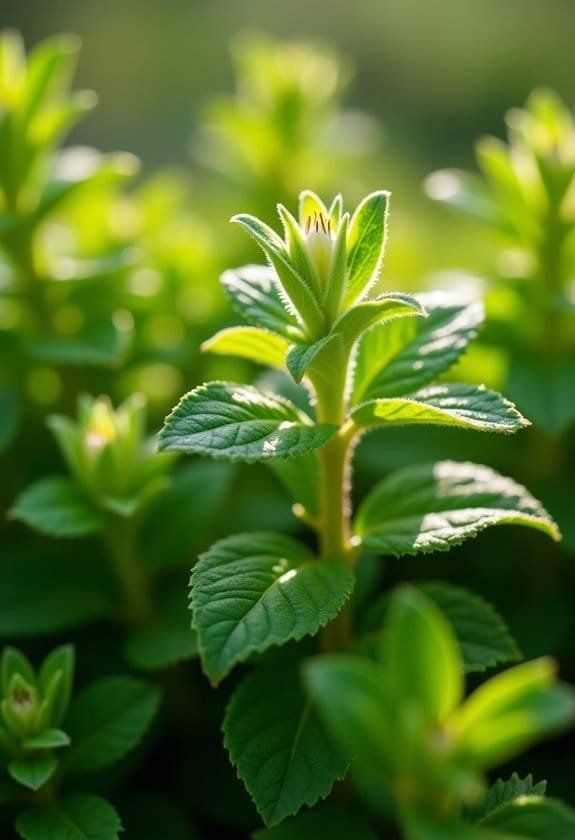
When cultivating Origanum vulgare, selecting the right planting site is essential, as it flourishes in full sun and well-drained soil.
Ongoing care involves regular trimming to avoid woody growth and maintain a bushed appearance, while careful monitoring of moisture levels secures the plant's health.
Additionally, introducing companion plants can enhance growth and biodiversity, creating a vibrant garden ecosystem that supports the oregano's needs. Moreover, its ability to attract pollinators like bees helps to enhance the overall health and productivity of the garden.
Planting Tips
To guarantee healthy growth of Origanum vulgare, it's imperative to prioritize its basic needs right from the start. This robust herb thrives in full sun, requiring at least six hours of sunlight daily to achieve the best leaf flavor.
Selecting well-drained soil is integral as well; scant moisture retention contributes to an excellent growing environment. During dry spells, regular watering helps maintain liveliness, yet one must tread lightly to avoid excess moisture that invites root rot.
In early spring, cutting back old stems fosters tidiness while spurring new leaf growth, enhancing the overall health of the plant.
Spacing is equally important; maintaining an 18-inch distance between plants allows for sufficient airflow, diminishing the risks associated with disease and pests.
For those looking to maximize their culinary experience, harvesting leaves just before blooming is ideal, as this timing captures the peak aromatic potency.
Ongoing Care
Maintaining healthy Origanum vulgare after planting involves consistent care and attention. Ongoing care is vital for both ornamental and culinary herbs, guaranteeing prime growth and flavor.
Regular trimming plays a significant role in managing oregano's growth, preventing the development of woody stems that can compromise flavor. Early harvesting, just before flowering, captures the peak of flavor intensity, which tends to diminish once blooms appear.
While oregano is naturally disease-resistant, routine inspections for pests and diseases are necessary to preserve plant health and vigor. Adequate spacing, at least 18 inches between plants, fosters enhanced air circulation, reducing the risk of fungal infections that thrive in damp environments.
Watering should be approached with moderation; allowing the soil to dry slightly between watering sessions prevents root rot and promotes robust growth.
Fostering a healthy oregano plant not only enriches one's garden but elevates the overall culinary experience. With diligent care, oregano transforms simple dishes into extraordinary meals through its aromatic leaves, inviting a sensory experience that embodies both freshness and depth.
Suggested Companions
Planting Origanum vulgare alongside complementary herbs can greatly enhance its growth and the culinary experience. Herbs such as basil, thyme, and rosemary are commonly used companions, enriching the flavor profiles of Mediterranean dishes. This synergy not only benefits taste but also encourages healthier plant development. Regular trimming of oregano facilitates a bushier appearance and prevents woody growth, optimizing its vitality when paired with others.
Additionally, oregano flourishes in sunny spots with well-drained soil, making it an ideal companion for drought-resistant herbs like sage and lavender. When planting, it's important to maintain a spacing of at least 18 inches between each herb. This distance enhances air circulation, thereby reducing the likelihood of diseases that can afflict closely planted varieties.
Incorporating marjoram, a milder sibling, allows for a beautifully layered herbal garden. This combination introduces a spectrum of flavors suitable for diverse culinary applications.
Ultimately, choosing the right companions not only boosts the health of Origanum vulgare but also transforms your garden into a fragrant and flavorful haven, offering an inviting experience for both chefs and diners alike.
Common Issues
When cultivating Origanum vulgare, gardeners often encounter specific challenges related to pests and diseases.
While the plant is relatively resilient, conditions such as high humidity can considerably increase its vulnerability, leading to potential outbreaks of aphids or spider mites.
Regular monitoring and immediate intervention can effectively mitigate these issues, ensuring the herb remains vigorous and flavorful.
Pests/Diseases
Among common issues, oregano (Origanum vulgare) is generally resilient but can face challenges from both pests and diseases. Although it tends to ward off many pathogens, oregano can occasionally succumb to root rot, particularly when overwatered or situated in poorly drained soil. This disease can greatly compromise plant health, especially if the roots become over-saturated.
Pests present a more prevalent threat. Aphids, spider mites, and whiteflies can infest oregano, feeding on the sap and thereby draining the plant's energy. Affected plants may show signs of distress, such as curled leaves or a diminished quality of dried herbs.
Additionally, the fungal disease known as powdery mildew often surfaces in humid conditions, thriving when air circulation is inadequate.
To mitigate these issues, regular inspections for insect infestation are essential. Maintaining a balanced watering routine further safeguards against root rot and encourages robust growth.
Growers can find success in using organic solutions like neem oil or insecticidal soap, which manage pest populations effectively while preserving plant health. Understanding these challenges guarantees a thriving oregano crop, whether fresh or dried, enhancing both culinary and medicinal applications.
Solutions
To secure a healthy oregano crop, addressing common issues proactively is key. While oregano (Origanum vulgare) is typically disease and pest-free, diligent monitoring remains fundamental. Regularly inspecting the plants for pests can prevent infestations that compromise harvest quality.
Inconsistent watering can lead to stress, attracting unwanted pests or diseases; consequently, maintaining consistent moisture without oversaturation is essential for plant vigor.
Furthermore, both oregano and sweet marjoram (Origanum majorana) flourish in well-drained soil with proper air circulation. To guarantee ideal growth, spacing the plants about 18 inches apart allows for adequate airflow, which mitigates the risk of fungal infections.
In cooler climates, sweet marjoram must be cultivated as an annual due to its frost sensitivity.
Additionally, regular trimming is significant for oregano and marjoram alike, as it prevents the development of woody growth. Light shearing multiple times during the season not only maintains the plant's shape but also enhances the flavor profile of its fresh or dried leaves.
Summary
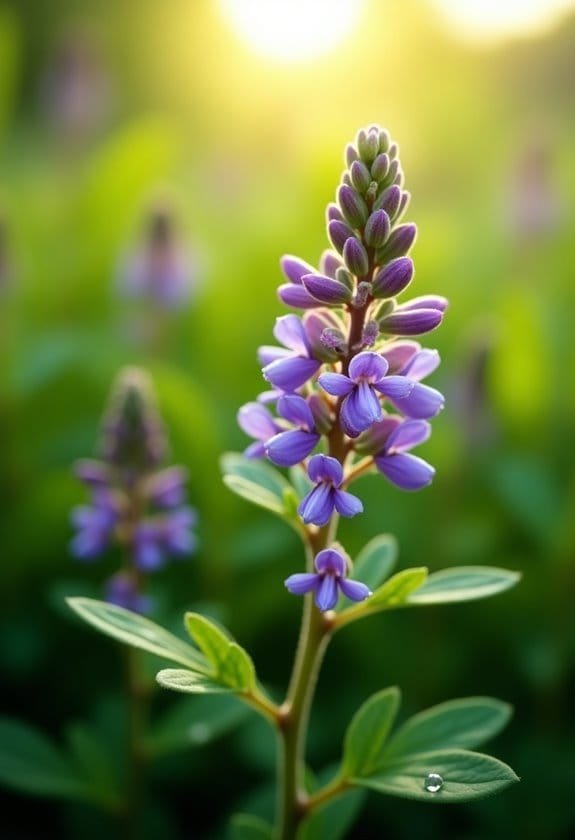
Origanum vulgare, commonly known as oregano or wild marjoram, is a versatile perennial herb that thrives in sunny, well-drained environments and is native to southern Europe and China. Part of the Lamiaceae family, it flourishes in diverse habitats, such as meadows and fields, often favoring the warmth of full sun.
While wild marjoram lacks the robust flavor found in cultivated varieties, particularly Greek oregano (Origanum vulgare hirtum), it still serves important culinary and ornamental purposes.
With flowers that range from pink to white, which bloom from midsummer to fall, oregano adds a charming aesthetic to gardens while enhancing Mediterranean cuisine with its aromatic leaves. Remarkably recognized for its culinary applications, oregano boasts traditional medicinal uses as well, including its antiseptic properties and benefits for digestion, making it a multipurpose herb with rich historical significance.
Embracing oregano in both kitchens and gardens bridges the gap between culinary creativity and health benefits, demonstrating nature's ability to enrich human experiences.
Fundamentally, whether used as a flavorful spice or an herbal remedy, Origanum vulgare continuously displays its invaluable contributions to the culinary world and holistic well-being.