Penstemon species, often referred to as beard-tongue, comprise over 250 vibrant varieties mainly found in western North America. These plants showcase striking tubular flowers in colors such as pink, red, and purple, and typically range from 6 inches to 8 feet tall, with 8 to 20-inch spreads. Thriving in sunny locations with well-drained, rocky soils, they exhibit remarkable drought tolerance. Their vibrant blooms attract critical pollinators like long-tongued bees and hummingbirds, fostering local biodiversity. Proper care includes regular watering, deadheading, and maintaining air circulation to mitigate disease. To uncover more about their ecological significance and cultivation, further exploration is worthwhile.
Main Points
- Penstemon, also known as Beard-Tongue, features over 250 species predominantly found in western North America.
- These plants display various colorful, tubular flowers that attract pollinators like hummingbirds and long-tongued bees.
- They thrive in full sun, well-drained, and rocky or sandy soils, making them drought-tolerant and low-maintenance.
- Penstemon species support biodiversity by providing habitat for butterfly larvae and ensuring food availability for pollinators through staggered blooming.
- Their vibrant colors and compact growth make them ideal for enhancing garden aesthetics and promoting ecological connections.
Introduction
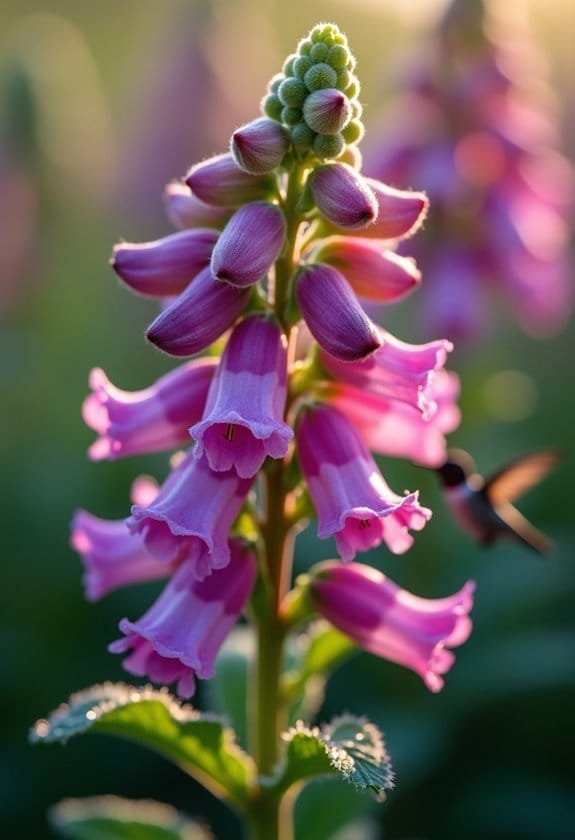
The Penstemon genus, commonly known as Beardtongue, encompasses over 250 distinct species thriving mainly in North America's western regions.
These remarkable plants, with their tubular flowers displaying a spectrum of colors from pink to rare yellow, not only captivate the eye but also attract essential pollinators like bees and hummingbirds.
Common Name
Many gardeners are familiar with Penstemon, often referred to as Beardtongue due to its distinctive flower structure. This common name springs from the unique appearance of the tubular flowers, famously featuring a "beard" on the lower lip, providing an eye-catching contrast that attracts interest.
Penstemon plants thrive in diverse environments, primarily in western North America, and encompass over 250 species with varied colors such as vivid pinks, reds, whites, and purples.
These perennial plants not only enhance garden aesthetics but also serve as essential host plants for various pollinators, including bees and hummingbirds. Their ecological role is paramount, as their blossoms provide a source of nectar, supporting local biodiversity.
Once established, Beardtongue plants exhibit impressive drought tolerance, preferring soils that are well-drained, rocky, or sandy, and delighting in full sun exposure.
Thus, the allure of Penstemon—beyond its flattering colors and intriguing form—lies in its resilience and contribution to thriving ecosystems.
In creating landscapes, gardeners engage with nature in a dynamic relationship, fostering beauty while nurturing the fundamental connections that sustain life in their gardens.
Scientific Name
Known for its fascinating structure and vibrant colors, the scientific name for Beardtongue is "Penstemon." This genus belongs to the Plantaginaceae family and encompasses over 250 distinct species. Derived from Greek, the name "Penstemon" translates to "five stamens," aptly describing the typical flower structure, which generally displays two fertile stamens and three sterile ones.
Predominantly native to North America, particularly flourishing in the western regions, Penstemon species can be found in a variety of habitats, including dry prairies and rocky slopes. Their adaptability and stunning appearance make them popular among gardeners and conservationists alike.
Notably, some common species include Penstemon grandiflorus, celebrated for its showy lavender-pink flowers, and Penstemon heterophyllus, distinguished by its vibrant coloration and flowering habits.
Furthermore, many Penstemon species have garnered appreciation for their medicinal properties, historically valued by Native Americans for their healing attributes.
This intersection of beauty and utility enhances the ecological and cultural significance of the Penstemon genus, underscoring its role within diverse ecosystems and in traditional practices.
Overview
With their vibrant colors and unique flower structures, Penstemon species, commonly referred to as Beard-Tongue, engage garden enthusiasts and ecologists alike. This diverse genus comprises over 250 species native primarily to North America, showcasing an impressive range of mature sizes—from petite varieties standing 6 inches tall to majestic forms reaching heights of up to 8 feet.
The tubular flowers, often adorned in vivid hues, bloom in early summer, filling garden beds with delightful colors between spring bulbs and summer blooms.
Successfully cultivating Penstemon requires specific growing conditions; these perennial plants thrive in well-drained, rocky or sandy soil and are particularly well-suited for drought-tolerant gardens. Their low maintenance requirements make them appealing for those seeking to enhance landscape aesthetics without excessive effort.
Additionally, Penstemon plants are incredibly pollinator-friendly, attracting invaluable pollinators such as bees and hummingbirds, which further boost biodiversity within garden settings. By integrating these engaging plants into one's landscape, gardeners not only create stunning visual displays but also contribute notably to local ecosystems, fostering a harmonious relationship between nature and cultivation.
Their charm, resilience, and ecological benefits underscore Penstemon's esteemed place in the world of horticulture.
Key Features
Penstemon species showcase remarkable diversity in growth size, appearance, and flowering season. Ranging from a compact 6 inches to an impressive 8 feet, these plants boast lance-shaped foliage that complements their striking tubular flowers, which bloom vividly in colors such as pink, red, white, and purple.
Typically flowering from early summer, they offer a continuous display of color, seamlessly bridging the blooming periods of spring bulbs and summer perennials in any garden setting.
Growth Size
Ranging from a petite 6 inches to an impressive 8 feet, Penstemon species showcase remarkable diversity in their mature size. This variety is particularly intriguing for gardeners across the United States, as it allows for purposeful landscape design.
The different species feature lance-shaped foliage that contributes to their upright structure, making them visually appealing in any setting. Some varieties are compact, ideal for borders or rock gardens, while taller types can serve as striking focal points.
When planted in full sun, these dynamic perennials typically reach their maximum potential, thriving during the long days of summer. Their generally tubular flowers bloom in a delightful array of colors including pink, red, white, purple, and occasionally yellow, enriching the garden's visual experience.
Additionally, the bloom period, primarily occurring in early summer, fills critical seasonal gaps between spring and summer flowering plants, enhancing the garden's continuous allure.
Purchasing Penstemon species can be made simpler with fully transparent shipping rates, ensuring buyers know the full cost of acquiring these enchanting plants.
Ultimately, the growth size of Penstemon contributes considerably to its versatility and popularity among gardeners and landscapers alike.
Appearance
The stunning appearance of Beardtongue plants makes them a favorite among gardeners. These enchanting species showcase a delightful array of color variations, including vibrant hues of pink, red, white, purple, and the rarer yellow. Their tubular flower structure, often reaching up to two inches in length, not only enchants the eye but also serves a functional purpose, attracting essential pollinators like hummingbirds and bees.
Additionally, the foliage texture adds another layer of allure. The lance-shaped leaves exhibit varying shades of green, enhancing the overall aesthetic appeal while framing the showy blooms.
Mature Beardtongue plants can grow anywhere from 6 inches to 8 feet tall, showcasing remarkable adaptability to diverse garden environments. This height variance provides opportunities for gardeners to create dynamic layers within their landscapes.
The combination of these elements—striking color variations, intricate flower structure, and lush foliage texture—establishes the Beardtongue as a versatile and visually arresting choice. These plants not only enhance seasonal displays with their dramatic presence but also play a crucial role in supporting local wildlife habitats.
This dual function makes Beardtongue an invaluable addition to any garden setting.
Flowering Season
Blooming in early summer, Penstemon species fill the garden with vibrant color just as spring bulbs fade away. Typically, their flowering duration lasts about two to three weeks, peaking during May and June, which are prime months for garden displays. Each variety exhibits an impressive color variety, showcasing hues of pink, red, purple, and white—a palette that enchants gardeners and plant enthusiasts alike.
These tubular flowers not only captivate the human eye but also serve a crucial ecological function by attracting various pollinators, including bees and hummingbirds, indispensable for maintaining healthy ecosystems.
The remarkable diversity among the 19 known Penstemon varieties guarantees that bloom times can differ, which contributes to an extended period of floral activity in gardens, effectively bridging seasonal gaps.
In addition, some unique varieties, like Penstemon Electric Blue and Penstemon Rose Rhinestones, offer vivid colorations that can energize any outdoor space, further enhancing their role as dynamic, living art.
Consequently, Penstemon species not only beautify landscapes but also play an integral role in supporting local biodiversity by fostering pollinator health through their enchanting blooms.
Growing Requirements
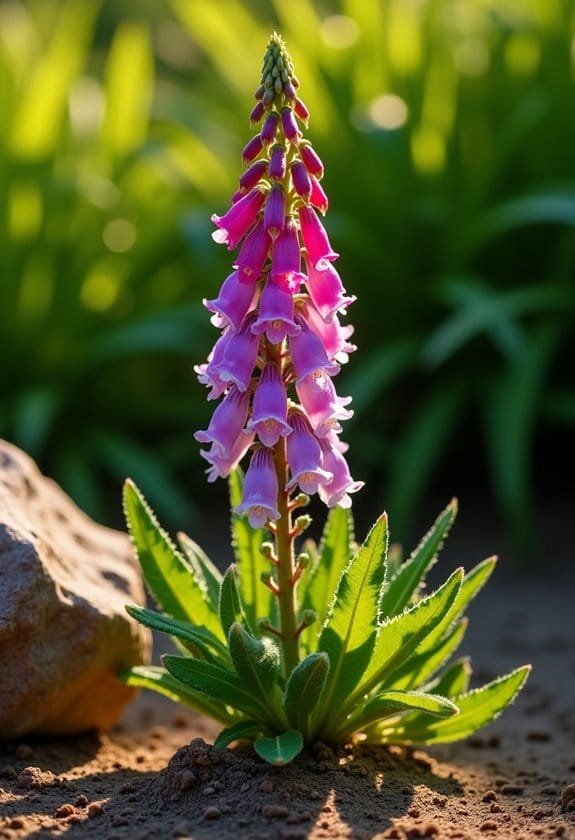
To cultivate healthy Penstemon species, gardeners must prioritize ideal light, soil, water, and temperature conditions.
These plants flourish in full sun, needing at least six hours of direct sunlight daily, while they struggle in heavy, moisture-retaining soils.
Once established, their remarkable drought tolerance allows for minimal watering, emphasizing nature's resilience.
Yet young plants still require careful hydration for robust development.
Light
Penstemon's preference for full sun is essential for its successful growth. Ideally, these plants need at least six hours of direct sunlight daily to thrive. The sunlight benefits reach far beyond mere sustenance; it significantly contributes to growth optimization. When exposed to ample light intensity, Penstemon species produce upright stalks, enhancing their resilience and overall appearance.
Inadequate sunlight can lead to inadequate growth, resulting in weak, leggy plants that lack vigor and robustness. These species are particularly well-suited for hot and dry environments, thriving in xeriscaped gardens or areas characterized by rough, arid conditions. By choosing sunny, open locations, gardeners can maximize flowering potential and improve the vibrancy of colors, amplifying the visual impact within the landscape.
The tolerance of high temperatures further underscores their compatibility with bright, sun-soaked gardens. Therefore, understanding the essential need for light enables gardeners to cultivate healthy, flourishing Penstemon plants.
Emphasizing the important relationship between sunlight and plant vitality, enthusiasts can create an environment that fosters healthy foliage and striking blooms, enriching both the garden and the surrounding ecosystem.
Soil
Although Penstemon species can adapt to various soil types, they truly excel in well-drained, rocky, or sandy conditions.
These plants thrive in environments with minimal richness, as overly rich loam or heavy clay can impede their growth and overall health. Ideal planting occurs in sandy or gravelly substrates, emphasizing the necessity for excellent drainage; poorly drained areas lead to soggy roots, which these species can't tolerate.
While Penstemon can tolerate a range of soil acidity, optimal conditions emerge when amendments, if any, are kept to a minimum.
Heavy soil amendments are detrimental, as they might alter the natural drainage properties essential for these resilient plants. The pH of the soil can vary, yet the priority remains clear: fostering conditions where water drains swiftly and efficiently.
Monitoring soil moisture is pivotal, particularly during the establishment phase.
Once established, Penstemon species showcase remarkable drought tolerance, requiring approximately one inch of water each week in hotter months.
Consequently, gardeners should prioritize creating the right soil environment, ensuring that these beautiful plants flourish in their natural habitats, adding vibrant colors to gardens while requiring minimal input.
Water
Watering practices directly impact the growth and significance of Penstemon species. These vibrant plants, once established, exhibit remarkable drought tolerance, requiring approximately 1 inch of water per week during the hot summer months.
Initially, young Penstemon plants need consistent weekly watering to bolster their growth until they achieve establishment within their environment.
Optimal soil conditions for Penstemon include well-drained, rocky, or sandy types; overly rich loam or heavy clay can hinder drainage, leading to water retention issues detrimental to their health.
This preference for dry conditions underscores the importance of effective watering techniques, as high humidity can invite harmful fungal diseases, such as powdery mildew.
Through prudent water conservation practices, gardeners not only guarantee the health of Penstemon but also contribute to ecosystems that thrive on sustainability. Proper management of water supports these plants while minimizing environmental impact.
The delicate balance of maintaining adequate moisture without promoting excess reflects a gardener's intimate understanding of this species' needs, culminating in a flourishing display of their iconic blooms.
Consequently, learning to navigate Penstemon's watering requirements ultimately enhances their majestic presence in any landscape.
Temperature
To thrive, Penstemon species require specific temperature conditions that align with their natural habitats. These plants flourish in USDA zones 3 to 9, showcasing an impressive cold-hardiness, although particular varieties may have varying tolerances. They prefer ideal temperatures that fall within moderate ranges, typically between 60°F and 75°F (15°C and 24°C).
While Penstemon can withstand temperature fluctuations, allowing for brief periods of frost, they don't fare well in extreme heat, particularly above 90°F (32°C). Such high temperatures can adversely affect their growth and flowering, rendering them susceptible to stress. Thus, gardeners in hotter climates should aim to provide some shade during the warmest parts of the day, ensuring the plants receive adequate sunlight without overwhelming heat exposure.
Moreover, the careful balance of cooler, drier conditions and well-draining soil enhances Penstemon's resilience. Given their adaptation to rocky and sandy environments, establishing these plants in proper microclimates helps mitigate the effects of humidity, as excessive moisture hinders their health.
Pollinator Criteria
Penstemon species enchant a variety of long-tongued pollinators, especially bees and hummingbirds, drawn in by their tubular flowers that provide easy access to nourishing nectar.
The vibrant colors of pink, red, and purple not only beautify gardens but also signal to pollinators that their services are welcomed, promoting effective cross-pollination within ecosystems. Additionally, the association with nitrogen-fixing plants such as Common Vetch enriches the soil and enhances overall garden health, further attracting diverse pollinators.
As these organisms visit multiple blooms, they contribute considerably to the ecological health, supporting both plant reproduction and broader biodiversity. Additionally, the presence of nectar sources like Campanula poscharskyana enhances the attraction of pollinators to gardens.
Attracted Pollinators
During the early summer months, Penstemon species draw a variety of pollinators with their vibrant, tubular flowers rich in nectar. These flowers primarily attract long-tongued insects, such as mason bees and bumblebees, which exhibit specific pollinator behavior that maximizes nectar extraction. Their elongated mouthparts perfectly align with Penstemon's structure, accommodating their nectar preferences while ensuring efficient pollination.
Hummingbirds, another essential pollinator, are equally drawn to these abundant nectar sources, making these plants critical for maintaining diverse ecosystems. Additionally, Penstemon serves as a host plant for the larvae of specific butterflies, like the Arachne Checkerspot butterfly, enhancing the overall biodiversity within a given habitat.
Many Penstemon varieties bloom at staggered intervals, guaranteeing a steady food supply for pollinators throughout the growing season. This consistent resource availability underscores the habitat significance of Penstemon species, as they support numerous pollinator populations while thriving in drought-prone conditions.
Pollination Method
How do Penstemon species effectively guarantee pollination? Through a combination of specialized pollination strategies, these plants attract various pollinators, ensuring the continuation of their species. Their tubular flower morphology caters specifically to long-tongued bees, like mason and bumble bees, whose feeding habits align with the flower's structure. Bright colors and abundant nectar rewards serve as visual and olfactory cues, luring these essential pollinators and greatly increasing the likelihood of successful pollination.
Typically blooming during early summer, when pollinator populations are on the rise, Penstemon plants offer critical resources that many species desperately seek. The lance-shaped foliage complements the flowers, enhancing their appeal to hummingbirds, a significant group for certain Penstemon varieties. Furthermore, some species serve as host plants for specific butterflies, illustrating their broader ecological role in supporting biodiversity.
Additionally, the flowering season of Penstemon is similar to that of the English Daisy, which also provides nectar resources for local pollinators, helping to support local ecosystems.
Care & Maintenance
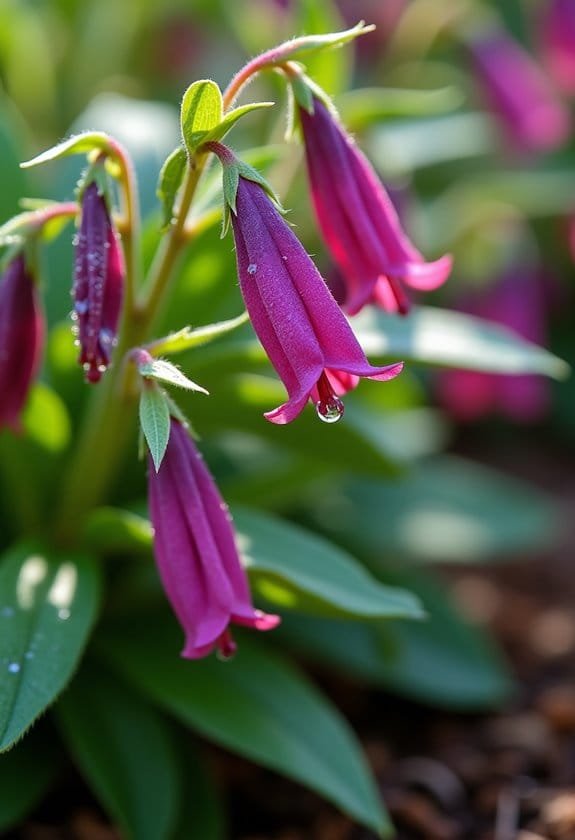
Caring for Penstemon involves a few essential practices to guarantee vibrant growth and blooming.
Planting these perennials in well-drained soil with appropriate spacing not only optimizes air circulation but also mitigates the risk of fungal diseases.
Regular maintenance, such as cutting back spent flowers and monitoring for occasional pests like aphids, complements their natural resilience, allowing them to thrive in gardens with minimal effort.
Planting Tips
For successful growth of Penstemon species, proper planting and maintenance are essential. The first step in this process is soil preparation; these hardy plants flourish in well-drained, rocky, or sandy soils. Heavy clay or rich loam can hinder their growth considerably. Consequently, it's advisable to amend the soil to create ideal drainage conditions.
When considering planting methods, spacing is vital to avoid fungal complications like powdery mildew, so individual plants should be placed at least 12 to 18 inches apart.
After planting, young Penstemon plants require weekly watering—about 1 inch of water per week—during dry summer months to support establishment while preparing them for their drought-tolerant nature as they mature.
Additionally, employing mulching techniques can help retain moisture and suppress weeds, which contributes positively to plant health.
While minimal fertilization is typically needed, a balanced mixture in spring and an organic fertilizer in the fall can stimulate healthy growth without the risk of over-fertilization.
Finally, prune spent flowers back to the stem, encouraging new blooms and maintaining a neat appearance, creating a visually appealing landscape element.
Ongoing Care
Once Penstemon species are established, ongoing care plays a vital role in their long-term health and energy. A well-considered watering schedule is essential, particularly during dry spells when plants require hydration at least once a week. In summer, young plants will need more frequent watering to thrive.
Pruning techniques are also important; minimal pruning is recommended—primarily focusing on deadheading spent flowers back to the stem. This practice not only tidies the appearance but also encourages vibrant new blooms.
When it comes to nutrition, employing the right fertilizer types can greatly enhance growth. A balanced fertilizer applied in spring, coupled with an annual organic fertilizer in fall, provides essential nutrients while preserving the plant's natural resilience.
Ongoing monitoring for pests—such as aphids and caterpillars—is also suggested, as these can threaten plant health. Organic solutions can effectively manage these infestations.
Additionally, guaranteeing proper spacing improves air circulation, reducing the risk of fungal diseases like powdery mildew. Altogether, consistent care guarantees Penstemon species flourish, enthralling observers with their enchanting display and robust growth throughout the seasons.
Suggested Companions
Creating a vibrant garden is effortless when you pair Penstemon species with the right companions. These dynamic plants thrive in well-drained, rocky, or sandy soil, making them ideal companions for drought-tolerant plants like lavender and various succulents. By integrating these flora, gardeners can achieve colorful combinations that not only save water but also enhance aesthetic appeal. Heather (Calluna vulgaris) is an excellent addition to such gardens due to its environmental versatility and hardiness.
Once established, Penstemon requires minimal watering, perfectly aligning with low-water garden plants. This resilience facilitates the use of drought-tolerant techniques, fostering a sustainable ecosystem. Regular pruning of spent blooms encourages new growth, promoting a tidy appearance in the garden; companion plants that similarly benefit from deadheading can further enhance this effect.
Moreover, when grown alongside perennial favorites such as Echinacea and Rudbeckia, Penstemon creates an eye-catching seasonal display while sharing similar care requirements. This strategy cultivates pollinator-friendly pairings, enriching garden biodiversity as diverse pollinators flock to the vibrant blooms. Additionally, incorporating nitrogen-fixing plants enhances soil fertility, promoting a healthier environment for all plants involved.
These synergistic relationships nourished through thoughtful companion planting not only support a thriving environment but also intertwine the art and science of gardening, transforming spaces into living tapestries of color and life.
Common Issues
Though Penstemon species are typically resilient, they can confront a variety of common issues, including pests and diseases that may hinder their growth and flowering.
High humidity often leads to powdery mildew, while aphids and caterpillars threaten their overall health; prompt attention with organic treatments like insecticidal soap or neem oil can considerably alleviate these problems.
Additionally, gardeners should be vigilant about conditions that promote root rot, ensuring their Penstemon is planted in well-drained soils to prevent excess moisture from compromising the roots.
Pests/Diseases
When it comes to keeping Penstemon species healthy, gardeners should be vigilant about potential pests and diseases. Common pests such as aphids and caterpillars can seriously impact these plants, but employing pest identification techniques allows gardeners to spot these threats early.
Once identified, organic control methods like insecticidal soap can help manage infestations effectively. Additionally, slugs and snails may pose occasional challenges; however, placing diatomaceous earth around the bases of the plants can deter these creatures.
In addition, gardeners should be mindful of powdery mildew, a fungal ailment that thrives in overcrowded conditions. Implementing solid disease prevention strategies, such as proper plant spacing, enhances airflow, reducing humidity and minimizing the likelihood of such fungal issues.
Regular inspections enable prompt detection of pests and diseases, providing crucial opportunities for intervention. Maintaining healthy soil conditions, combined with an eye on moisture levels, plays an essential role in safeguarding Penstemon species from afflictions.
Solutions
Gardeners often encounter common challenges when tending to Penstemon species, but several effective solutions can help maintain their vigor.
For pest control, it's vital to monitor these plants for pests like aphids and caterpillars. Using organic solutions, such as insecticidal soap or neem oil, proves beneficial in effectively managing infestations without harming beneficial insects.
To implement mildew prevention, gardeners should confirm adequate spacing between plants, facilitating airflow that reduces humidity in densely planted areas. Proper plant arrangement fosters a healthier environment, important for preventing powdery mildew, which could otherwise compromise the plants' integrity.
Watering practices are important, particularly for young Penstemon plants that require consistent moisture. Providing them with around 1 inch of water weekly, especially during drought conditions, cultivates healthy root systems and enhances their drought tolerance capacity.
Additionally, regularly deadheading spent flowers not only maintains a tidy garden appearance but also encourages continuous blooming. By redirecting energy from fading blooms to new growth, gardeners can enhance the plant's aesthetic and overall health.
Should the plants appear unkempt, cutting back spent flowers will revitalize them, promoting a vigorous, flourishing display.
Summary
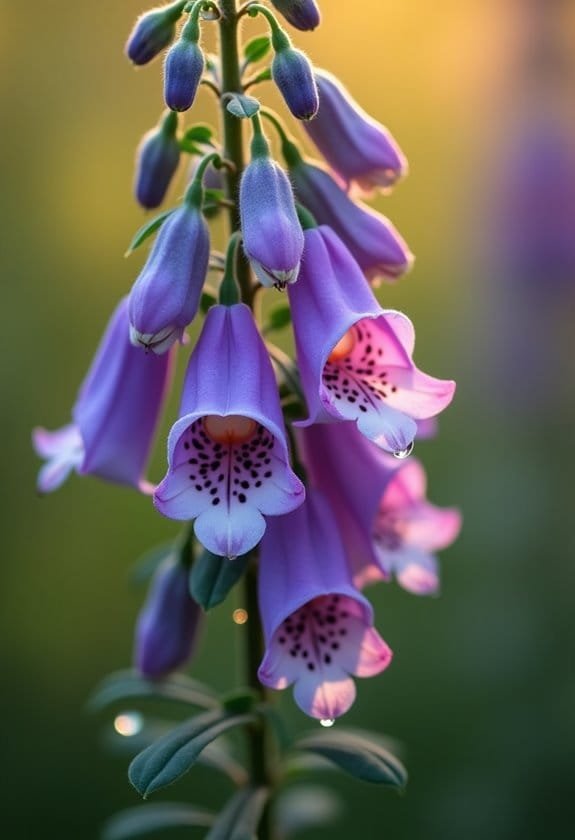
Penstemon, or Beard-Tongue, features over 250 species primarily found in North America, showcasing an impressive array of tubular flower colors, including pink, red, white, purple, and yellow. These plants thrive in sunny environments with well-drained, rocky or sandy soil, making them well-suited for various Penstemon habitats.
Mature heights vary dramatically, ranging from 6 inches to 8 feet, while spread can reach between 8 to 20 inches, enabling diverse landscape designs.
Given their remarkable drought tolerance once established, these low-maintenance perennials require minimal care, contributing to their appeal in both home gardens and natural settings. Early summer blooms fill significant gaps between spring and summer flowering plants, luring pollinators like bees and hummingbirds, thereby supporting local ecosystems.
While Penstemon conservation remains vital amidst habitat loss, cultivation practices encourage gardeners to appreciate and promote these beautiful species, with options such as the vibrant Electric Blue and award-winning Rose Rhinestones available at affordable prices.
With thoughtful cultivation and conservation efforts, Penstemon not only enriches gardens but also reinforces ecological connections, enhancing the aesthetic and ecological value of the landscapes in which they flourish.