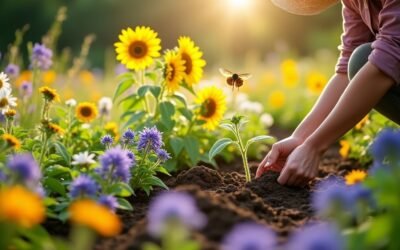
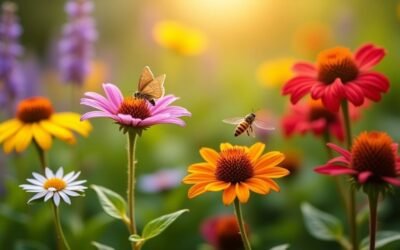
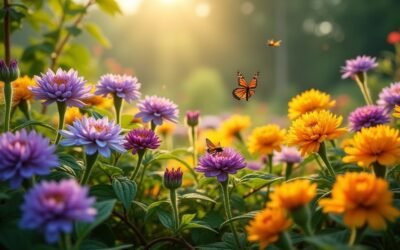
Phlomis species, often referred to as Jerusalem Sage, encompass around 100 diverse plants celebrated for their striking, tiered spikes of tubular flowers and adaptability in garden environments. Thriving in USDA hardiness zones 4 to 9, these robust plants typically grow between 2 to 4 feet high and spread about 3 to 5 feet wide, demonstrating remarkable drought tolerance once established. Their brightly-colored blooms attract essential pollinators like bees and butterflies, enhancing garden biodiversity. With minimal maintenance required and a preference for well-drained soil, Phlomis offers ecological benefits, making it an appealing choice for sustainable landscaping efforts—discover further insights into their role in horticulture and wildlife support.
Main Points
- Phlomis, commonly known as Jerusalem Sage, includes around 100 species mainly found in the Mediterranean and western Asia.
- These plants thrive in USDA hardiness zones 4 to 9 and are drought-tolerant once established.
- Phlomis species feature vibrant yellow, tubular flowers that bloom from late spring to late summer, attracting various pollinators.
- They are low-maintenance, requiring well-drained soil and full sun, making them ideal for xeriscaping.
- Phlomis plants are generally resistant to pests and diseases, adding to their appeal in sustainable landscaping.
Introduction
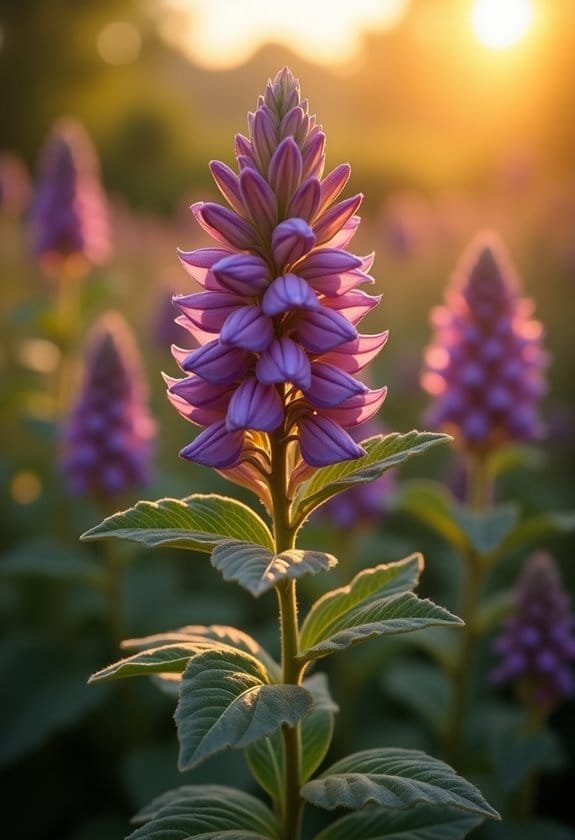
Phlomis, or Jerusalem Sage, encompasses around 100 species primarily thriving in the Mediterranean and western Asia.
This genus is celebrated for its distinctive whorled arrangements of tubular flowers that bloom from late spring to late summer, enchanting diverse pollinators and enriching gardens with vibrant life.
The remarkable adaptability and ornamental value of these plants make them ideal choices for sustainable landscaping, merging beauty and ecological function seamlessly.
Common Name
Known commonly as Jerusalem Sage, this enchanting genus brings a vibrant touch to gardens and landscapes. With its aromatic and ornamental qualities, Phlomis species, particularly Phlomis russeliana, stand out for their unique flowering structures and adaptability. The name "Jerusalem Sage" reflects not only the plant's Mediterranean origins but also its historical significance in various cultures, indicated by the alternate name, Turkish Sage.
The genus Phlomis, derived from the Greek word for "flame," holds approximately 100 species, many of which are famed for their ability to thrive in challenging conditions, including drought. The leaves of these plants were traditionally used as wicks for lamps, symbolizing their multifaceted role in human history.
Phlomis russeliana specifically showcases stunning clusters of hooded flowers that attract pollinators, making it popular in sustainable gardening practices. The plant's robust nature allows it to flourish in diverse environments while demanding minimal maintenance.
As gardeners embrace the essential benefits of biodiversity, the incorporation of Jerusalem Sage enriches both aesthetic appeal and ecological health, compellingly demonstrating how indigenous flora can enhance landscape resilience and beauty.
Scientific Name
The scientific nomenclature of the genus Phlomis reflects its rich botanical heritage and diverse species. Originating from the Greek word for "flame," Phlomis encompasses approximately 100 species, mainly found in Mediterranean regions and western Asia. Among these, notable members like Phlomis russeliana, commonly known as Hardy Jerusalem Sage, and Phlomis fruticosa, or Golden Jerusalem Sage, are celebrated for their drought resistance and ornamental charm, appealing to various gardening enthusiasts.
Phlomis species display distinct characteristics, with their prominent hooded flowers blooming in a spectrum of colors, including vibrant yellows and delicate purples, often arranged in whorls or spikes throughout the summer months. This aesthetic feature enhances the visual appeal of gardens and landscapes.
Furthermore, the adaptability inherent in Phlomis species allows them to thrive in well-drained soils under full sunlight, showcasing their resilience and low maintenance demands. Once established, these plants exhibit remarkable tolerance to drought conditions, embodying nature's ingenuity.
Understanding the scientific classification and inherent traits of Phlomis not only broadens appreciation for its beauty but also highlights its ecological significance in sustainable horticulture.
Overview
Drought-resistant perennials of the genus Phlomis, commonly known as Jerusalem Sage, thrive in the sun-soaked landscapes of the Mediterranean and western Asia. This diverse genus encompasses approximately 100 species, ranging from robust perennials to graceful subshrubs, all notable for their unique floral morphology. Each species typically showcases tubular, hooded flowers blooming in vivid shades of yellow, pink, or purple, artistically arranged in striking whorled clusters along upright stems.
Gardeners admire Phlomis plants for their low maintenance requirements, as they flourish in well-drained soils while requiring minimal watering once established. This makes them ideal candidates for sustainable and xeriscape gardening, perfect for regions where water conservation is essential.
Moreover, many species of Phlomis attract important pollinators such as bees and butterflies. This not only enhances garden biodiversity but also cultivates a vibrant ecosystem.
Certain varieties have garnered recognition, including the prestigious Award of Garden Merit from the Royal Horticultural Society. This accolade underscores their ornamental value and ecological significance, affirming Phlomis species as both a visual delight and a noteworthy contributor to sustainable gardening practices.
Key Features
Phlomis species showcase remarkable growth characteristics, typically reaching heights of 2 to 4 feet, with a robust appearance that captivates gardeners.
Their striking tubular flowers, mainly in shades of yellow or pale cream, begin to bloom from late spring and continue to enthrall throughout the summer months, attracting a variety of pollinators.
Additionally, the lush, olive-green foliage, coupled with unique dome-shaped seed heads, guarantees these plants stand out well beyond their flowering phase, enhancing their ornamental appeal in diverse landscapes.
Growth Size
Growing robust and bushy, Phlomis species typically reach heights of 2 to 4 feet and spread between 3 to 5 feet, creating a mounding habit that adds texture to garden landscapes. This remarkable growth size not only enhances the visual interest of the garden but also provides a habitat for various pollinators.
Among these, the Jerusalem Sage (Phlomis russeliana) specifically reaches about 3 feet tall and 2 feet wide, making it an ideal choice for diverse garden designs.
Known for their rapid growth, many Phlomis plants establish themselves quickly in the garden setting, often blooming profusely from early summer to late summer.
They thrive best in full sun but can adapt to light shade, showcasing their versatility. Their preference for well-drained soils permits them to flourish in conditions ranging from dry to medium moisture, further underscoring their resilience.
Appearance
With their striking combination of soft yellow flowers and lush foliage, Jerusalem Sage plants are a standout in any garden. These hardy perennials typically reach heights of 2 to 4 feet and can spread between 3 to 5 feet, presenting a broadleaf, mounding, and shrubby growth habit.
The large, olive-green leaves exhibit a wrinkled, soft wooly texture, providing both an attractive contrast to the flowers and adaptation for drought resilience.
The flowers are particularly fascinating, forming unusual whorls of tubular, drooping blooms that cluster in layers. This distinctive tiered arrangement blooms profusely from early to late summer, creating an eye-catching display that enlivens any landscape. The vibrant yellow of the flowers works harmoniously with the foliage, ensuring that the plants draw attention even from a distance.
Additionally, many Phlomis varieties grow charming ornamental seed heads that are dome-shaped, extending visual interest throughout the year. These seed heads not only contribute to the garden's aesthetic appeal but also attract birds, serving as a delightful invitation for wildlife.
Flowering Season
Throughout the flowering season, Jerusalem Sage captivates garden enthusiasts with its stunning display of bright yellow blooms. Typically, Phlomis species bloom from late spring to late summer, creating a prolonged visual spectacle that enhances any garden landscape.
The arrangement of these striking flowers is particularly significant; they're grouped in tiered spikes, containing around 20 tubular, drooping blooms each, which evoke the layered beauty found in snapdragon flowers.
This layered cluster pattern not only pleases the eye but also serves an essential ecological purpose. The vivid yellow blooms attract a variety of pollinators, including bees, butterflies, and hummingbirds, drawn by their accessible nectar sources. Remarkably, Phlomis flowers are unscented, relying on their bright colors to entice pollinators rather than fragrance.
This unique characteristic allows them to stand out vividly against the green backdrop of their foliage, ensuring their visual appeal. As the flowering season progresses, the uniformity of their yellow blooms offers a breathtaking display, underscoring the harmony between nature's beauty and ecological function.
With their striking appearance and beneficial attributes, Jerusalem Sage exemplifies the remarkable synergy of form and function in the plant kingdom.
Growing Requirements
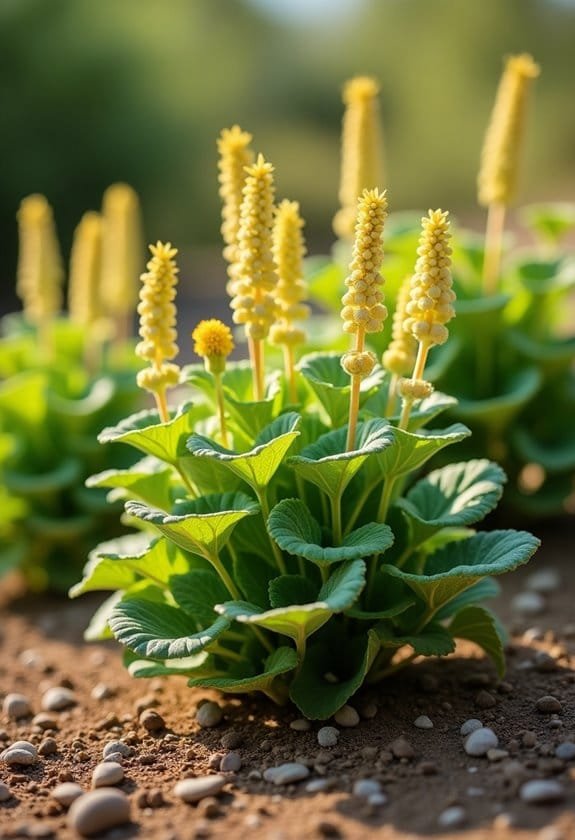
Phlomis species flourish best in environments that provide full sun to partial shade, ensuring they receive ample light for photosynthesis and growth.
They adapt to various soil types, though well-drained and fertile mediums promote ideal development, while their drought tolerance makes them perfect for gardens with minimal irrigation.
With these growing requirements, understanding how light, soil, and water conditions interact reveals the nuances essential for cultivating these resilient plants effectively.
Light
Adequate sunlight is essential for the thriving of Phlomis species, as they flourish best in full sun, needing at least six hours of direct sunlight daily.
While these plants exhibit a remarkable adaptability to various lighting conditions, prime growth occurs in well-lit environments where abundant sunlight bathes them. When deprived of ample light, particularly in shaded areas, they often suffer from unattractive, leggy stems that detract from their visual appeal.
The significance of sunlight extends beyond mere survival; it actively supports vigorous growth and bolsters the production of their striking floral displays, which are a hallmark of the Phlomis genus.
For establishing young plants, ensuring exposure to full sun is even more critical, as it enhances their ability to develop robust root systems and healthy foliage. Without sufficient sunlight, these young saplings may struggle to reach their full potential.
Soil
For ideal growth, Phlomis species require well-drained soils that range from dry to medium in moisture.
Their drought-tolerant nature thrives when cultivated in environments that prevent excessive moisture accumulation. Although adaptable to various soil types, these plants particularly favor a fertile substrate that enhances their development. Heavy or waterlogged soils are detrimental, as they often lead to root rot, compromising the health and strength of the plants.
The ideal soil composition for Phlomis includes a neutral to slightly alkaline pH, which promotes not only robust growth but also impressive flowering displays.
Propagation methods are straightforward; gardeners can utilize well-drained dry to moist soil for planting. Techniques such as taking softwood cuttings in summer or sowing seeds in late spring yield effective results, fostering a thriving garden.
Water
Growing Phlomis species successfully requires attention to their water needs, which align closely with their preference for well-drained soils.
These plants exhibit remarkable drought resistance, thriving in conditions that range from dry to medium moisture. Once established, mature Phlomis considerably reduce their irrigation requirements, meaning they're ideal candidates for xeriscaping and arid landscapes where water conservation is essential.
While young plants may demand consistent watering to support their early growth, they quickly adapt to the surrounding environment. Mature specimens possess an exceptional ability to withstand extended dry spells, showcasing their evolutionary development in low-water scenarios.
During dormant periods, their need for water diminishes further, marking a natural rhythm that aligns with their resiliency.
However, gardeners must exercise caution, for overwatering can lead to detrimental conditions such as root rot. These delicate roots thrive only in dry conditions, so ensuring proper drainage is paramount.
Temperature
Phlomis species thrive in a range of temperatures, making them adaptable to various climates. These resilient plants flourish in USDA hardiness zones from 4 to 9, depending on their specific variety. Their remarkable ability to withstand cold temperatures—some species are cold hardy down to zone 4—ensures that they remain a feasible option for diverse garden environments.
Growing best under full sun exposure, Phlomis species can tolerate light shade, allowing them to be incorporated into various landscaping plans. The leaves of these plants aren't only aesthetically pleasing but also contribute considerably to their health, as well-drained soil and dry to medium moisture levels promote ideal growth.
Once established, they exhibit exceptional drought tolerance, making them perfect for xeriscaping or dry garden settings. This versatility and hardiness give gardeners the flexibility to cultivate Phlomis species in both challenging and favorable climates.
Their ability to adapt to different environmental conditions while maintaining their crucial leaf structure is a proof of their resilience and suitability in modern horticulture. Emphasizing these growing requirements enhances their appeal, ensuring they remain a cherished choice for landscape enthusiasts.
Pollinator Criteria
Phlomis species attract a diverse range of pollinators, including bees, butterflies, and hummingbirds, thanks to their vibrant golden yellow blooms and ample nectar.
Their tubular, drooping flowers, arranged in tiered spikes, accommodate pollinators of varying sizes and feeding preferences, enhancing accessibility during the critical flowering period that extends from late spring to late summer.
This period not only supports pollinator activity but also guarantees the successful reproduction of these plants, highlighting the essential relationship between Phlomis and its pollinator allies.
Attracted Pollinators
The vibrant blooms of Phlomis species create a stunning spectacle in gardens, drawing a diverse array of pollinators. These enchanting plants, particularly those with yellow hooded flowers like Phlomis russeliana, offer bright, tubular blossoms that entice bees, butterflies, and even hummingbirds. Their abundant nectar serves as an irresistible resource, particularly favored by bees due to its rich content, which fuels their crucial activities of pollination. Additionally, the colorful blooms of other plants, such as Creeping Jenny(Creeping_Jenny), can also enhance the attractiveness of a garden by providing supplemental nectar.
The flowering period, typically spanning from late spring to late summer, guarantees prolonged attraction for these beneficial creatures. Whorled clusters of flowers enhance both visibility and accessibility, making it easier for pollinators to gather nourishment. This strategic arrangement not only appeals visually to pollinators but also aids in their natural behaviors by offering a natural design reminiscent of a welcoming banquet.
Moreover, the drought-tolerant nature of Phlomis plants allows them to thrive under varying conditions, maintaining their magnetic allure even during periods of low water. Hence, these remarkable species play an essential role in sustaining pollinators and enhancing biodiversity, making them an invaluable addition to both gardens and wild landscapes alike. Additionally, the presence of nectar-rich plants helps support crucial pollinator populations in various ecosystems.
Pollination Method
Attracting pollinators effectively hinges on specific floral characteristics that cater to their needs. Phlomis species, particularly Jerusalem Sage, feature tubular, drooping flowers arranged in clusters, ideal for facilitating access to visiting pollinators like bees, butterflies, and hummingbirds. The striking golden yellow flowers, which bloom from late spring to late summer, enhance their visibility, drawing in pollinators from afar. This vivid coloration not only catches the eye but also plays an essential role in aiding pollinator navigation.
Interestingly, Phlomis flowers lack scent, relying primarily on visual cues rather than olfactory signals to attract their important pollinators. This unique trait compels pollinators to respond to the vibrant hues and the promise of nectar, thereby creating a mutually beneficial relationship. The abundant nectar produced by these plants encourages frequent visits, enhancing the overall biodiversity of pollinators in garden settings.
The effective combination of bright yellow coloration and accessible floral structure emphasizes the significance of specific adaptations in Phlomis, ensuring that these plants thrive as critical resources for the pollinating community. Through such characteristics, they not only support individual species but contribute markedly to the health of entire ecosystems.
Care & Maintenance
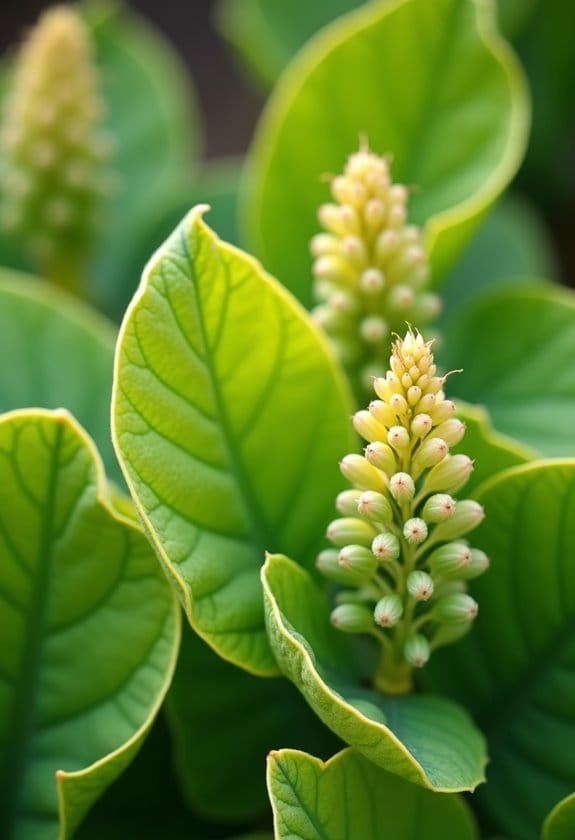
In caring for Phlomis species, gardeners should prioritize planting in well-drained soil under full sun, establishing an ideal environment for these resilient plants.
Once established, they thrive with minimal intervention, requiring only occasional deadheading to encourage prolonged blooming and aesthetic appeal.
Planting Tips
Successful planting of Phlomis species involves several key factors. First, gardeners should guarantee the plants thrive in well-drained soil, a fundamental requirement for robust growth. These species prefer full sun to partial shade, making them versatile for various garden designs.
Jerusalem Sage, a prominent member of the Phlomis family, exhibits notable drought tolerance once established, requiring minimal watering and care—an ideal selection for low-maintenance gardens.
For maximum growth, propagation methods include softwood cuttings in the summer, root ball division during spring, or sowing seeds in late spring. Gardeners often find that regular deadheading of spent flowers encourages prolonged blooming periods from late spring to late summer, enhancing both aesthetics and plant health.
Appropriate spacing between plants is crucial for maintaining healthy growth, as it fosters better air circulation and mitigates potential pest problems. Although Phlomis species generally face no serious pest issues or diseases, this extra spacing can further contribute to their overall resilience. Additionally, the ability of Rosemary to thrive in well-drained soils aligns with the requirements for Phlomis species, showcasing similar growing preferences.
Ongoing Care
Proper ongoing care for Phlomis species guarantees they continue to flourish and provide stunning blooms. Commonly known for their minimal water requirements once established, these plants thrive in dry conditions with well-drained soil and full sun exposure.
This adaptability allows them to grow trouble-free, offering profuse blooms from early to late summer.
To keep Phlomis species healthy, it's essential to avoid excessively shaded areas. Poor light conditions can result in unattractive, leggy stems, detracting from their visual appeal.
Regular propagation methods, such as softwood cuttings in summer or dividing root balls in spring, support best growth and enhance garden displays.
Their remarkable drought tolerance, coupled with natural resistance to deer and rabbits, makes them ideal for low-maintenance gardens.
A well-placed Phlomis species can transform a landscape, becoming a resilient beacon of resilience amidst the occasional dryness.
Suggested Companions
Selecting the right companions for Phlomis species can considerably enhance their visual appeal and overall garden health. Pairing Phlomis, like Phlomis russeliana, with foliage plants such as Gray Santolina creates a stunning visual contrast in garden beds, especially during late summer. These companions complement the xeric conditions Phlomis thrives in, as well as their charming blooms.
To promote sustainable gardening, it's crucial to plant Phlomis alongside other drought-tolerant species. This combination fosters a low-maintenance environment, requiring minimal watering once established. Furthermore, positioning Phlomis next to flowering plants, including lavender and echinacea, not only enriches biodiversity but also attracts pollinators, enhancing the ecological value of the garden.
Throughout the growing season, regular deadheading of spent blooms is essential. This practice encourages prolonged flowering and maintains a tidy appearance, enriching the overall aesthetics.
Additionally, ensuring that the soil remains well-drained and retains dry to medium moisture helps support the robust growth of these engaging plants. Embracing these suggestions allows gardeners to cultivate a harmonious ecosystem that delights the senses while promoting the natural beauty of Phlomis species.
Common Issues
While Phlomis species are largely resilient, they occasionally face challenges from pests like leafhoppers, which can markedly impact their vitality if not addressed promptly.
Despite their preference for sunny conditions that deter some moisture-related problems, inadequate light can result in leggy growth, diminishing their aesthetic appeal.
Gardeners must remain vigilant, monitoring these hardy plants to guarantee they thrive in their landscapes, emphasizing the importance of proper care and pest management strategies.
Pests/Diseases
Phlomis species, including Jerusalem Sage, thrive with minimal pest and disease interference, making them a solid choice for gardeners seeking low-maintenance plants. These resilient perennials are generally resistant to a variety of pests and diseases. While leafhoppers may occasionally make an appearance, they typically cause negligible damage to the plant's overall health.
Fungal diseases are rare in Phlomis; however, overwatering can compromise root integrity, leading to root rot. This issue underscores the importance of ensuring well-drained soil, which allows for necessary aeration and moisture control.
Additionally, Phlomis plants are largely unpalatable to herbivores such as deer and rabbits, who tend to avoid them due to their high drought tolerance and robust structure.
Regular monitoring of plant conditions, combined with good cultural practices, fosters a healthy gardening environment. The limited occurrence of significant pests and diseases translates into lower maintenance requirements for the gardener.
Solutions
For those encountering common issues with growing Phlomis species, addressing specific challenges can enhance their garden experience. While these plants generally thrive with minimal care, occasional leafhoppers may appear and require management.
As resilient beings, Phlomis species flourish best in full sun, where flowers bloom vibrantly, creating stunning displays. Poor growth in shaded areas often results in unattractive, leggy stems, indicating the necessity for ideal growing conditions.
To encourage healthy development, gardeners should ascertain these plants receive ample sunlight each day. Ample light not only bolsters growth but also aids in attracting pollinators like bees, butterflies, and hummingbirds, enhancing overall biodiversity and ecosystem health in the garden.
Despite their robust nature, Phlomis species can still benefit from regular checks for pests, ascertaining that populations remain manageable and preventing any potential infestations.
In late summer and fall, the appearance of brown capsules—less than 1 inch in size—adds an additional visual dimension without creating significant pest concerns.
Summary
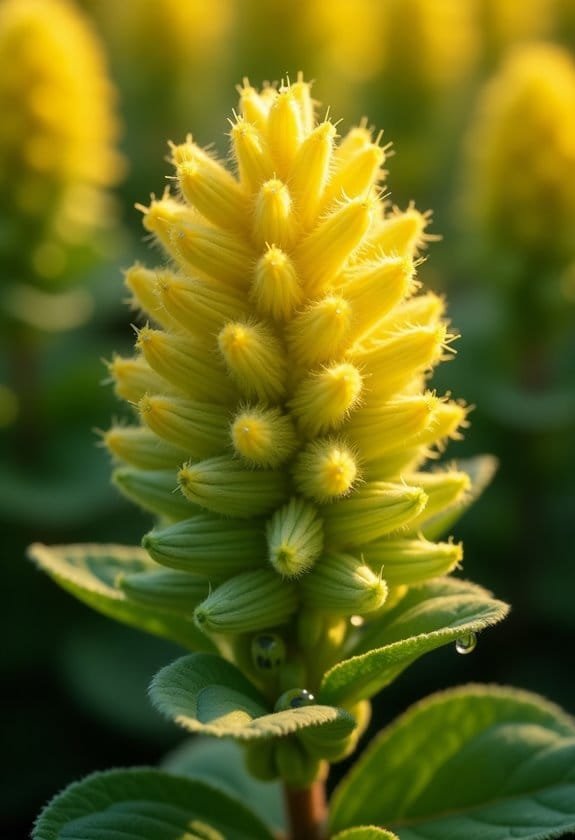
The genus of Jerusalem Sage encompasses around 100 species that thrive primarily in Mediterranean regions and western Asia. These perennial plants are particularly cherished for their distinctive tiered flower spikes, which bloom in radiant shades of yellow, purple, or pink throughout the summer months.
Highly valued for their exceptional drought tolerance, Phlomis species flourish in poor soil conditions, rendering them ideal candidates for low-maintenance xeriscape gardens.
Notably, many varieties within this genus contribute significant aesthetic appeal to garden landscapes, providing striking architectural structures that capture the eye. Their blooms not only attract pollinators—such as bees and butterflies—but also create vibrant, lively ecosystems.
For instance, Phlomis russeliana, among other species, has garnered accolades like the Royal Horticultural Society's Award of Garden Merit, highlighting its ornamental qualities.
Incorporating Phlomis species alongside ornamental grasses enhances ecological diversity, offering a symphony of textures and colors that invigorate outdoor spaces.
As gardeners increasingly seek low-maintenance yet visually appealing options, the enduring charms and resilience of Phlomis species make them a superb choice for contemporary landscapes, bridging the gap between beauty and sustainability.