Polemonium caeruleum, or Jacob's Ladder, is a enchanting perennial that typically reaches heights of 18-24 inches (45-60 cm). It showcases delicate, fern-like leaves with up to 20 bright green leaflets resembling a ladder. In mid to late spring, it produces stunning cup-shaped deep blue flowers, approximately 1 inch (2.5 cm) in size, accentuated by prominent yellow stamens. Preferring partial shade and nutrient-rich, well-drained soils, this plant thrives in USDA zones 4 to 9. While largely pest-free, it may experience powdery mildew in humid conditions, thereby emphasizing a need for adequate air circulation. There's much more to uncover about its care and ecological benefits.
Main Points
- Jacob's Ladder (Polemonium caeruleum) is a perennial known for its deep blue flowers and fern-like leaves, reaching 18-24 inches tall.
- It thrives in well-drained, fertile soils, prefers partial shade, and is suitable for USDA zones 4 to 9.
- Flowering occurs in mid to late spring, attracting bees and butterflies, thus supporting local biodiversity.
- Regular watering and deadheading are necessary for maintenance, with minimal care and resistance to pests.
- Companion plants include hostas and ferns, which share similar moisture and light requirements, enhancing garden aesthetics.
Introduction
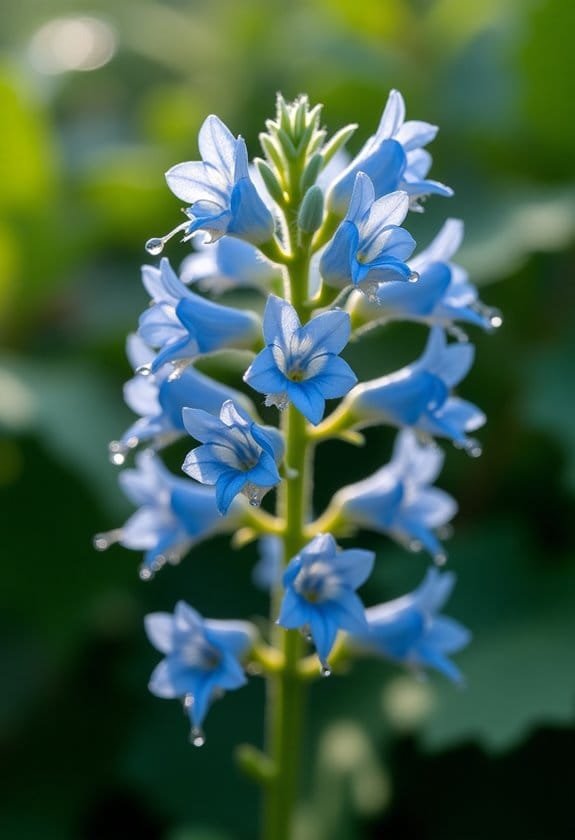
Polemonium caeruleum, commonly known as Jacob's Ladder, is a remarkable perennial that captivates gardeners with its striking, cup-shaped deep blue flowers adorned with vibrant yellow stamens.
This plant flourishes in a variety of environments, reaching impressive heights of 18-24 inches and showcasing finely divided, fern-like foliage that can bear up to 20 leaflets.
Originally hailing from northern Asia and Europe, Jacob's Ladder thrives in well-drained soils and offers minimal maintenance, making it an exquisite choice for both borders and woodland gardens.
Common Name
Known for its striking beauty, Jacob's Ladder is the common name for Polemonium caeruleum, a perennial plant famous for its resemblance to the biblical ladder in Jacob's dream. This unique plant features an elegant arrangement of stackable, fern-like leaves, which can contain up to 20 leaflets, giving it a distinctively layered appearance reminiscent of the rungs on a ladder.
Jacob's Ladder typically reaches a height of 18 to 24 inches (45 to 60 cm) and flourishes in mid to late spring, when it showcases loose sprays of cup-shaped, deep blue flowers. These vibrant blooms not only attract a variety of pollinators, including bees and butterflies, but also add a splash of color to gardens and natural settings.
Adaptable to diverse environments, this charming plant thrives in average, medium, well-drained soils, making it a popular choice for cottage gardens, rock gardens, and woodland areas. Furthermore, its deer-resistant nature guarantees minimal wildlife damage, enhancing its appeal for gardeners seeking resilient yet picturesque flora. Fundamentally, Jacob's Ladder serves as not only a botanical delight but also an emblem of natural beauty in cultivation. Additionally, it can form beneficial associations with acid-loving plants in the garden, promoting biodiversity.
Scientific Name
Jacob's Ladder's scientific designation, Polemonium caeruleum, highlights its classification within the Polemoniaceae family. This designation underscores not only its botanical lineage but also its unique characteristics that differentiate it from other flowering plants. The term "Polemonium" originates from the Greek word "polemos," meaning war, likely referring to the historical conflicts over its various species. Meanwhile, "caeruleum" translates to "blue," aptly describing the plant's striking, deep blue, cup-shaped flowers.
Polemonium caeruleum typically reaches a height of 18-24 inches (45-60 cm) and thrives in well-drained, fertile soils, making it a popular choice for gardeners in USDA zones 4 to 9. The species is noted for its fern-like, bright green leaves, which contribute remarkably to its ornamental appeal. Additionally, it can flourish in acidic soils, similar to other plants like Calluna vulgaris, further enhancing its adaptability in varied garden settings.
Additionally, the name "Jacob's Ladder" alludes to the plant's distinctive leaf structure that features up to 20 leaflets, resembling the biblical ladder from Jacob's dream. This intricate configuration of foliage not only serves an aesthetic purpose but also aids in photosynthesis, maximizing sunlight absorption. The ecological benefits of pollinator attraction associated with flowering plants like Jacob's Ladder further enhance its appeal in garden design.
Consequently, Polemonium caeruleum encapsulates both beauty and functionality, enriching gardens with its vibrant colors and lush foliage.
Overview
Often found gracing gardens and natural landscapes, the enchanting Jacob's Ladder (Polemonium caeruleum) captivates with its vibrant blue flowers and delicate, fern-like foliage.
Standing erect, this perennial blooms from mid to late spring, showcasing loose sprays of cup-shaped, deep blue flowers, which contrast beautifully with its finely divided, bright green leaves. Each leaf comprises up to 20 leaflets, a feature that draws symbolism from the biblical story of Jacob's dream of a ladder. Additionally, the plant's foliage transitions to bronze in autumn, providing year-round visual interest.
Preferring partial shade and fertile, moist, well-drained soils, Polemonium caeruleum thrives in hardiness zones 4 to 9, effectively adapting to various climates, though it becomes intolerant of excessive heat and humidity.
Its deer-resistant nature makes this stunning plant a desired addition for gardeners. Minimal maintenance is required, primarily focusing on deadheading flower stems to prevent self-seeding, as well as cutting back to basal foliage after blooming. Additionally, this plant can be a valuable addition to garden habitats as it supports local pollinator populations during its blooming season.
For those looking to propagate Jacob's Ladder, methods include seed sowing in containers or division during spring.
This versatility makes Polemonium caeruleum an excellent choice for borders, rock gardens, and woodland settings, enhancing any landscape with its charming allure.
Key Features
Jacob's Ladder, or Polemonium caeruleum, typically grows to a height and width of 18-24 inches, creating a compact yet striking presence in any garden.
Its erect stems, adorned with fern-like leaves and eye-catching deep blue flowers that bloom from mid to late spring, make it a visually appealing choice for landscapes.
This plant not only contributes beauty but also serves as an essential nectar source, attracting a variety of spring pollinators keen to indulge in its prominent yellow stamens.
Growth Size
The impressive growth size of Polemonium caeruleum, commonly known as Jacob's Ladder, showcases its importance in garden spaces. Typically, this resilient perennial reaches heights and widths of 18 to 24 inches (45 to 60 cm), establishing a vibrant presence.
Its erect, stiff leafy stems rise above finely divided, fern-like, bright green leaves, which can consist of up to 20 leaflets. This unique foliage provides a lush backdrop for the plant's striking deep blue flowers, which bloom in loose sprays around mid to late spring. Furthermore, Jacob's Ladder thrives in well-draining, alkaline soils, which are ideal for its growth.
Native to northern Asia and Europe, Jacob's Ladder adapts wily to various climates and soil types. Its growth thrives in average to fertile, moist, and well-drained soils, with a preference for sun or part shade conditions.
The plant's ability to flourish in diverse settings makes it a staple choice for gardeners seeking to add both color and texture. Moreover, its dense growth habit acts as a natural weed-suppressing ground cover, enhancing the overall health of garden ecosystems.
As a hardy perennial, Jacob's Ladder seamlessly integrates into a range of landscapes, enhancing biodiversity while providing necessary habitats for pollinators.
Consequently, its impressive growth size not only beautifies but also contributes positively to the ecological networks.
Appearance
Typically, Polemonium caeruleum presents a striking visual appeal in garden spaces. Known as Jacob's Ladder, this charming plant showcases an erect stature, typically reaching heights of 18-24 inches (45-60 cm). Its stiff, leafy stems rise gracefully above finely divided, fern-like leaves, which boast a vibrant bright green hue and can contain up to 20 leaflets.
These leaves evoke images of the biblical dream, symbolizing depth and beauty.
The plant's most alluring features are its loose sprays of cup-shaped, deep blue flowers, about 1 inch (2.5 cm) in size, adorned with prominent yellow stamens that create a delightful contrast. These stunning flowers emerge in mid to late spring, enhancing the elegance of the foliage and drawing attention from both pollinators and admirers alike.
Robust and resilient, Jacob's Ladder is native to northern Asia and Europe, thriving in diverse garden settings. Its resilience extends to its relatively pest-free nature and deer resistance, making it a preferred choice for gardeners seeking low-maintenance yet visually striking plants.
The overall appearance of Polemonium caeruleum, combined with its biblical connotations, adds an enchanting touch to any landscape.
Flowering Season
During mid to late spring, Polemonium caeruleum bursts into bloom, displaying stunning, deep blue flowers that add splashes of color to any garden. Known commonly as Jacob's Ladder, this perennial produces clusters of cup-shaped flowers, each measuring about 1 inch (2.5 cm) in diameter, which charm both the eye and the soul.
The petals envelop prominent yellow stamens, creating a vivid contrast that effectively attracts early spring pollinators such as bees and butterflies, thereby establishing the plant as a reliable nectar source. Additionally, Jacob's Ladder not only enhances the garden but also contributes to the attraction of various pollinators like bees, enriching the local ecosystem.
The flowering season not only enhances the garden's aesthetics but also plays a pivotal role in local ecosystems by supporting diverse pollinators through an abundance of pollen availability. The flowers bloom in loose clusters along sturdy stems, ensuring visibility and accessibility for visiting insects.
After the blooming period, it's beneficial to deadhead flowered stems; this practice not only maintains Jacob's Ladder's tidy appearance but also curtails unwanted self-seeding. Additionally, like Geum rivale, Water Avens contributes significantly to pollinator interaction and supports overall biodiversity in its habitat.
Growing Requirements
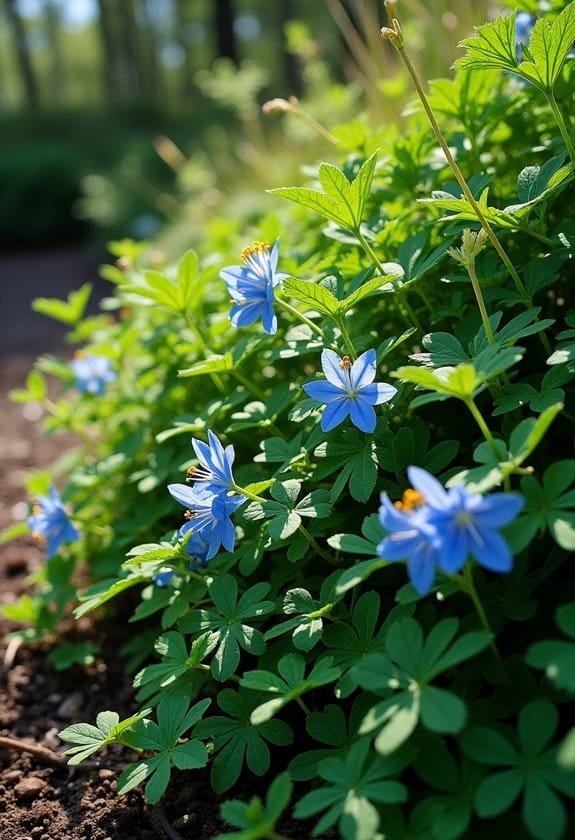
When considering the growth of Polemonium caeruleum, it's essential to understand its needs for light, soil, water, and temperature.
This perennial flourishes in well-drained, fertile soil with consistent moisture and ideally thrives under full sun or partial shade, where the heat of midday is mitigated.
Keeping these factors in mind not only enhances the plant's health but also encourages vibrant blooms, creating a beautiful and resilient addition to gardens in hardiness zones 4 to 9.
Light
Light plays an essential role in the growth of Polemonium caeruleum, commonly known as Jacob's Ladder. This perennial plant flourishes in environments that provide a balance of sun and shade, ideally receiving morning light while being sheltered from the harsh rays of the afternoon sun. In such conditions, Jacob's Ladder develops healthy foliage and vibrant flowers, showcasing its stunning blue hues.
To thrive, it prefers partial shade, making it particularly suitable for woodland areas and locations beneath deciduous trees. While this plant is adaptable and can tolerate dappled light, exposure to excessive sunlight can lead to leaf scorch, undermining its overall liveliness.
The ideal lighting conditions contribute greatly to the plant's ability to maintain moisture, as consistent hydration is essential for healthy growth. Local environmental factors influence the growth of Jacob's Ladder, but achieving the right balance of light guarantees that the plant can flourish without succumbing to stress from overly intense solar exposure.
Soil
For ideal growth, Polemonium caeruleum, also known as Jacob's Ladder, requires fertile, well-drained soil that remains consistently moist. This perennial flourishes best in average to medium soils that provide essential nutrients while preventing waterlogging, which can adversely affect root development. The plant's intolerance to dry conditions emphasizes the importance of maintaining adequate soil moisture, especially during periods of high heat or humidity.
When selecting a planting location, gardeners should consider areas with dappled sunlight or part shade, as the soil's temperature and moisture levels are intricately linked to the light conditions. Such environments foster healthy growth and prevent stress, allowing Jacob's Ladder to thrive.
In hardiness zones 4 to 9, this adaptable plant exhibits resilience across various climates, yet the quality of soil remains a non-negotiable factor in its cultivation. Regular assessments of soil moisture will be vital, acting like a gardener's compass, guiding them to maintain balance for this delicate perennial.
Emphasizing well-drained yet consistently moist soil will result in robust growth and vibrant blooms, ultimately enhancing the garden's overall aesthetic. Proper soil care becomes a nurturing embrace, allowing Jacob's Ladder to flourish beautifully.
Water
Maintaining adequate water levels is crucial for the health of Polemonium caeruleum, as this perennial thrives in consistently moist soil. Preferring fertile and well-drained environments, it can't tolerate drought, especially during the sweltering summer months. Watering regularly is essential, particularly for newly planted specimens, to facilitate robust growth and establishment.
While Jacob's Ladder demands average moisture to flourish, excessive water can lead to root rot. This precarious balance means that gardeners must exercise caution when watering, confirming that soil doesn't become overly saturated.
Implementing a layer of mulch not only helps retain soil moisture but also acts as a protective barrier against root desiccation.
Gardeners aiming for maximum growth should monitor water levels closely, aiming for a soil consistency that feels moist but never boggy. This careful attention guarantees that Polemonium caeruleum can reach its full potential while avoiding the pitfalls of waterlogged conditions.
Therefore, thoughtful water management plays a critical role in cultivating this lovely flowering perennial, allowing its vibrant blooms to grace gardens with beauty and charm.
Temperature
Temperature plays an important role in the growth of Polemonium caeruleum, commonly known as Jacob's Ladder. This perennial thrives in hardiness zones 4 to 9, indicating its remarkable adaptability to temperatures ranging from frosty winters to temperate summers.
However, Jacob's Ladder prefers a cool to moderate climate and struggles in high heat and humidity, which can impede its growth and flowering. The ideal environment for this plant encompasses well-drained, fertile soil that retains moisture while preventing waterlogging, helping to stabilize root temperatures—significant for healthy development.
During peak sunlight hours, providing protection against direct sun exposure mitigates potential heat stress, allowing the Jacob's Ladder to flourish without compromise.
To guarantee best health, maintaining consistent moisture levels is essential, as soil desiccation can adversely affect both the plant's vigor and blooming performance. With a balanced approach to temperature management, gardeners can cultivate Jacob's Ladder effectively, enjoying its delicate blooms while fostering a robust ecosystem.
Fundamentally, understanding the temperature requirements—specifically cool and moderate conditions—guarantees a flourishing specimen, delighting onlookers with its elegant presence in the garden.
Pollinator Criteria
Jacob's Ladder, known scientifically as Polemonium caeruleum, draws in a diverse array of pollinators primarily through its vibrant blue flowers and abundant pollen supply.
This plant's cup-shaped blooms not only facilitate access for bees and butterflies but also enhance effective pollination, which is essential for its reproductive processes. Additionally, Great Willowherb shares similar vibrant blooms that attract various pollinators, demonstrating the significant role of flowering plants in supporting ecosystem health.
The relationship between Jacob's Ladder and its pollinators underscores the importance of such species in maintaining ecological balance and promoting garden biodiversity. Additionally, its habitat supports nectar sources for pollinators, contributing to overall urban biodiversity.
Attracted Pollinators
Many gardeners find that Polemonium caeruleum, commonly known as Jacob's Ladder, effectively attracts a variety of pollinators due to its vibrant blooms and abundant pollen. This perennial plant blooms in mid to late spring, providing a crucial nectar source for early-season pollinators, including bees and butterflies.
The deep blue flowers feature striking yellow stamens, creating a vivid contrast that beckons these beneficial insects. With its prolific production of pollen, Jacob's Ladder guarantees essential nourishment for several spring pollinators, contributing to the overall health of local ecosystems.
By welcoming an array of pollinators, it supports biodiversity, fostering important interactions among flora and fauna. The ability of this plant to thrive in sun or part shade further enhances its appeal, as it creates an inviting refuge for attracted pollinators.
Moreover, the presence of Jacob's Ladder in both garden and natural settings demonstrates its capacity to enrich landscapes while simultaneously promoting healthy plant growth. Gardeners aiming to support their local environments can rest assured that cultivating this species not only beautifies their spaces but also plays a significant role in sustaining ecological balance.
Pollination Method
Pollination in Polemonium caeruleum hinges on its beautifully structured flowers, which effectively cater to the needs of early spring pollinators. The plant produces striking deep blue, cup-shaped blooms adorned with prominent yellow stamens, forming a visual and nutritional beacon for various insects, especially bees and butterflies.
This strategic design not only attracts pollinators but also facilitates effective pollen transfer during reproduction, important for the plant's lifecycle. Throughout its blooming period from mid to late spring, Jacob's Ladder offers abundant nectar and pollen, essential resources for these foragers.
This reliable nourishment guarantees that pollinators are consistently drawn to the plant, reinforcing their role in its reproductive success. The adaptation to prefer part shade further enhances its habitat, promoting biodiversity among pollinator species, which ultimately supports seed production.
Given that Polemonium caeruleum is a perennial, the interplay between its pollination method and seasonal availability of resources secures a greater chance of survival and propagation. As early spring unfolds, these blooms act as crucial hubs of activity, where the delicate balance of plant and pollinator dynamics plays out in nature's intricate theater.
Care & Maintenance
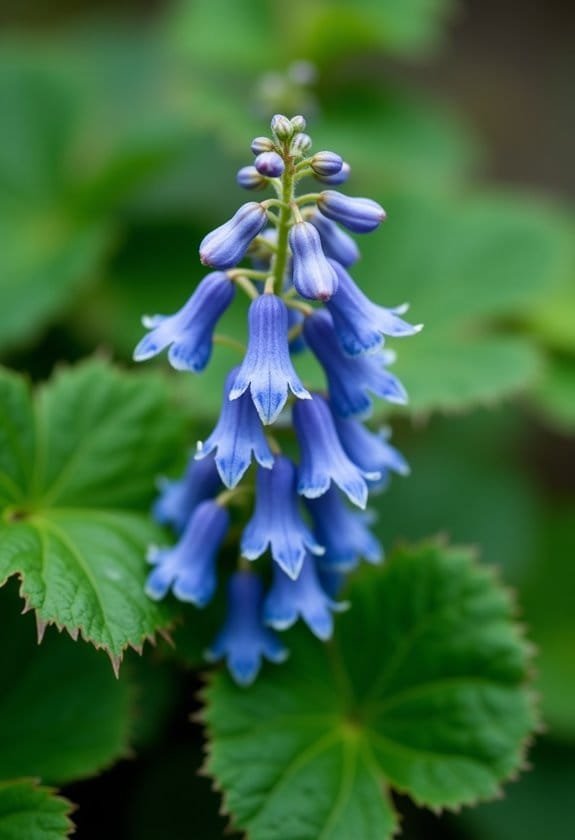
Caring for Polemonium caeruleum, commonly known as Jacob's Ladder, involves essential practices that enhance its growth and flowering potential.
Regularly maintaining consistent soil moisture, while ensuring excellent drainage, prevents root rot and promotes vibrancy in foliage.
To maximize the plant's health, incorporating mulching, deadheading, and providing ample spacing during division cultivates a flourishing environment for this enchanting perennial and its companion plants.
Planting Tips
Successful planting of Polemonium caeruleum, commonly known as Jacob's Ladder, requires careful attention to timing and soil conditions. Ideally, gardeners should plant Jacob's Ladder in early spring or autumn, ensuring that the soil remains warm and moist, thereby facilitating successful root establishment. In addition, these plants may benefit from a slightly acidic soil pH, similar to the preferences of wild strawberries(5.4-6.8 pH), which can enhance their growth.
The plant flourishes in fertile, well-drained soil that maintains an even level of moisture without becoming soggy. To create ideal conditions, it's crucial to keep the soil consistently damp but not oversaturated, allowing the roots to breathe and thrive.
Adding a layer of mulch in either spring or autumn helps retain moisture, especially in sunnier environments, minimizing the stress induced by heat and dryness. Additionally, gardeners should regularly deadhead spent flowers, a process that encourages prolonged blooming and curtails unwanted self-seeding.
After the blooming season, cutting back foliage to ground level tidies the garden and stimulates the potential for reblooming in the following year. By implementing these tailored planting tips, individuals can cultivate robust specimens of Polemonium caeruleum, ensuring their vibrancy and longevity in any garden landscape. Additionally, regular watering and mulching will create a favorable environment, similar to the thriving conditions preferred by Meadow Rue.
Ongoing Care
After planting, ongoing care for Polemonium caeruleum is essential for maintaining its health and vibrancy. To promote robust growth and continued blooming, gardeners should begin by deadheading flowered stems. This practice not only prevents unwanted self-seeding but also stimulates further flower production.
Following the flowering period, it's advisable to cut back the plant to its basal foliage, thereby tidying the garden while encouraging future reblooming in the next season.
Jacob's Ladder thrives in well-drained, fertile soil that remains consistently moist. Regular watering is critical, as the plant dislikes an overly dry environment. Gardeners should also monitor for powdery mildew, which, though infrequent, can occasionally affect the plant.
Fortunately, Polemonium caeruleum is generally pest-free and resistant to deer, making it a low-maintenance choice for many landscapes.
In the spring, applying a layer of mulch helps retain moisture around the roots, while keeping them cool during hotter months. By following these ongoing care practices, gardeners can guarantee that Jacob's Ladder remains a healthy and vibrant presence in their gardens, continuously delighting with its beautiful, ladder-like blooms.
Suggested Companions
When choosing companions for Polemonium caeruleum, gardeners should consider shade-loving perennials that complement its beauty and thrive in similar conditions.
Hostas and astilbes not only enhance the visual appeal of Jacob's Ladder but also provide lush foliage that contrasts beautifully with its delicate blooms. The moist soil requirements of caeruleum align harmoniously with moisture-retaining plants like ferns and pulmonarias, which help maintain the necessary environmental conditions. Additionally, these companion plants can thrive in nutrient-rich soil, much like water mint thrives in its preferred habitat.
To create a vibrant spring display, pairing Jacob's Ladder with fuchsia or columbine—both of which bloom at similar times—results in a stunning tapestry of color.
Additionally, caeruleum's deer-resistant nature makes it a wise choice to accompany other resistant species, such as epimediums and hellebores, forming a lush, low-maintenance garden area.
Regularly deadheading Jacob's Ladder is essential; this practice not only keeps the plant tidy but also greatly promotes healthy growth among companion plants by improving air circulation and light exposure. Furthermore, incorporating companion plants like Salad Burnet can enhance the overall garden ecosystem stability, as it attracts beneficial pollinators and supports local wildlife.
Common Issues
While Polemonium caeruleum, or Jacob's Ladder, is typically resilient, it can encounter a few challenges, including powdery mildew during humid spells.
High humidity combined with excessive heat often leads to stress, which manifests as wilting or unsightly leaf scorch; consequently, appropriate shade and moisture are essential.
Additionally, practices like deadheading spent flowers can't only avert unwanted self-seeding but also enhance the plant's overall vigor, ensuring robust growth throughout its blooming period.
Pests/Diseases
Jacob's Ladder, also known as Polemonium caeruleum, is largely pest-free, yet it can still face challenges from certain diseases. Among these, powdery mildew stands out as a notable concern, especially in environments characterized by high humidity. This fungal disease manifests as white, powdery spots on the leaves, which serve as a clear indicator that conditions are ripe for its development.
To mitigate the risk of this disease, gardeners should prioritize proper air circulation and maintain adequate spacing between plants. These practices not only deter fungal infections but also promote overall plant health.
Although Jacob's Ladder is regarded as deer resistant, it may occasionally attract pests, leading to signs of damage that warrant close observation.
Additionally, regular maintenance activities—such as deadheading wilting flowers and promptly removing any diseased foliage—play an essential role in safeguarding the plant against both pests and diseases. These proactive measures contribute considerably to the plant's resilience, making it less vulnerable to future issues.
Through vigilance and prompt action, gardeners can ascertain that Jacob's Ladder remains a thriving and vibrant component of their landscapes.
Solutions
Addressing common issues with Polemonium caeruleum requires proactive strategies to guarantee healthy growth and vibrant blooms. One prevalent challenge is powdery mildew, which may thrive in humid conditions.
Gardeners should monitor their plants closely and ascertain good air circulation, thereby minimizing its occurrence and preventing plant stress. Additionally, ensuring that the plants receive full sun exposure can help to reduce the incidence of such diseases.
To combat leggy growth, it's crucial to provide partial shade and protect caeruleum from the harsh afternoon sun, which can cause excessive elongation and a weakened frame.
Regular deadheading of spent flowers not only curbs self-seeding, but also encourages reblooming, making certain a lush display throughout the season, akin to a garden that never wants to fade.
In regions with high heat and humidity, consistent soil moisture becomes a necessity, preventing stress and potential decline in plant health.
Should leaf tattering arise, gardeners should trim back any damaged foliage gently, promoting new growth and maintaining the plant's overall aesthetic appeal.
By using these preventive measures, enthusiasts can cultivate thriving Jacob's Ladder plants, resulting in a stunning and resilient addition to their gardens. Additionally, the use of well-drained soil is essential for avoiding issues like crown rot, which can jeopardize the health of various plants, including Jacob's Ladder.
Summary
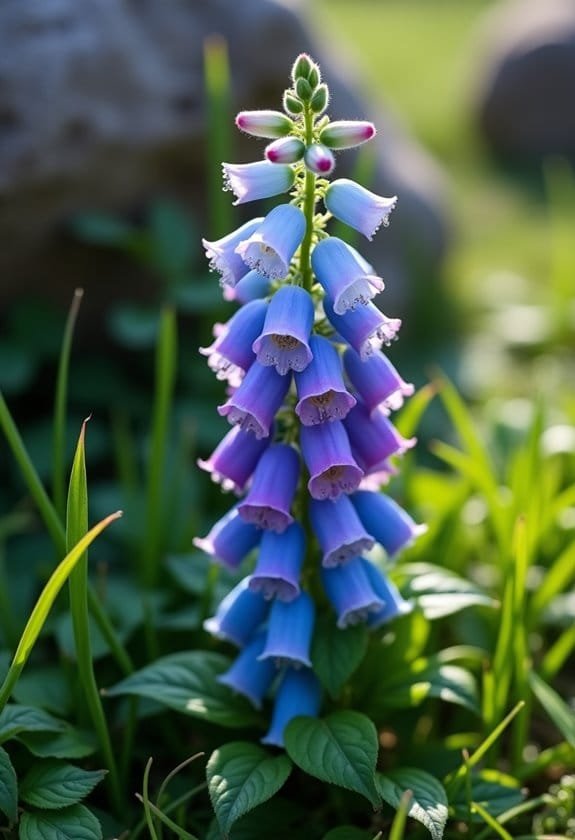
Polemonium caeruleum, known as Jacob's Ladder, is a striking perennial that captivates gardeners with its deep blue cup-shaped flowers and manageable size. Typically reaching heights and widths of 18-24 inches (45-60 cm), this delightful plant blooms in mid to late spring, creating stunning displays in various garden settings.
Thriving in average, well-drained soils, Jacob's Ladder prefers fertile, moist conditions, making it a perfect choice for borders, rock gardens, and woodland environments.
This resilient species flourishes in sun or part shade, although it requires protection from the intense afternoon sun. Unfortunately, it's intolerant of high heat and humidity, which limits its adaptability.
Fortunately, Jacob's Ladder is generally pest-free and deer resistant, allowing for a carefree gardening experience with minimal maintenance, such as deadheading flowered stems and trimming back to the basal foliage after blooming.
Propagation of Polemonium caeruleum can be effortlessly achieved by sowing seeds in containers or through division in spring. This straightforward approach facilitates the expansion of this alluring perennial, providing gardeners with the opportunity to enjoy its charm in multiple areas of their landscape.