Ridolfia segetum, known as False Fennel, is a versatile herbaceous plant in the Apiaceae family, achieving heights between 30 to 100 centimeters. Its finely dissected leaves, characterized by a lush green hue and fuzzy texture, provide a striking contrast to its small, yellowish-white flowers that bloom in umbrella-shaped clusters, typically from late spring to early summer. Thriving in well-drained soils under full sun, this plant attracts pollinators like bees, enhancing local biodiversity. Although often regarded as a weed due to its adaptability in agricultural landscapes, Ridolfia segetum showcases significant ecological benefits, unraveling a compelling narrative of resilience and harmony within ecosystems.
Main Points
- Ridolfia segetum, or False Fennel, is a member of the Apiaceae family, recognizable by its lacy leaves and yellowish-white flower clusters.
- This plant thrives in well-drained soils with full sunlight, needing regular watering and compost for optimal growth.
- It plays a vital ecological role by attracting pollinators, supporting biodiversity, and enhancing soil health in agricultural ecosystems.
- False Fennel can be vulnerable to pests like aphids and fungal infections; management strategies include integrated pest management and regular soil monitoring.
- Historically, Ridolfia segetum has culinary and medicinal uses, emphasizing its importance in sustainable agricultural practices and local ecosystems.
Introduction
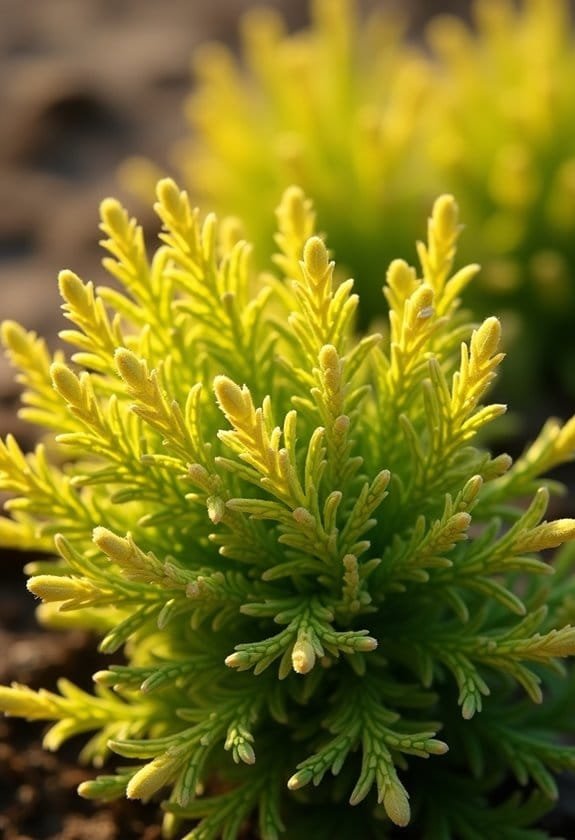
Ridolfia segetum, commonly known as False Fennel, represents an intriguing member of the Apiaceae family, with origins spanning Europe and parts of Asia.
Growing between 30 to 100 centimeters in height, this plant captivates with its finely dissected leaves and clusters of small yellowish-white flowers, which bloom from late spring to early summer.
Common Name
Often referred to as False Fennel, this plant earns its common name due to its resemblance to true fennel. Belonging to the Apiaceae family, which houses an array of aromatic herbs and vegetables, False Fennel captivates with its unique characteristics. Primarily found in the temperate regions of Europe and parts of Asia, this plant flourishes in agricultural lands and disturbed areas, showcasing its adaptability and resilience.
The appearance of False Fennel is marked by small, delicate yellowish-white flowers, which bloom in umbrella-shaped clusters, adding an aesthetic charm to its surroundings. These features not only enhance its visual appeal but also play a role in its ecological interactions.
However, in agricultural contexts, False Fennel is often deemed a weed, sometimes overshadowing its culinary potential. Traditionally, its young leaves and shoots have been utilized for edibility, reflecting the historical connection between humans and nature.
This common name consequently encapsulates both the plant's visual similarities to true fennel and its varied cultural significance. Understanding False Fennel's common name opens the door to appreciating its unique place in both agriculture and traditional culinary practices.
Scientific Name
The scientific name of False Fennel, Ridolfia segetum, reflects its classification within the Apiaceae family, a diverse group known for its numerous economically important species. Native to Europe and parts of Asia, Ridolfia segetum thrives particularly in agricultural lands and disturbed areas, often signaling a changing ecosystem.
This upright herbaceous plant typically reaches a height of 30 to 100 cm, exhibiting finely dissected, compound leaves that closely resemble those of true fennel, adding to its misleading common name.
During late spring to early summer, Ridolfia segetum produces small, yellowish-white flowers that bloom in characteristic umbrella-shaped clusters, providing visual interest and drawing pollinators. The plant's reproductive success is aided by its unique double-seeded fruit, which is elongated and flattened. This feature enhances its dispersal capabilities, allowing Ridolfia segetum to establish itself in diverse environments.
Understanding the scientific classification of Ridolfia segetum reveals a rich tapestry of ecological interactions, highlighting its role within agricultural ecosystems and its potential impacts on local biodiversity. As scientists study this intriguing species, they deepen their insight into the complexities of plant adaptation and survival.
Overview
False Fennel, or Ridolfia segetum, stands out not just for its resemblance to true fennel but also for its substantial ecological contributions. Native to Europe and parts of Asia, this herbaceous plant typically reaches heights of 30 to 100 cm.
Its finely dissected, compound leaves provide a striking appearance, reminiscent of its more culinary cousin. From late spring to early summer, small yellowish-white flowers bloom throughout summer, forming umbrella-shaped clusters that attract various pollinators, thereby playing an important role in local ecosystems.
Despite its invasive reputation, particularly in agricultural settings, False Fennel serves essential functions by supporting biodiversity. In addition, its elongated, flattened, double-seeded fruits enhance its reproductive capabilities, allowing for efficient distribution across disturbed areas.
These characteristics enable Ridolfia segetum to adapt successfully, often taking root in challenging environments. While some may view it as a weed due to its prevalence in crops, understanding its ecological significance reveals a different story—one of resilience and contribution.
In a world increasingly challenged by biodiversity loss, recognizing plants like False Fennel becomes imperative for promoting healthy ecosystems and encouraging sustainable agricultural practices.
Key Features
Ridolfia segetum, or False Fennel, exhibits a remarkable growth stature, reaching heights between 30 to 100 cm.
Its compound leaves mimic those of its close relative, fennel, while the plant's small yellowish-white flowers bloom in charming umbrella-like clusters from late spring through early summer.
This striking appearance not only enhances its aesthetic appeal but also plays an essential role in attracting pollinators, thereby enriching the biodiversity of its habitat.
Growth Size
Often reaching heights between 30 to 100 cm, Ridolfia segetum is a moderately sized plant perfect for various garden settings. Its growth size makes it an appealing choice for gardeners wishing to incorporate a lush presence without overwhelming smaller spaces. At maturity, this plant can spread 3 to 4 feet in width, enhancing its impact as it fills the garden with a verdant, aromatic charm.
The growth size of Ridolfia segetum also reflects its ecological adaptability, as it thrives best in well-drained soils while basking in full sunlight. This combination of height and spread contributes to its aesthetic allure, complemented by its finely dissected, compound leaves that resemble those of fennel. The delicate structure of these leaves captures light beautifully, creating a dappled effect in sunny spots.
In addition to its physical stature, the plant's growth size supports a range of beneficial wildlife, particularly during its blooming phase from late spring to early summer, when small yellowish-white flowers emerge in clusters.
These clusters attract pollinators, highlighting the ecological importance of this fascinating species within diverse garden habitats.
Appearance
Standing out in gardens, Ridolfia segetum captivates with its distinct appearance and unique features. This herbaceous plant, commonly known as False Fennel, reaches heights ranging from 30 to 100 cm, presenting a robust stature that commands attention.
Its lacy, finely dissected leaves resemble those of fennel, each compound leaf intricately crafted to enhance the plant's overall aesthetic appeal. The leaves display a lush green hue coupled with a fuzzy texture, inviting closer examination from curious onlookers.
During late spring to early summer, Ridolfia segetum reveals its show-stopping small yellowish-white flowers, which elegantly cluster in umbrella-shaped formations. This striking bloom not only adds vibrancy to the landscape but also serves as an integral part of the plant's identity.
Unique morphological characteristics are further exemplified by its double-seeded, elongated, and flattened fruits, which contribute to a distinctive profile. Each component, from the lacy foliage to the delightful flower arrangements, guarantees that Ridolfia segetum serves as a notable addition to any garden or cultivated area, harmonizing both nature and cultivation in a mesmerizing interplay of form and color.
Flowering Season
During the flowering season, typically from late spring to early summer, False Fennel delights gardeners and pollinators alike with its vibrant displays of small yellowish-white flowers. The flowers appear in elegant umbels of lacy flowers, creating clusters that can reach impressive heights of 30-100 cm. This striking visual presence not only enhances the beauty of landscapes but also serves important ecological roles.
The concentrated nectar these umbels provide makes False Fennel particularly attractive to a variety of pollinators, especially bees. These insects rely on such resources for their reproductive success, as the blooms offer a significant feeding ground during a crucial season. By supporting local pollinator populations, Ridolfia segetum plays a pivotal role in enhancing biodiversity within agricultural ecosystems.
Furthermore, the flowering season fosters healthy interactions within the surrounding plant community; the abundance of nectar can attract additional pollinators, encouraging cross-pollination among nearby flowering species.
Growing Requirements
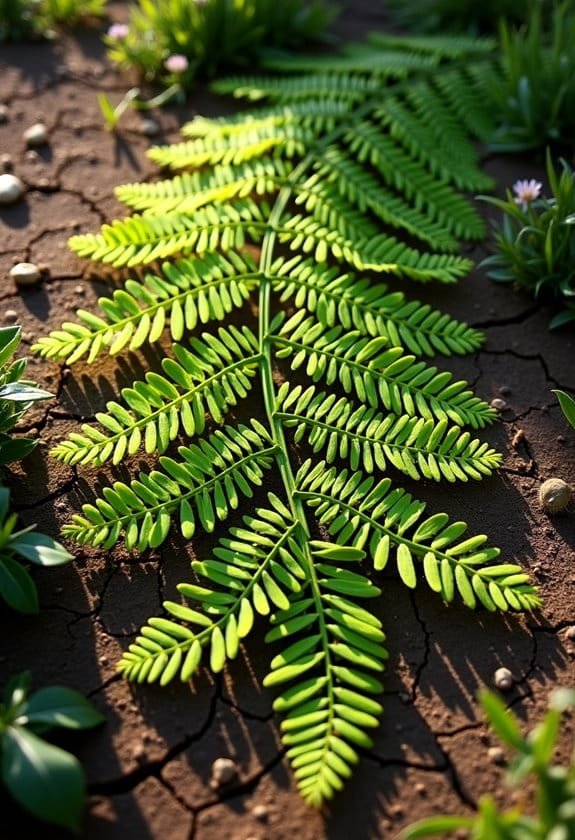
Ridolfia segetum flourishes under full sun and prefers average, well-drained soil with a neutral pH, ensuring ideal growth conditions.
This highly adaptable plant thrives across USDA Hardiness Zones 1 to 12, making it a versatile choice for diverse climates.
Regular watering is essential, maintaining soil moisture without allowing it to become waterlogged, which could jeopardize root health and overall vigor.
Light
Full sunlight is crucial for the thriving growth of Ridolfia segetum, commonly known as False Fennel. This plant flourishes best when it receives a minimum of six hours of direct sunlight daily, making it an excellent choice for sunny garden locales. The bright light warms the foliage and stimulates photosynthesis, a process essential for producing the energy needed for growth and reproduction.
In ideal conditions, light exposure enhances the plant's blooming potential, leading to vibrant yellow flowers that captivate any observer. Conversely, inadequate sunlight—particularly in shaded areas—can stifle the growth and flowering of Ridolfia segetum.
Plants deprived of sufficient light often exhibit stunted growth and diminished vigor, resulting in a less impressive display.
Therefore, to cultivate a robust and flourishing False Fennel, gardeners must prioritize locations that allow full sunlight. Whether nestled in flower beds or standing alone as a striking specimen, Ridolfia segetum thrives when it basks in abundant light, relishing every sunbeam to realize its full botanical potential.
Soil
To set the stage for healthy growth, gardeners should focus on providing Ridolfia segetum with average, well-drained soil that leans towards neutral pH. This Mediterranean plant flourishes particularly well in soil that maintains a delicate balance between moisture retention and drainage, essential for preventing root rot.
In ideal conditions, this soil quality allows roots to breathe while accessing crucial nutrients. Incorporating compost prior to planting can greatly enhance soil fertility, providing Ridolfia segetum with important nutrients that support robust development.
It's also worth noting that this adaptable plant thrives across USDA zones 1 through 12, allowing it to flourish in various climate conditions, given the right soil preparation.
Gardeners must guarantee that the soil remains consistently moist, without becoming waterlogged. The combination of adequate sunlight exposure and a meticulously tended soil environment creates the perfect scenario for spectacular flowering.
Consequently, understanding the intricacies of soil choice not only contributes to the overall health of Ridolfia segetum but also enriches the surrounding garden environment, becoming a fertile ground for both beauty and biodiversity.
Water
Consistent watering is vital for the healthy growth of Ridolfia segetum, as this plant thrives best in conditions where the soil remains uniformly moist.
The ideal watering regimen involves providing sufficient water to maintain a moist, yet not soggy environment. This balance is particularly important during the active growing season, which spans late spring to summer, as the plant requires ample hydration for robust development and vibrant blooms.
While Ridolfia segetum flourishes in average, well-drained soil, over-saturation poses a significant threat, often leading to root rot or other moisture-related complications.
As a result, care should be taken to guarantee the soil drains appropriately, allowing water to permeate without creating soggy conditions.
Additionally, gardeners should be vigilant in monitoring soil moisture, especially in arid climates where drought conditions may impair the plant's growth.
Temperature
Temperature plays an essential role in the successful cultivation of Ridolfia segetum. This hardy plant demonstrates remarkable adaptability, thriving in USDA Zones 1 to 12, which encompass a wide range of climates. For ideal growth, Ridolfia segetum prefers full sun exposure, necessitating at least six hours of direct sunlight each day. Proper temperature management enhances the plant's health and overall vitality.
The ideal soil temperature for germination and growth lies between 65°F to 75°F (18°C to 24°C). Maintaining this temperature range guarantees effective seed sprouting and robust plant development, allowing gardeners to maximize yield.
To achieve the best results, it's important to sow the seeds 6–8 weeks before the last frost. This timing allows sufficient establishment before the arrival of warmer temperatures, thereby promoting a successful growing period.
During this phase, consistent moisture levels are essential; while the soil should remain moist, it mustn't become overly saturated, as waterlogged conditions can hinder growth. By carefully monitoring and managing temperature factors, gardeners create an environment where Ridolfia segetum can flourish beautifully.
Pollinator Criteria
Ridolfia segetum plays an essential role in attracting diverse pollinators, particularly bees, by providing nourishing nectar and abundant pollen.
Its flowering clusters, which bloom from late spring to early summer, create an important food source during an essential period in pollination.
Understanding the specific criteria of attracted pollinators and the plant's effective pollination method helps underscore its ecological significance in supporting vibrant farming ecosystems.
Attracted Pollinators
False Fennel's vibrant yellowish-white flowers serve as a beacon for a variety of pollinators, especially bees, drawn to its nectar and pollen. Blooming primarily from late spring to early summer, Ridolfia segetum synchronizes its flowering period with the peak activity of numerous pollinator species, maximizing their foraging opportunities. Additionally, like White Clover, Ridolfia segetum enhances soil health through its presence in nearby ecosystems.
The plant thrives in agricultural lands and disturbed areas, creating welcoming habitats that foster diverse pollinator species, thereby supporting local ecosystems.
These visually appealing flowers not only entice pollinators through their brilliant coloration but also release a sweet fragrance that complements their allure. The nectar and pollen produced by False Fennel constitute essential food sources, fortifying the diets of honeybees and various wild bees, which, in turn, play a key role in maintaining biodiversity. Additionally, like Common Yarrow, Ridolfia segetum serves as a vital food source for pollinators' diets, ensuring a steady supply of resources for these essential insects.
As a member of the Apiaceae family, Ridolfia segetum contributes considerably to ecological health, facilitating crucial interactions among plants and pollinators. The intricate relationships between these organisms underpin crop production and promote robust ecosystems, highlighting the importance of preserving such plants within agricultural settings.
Through this symbiotic relationship, False Fennel cultivates a thriving environment for pollinators, ensuring sustainability for future generations.
Pollination Method
Various factors influence the effectiveness of pollination in Ridolfia segetum, particularly its flower structure and the behavior of visiting pollinators.
The False Fennel's small, yellowish-white flowers are organized in attractive, umbrella-shaped clusters, which present a clear invitation to foraging insects. This arrangement enables efficient access to nectar and pollen, enhancing the pollination method employed. Moreover, the plant's vibrant blooming period mirrors the flowering season of other pollinator-attracting plants, creating a supportive environment for diverse pollinators.
Blooming from late spring to early summer, Ridolfia segetum aligns its life cycle with the heightened activity of various pollinators, especially bees.
These insects, vital for the transfer of genetic material, readily seek out the plant's abundant nectar, both energizing their foraging missions and ensuring effective fertilization of the flowers.
The plant thrives in well-drained soils and full sunlight, conditions that also appeal to pollinators who prefer sunny habitats. Additionally, the presence of meadow ecosystems supports diverse pollinator populations that interact with the plant.
Care & Maintenance
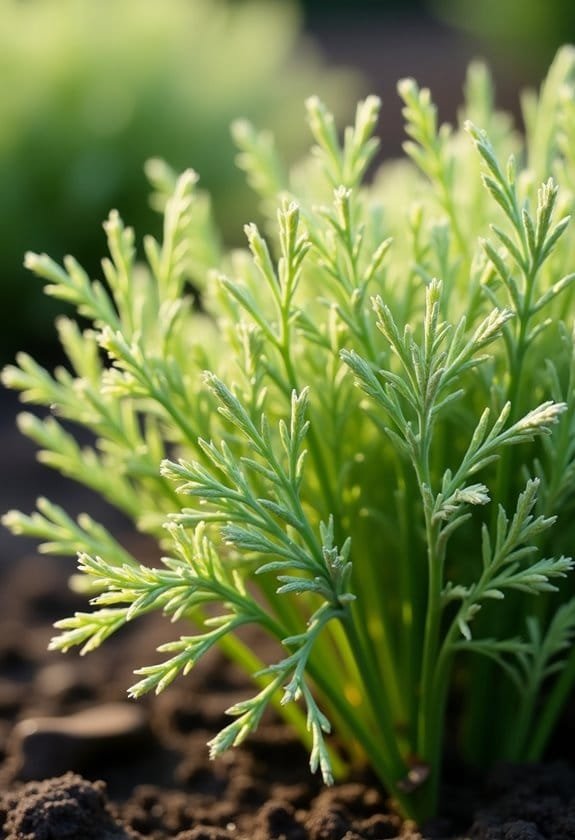
To cultivate Ridolfia segetum successfully, gardeners should consider key planting tips, ongoing care requirements, and beneficial companion plants.
By ensuring well-drained soils and ample sun exposure, one sets the stage for healthy growth, while regular watering, done judiciously, keeps roots nourished without risking saturation.
Incorporating compost not only enriches the soil but also prepares an ideal habitat for these resilient plants, enhancing their sturdy qualities in any garden landscape.
Planting Tips
When planting Ridolfia segetum, gardeners should kick off the process by sowing seeds directly into well-drained soil in spring, about 6-8 weeks before the last frost. Choosing a location that basks in full sun guarantees peak growth, allowing these resilient plants to thrive.
For best results, maintain spacing of 1-2 feet between plants, as this allows for their impressive mature height, which can reach 3-4 feet.
Before planting, incorporating compost into the soil mixes essential nutrients, promoting a neutral pH to encourage healthier growth. Regular watering is crucial, keeping the soil moist without creating saturation—excess water can easily lead to root rot, threatening the plant's well-being.
Gardeners should also monitor their Ridolfia segetum for any signs of pests or diseases; however, these plants typically exhibit excellent resilience in diverse conditions, making them a robust addition to any garden.
With proper attention to these planting tips, gardeners can look forward to a stunning bloom that showcases Ridolfia segetum's unique beauty, enriching both their landscape and their gardening experience.
Ongoing Care
For continued success with Ridolfia segetum, regular care and maintenance are imperative. This remarkable plant flourishes in well-drained, average soil and requires full sunlight for peak growth.
It's critical to guarantee proper watering; while regular moisture is necessary, over-saturation can hinder development and root health. Maintaining a careful balance of moisture promotes resilience and thriving foliage.
Weed removal is vital as well, considerably reducing competition for valuable nutrients and water. Weeds can stifle growth and limit the plant's potential as one of the best fillers for bouquets, offering delicate ornamental beauty.
During the growing season, fertilizing with a balanced fertilizer can enhance blooming and bolster overall vigor, producing lush, vibrant flowers.
Although Ridolfia segetum boasts minimal reported issues regarding pests and diseases, vigilant monitoring is still imperative. Should any threat emerge, prompt intervention can preserve the plant's health and aesthetic appeal.
Implementing these ongoing care strategies not only safeguards the plant's survival but also maximizes its potential as a stunning addition to floral arrangements. Consequently, attentive maintenance yields bountiful blooms, enriching gardens and bouquets alike with grace and charm.
Suggested Companions
Pairing Ridolfia segetum with compatible companion plants enhances both its growth and the garden's biodiversity. Engaging in companion planting can considerably benefit False Fennel, as it thrives alongside herbs such as dill and parsley. These herbs, sharing similar growing conditions, attract beneficial pollinators, essential for enhancing the ecological balance within the garden.
To promote ideal growth, gardeners should make certain adequate spacing of 1-2 feet between Ridolfia segetum and its companions. This distance allows for effective air circulation and minimizes competition for nutrients, important for maintaining the health of all plants involved.
Additionally, consistent watering is necessary; the soil should remain moist but not overly saturated, fostering a thriving environment for all species.
Choosing companion plants that flourish in full sun is imperative, given that Ridolfia segetum prefers these conditions for peak growth. Incorporating flowering companions like cosmos or zinnias can also attract beneficial insects, enriching the garden's diversity and ecological complexity.
Ultimately, effective companion planting not only supports the growth of False Fennel but nurtures a vibrant and harmonious garden ecosystem, illustrating the intricate connections between different plant species.
Common Issues
Ridolfia segetum faces several common issues that can greatly impact its growth and aesthetic appeal. Pests, particularly aphids and other herbivorous insects, can inhibit plant vigor, causing stunted growth and reduced flowering, which, in turn, compromises its use in floral arrangements. Effective solutions involve integrated pest management strategies and vigilant soil management to guarantee nutrient adequacy, thereby fostering healthier plants that can better withstand these challenges. Additionally, similar to Creeping Buttercup's aggressive growth, Ridolfia segetum may also struggle in areas where invasive species dominate the landscape. The presence of invasive species like Common Tansy can further exacerbate these issues by outcompeting native flora and altering local ecosystems.
Pests/Diseases
While generally resilient, Ridolfia segetum can face challenges from pests and diseases that impact its health. One notable pest is aphids, which may cluster on the foliage, causing distortion and yellowing. If left unchecked, these pests can markedly weaken the plant's overall vitality.
Furthermore, environmental conditions play an essential role in susceptibility to diseases. Ridolfia segetum particularly struggles when planted in overly wet soil, making it prone to fungal infections such as root rot and foliar blight. These conditions thrive in moisture-laden environments, hastening decay and hindering growth.
Maintaining vigilant soil management is important in mitigating disease risks. Well-drained ground not only supports healthy root systems but can also decrease the likelihood of fungal outbreaks.
Integrating diverse planting strategies can further enhance defenses against pests; beneficial insects like ladybugs serve as natural enemies of aphids, thereby providing a form of biological control. Incorporating practices like crop rotation and selecting resistant varieties boosts the resilience of Ridolfia segetum against these common adversaries.
Solutions
To effectively address the common issues posed by Ridolfia segetum, timely intervention is key. This problematic weed thrives in agricultural settings, competing aggressively with crops for essential nutrients and light, making its management essential. Monitoring its spread is critical; deploying pre-emergent herbicides helps combat the glowing presence of Ridolfia segetum's seemingly relentless advance.
Regular tilling disrupts its seed germination, thereby reducing the density of its populations since this plant favors disturbed areas for growth. Additionally, hand-pulling young plants before they set seed serves as an efficient method to minimize future propagation, particularly in smaller garden spaces where one can observe the plant's delicate, yet invasive, flowering patterns.
Farmers and gardeners can also introduce competitive crop species through crop rotation, diminishing the likelihood of Ridolfia segetum establishing itself amongst their desired flora. By adopting these integrated management strategies, agricultural environments can foster healthier ecosystems, ensuring crops flourish rather than bow to the encroaching threat of false fennel.
Summary
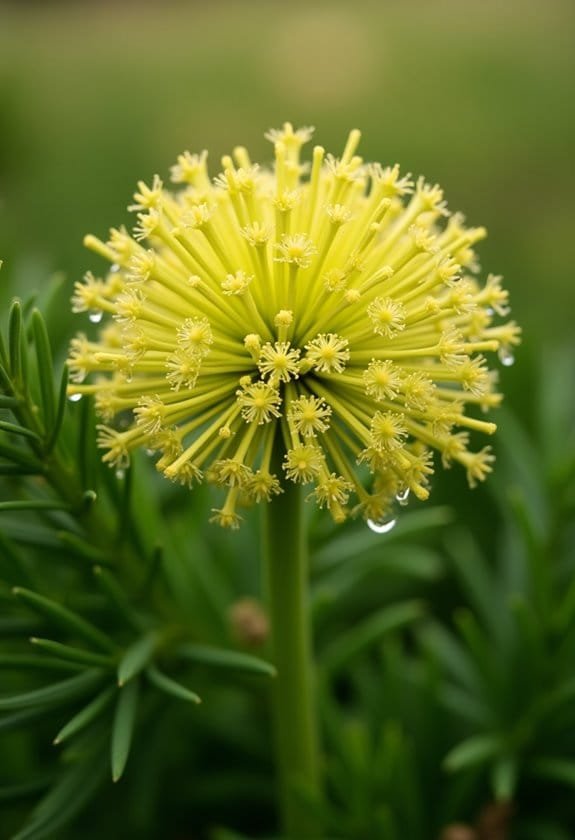
The False Fennel, scientifically known as Ridolfia segetum, belongs to the Apiaceae family and is native to Europe and parts of Asia. This biennial herb typically thrives in agricultural lands and disturbed areas, growing to heights ranging from 30 to 100 centimeters. Its compound, finely dissected leaves closely resemble those of fennel, and as summer approaches, its lacy flowers bloom throughout, creating a striking visual display with small, yellowish-white blossoms arranged in characteristic umbrella-shaped clusters.
Flowering occurs from late spring to early summer, leading to the formation of elongated, double-seeded, and flattened fruits that exhibit resilience in germination, requiring minimal disturbance.
Beyond its ornamental appeal, Ridolfia segetum plays an essential ecological role by attracting pollinators such as bees, hence bolstering the biodiversity of agricultural ecosystems.
Historically, it has found its way into traditional medicine and culinary practices, where the young leaves and shoots are considered edible, yet it often finds itself misclassified as a mere weed in farming contexts.
Understanding the multifaceted nature of False Fennel highlights its potential benefits, contributing to both ecological health and cultural heritage.