Amberboa moschata, or Sweet Sultan, enchants with its fragrant, daisy-like blooms in hues of blue, pink, white, lilac, and rose. This stunning perennial, reaching heights of 24 to 36 inches, thrives in full sun on moist, well-drained, slightly alkaline soil. Remarkably, it attracts significant pollinators, including bees and butterflies, fostering biodiversity. To guarantee vibrant growth, adequate spacing of 12 to 18 inches is required, while regular deadheading enhances continuous flowering. While natural beauty captivates, proper care, including monitoring for pests like spider mites, is essential for health and resilience in gardens. Its charm reveals much more to explore and appreciate.
Main Points
- Amberboa moschata, commonly known as Sweet Sultan, features fragrant, daisy-like blooms in blue, pink, white, lilac, and rose colors.
- It thrives in full sun and prefers moist, well-drained, slightly alkaline soil for optimal growth.
- Sweet Sultan attracts various pollinators, offering nectar-rich flowers that support local ecosystems during summer.
- Regular deadheading and pest monitoring are essential to maintain its vibrant blooms and health.
- Companion planting with zinnias, sunflowers, and herbs enhances biodiversity and helps deter pests in the garden.
Introduction
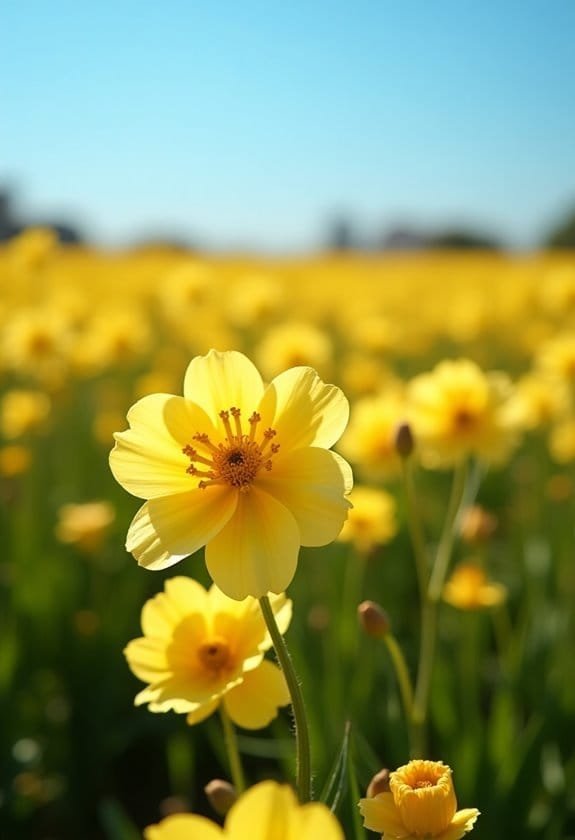
Amberboa moschata, widely known as Sweet Sultan, captivates with its vibrant, fragrant blooms that come in an array of colors such as blue, pink, and white.
Hailing from parts of Europe and Southwest Asia, this herbaceous member of the Asteraceae family flourishes in full sunlight and well-drained soil, reaching heights of 24 to 36 inches.
As it graces gardens during the summer flowering period, it not only provides ornamental delights but also attracts beneficial pollinators, enriching local biodiversity.
Common Name
Known as Sweet Sultan, Amberboa moschata is a charming herbaceous plant belonging to the Asteraceae family. This enthralling flower showcases fragrant blooms in an array of colors, including serene blue, delicate pink, and pure white. Renowned for its delightful scent, Sweet Sultan often graces cottage gardens, where it attracts flower enthusiasts and pollinators alike.
The alluring aroma and vibrant blossoms make it a favored choice for gardeners seeking to enhance the visual and olfactory appeal of their landscapes. Remarkably, Sweet Sultan's alternate name, Centaurea moschata, highlights its close relationship to other well-regarded flowers, such as sunflowers and zinnias, known for their striking aesthetics and resilience.
Indigenous to Southwest Asia, Sweet Sultan has seamlessly adapted to various climates, emerging not only in its native regions but also flourishing in North America. This adaptability speaks to its robust nature and adds to its appeal in diverse horticultural settings.
Scientific Name
The scientific name of Sweet Sultan, Amberboa moschata, reflects its unique characteristics and taxonomic classification. Originally classified in 1838, this species belongs to the family Asteraceae, which is renowned for housing a diverse array of flowering plants commonly referred to as the daisy or aster family.
The genus name Amberboa is specific, setting it apart from its relatives within the extensive Asteraceae family, which encompasses over 23,000 species globally. The classification's authority, denoted as (L.) DC., indicates that the plant was first described by the esteemed botanist Carl Linnaeus, later receiving revisions from Augustin Pyramus de Candolle, enhancing its scientific recognition.
Native primarily to European and Asian regions, Amberboa moschata has also established a presence in North America, showcasing its adaptability across varied climates. Such a scientific designation is crucial, offering insights into the plant's morphology and ecology.
In addition, understanding Amberboa moschata's classification aids botanists and horticulturists in studying its characteristics, propagation, and potential uses, connecting its rich botanical lineage to its vibrant role in gardens and ecosystems alike.
Overview
In gardens across Europe and Asia, Sweet Sultan captivates with its vibrant, fragrant blooms that attract both the eye and beneficial pollinators like bees and butterflies. Known scientifically as Amberboa moschata, this herbaceous member of the Asteraceae family showcases its delightful flowers in shades of blue, pink, and white.
Typically reaching heights of 24 to 36 inches, Sweet Sultan is a cherished addition to cottage gardens, enchanting visitors with its sweet aroma and colorful display.
Blooming throughout the spring and summer months, Sweet Sultan flowers make excellent cuttings for arrangements, bringing a touch of nature's beauty indoors. Native to Southwest Asia and parts of Europe, this remarkable plant flourishes in well-drained soil and requires full sun exposure to thrive effectively. Sweet Sultan seeds, easily procured through various gardening outlets, enable enthusiasts to cultivate these stunning flowers in their own spaces.
This remarkable species has enjoyed recognition since its classification in 1838, celebrated not just for its aesthetics, but also for its significant role in supporting local ecosystems through the attraction of essential pollinators, thereby underscoring its importance in both horticulture and conservation efforts.
Key Features
Amberboa moschata, commonly known as Sweet Sultan, typically grows between 24 to 36 inches tall, making it a substantial yet manageable addition to various garden landscapes.
Its daisy-like flowers, which bloom during the summer months, come in an array of enchanting colors, providing a vibrant display while also attracting beneficial insects such as bees and butterflies.
These features not only enhance the aesthetic appeal of gardens but also contribute greatly to ecological health, promoting biodiversity and pollination.
Growth Size
Sweet Sultan showcases a remarkable growth size, reaching heights between 24 to 36 inches at maturity. This impressive stature makes it an eye-catching addition to any garden, especially when planted en masse.
Characterized by its erect stems, the plant can spread out to about 1 foot in width, facilitating a dense floral display that enchants both the eyes and the senses.
The attractive silhouette is further enhanced by its basal lobed leaves, which serve as a lush backdrop to its fragrant blooms.
Sweet Sultan flourishes when spaced 12 to 18 inches apart, allowing for ample foliage and flower growth without hindrance. The seeds of this plant can be sown directly in warm soil to promote robust seedlings, ensuring a vibrant garden filled with its delightful presence.
This growth habit not only contributes to visual appeal but also plays a pivotal role in the plant's health, allowing for ideal air circulation and sunlight exposure.
Ultimately, Sweet Sultan's size and structure align perfectly with its enchanting nature, inviting gardeners to create spaces bursting with life and fragrance.
Appearance
With its stunning array of fragrant, daisy-like flowers, Amberboa moschata fascinates gardeners and pollinators alike.
This enchanting plant, commonly known as Sweet Sultan, showcases blooms in colors ranging from soft blue to vibrant pink, along with elegant shades of white, lilac, rose, and deep purple found in the Imperialis mix. Each flower sits atop erect stems that reach heights between 24 and 36 inches, contributing to a graceful garden presence.
The foliage features alternate, lanceolate leaves with finely serrated margins, which lend a lush backdrop to the Sultan's spectacular display. Basal lobed leaves characterize its growth habit, supporting the delicate blossoms that emerge in summer.
Some varieties, like 'The Bride,' exhibit pure white petals, while others flaunt mixed colors that create a fascinating visual palette in the garden.
Beyond their ornamental beauty, these flowers invite an array of pollinators, including bees and butterflies, making them essential for a biodiverse ecosystem.
Harvesting blossoms at their opening stage allows for stunning floral arrangements, and their ability to retain aesthetic appeal when dried guarantees the Sweet Sultan continues to shine long after summer fades.
Flowering Season
During the summer season, Amberboa moschata bursts into an enchanting display of colorful blooms that last from early to late summer. The flowering process commences approximately 12 weeks after sowing the flower seeds, producing sweetly fragrant, daisy-like blossoms in delightful shades of blue, pink, and white.
These striking colors aren't only visually appealing but also act as a magnet for beneficial insects like bees and butterflies, promoting a vibrant ecosystem.
Optimal growth conditions include full sun exposure and well-drained soil, which enables each stem to flourish, reaching impressive heights of nearly 30 inches.
As the plants mature, multiple flowers gracefully open along the stems, creating a breathtaking spectacle well-suited for cutting or harvesting for arrangements. The capacity of these blooms to retain their visual allure once dried adds to their charm, making them a popular choice for floral displays and decorations.
Growing Requirements
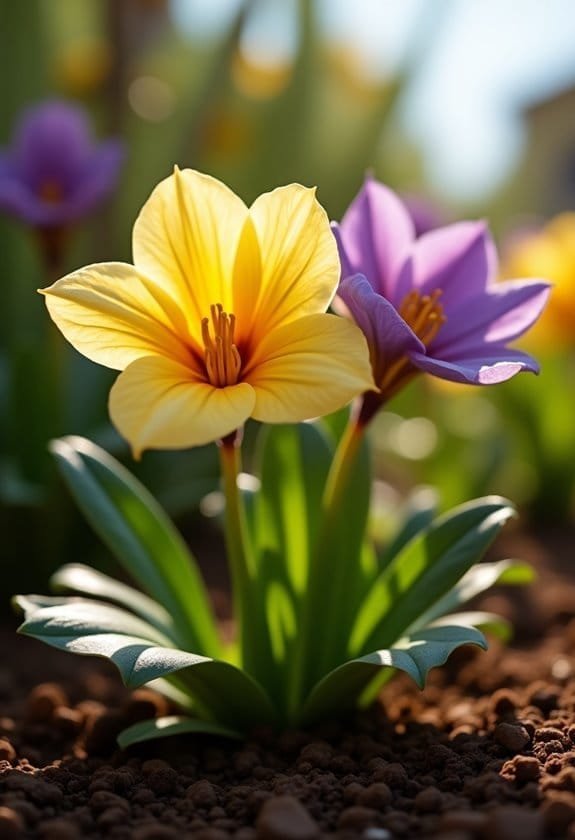
To cultivate Amberboa moschata successfully, one must pay close attention to its essential growing requirements, which include light, soil type, water, and temperature.
This plant flourishes best in full sun exposure, allowing its striking blooms to develop vibrantly, while a preference for moist, well-drained soil helps maintain its health without the risk of overwatering.
Additionally, understanding its drought tolerance once established can guide gardeners in selecting ideal locations and care practices for this resilient species.
Light
For ideal growth and flowering, Amberboa moschata, commonly known as Sweet Sultan, thrives under full sun exposure. This delightful plant flourishes best in warm environments, preferably with temperatures beginning at 70°F.
Though it can withstand various light conditions, including partial shade, full sun guarantees a more robust flower yield, promoting vibrant and plentiful blooms.
Regular exposure to sunlight not only enhances the plant's aesthetic qualities but also contributes to a strong and stable structure, allowing the stems to reach impressive heights of 24 to 36 inches.
Furthermore, the sun's rays invigorate the plant, encouraging healthy photosynthesis—a crucial process through which plants convert light into the energy necessary for growth.
Planting Sweet Sultan in ideally sunny areas guarantees that each bloom flourishes remarkably, creating a mesmerizing display in gardens.
While its adaptability to light variations is commendable, full sun remains the golden standard for achieving its full potential.
By prioritizing adequate sunlight, gardeners can foster an environment that supports this charming flower while mitigating issues related to moisture that may arise from less-than-ideal planting conditions.
With diligent care, Sweet Sultan transforms any garden into a vibrant tapestry of color.
Soil
Amberboa moschata, or Sweet Sultan, flourishes in well-drained soil that promotes ideal root development. This plant thrives best in soil that isn't overly rich, allowing nutrients to be efficiently absorbed without overwhelming the plant. The best pH range for Sweet Sultan is slightly alkaline, typically around 7.0 to 7.5, which fosters healthier growth and robust flower production.
For gardeners dealing with heavy, compacted soil, amending it with light, fluffy compost can greatly enhance drainage and aeration, crucial for root health. This addition not only improves soil structure but also supports beneficial microbial activity, enriching the growing environment.
While Sweet Sultan tolerates dry to moderate moisture conditions, regular monitoring of soil moisture during the growth period is essential to prevent stress. Such vigilance is especially critical until germination occurs, as seedlings require a stable environment to establish themselves effectively.
Water
While Sweet Sultan flourishes with moderate watering, it's essential to guarantee the soil remains moist yet well-drained to avoid root rot.
This delightful plant requires regular moisture, particularly during its germination phase, which typically lasts 7-14 days. Daily watering at this stage is important, ensuring the burgeoning seedlings receive adequate hydration.
Once established, Sweet Sultan becomes remarkably drought-tolerant, adapting well to various climate conditions. Additionally, its deep-rooted system helps the plant efficiently utilize resources even in challenging conditions.
However, gardeners should exercise caution; it's critical to keep the foliage dry while watering. This practice minimizes the risk of diseases that can adversely affect the plant's health, particularly during humid periods when fungal issues thrive.
With its preference for full sun exposure, Sweet Sultan can effectively regulate soil moisture levels, fostering a robust growth environment.
The combination of moderate watering and well-drained soil not only sustains the plant's vigor but also enhances its capacity to produce stunning cut flowers. Moreover, similar to Horseshoe Vetch, this plant benefits from well-drained calcareous soils, which promote healthy growth and vitality.
These blooms serve as a beautiful addition to any garden, showcasing the plant's resilience and ability to thrive under varying conditions.
Temperature
Thriving in ideal temperatures of at least 70°F, Sweet Sultan requires a warm environment to promote successful growth. This plant can tolerate varying climate conditions, including both warm and cooler temperatures, making it a versatile choice for gardeners.
Germination, characterized by the emergence of seedlings, typically occurs within 7 to 14 days when ambient temperatures hover around that prime mark. Maintaining this temperature is essential, as lower thermal conditions can delay or inhibit growth processes.
Though Sweet Sultan prefers full sun exposure, it possesses an admirable ability to adapt, flourishing even in partial shade. Such flexibility allows it to effectively manage its environment, showcasing its resilience in the face of fluctuating temperatures.
Representing a true survivor, once established, the plant exhibits drought tolerance and can endure brief stretches of heat stress without compromising its liveliness.
Pollinator Criteria
Sweet Sultan, or Amberboa moschata, serves as an inviting haven for a variety of pollinators, including bees, butterflies, and hummingbirds.
Its daisy-like flowers, adorned in vibrant shades of pink, white, and mauve, not only offer a nectar-rich bounty but also feature accessible landing platforms, enhancing the foraging experience during the peak summer bloom. Additionally, similar to the Ox-Eye Daisy, Sweet Sultan's flowers can attract a wide range of pollinator species due to their rich nectar supply, supporting a healthy ecosystem by fostering interactions between plants and their pollinators.
As these pollinators methodically transfer pollen while seeking nourishment, they play a critical role in promoting biodiversity and supporting local ecosystems, underscoring the plant's importance in sustainable gardening practices.
Attracted Pollinators
Amberboa moschata, commonly known as Sweet Sultan, consistently attracts a diverse array of beneficial pollinators, including bees and butterflies, crucial for enhancing garden biodiversity. The plant's sweetly aromatic flowers serve as a powerful lure, markedly increasing the chances of cross-pollination and subsequent fruit development. Pollinators particularly favor Sweet Sultan during its blooming periods in spring and summer, when the flowers burst forth in colors of blue, pink, or white, creating visual cues that beckon them from considerable distances.
Moreover, the act of regularly deadheading spent blooms can greatly encourage continuous flowering, transforming the garden into an inviting sanctuary for various pollinators throughout the growing season. As bees and butterflies flit from flower to flower, their activities not only pollinate Sweet Sultan but also enrich the surrounding plant life, leading to a healthier ecosystem.
Fundamentally, by cultivating this vibrant plant, gardeners play a pivotal role in supporting essential pollinator populations. The presence of Sweet Sultan in any garden not only adds aesthetic beauty but also fosters a flourishing environment, where the symbiotic relationship between flora and fauna continues to thrive and evolve.
Pollination Method
The pollination method of Sweet Sultan (Amberboa moschata) relies heavily on its ability to attract a variety of pollinators, particularly bees and butterflies.
This plant blooms primarily during the summer months, right after the last frost, ensuring a crucial food source when other plants have finished flowering. Its fragrant flowers, boasting vibrant hues of blue, pink, and white, effectively entice these pollinators, enhancing the diversity of local ecosystems.
Sweet Sultan's open, daisy-like inflorescence structure serves as an excellent platform for pollinators, allowing them easy access to both nectar and pollen.
The design of its flower encourages multiple visits from insects, markedly increasing the likelihood of effective cross-pollination, which further enhances seed production. Additionally, the presence of diverse flora around Sweet Sultan can further boost pollinator activity and support overall biodiversity in the ecosystem.
Care & Maintenance
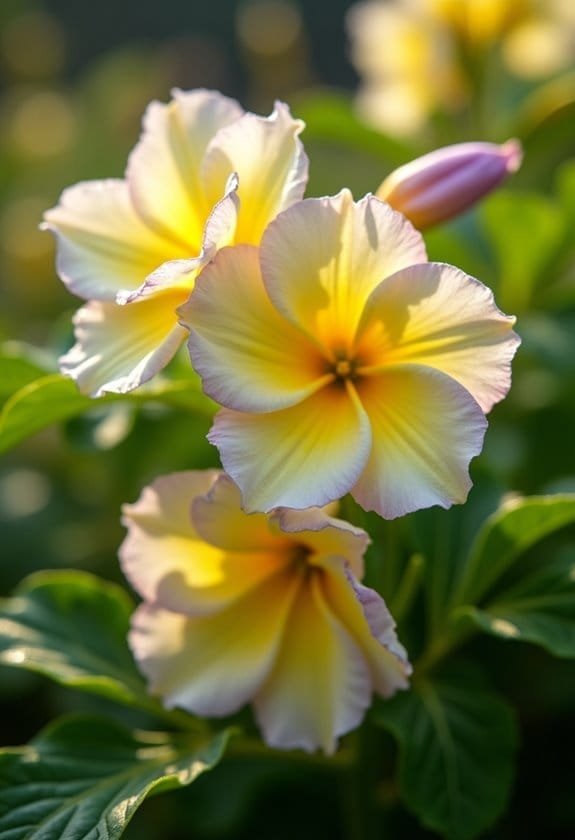
To guarantee the robust growth of Amberboa moschata, or Sweet Sultan, gardeners should focus on planting in well-drained soil under full sun, which encourages ideal height between 24 and 36 inches.
Regularly deadheading flowers not only promotes continuous blooming but also enhances the plant's aesthetic appeal, creating a vibrant garden display.
Additionally, pairing Sweet Sultan with companions that attract beneficial insects can enrich the local ecosystem while bolstering pollination rates.
Planting Tips
For successful planting of Amberboa moschata, timing and soil preparation are essential. Gardeners should sow seeds 2-3 weeks before the last frost, ensuring they plant them approximately 1/4 inch deep. This depth optimizes germination, allowing those delicate seedlings a robust start. The plant benefits from additional support when planted alongside ground cover plants, such as Creeping Cinquefoil.
If sowing occurs post-frost, seeds can be efficiently stored in the refrigerator for 2-3 weeks before their final planting. Moist, well-drained soil is vital; it retains necessary moisture while preventing the roots from suffocating.
Watering requires particular care; overwatering can cause detrimental root rot, while keeping the foliage dry mitigates disease risk. These plants flourish under full sun exposure, indicating their resilience to both heat and drought conditions. When conditions are right, Amberboa moschata thrives, transforming any garden space with vibrant blooms. Additionally, ramsons, which favor moist, loamy soils, can serve as an excellent companion plant that enhances the diversity of the garden.
Additionally, gardeners should consider regular deadheading of flowers. This practice not only promotes continuous flowering but also considerably enhances the plant's overall health and vigor.
Each action taken in this initial planting phase lays the groundwork for a bountiful flowering display. By following these tips, enthusiasts can cultivate a thriving patch of this delightful and aromatic plant.
Ongoing Care
Ongoing care for Amberboa moschata assures the plant thrives throughout the growing season. To guarantee peak growth, gardeners should plant Sweet Sultan in full sun, where it can bask in at least 6-8 hours of daily sunlight.
Regularly watering the plants is essential; the soil should remain moist yet well-drained, as overwatering can lead to root rot, an affliction detrimental to plant health.
Additionally, deadheading spent blooms is imperative. This practice encourages the plant to produce more flowers, greatly extending the blooming period and enhancing garden aesthetics.
Gardeners must consistently monitor for pests and diseases, keeping the foliage dry to minimize the risk of fungal infections, which can thwart vibrant growth.
Fertilization plays a key role in ongoing care as well. Employing a balanced fertilizer during the growth phase nurtures the plants adequately, while excessively rich soil ought to be avoided, as Amberboa moschata favors moderately fertile conditions.
When encompassed by attentive maintenance, Sweet Sultan becomes an excellent cut flower, showcasing blossoms that can captivate any arrangement.
Therefore, diligent and informed care during its lifecycle reveals the true beauty of this enchanting plant.
Suggested Companions
Creating a vibrant and thriving garden can be achieved by selecting the right companions for Sweet Sultan (Amberboa moschata). Pairing Sweet Sultan with visually striking plants like zinnias, sunflowers, and cosmos not only elevates the overall aesthetics but also enhances biodiversity, attracting beneficial insects such as butterflies and bees.
Maintaining ample air circulation around Sweet Sultan is vital; hence, choosing companion flowers that share similar height requirements prevents the onset of fungal diseases while ensuring healthy growth. Agrimony's ecological role in supporting various insect pollinators exemplifies how companion planting can boost garden health.
Additionally, incorporating herbs such as basil, dill, and cilantro nearby provides natural pest deterrents, enhancing the garden's functionality through ecological synergy. It's important to plant companions in similar soil conditions, as Sweet Sultan thrives in well-drained, slightly alkaline soil. Such conditions will last, supporting the growth of both Sweet Sultan and its accompanying plants.
Regular deadheading of Sweet Sultan's flowers, in conjunction with its companions, promotes continuous blooming, allowing garden plantings to flourish. Furthermore, choosing plants that attract pollinators like bees can help ensure a thriving ecosystem within the garden.
Together, these thoughtful choices create not just a visually appealing space, but also a sustainable ecosystem that nurtures various forms of life, ensuring the garden remains both beautiful and productive for years to come.
Common Issues
Amberboa moschata often faces challenges from pests and diseases that can hinder its growth and vibrancy.
Fungal infections thrive when foliage remains damp, while pests like aphids and spider mites can proliferate in overcrowded conditions, underscoring the necessity of spacing plants adequately.
To protect these delicate flowers, gardeners should monitor moisture levels and employ natural pest control methods, ensuring a thriving and flourishing garden.
Pests/Diseases
Proper management is essential for protecting Sweet Sultan (Amberboa moschata) from various pests and diseases. This ornamental plant faces notable threats, particularly in poorly drained soils, which can lead to root rot—a condition emphasizing the necessity of well-drained conditions for ideal health.
Among the notorious pests are aphids, tiny insects that inflict damage by distorting new growth while potentially spreading harmful viruses. Regular monitoring, alongside the introduction of natural predators, serves as a fundamental strategy to combat infestations.
In humid environments, powdery mildew may rear its head, manifesting as white fungal growth on the leaves. Promoting good air circulation around the plants can effectively diminish its development.
Meanwhile, spider mites thrive in hot, dry conditions, causing leaf stippling and yellowing—a visual sign of distress. Ensuring adequate watering and appropriate humidity levels can notably mitigate their establishment.
Furthermore, leaf spot diseases, like Alternaria, reduce plant vigor through the formation of dark spots. Advocating for crop rotation and removing affected foliage can help manage these pervasive issues.
Careful observation and proactive measures are essential in safeguarding Sweet Sultan against these common pests and diseases.
Solutions
Addressing the common issues faced by Sweet Sultan involves a multifaceted approach that prioritizes environmental conditions and ongoing maintenance.
To guarantee success, gardeners should direct sow seeds in well-drained, slightly alkaline soil, ideally under full sun exposure for at least six hours daily. This foundation helps prevent problems arising from overwatering and promotes maximum growth. Additionally, Common Yarrow is known for its drought resilience, making it a favorable companion plant that can thrive with minimal irrigation.
Pest management is equally crucial; keeping the foliage dry while watering carefully minimizes moisture accumulation, which reduces the risk of diseases.
Regularly deadheading spent flowers not only encourages continuous blooming but also prevents unwanted self-seeding, which can lead to overcrowding in the garden. Additionally, individuals should remain vigilant for signs of powdery mildew, particularly in humid climates. To thwart this issue, enhancing air circulation around the plants, through proper spacing and positioning, is necessary.
If Sweet Sultan exhibits leggy growth, it commonly indicates insufficient sunlight.
Gardeners should consider relocating these plants to sunnier spots, allowing them to thrive in ideal conditions. By following these guidelines, enthusiasts can navigate the challenges of cultivating Amberboa moschata while enjoying its richly colored blossoms throughout the growing season. Furthermore, understanding the diverse plant selections that can support pollinator-friendly practices is essential for a healthy garden ecosystem.
Summary
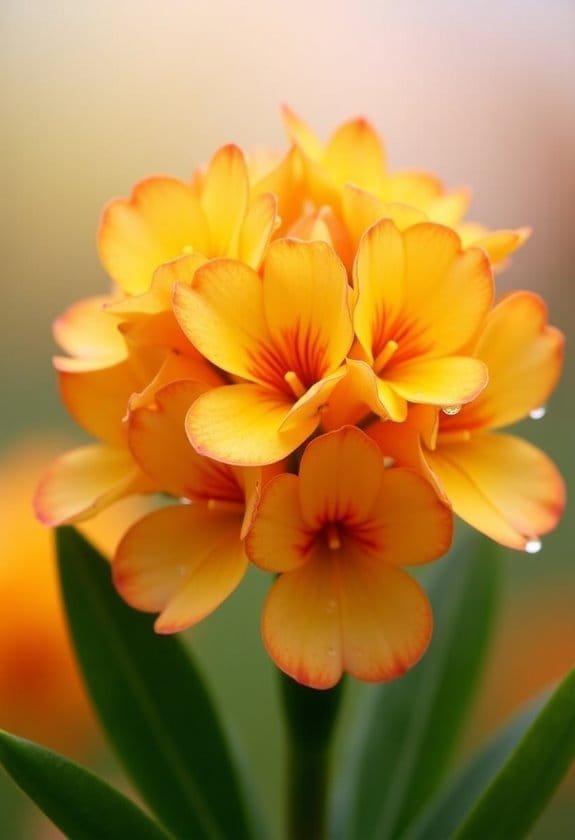
Sweet Sultan, botanically known as Amberboa moschata, offers a delightful addition to any garden with its fragrant, daisy-like flowers that bloom in vibrant shades of blue, pink, and white.
This herbaceous annual plant, native to Southwest Asia, typically reaches a height of 24-36 inches, thriving in well-drained soil under full sun. Its presence in a cottage garden not only enhances visual appeal but also attracts essential pollinators like bees and butterflies, greatly boosting garden biodiversity.
Planting Sweet Sultan seeds at a depth of 1/4 inch will promote ideal growth, as they require a germination period of 14-20 days. For best results, gardeners should sow seeds 2-3 weeks before the last frost, providing an ample opportunity for flourishing blooms.
As the flowers come into full glory, they become suitable for harvesting, offering a delightful option for floral arrangements. Once picked, these aromatic blossoms can last 6-10 days and are also perfect for drying, enhancing their appeal for gardeners wishing to extend their beauty.