Consolida ajacis, or Giant Larkspur, is a stunning perennial that can reach up to four feet in height. Its deeply cut, fern-like leaves frame exquisite blooms, measuring around two inches, in rich colors like dark grape-purple and cobalt blue. Thriving in full sun and well-drained soils, it requires regular watering and benefits from deadheading to prolong its vibrant display throughout summer. This plant is particularly appealing to pollinators such as bees and butterflies, enriching garden biodiversity. However, caution is essential, as all parts of the plant are toxic. To discover more fascinating insights about this enchanting species, one can explore further.
Main Points
- Giant Larkspur (Consolida ajacis) produces vibrant blooms in colors like dark grape-purple, cobalt, and pink, attracting pollinators like butterflies and bees.
- It thrives in full sun with well-drained soil, requiring six hours of sunlight and consistent watering for optimal growth.
- This plant is known for its tall stature, reaching heights of 2 to 4 feet, and features deeply cut, fern-like leaves.
- All parts of Giant Larkspur are toxic, necessitating caution in gardens with pets and children to prevent accidental ingestion.
- Regular deadheading and monitoring for pests, such as aphids, can help maintain plant health and prolonged blooming throughout the summer.
Introduction
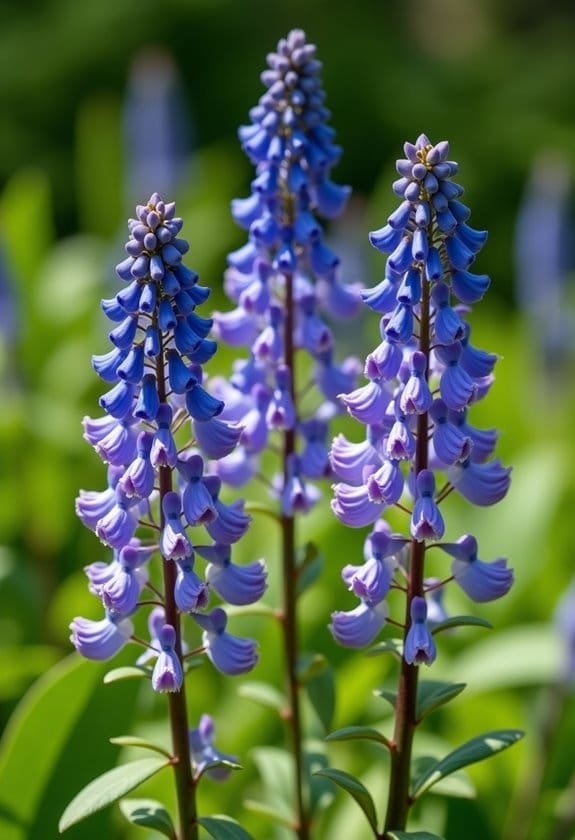
Consolida ajacis, commonly known as Giant Larkspur, stands out with its striking height of 2 to 4 feet and mesmerizing floral displays, making it a favorite in many gardens.
This annual plant showcases deeply cut, fern-like leaves, complemented by vibrant blooms that can measure around 2 inches in diameter, displaying an enchanting blend of sepals and petals.
However, while it attracts pollinators such as butterflies and bees, its toxicity calls for careful consideration when planting in spaces accessible to pets and children.
Common Name
Known commonly as Larkspur 'Giant Imperial Blue Spire', this striking plant captivates with its dark grape-purple blooms. The Giant Larkspur stands tall, reaching heights of 2 to 4 feet, making it an eye-catching addition to any garden.
Its elongated spikes, adorned with vibrant blossoms, create a visual spectacle that draws admiration from garden enthusiasts and passersby alike. As gardeners strategically incorporate this enchanting flower into their designs, they also find that it serves an essential ecological purpose by attracting various local pollinators, including butterflies, bees, and bumblebees.
Despite its aesthetic appeal, it's important to recognize that the entire plant is toxic if ingested, an important consideration for those with pets or small children.
This dual nature—both enchanting and hazardous—underscores the importance of maintaining a mindful approach to garden planning. Additionally, the Giant Larkspur's long-lasting blooms make it a favored choice for fresh and dried floral arrangements, adding elegance and sophistication to any decor.
As this flower continues to grace gardens with its beauty, its role as both a beloved ornamental and a contributor to biodiversity remains profoundly impactful.
Scientific Name
The scientific name for the Giant Larkspur, Consolida ajacis, reveals its connection to the diverse family Ranunculaceae, which includes various flowering plants known for their ornamental value. Previously classified as Delphinium consolida, this reclassification underscores ongoing research in plant taxonomy and highlights the evolving understanding of plant relationships.
Consolida ajacis is characterized by its impressive tall, erect spikes adorned with vibrant blooms mainly in shades of purple, blue, and lavender. These striking flowers attract pollinators while adding visual appeal to gardens and landscapes.
Interestingly, this annual species is notable for its self-sowing capability, allowing it to thrive in cooler conditions, which can be advantageous in temperate climates. However, caution is warranted, as all parts of the Giant Larkspur contain toxins, including the leaves, flowers, and seeds.
This toxicity necessitates careful handling, particularly around children and pets. The unique attributes of Consolida ajacis not only contribute to its popularity among gardeners but also serve as a reminder of the complex relationships within nature, where beauty often coexists with caution.
Understanding its scientific classification fosters a greater appreciation for the delicate balance of this striking plant and its environment.
Overview
Standing tall in gardens and landscapes, Giant Larkspur (Consolida ajacis) captivates with its vibrant floral displays and unique foliage. This hardy annual typically grows between 2 to 4 feet (60 to 120 cm) tall and extends 1 to 2 feet (30 to 60 cm) wide. Its deeply cut, fern-like leaves offer an intriguing contrast to the striking spires of flowers, which can reach a diameter of approximately 2 inches (5 cm).
Thriving in full sun and well-drained soils, the Giant Larkspur performs admirably in hardiness zones 2 to 11 and heat zones 1 to 9, making it a versatile choice for diverse landscapes. Under ideal conditions, this plant reproduces effectively by self-seeding, ensuring a vibrant display year after year.
Additionally, its blossoms attract various pollinators, including butterflies, bees, and bumblebees, serving an essential role in the ecosystem.
However, caution is warranted; the leaves, flowers, and seeds of the Giant Larkspur are toxic if ingested. As such, while it enchants with its beauty, understanding its characteristics remains crucial for safe gardening and landscaping.
Key Features
Consolida ajacis, commonly known as Giant Larkspur, showcases impressive growth, reaching heights of 2 to 4 feet and widths of 1 to 2 feet.
Its deeply cut, fern-like leaves and vibrant flower spires, adorned with blooms around 2 inches in diameter, create a striking visual appeal in gardens, particularly during the summer months.
While its beauty attracts pollinators like butterflies and bees, it's essential to recognize the plant's toxicity, reminding us that nature's allure often carries hidden dangers.
Growth Size
Typically reaching heights of 36 to 48 inches, Giant Larkspur can make a striking addition to any garden space. This remarkable plant typically spans a width of 12 to 24 inches, effectively commanding attention with its elegant presence.
The structure of Giant Larkspur includes deeply cut, fern-like leaves that bestow a delicate quality while providing support for its tall, stately flower spikes.
These spikes, which can grow robustly to showcase the plant's vibrant blooms, feature flowers with an approximate diameter of 2 inches. Each bloom comprises five petal-like sepals and four distinct petals, crafting a visually compelling display. Additionally, its colors—ranging from dark grape-purple to cobalt—intensify the visual allure of the garden environment.
Adaptability is another key trait of the Giant Larkspur, as it thrives in USDA hardiness zones 2 through 11. Such resilience enables this annual flower to flourish under a variety of growing conditions, amplifying its appeal to gardeners seeking dynamic plants.
Ultimately, the substantial size and striking aesthetics of Giant Larkspur contribute to its status as a favored choice for those aiming to enhance their floral landscapes.
Appearance
With its striking presence in the garden, Giant Larkspur, or Consolida ajacis, showcases a stunning array of features that captivate onlookers. This impressive annual plant reaches heights of 2-4 feet (60-120 cm) and spans 1-2 feet (30-60 cm) in width, creating a bold statement amongst other flora.
Its deeply cut, fern-like leaves not only enhance the plant's unique appearance but also contribute to its graceful splay.
Giant Larkspur produces striking spires adorned with blooms measuring approximately 2 inches (5 cm) in diameter. Each flower consists of five petal-like sepals and four delicate petals, creating a symphony of color that ranges primarily from dark grape-purple to cobalt.
This vivid palette makes the Giant Larkspur a breathtaking addition to any landscape.
Notably, the tall spikes of double flowers emerge prominently in the late spring and peak in midsummer, further enhancing its visual appeal.
The plant's allure extends beyond aesthetics; it attracts a diverse array of pollinators, including bees and butterflies, consequently playing an essential role in the garden ecosystem.
Flowering Season
Blooming from late spring to midsummer, Giant Larkspur captivates garden enthusiasts with its vibrant array of colors. During the flowering season, this remarkable plant showcases its impressive flower spikes, displaying hues like dark grape-purple, cobalt, lavender, pink, and white. Each bloom measures approximately 2 inches (5 cm) across and consists of five petal-like sepals along with four prominent petals, creating a striking visual impact in any garden.
Despite its flourishing beauty, Giant Larkspur prefers cooler weather, thriving in temperate climates and adapting well to hot summer areas by focusing its growth during more moderate temperatures. As the weeks turn warmer, the plant's hardy nature allows it to persist, attracting butterflies, bees, and bumblebees, which enhance the biodiversity of summer gardens.
This symbiotic relationship not only supports pollinator populations but also enriches the overall ecosystem. Gardeners benefit from the robust, colorful display that accompanies the flowering season of Giant Larkspur, contributing an enchanting touch to landscapes.
With their delightful presence, these flowers resonate harmoniously with the sounds and sights of summer, creating an inviting atmosphere for all who encounter them.
Growing Requirements
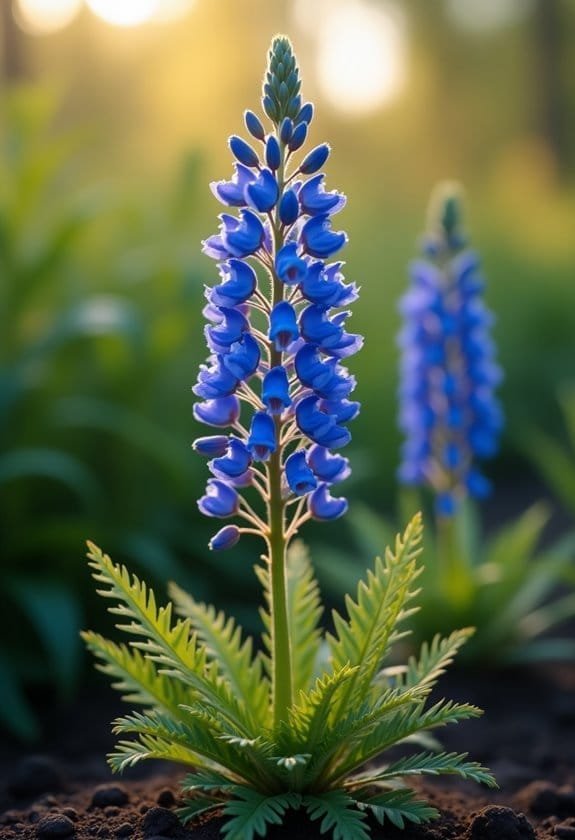
To cultivate Consolida Ajacis effectively, understanding its growing requirements is vital.
This vibrant plant flourishes in full sun and demands moderately rich, well-drained soils, thriving within a wide range of hardiness zones from 2 to 11.
Regular watering during dry spells is essential for maintaining vigor, while protection from strong winds fosters a healthy growth environment, allowing this exquisite flower to reach its full potential.
Light
Giant Larkspur thrives in bright light conditions, requiring at least six hours of sunlight daily for ideal bloom production. This stunning plant flourishes best under full sun exposure, which promotes vigorous growth and abundant flowering.
In fact, when positioned in well-lit areas, Giant Larkspur showcases its magnificent blooms, enthralling observers with its vibrant hues and lush foliage.
However, in hotter climates, it can tolerate light afternoon shade, offering a protective measure against excessive heat that might hinder its growth. This adaptability allows gardeners flexibility in planting locations, ensuring that this beautiful perennial can still thrive even in challenging conditions.
Giant Larkspur can perform well across various hardiness zones, ranging from 2 to 11, provided it receives adequate sunlight and care.
While it prefers full sun for optimal results, the plant can adapt to partial shade in particularly warm summer areas—demonstrating its resilience.
Soil
Ideal growth of Giant Larkspur hinges on moderately rich, well-drained soils that provide adequate nutrients and moisture retention. While this remarkable plant demonstrates resilience, it thrives best in well-aerated soil that guards against root rot. Organic matter, such as compost, can greatly enhance soil quality, making it excellent for planting larkspur seeds.
Giant Larkspur is adaptable, flourishing across various soil types and USDA hardiness zones 2–11. However, the right care guarantees that plants achieve their fullest potential. Regular watering rates high in importance; they must receive adequate moisture, particularly during dry spells, which is essential for maintaining vigor.
Though the Giant Larkspur enjoys full sun, gardeners in warmer climates should consider providing light afternoon shade to avert heat stress, thereby guaranteeing the soil remains cool and moist.
The delicate balance of nutrient availability and moisture content engages both plant and soil, promoting healthy growth and stunning blooms. Ultimately, understanding the unique soil requirements of Giant Larkspur can transform a simple garden into a vibrant display of color, showcasing nature's exquisite artistry while inviting pollinators to partake in this thriving ecosystem.
Water
Regular watering is a key component in the care of Giant Larkspur, especially during dry spells when the plant needs it most to maintain vigor and health. This visually striking flower thrives in moderately rich, well-drained soils, which necessitates adequate moisture levels for peak growth.
It's important to strike a delicate balance, ensuring that the soil remains moist but not overly saturated, as excessive water can lead to detrimental root rot.
During the critical phase following seed sowing, consistent moisture considerably aids in successful germination and early growth, allowing the plant to establish a robust foundation. In hotter climates, where evaporation rates can soar, providing light afternoon shade becomes invaluable, helping to mitigate moisture loss while reducing stress on the Giant Larkspur.
A suggested watering schedule involves ensuring a depth of at least one inch of water per week, adjusting based on rainfall and temperature fluctuations. Monitoring soil moisture levels using your finger or a soil moisture meter can help gardeners ascertain when to water.
With thoughtful attention to its water needs, the Giant Larkspur can flourish, delivering stunning blooms that grace gardens with elegance and charm.
Temperature
The thriving beauty of Giant Larkspur flourishes best in cooler temperatures, making early spring and fall the prime seasons for planting. This perennial prefers mild climates, effectively thriving in USDA hardiness zones 2-11 and heat zones 1-9, which highlight its adaptability across diverse environments.
For peak growth, temperatures should remain moderate, as excessive heat can stress the plant, leading to diminished vigor.
Seed germination is particularly influenced by cold temperatures; chilling the seeds prior to planting increases the likelihood of successful sprouting.
While the Giant Larkspur enjoys full sun exposure to coax its delicate blooms, it also appreciates light afternoon shade during scorching periods, creating a balance that mitigates heat stress.
Regular watering is essential during dry spells, as this guarantees the plant maintains its robust structure and flower production.
Without consistent moisture, particularly in excessively high temperatures, the Giant Larkspur may struggle, hindering its natural beauty.
Pollinator Criteria
Giant Larkspur, or Consolida ajacis, isn't just a feast for the eyes; it also plays a pivotal role in supporting various pollinators such as butterflies and bumblebees.
Its nectar-rich blooms, which unfurl from late spring to midsummer, serve as lifelines for these species, while the plant's stable self-seeding habits guarantee continued pollinator visits. Additionally, planting species that support local pollinators can increase biodiversity and promote a healthy ecosystem. The use of vibrant blooms to attract pollinators enhances the overall ecological benefits of the garden.
Understanding the specific characteristics of attracted pollinators and their preferred pollination methods can further enrich the ecological tapestry created by this vibrant plant.
Attracted Pollinators
Many gardeners appreciate the versatility of Consolida ajacis, not just for its striking appearance, but for its ability to attract a diverse array of pollinators. The Giant Larkspur, known for its vibrant spires of flowers, entices butterflies, bees, and bumblebees throughout the summer months.
Its unique floral structure, featuring five petal-like sepals and four distinct petals, creates a convenient landing platform for these essential pollinators, enhancing their access to the plant's nourishing nectar.
Blooming from late spring to midsummer, the Giant Larkspur provides an abundant food source during a critical period when pollinators actively seek sustenance. The tall, colorful blooms serve not only as a visual delight but also play a crucial role in supporting healthy ecosystems by fostering habitats for these beneficial insects.
In addition, the plant possesses the remarkable ability to self-seed under ideal conditions, ensuring the continual availability of blooms and reinforcing pollinator populations year after year.
In essence, Consolida ajacis not only enriches gardens with its beauty but greatly contributes to pollinator health, weaving a tapestry of life that connects flowers and their essential allies.
Pollination Method
With its vibrant blooms attracting various pollinators, Consolida ajacis employs multiple strategies to facilitate effective pollination. The Giant Larkspur's striking colors, ranging from deep purple to bright blue, lure insects, primarily butterflies, bees, and bumblebees, enhancing local ecosystems while supporting biodiversity.
During the flowering season, from late spring to midsummer, these exquisite flowers open fully, creating a hospitable environment for foraging insects. The plant's tall, colorful spikes serve as both landing platforms and provide easy access to nectar, essential for sustaining active pollinator populations.
Sunny days are particularly advantageous for the pollination method, as the warmth promotes the flowers' full bloom, allowing insects to navigate easily while seeking nourishment.
Moreover, the presence of Giant Larkspur in gardens often catalyzes an increase in pollinator activity, fostering a ripple effect that enhances pollination rates for surrounding flora.
Care & Maintenance
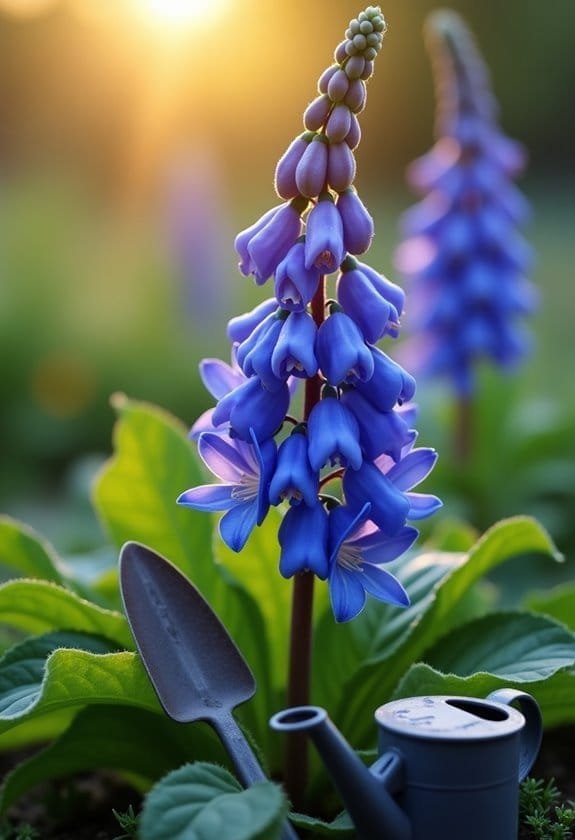
Caring for Consolida ajacis involves several essential practices that guarantee its vibrancy and longevity in the garden.
Regular deadheading will encourage prolific blooming throughout the summer months, while consistent watering during dry spells retains the plant's health and vigor.
Additionally, offering shelter from strong winds will prevent potential damage to its tall stature, guaranteeing a flourishing display in any landscape.
Planting Tips
Successful planting of Consolida ajacis, commonly known as Giant Larkspur, hinges on a few fundamental techniques. Gardeners should sow Giant Larkspur seeds directly outdoors in early spring or late fall, guaranteeing these seeds are lightly covered with soil, which promotes ideal germination. This delicate procedure is akin to tucking a flower to sleep before its vibrant awakening.
To promote robust blooms, it's important to regularly deadhead spent flowers, encouraging prolonged blooms throughout the summer months.
Considering their towering nature, providing shelter from strong winds is essential, as these gusts can jeopardize the health of the tall flower spikes, which are the defining feature of Giant Larkspur.
Watering the plants during dry spells is necessary, particularly in warmer climates, as they thrive on consistent moisture. A light touch of balanced organic fertilizer in early spring further enhances their vigorous growth, promoting a rich and thriving display of blooms. Additionally, ensuring well-drained soil is crucial for maintaining the overall health of the Giant Larkspur and preventing issues like root rot.
Establishing these foundational techniques will lead to a more resilient and stunning garden filled with the elegance and beauty that Giant Larkspur brings to any landscape.
Ongoing Care
How can gardeners guarantee their Giant Larkspur remains vibrant throughout the growing season? Ongoing care is essential.
First, deadheading spent flowers regularly encourages continuous blooming, creating a visually appealing garden. Additionally, Larkspur requires consistent watering, especially during dry spells, to bolster growth and vigor; this means providing at least one inch of water weekly, ensuring healthy root systems.
Moreover, safeguarding these towering flowers from strong winds is vital, as their tall spikes can suffer damage during harsh weather conditions, potentially compromising their beauty. Gardeners should consider plant positioning or erecting temporary windbreaks.
For propagation, sowing seeds in early autumn or starting them indoors during spring yields robust new plants.
Although typically pest and disease-free, it's wise to monitor your Larkspur for signs of stress or disease, particularly during periods of prolonged heat, which may induce adverse reactions.
Suggested Companions
Regularly incorporating companion plants with Giant Larkspur can greatly enhance both visual appeal and garden health. Pairing Giant Larkspur with roses and poppies creates striking floral combinations, elevating the garden's aesthetic allure. This synergy not only supports beauty but also bolsters pollinator habitats, attracting essential creatures like bees, butterflies, and hummingbirds, which greatly enhances biodiversity.
Companion planting guarantees that these plants thrive together, resulting in impactful displays while improving pollination rates among all species. Adequate spacing is essential; ideally, maintain at least 12-18 inches between Giant Larkspur and its companions to encourage airflow, reducing disease risk while promoting vigorous growth. Additionally, the presence of vibrant blooms from companions can further attract pollinators to the area.
Regular deadheading of the blooms redirects the plant's energy towards generating new flowers rather than seeds, thereby benefiting nearby plants' overall health and well-being.
Moreover, Giant Larkspur prefers well-drained soil—guaranteeing adequate moisture retention without causing root rot. The combination of strategic placement and attention to environmental needs will yield a flourishing ecosystem. In addition, incorporating deep root systems can enhance drought tolerance, similar to the benefits observed in Rough Hawkbit.
As a final touch, incorporating these practices nurtures a lively garden that not only delights the eye but also sustains a myriad of pollinators essential for ecological balance.
Common Issues
Common issues associated with Giant Larkspur often arise from pests and diseases that can hinder its growth.
Fungal infections thrive in humid environments, making proper air circulation and careful watering essential for plant health.
Additionally, the plant's toxicity poses risks to pets and livestock, necessitating vigilant management to mitigate potential hazards while ensuring its beauty remains part of the landscape. Moreover, as with Hounds Tongue, toxic alkaloids in certain plants can lead to significant health issues if ingested by grazing animals.
Pests/Diseases
Giant Larkspur (Consolida ajacis) stands out as a resilient garden choice, largely free from pests and diseases. This remarkable plant typically thrives with minimal intervention, offering gardeners a low-maintenance option. However, it isn't entirely immune; aphids might occasionally make an appearance, particularly during early spring. While these pests generally don't devastate plant vigor, unchecked populations can hinder growth, making monitoring essential.
Moreover, Giant Larkspur is prone to fungal diseases like powdery mildew, especially in humid climates. This white, talcum-like coating can inhibit photosynthesis, so fostering good air circulation is paramount to prevent outbreaks. By strategically spacing plants and using pruning techniques, gardeners can impede these fungal threats.
Against herbivorous visitors, the Giant Larkspur earns bonus points for being deer-resistant, rendering it less susceptible to browsing damage common in other flowering species.
Establishing healthy growing conditions—such as ensuring foliage remains dry and avoiding crowded planting—can considerably mitigate potential pest and disease challenges. Consequently, while occasional issues may arise, diligent care tends to keep pests at bay, allowing the Giant Larkspur to flourish elegantly in many gardens.
Solutions
To combat issues that might arise with Giant Larkspur, gardeners can take several proactive measures. During the sweltering summer months, the plant is prone to wilting; consequently, providing light afternoon shade, alongside consistent watering, can help maintain its vigor and aesthetic appeal as a cut flower.
Self-seeding can lead to overcrowding in ideal growth conditions, so regular deadheading of spent flowers is essential to prevent excessive seed dispersal and guarantee orderly garden dynamics.
Additionally, due to its toxicity, it's imperative to keep Giant Larkspur away from pets and children to avert accidental ingestion of its leaves, flowers, or seeds. While pests and diseases are rare, monitoring for aphids or potential fungal issues in humid conditions can preserve plant health and beauty.
Finally, to protect the tall spikes of flowers from strong winds that might cause structural damage, gardeners should employ windbreaks or select a sheltered area for planting, crafting a sanctuary for these elegant bloomers.
Through these thoughtful strategies, gardeners can cultivate a flourishing display of Giant Larkspur while safeguarding their environment and loved ones.
Summary
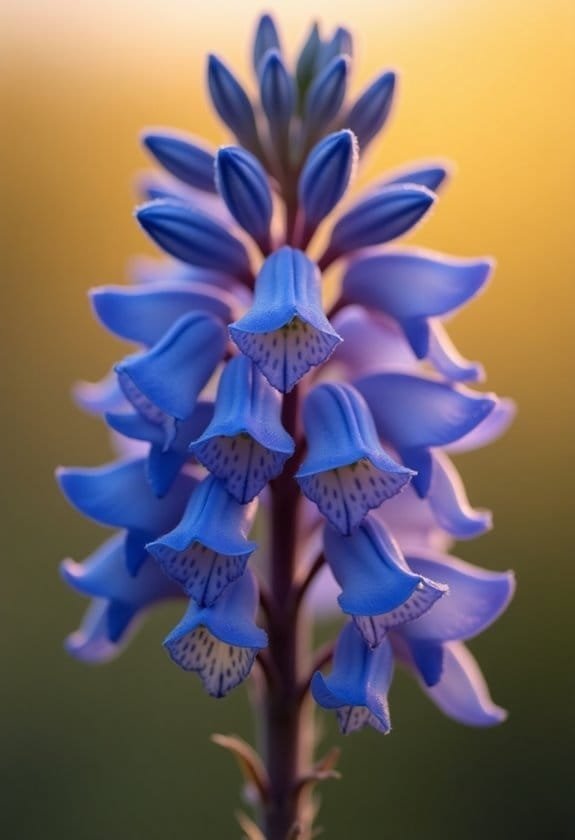
Consolida ajacis, typically known as Giant Larkspur, showcases tall spikes adorned with vibrant flowers in shades of purple, blue, and pink, reaching heights of 2-4 feet (60-120 cm).
This hardy annual thrives in full sun and well-drained soil, adapting comfortably across a wide range of USDA hardiness zones from 2 to 11 and heat zones 1 to 9.
With its deeply cut, fern-like leaves, Giant Larkspur not only captivates the eye but also attracts pollinators like butterflies and bees throughout the summer.
Despite its beauty, it's crucial to acknowledge that Giant Larkspur is toxic if ingested, making cautious placement in gardens paramount.
Under ideal conditions, the plant can self-seed, ensuring continued beauty year after year.
To promote prolonged blooming, gardeners should engage in deadheading spent flowers.
Successful germination requires cool temperatures, exhibiting sensitivity to heat, which renders it more suitable for spring gardens in warmer climates.
Ultimately, Giant Larkspur enriches garden landscapes while necessitating thoughtful care and attention, presenting both challenges and rewards to avid horticulturists aiming for vibrant floral displays.