Crambe cordifolia, known as Greater Sea Kale, is a perennial herb that flourishes in coastal environments. It reaches impressive heights of 4 to 7 feet, featuring striking, heart-shaped leaves that can measure up to 12 inches wide. This plant, blooming sweetly fragrant white flowers, attracts pollinators like bees and butterflies, enriching local biodiversity. Thriving best in USDA zones 5 to 8, it prefers full sunlight and well-drained soils, and offers culinary uses, including its tender shoots and roots. Its ornamental appeal further enhances garden aesthetics, while understanding its specific care requirements leads to successful cultivation. There's much more to explore about this remarkable plant.
Main Points
- Crambe cordifolia, known as Greater Sea Kale, is a tall herbaceous perennial that thrives in coastal ecosystems of Europe and Asia.
- The plant features large heart-shaped leaves and sweetly fragrant white flowers that attract bees and butterflies.
- Edible parts include young shoots, roots, and flowers, with flavors reminiscent of asparagus.
- It prefers full sunlight and well-drained sandy soils, making it ideal for gardens in USDA hardiness zones 5 to 8.
- Regular maintenance includes cutting back in autumn and monitoring for pests and diseases to ensure healthy growth.
Introduction
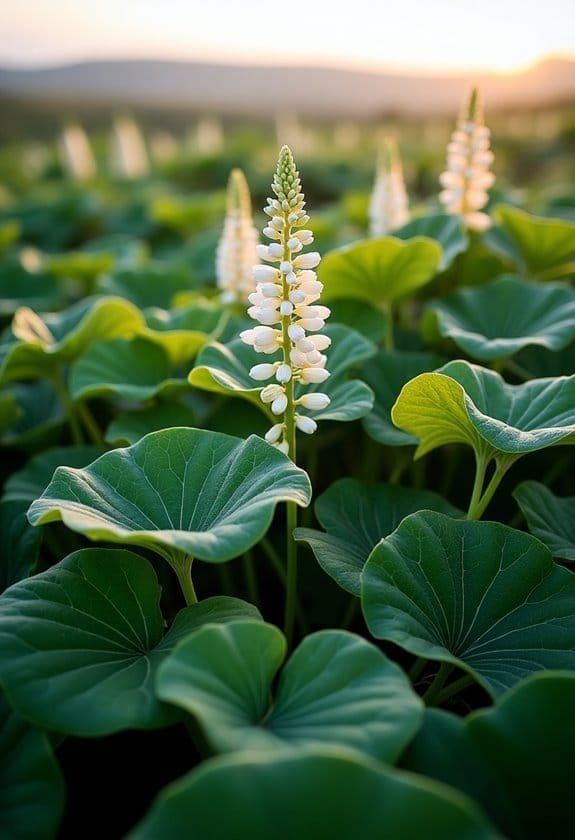
Crambe cordifolia, commonly known as Greater Sea Kale, stands as a remarkable herbaceous perennial that reaches heights of up to 7 feet.
Native to the coastal regions of Europe and Asia, this resilient plant flourishes in well-drained sandy soils, basking in the warmth of full sun.
With its striking dark green leaves and clusters of fragrant white flowers, Crambe cordifolia not only enhances garden landscapes but also offers edible delights reminiscent of asparagus, creating both aesthetic and culinary appeal.
Common Name
One might encounter various common names for *Crambe cordifolia*, including Flowering Sea Kale, Heart-Leaved Colewort, Greater Sea Kale, and simply Colewort. These common names reflect the plant's unique characteristics and various culinary applications.
Renowned for its sizable, lobed leaves that can reach up to 12 inches wide, Greater Sea Kale stands out visually and gastronomically. In early summer, this perennial herb produces stunning white flower clusters, reminiscent of baby's breath, which captivates pollinators like bees and butterflies.
The common name "Sea Kale" derives from its natural habitat along rocky coastal regions, particularly in the Caucasus and select parts of Europe. Known for its delectable components, the plant's young shoots, roots, and flowers are often likened to asparagus, exciting culinary enthusiasts keen to explore new flavors.
Moreover, this nomenclature not only emphasizes the plant's taste but also its resilience in harsh environments, reflecting how nature adapts and thrives.
With its array of common names, *Crambe cordifolia* invites curiosity and encourages exploration, both in gardens and kitchens alike, inspiring those who seek to appreciate its diverse beauty and usefulness.
Scientific Name
Known scientifically as *Crambe cordifolia*, this flowering plant belongs to the Brassicaceae family, setting it apart from other species within the group. This unique classification underscores its botanical significance, linking it to the well-known order Brassicales, which includes edible staples like cabbage and broccoli.
The specific epithet *cordifolia* translates to "heart-shaped," which aptly describes the plant's striking lobed leaves that create a distinct profile in coastal ecosystems.
First described in botanical literature in 1812, *Crambe cordifolia* has since captured the interest of horticulturists and nature enthusiasts alike. It primarily flourishes along the sandy shores of Europe and Asia, where its resilience to coastal conditions particularly stands out.
The plant thrives in well-drained sandy soils, often contributing to stabilizing the coastal environment.
In terms of size, *Crambe cordifolia* can reach heights of up to one meter, producing clusters of white or off-white flowers that grace the landscape during its blooming period.
This adaptation not only enhances its ecological role but also emphasizes its aesthetic value, making it a remarkable specimen within its native habitats.
Overview
Bringing a touch of coastal beauty to gardens, *Crambe cordifolia*—commonly referred to as Greater Sea Kale—stands out with its large, heart-shaped leaves and striking clusters of fragrant white flowers.
This herbaceous perennial, native to the Caucasus region, typically reaches a height of 4 to 7 feet (120 to 210 cm) while spreading 3 to 4 feet (90 to 120 cm) in width. Thriving in full sun and well-drained, fertile soils, Greater Sea Kale showcases a remarkable adaptability to varying soil conditions, securing its place in diverse garden settings.
Hardy in USDA zones 5 to 8, this plant not only beautifies landscapes but also plays a significant role in enhancing biodiversity. Its blooms attract pollinators, such as bees and butterflies, painting a lively tapestry in any garden scenario.
Additionally, the edible young shoots, roots, and flowers offer a culinary delight, making it a versatile choice for gardeners.
*Crambe cordifolia* is easily propagated from seeds sown in either spring or autumn, while division in early spring promotes healthy growth.
To guarantee peak vigor, cutting back its foliage to ground level in autumn is essential, akin to preparing for a rejuvenating slumber.
Key Features
Crambe cordifolia, or Greater Sea Kale, is an impressive perennial that can reach heights of 4 to 7 feet, with a robust spread of 3 to 4 feet, showcasing its broad, heart-shaped leaves that may extend up to 14 inches long.
In early summer, it delights with clusters of small, fragrant white flowers resembling baby's breath, gracing the landscape for about three weeks.
This remarkable plant thrives in full sun and fertile soils, yet it demonstrates resilience by adapting to poorer conditions, making it a valuable addition to diverse gardens.
Growth Size
The impressive stature of Crambe cordifolia, commonly referred to as Greater Sea Kale, makes it a striking addition to any garden. This robust perennial exhibits remarkable growth, often reaching heights of 4 to 7 feet (120 to 210 cm) and spreading out to about 3 to 4 feet (90 to 120 cm) in width.
The plant's large, heart-shaped, dark green leaves can grow up to 14 inches (35 cm) long, contributing significant texture to the landscape while providing an intriguing contrast to flowering plants.
During early summer, Greater Sea Kale flourishes, producing branched sprays of small, white, fragrant flowers that bloom for approximately three weeks. This floral display adds both beauty and scent to the garden environment.
Additionally, the plant's robust taproot system enables it to tolerate drought conditions once established, although it thrives best in well-drained inferior soils. Adaptable to various temperate climates, Crambe cordifolia typically prospers in USDA hardiness zones 5 to 8.
Its substantial size, resilience, and striking floral exhibition create a fascinating focal point, enriching the overall visual appeal of any garden. Furthermore, like rock samphire, it is crucial to maintain biodiversity in coastal ecosystems to support pollination and overall plant health.
Appearance
Displaying an impressive stature, Crambe cordifolia stands out in any garden setting with its height reaching up to 8 feet (2.5 meters) and a spread of up to 5 feet (1.5 meters). This herbaceous perennial exhibits a mature form that commands attention, creating an impressive focal point in landscapes.
The plant's leaves are equally striking, characterized by large, heart-shaped lobes that can exceed 14 inches (35 cm) in length. Their deep green color adds a lushness that enhances the surrounding garden aesthetics.
In early summer, Crambe cordifolia delights the senses by producing clusters of fragrant white flowers that resemble delicate baby's breath. These multi-branched flower clusters, while modest in size, release a sweet aroma that attracts beneficial pollinators, such as bees and butterflies. This quality makes the plant a significant addition to wildlife-friendly gardens, fostering ecological balance.
Additionally, the plant's robust tap root allows it to withstand drought conditions, establishing resilience in diverse environments.
While it may die back in mid to late summer, the health of this plant enriches any botanical collection with its remarkable appearance and ecological benefits.
Flowering Season
In early summer, typically from June to July, Crambe cordifolia showcases an impressive flowering season. During this period, the plant produces large, branched sprays of small, fragrant white flowers that can last approximately three weeks, creating a striking visual display in any garden.
As the inflorescences develop, they elegantly resemble plants of baby's breath, considerably enhancing the ornamental value while attracting essential pollinators like bees and butterflies.
These delicate blooms exhibit a distinct cruciform structure, characteristic of the Brassicaceae family, marking a crucial evolutionary adaptation that aids in cross-pollination and reproductive success.
As Crambe cordifolia matures, it can achieve remarkable heights of up to 2.5 meters (8 feet), allowing its floral displays to dominate the landscape, enchanting onlookers with their sheer beauty.
This flowering season not only highlights the plant's aesthetic appeal but also serves ecological purposes, proving beneficial to the local biodiversity.
The emergence of Crambe cordifolia's blooms in early summer heralds a vibrant chapter in the seasonal tapestry of gardens, indicating the fundamental interplay between flora and fauna during this enchanting time of year.
Growing Requirements
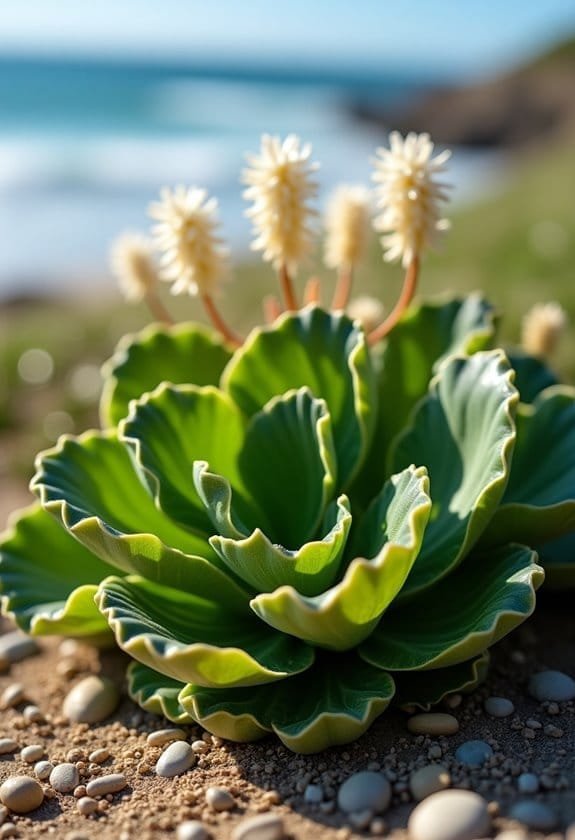
Crambe cordifolia, with its robust stature, flourishes best in full sunlight, although it can adapt to partial shade when necessary.
This resilient plant favors deep, fertile, well-drained soils, ideally those that are moister and lean towards neutral or alkaline pH levels, showcasing its preference for enriched habitats.
Regular watering is essential during the initial growth phases, as established plants can withstand moderate drought, making proper water management critical for peak development.
Light
Full sun is vital for Crambe cordifolia's thriving growth, as it needs at least 6 hours of direct sunlight each day to flourish and produce vibrant flowers. This striking perennial, known for its dramatic foliage and large clusters of white blooms, thrives best in conditions that provide consistently abundant sunlight.
Although it prefers full sun, it can tolerate partial shade, which allows for greater adaptability in various garden environments. To achieve ideal results, it's essential to plant Greater Sea Kale in locations that shield it from vigorous winds, protecting its expansive leaves from potential damage.
Moreover, while Crambe cordifolia demonstrates an impressive ability to withstand drought, ensuring ample sunlight access remains paramount to prevent foliage depreciation. In particularly hot and humid climates, managing both sunlight exposure and hydration becomes vital, as stress from excessive heat can impede growth.
When positioned correctly in well-drained soils that facilitate moisture control, Crambe cordifolia can achieve remarkable vigor, showcasing its resilience and beauty throughout the growing season. Ultimately, prioritizing full sun will lead to the healthiest and most robust plant development, providing a stunning botanical display for any garden. Additionally, planting species like Wood Forget-Me-Not offers pollinator attracting blooms that further enhance garden biodiversity.
Soil
The ideal soil for Crambe cordifolia is deep, fertile, and well-drained, providing the necessary conditions for healthy growth. This robust plant thrives in slightly alkaline to neutral pH levels, typically ranging from 6.0 to 7.5.
While it can adapt to various soil types, Crambe cordifolia flourishes best in conditions that guarantee moisture retention without waterlogging. The incorporation of organic matter into sandy soil promotes better drainage and encourages the development of deep, healthy roots.
To achieve that vibrant dark green foliage Crambe cordifolia is known for, the soil mustn't only be nutrient-rich but also capable of maintaining a dry state during winter dormancy, helping to prevent root rot.
In less-than-ideal environments, this plant demonstrates remarkable resilience, allowing it to survive even in poorer soil conditions. However, gardeners should aim for a prime mix of texture and fertility to truly release the plant's potential.
Water
Watering plays a key role in helping Crambe cordifolia thrive. This remarkable plant prefers well-drained, sandy soils capable of retaining some moisture without becoming waterlogged.
Once established, Crambe cordifolia becomes moderately drought-tolerant, but it requires regular watering during prolonged dry spells to encourage ideal growth. Watering deeply promotes robust root development, ultimately enhancing drought resistance.
In hot climates, providing some shade can greatly alleviate water stress, ensuring the plant receives an appropriate amount of moisture while preventing excess evaporation.
It's crucial to strike a balance, as overwatering can lead to root rot—a perilous condition for Crambe cordifolia, which enjoys well-drained environments.
To cultivate this species successfully, gardeners should observe its watering needs, especially in the critical early stages of growth.
Young plants rely heavily on consistent moisture for establishing a strong foundation that enables greater resilience against drought conditions as they mature.
Adopting a methodical watering schedule allows the gardener to nurture Crambe cordifolia effectively, transforming it into a stunning, drought-tolerant addition that thrives in diverse landscapes.
With the right care, this plant reflects nature's ability to endure and flourish under varying circumstances.
Temperature
In temperate climates, Crambe cordifolia flourishes best within USDA hardiness zones 5 to 8, where it can enjoy ideal growth conditions. This perennial herb primarily thrives under full sun exposure, although it can manage in partial shade.
Well-drained soils are essential for its best growth, as waterlogged conditions can impede development. Once established, Crambe cordifolia exhibits moderate drought tolerance, which makes it resilient during periods of lower rainfall.
However, it exhibits sensitivity to extreme heat and humidity, especially in the southern regions of the United States. Such conditions may impede its overall growth performance, complicating successful cultivation.
It's noteworthy that the ideal time for planting seeds falls in early spring, when soil temperatures begin to warm. For those opting to transplant seedlings, it's best to wait until they reach approximately four inches in height, ensuring their adaptability to the new environment.
Understanding these temperature-related preferences not only aids in proper cultivation but also enhances the plant's potential to thrive, yielding the lush foliage and striking flowers that make it an impressive addition to any garden.
Pollinator Criteria
Crambe cordifolia attracts a variety of pollinators, primarily bees and butterflies, through its abundant, nectar-rich white flowers that bloom from early to midsummer.
These large and fragrant blossoms not only serve as an essential food source but also facilitate cross-pollination, enhancing genetic diversity in plant populations. The plant's pollinator attraction characteristics contribute to creating a thriving garden ecosystem. Furthermore, diverse ecosystems benefit from the presence of multiple flowering plants, such as water mint, which similarly provides resources for pollinators and supports overall biodiversity.
Attracted Pollinators
Attracting a variety of pollinators, Crambe cordifolia stands out with its large, fragrant white flowers that bloom in early summer. These blossoms, reminiscent of baby's breath in their inflorescence, create an inviting environment for pollinators like bees and butterflies, enticing them with abundant nectar. The flowering period lasts approximately three weeks, ensuring a consistent food source for these visiting insects, which is vital for their survival and supports healthy ecosystems. Moreover, the plant's flowers provide significant resources for important pollinators during peak blooming times, much like Horseshoe Vetch(Hippocrepis comosa), which serves as a key food source for butterfly caterpillars.
In addition to its appealing flowers, the plant features broad, dark green lobed leaves that provide shelter for beneficial insects. This protective habitat encourages biodiversity, allowing various species to thrive alongside Crambe cordifolia.
The plant's adaptability to poor soil conditions and full sun exposure further cements its role as a resilient choice for pollinator gardens, fostering a diverse array of attracted pollinators. Water Forget-Me-Not, another attractive pollinator resource, blooms for an extended period, ensuring a reliable food source in wetland habitats.
With its robust characteristics and alluring blooms, Crambe cordifolia not only enhances gardens visually but also acts as an important resource for pollinators. The symbiotic relationship between the plant and its pollinators illustrates the intricate web of life that underpins healthy ecosystems, highlighting the importance of integrating such species into cultivation practices.
Pollination Method
Many insect species play an essential role in the pollination of Crambe cordifolia, with its clustered, sweetly fragrant flowers drawing an array of visitors like bees and butterflies. This plant relies solely on external agents for its pollination method, as it lacks the ability to self-pollinate.
The inflorescences, featuring small, white, cross-shaped flowers typical of the Brassicaceae family, are particularly alluring to specific pollinators seeking nectar. Blooming during early summer for approximately three weeks, Crambe cordifolia provides a consistent food source, effectively supporting diverse insect populations.
The diversified interactions between the plant and its insect visitors enhance genetic diversity, important for the plant's survival and adaptation within its native habitat.
In this intricate dance of ecology, successful pollination leads to seed set and propagation, contributing to overall biodiversity. Furthermore, as pollinators interact with the flowers, they facilitate the transfer of pollen, ensuring that many seeds develop.
In this way, Crambe cordifolia not only thrives but also solidifies its role as a key component within the ecosystem, ultimately enriching the environment it inhabits.
Care & Maintenance
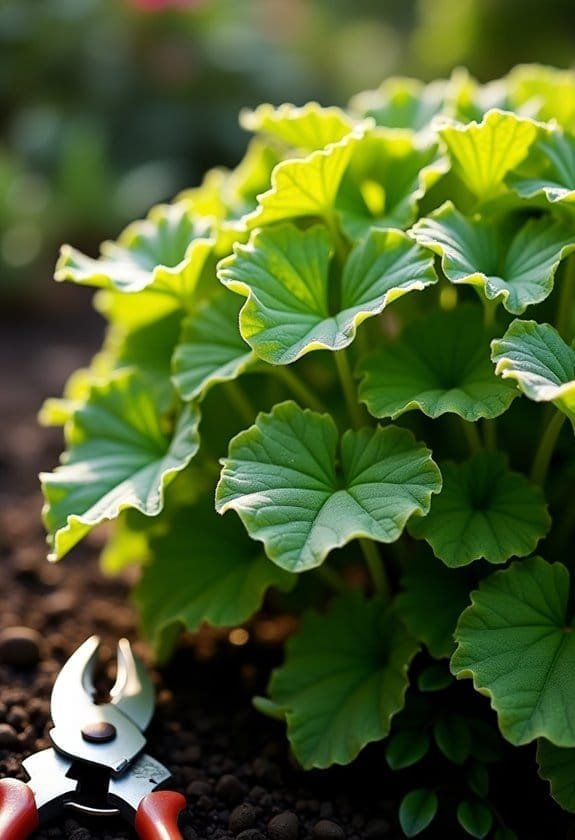
In caring for Crambe cordifolia, proper planting techniques and ongoing maintenance play pivotal roles in ensuring the plant thrives.
Ideally, the species should be positioned in well-drained, fertile soil and bask in full sunlight, which encourages vibrant growth and resilience against pests.
Planting Tips
When it comes to planting Crambe cordifolia, choosing the right location is vital for success. This remarkable perennial, recognized with the Award of Garden Merit, flourishes in full sun and prefers deep, fertile, well-drained soils.
To achieve ideal growth and flowering, it's essential to prepare the soil adequately; amending it with organic matter can enhance drainage and nutrient content.
For propagation, spring or autumn is the best time to sow seeds in pots, while dividing root clumps in early spring can yield impressive results.
Young plants, however, are particularly vulnerable to pests, such as slugs and caterpillars, during their initial growth stages, necessitating vigilant monitoring.
As Crambe cordifolia matures, its height may prompt the need for staking, particularly in areas prone to strong winds. The plant's robust structure can be significant when cultivated in exposed locations, ensuring stability without compromising its aesthetic appeal.
Finally, cutting back the plant to ground level in autumn fosters a healthy rejuvenation cycle, preparing it for vibrant growth in the following season, and thereby ensuring this enchanting addition to any garden thrives year after year.
Ongoing Care
Maintaining Crambe cordifolia requires regular attention to guarantee it flourishes throughout the growing season. Gardeners should monitor for common pests, such as flea beetles, slugs, and caterpillars, especially during the early growth phases. These pests can hinder the plant's development if left unchecked.
During autumn, cutting the plant down to ground level helps promote vigorous regrowth in the spring, ensuring that the plant's energy is directed to new growth.
To propagate Crambe cordifolia, gardeners can either sow seeds in early spring or autumn or divide root clumps in early spring, providing fresh opportunities for growth. The plant thrives in full sun and benefits considerably from protection against strong winds, which can stunt its height and blooming potential.
While mature plants exhibit moderate drought tolerance, they ultimately prefer well-draining soils rich in moisture. A cold frame can assist in maintaining ideal moisture levels, allowing for regulation of temperature and humidity, ensuring the plants' well-being.
Suggested Companions
Choosing the right companions for Crambe cordifolia can greatly enhance both its aesthetic appeal and overall health in the garden. This striking perennial, characterized by its large lobed leaves and delicate white flowers, benefits from the company of other perennials mirroring its robust nature. Pairing Crambe cordifolia with ornamental grasses or summer-blooming plants creates visually dynamic contrasts that enrich any perennial border.
For ideal maintenance, foxgloves and delphiniums are excellent companions, flourishing in similar soil conditions while introducing varied heights to the landscape. Additionally, incorporating low-growing ground covers such as creeping thyme or sedum not only enhances moisture retention but also suppresses weed growth, complementing Crambe's towering presence.
Crambe cordifolia can attract certain pests, making companion herbs like basil or dill invaluable additions, as they naturally deter harmful insects while providing culinary delights.
Regularly monitoring for common pests such as slugs and caterpillars remains critical, particularly in diverse plantings. By carefully selecting companions, gardeners can establish a vibrant, thriving ecosystem that supports the health and beauty of Crambe cordifolia, truly transforming their perennial border into a spectacular visual tapestry.
Common Issues
Crambe cordifolia faces several common issues, primarily from pests and diseases that can disrupt its growth.
Flea beetles and slugs threaten young leaves, while club root disease poses a significant risk, particularly in soils that retain excess moisture.
To mitigate these challenges, gardeners should monitor their plants closely, employ organic pest control measures, and guarantee proper drainage to enhance the plant's resilience.
Pests/Diseases
Throughout the growing season, Crambe cordifolia faces several pest and disease challenges that can compromise its health and vigor. One of the most notable pests is the flea beetle, which creates small, unsightly holes in the leaves, exposing the plant to stress. Regular monitoring helps detect these pests early, as proactive pest control measures are vital.
Additionally, slugs pose a formidable threat, particularly in moist environments, where they can devastate young, tender plants. Employing protective barriers or introducing natural predators can effectively mitigate this risk.
Caterpillars also inflict significant damage, leading to leaf loss, reduced vigor, and an overall decline in plant health. Manual removal or targeted insecticides serve as potential responses.
On the disease front, clubroot, caused by the pathogen Plasmodiophora brassicae, wreaks havoc by inducing stunted growth and deformities in the roots. To combat this, it's important to avoid previously infected soils.
Achieving ideal plant health involves regular inspection and the adoption of good cultural practices. Maintaining proper spacing and sanitation not only promotes robust growth but also helps minimize the incidence of these pests and diseases, ensuring that Crambe cordifolia remains the fragrant beauty it aims to be. Additionally, the presence of Germander Speedwell as a companion plant can enhance soil health by attracting beneficial pollinators and supporting local biodiversity.
Solutions
Addressing common issues with Greater Sea Kale (Crambe cordifolia) involves a multi-faceted approach combining proper cultural practices and vigilant care.
First, it's essential to monitor for pests like flea beetles, slugs, and caterpillars, which can wreak havoc if left unchecked. Regular inspections during the growing season can prevent significant damage.
Greater Sea Kale flourishes in deep, fertile, and well-drained soils, so planting in poor or disturbed ground will certainly hinder its growth. To promote a robust plant, gardeners should ascertain the soil is adequately prepared before planting.
In addition, cutting the plant to ground level in autumn supports rejuvenation, providing an important reset for the following spring.
While Greater Sea Kale exhibits drought tolerance once established, consistent watering during its early growth stages is critical for preventing foliage decline in arid conditions.
Finally, propagation is best achieved in spring or autumn through seeds in pots or by root division in early spring, maximizing the plant's chances of successful establishment.
Through these careful considerations and strategic interventions, gardeners can foster a thriving Greater Sea Kale, guaranteeing it remains vibrant and productive throughout the seasons.
Can Cosmos Bipinnatus And Crambe Cordifolia Be Planted Together?
Yes, cosmos bipinnatus plant species and crambe cordifolia can be planted together in a garden. Both of these plant species thrive in well-drained soil and full sun. Their different heights and colors will create an attractive and diverse garden landscape.
Summary
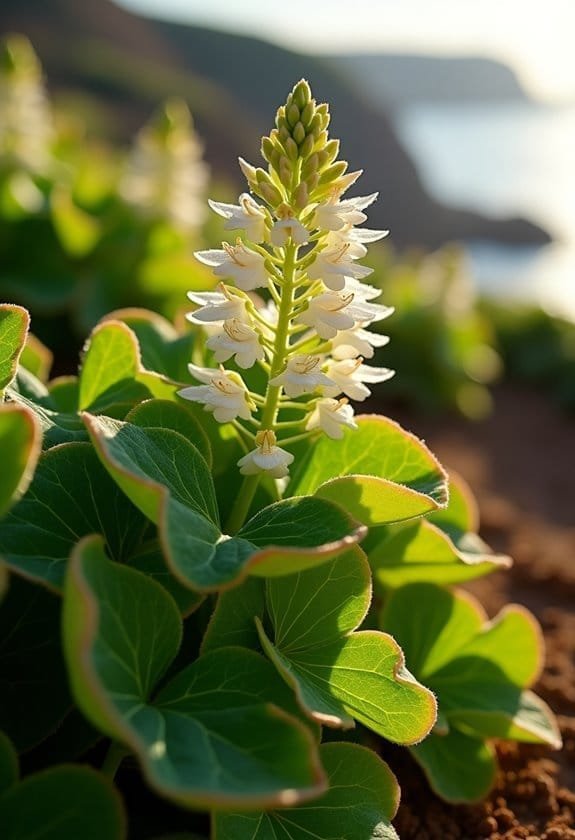
Greater Sea Kale, or Crambe cordifolia, is a striking herbaceous perennial that typically grows 4 to 7 feet tall and boasts impressive, kidney-shaped dark green leaves. Native to the Caucasus region, this resilient plant thrives in full sunlight and well-drained soils, demonstrating remarkable tolerance to poor conditions and partial shade.
While suitable for USDA hardiness zones 5 to 8, its drought tolerance becomes evident once established, allowing it to flourish with minimal water.
In early summer, Crambe cordifolia produces sweetly fragrant, white flowers that resemble the delicate blooms of baby's breath. These flowers attract bees and butterflies, enhancing biodiversity in any garden setting. The inflorescences last for approximately three weeks, providing a picturesque display.
Moreover, the plant offers culinary versatility. Its young shoots, roots, and flowers are all edible, with the cooked leaves offering a flavor reminiscent of garden kale.
Propagation is straightforward, achieved through seeds or the division of root clumps in early spring. Overall, Greater Sea Kale presents an enchanting combination of beauty, resilience, and utility, making it an excellent choice for ornamental and edible gardens alike.