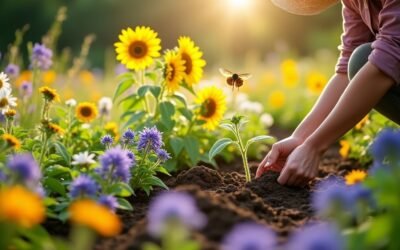
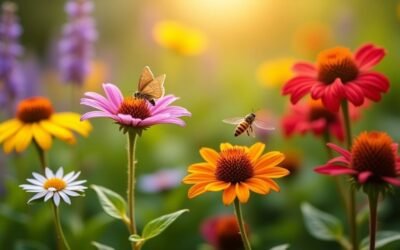
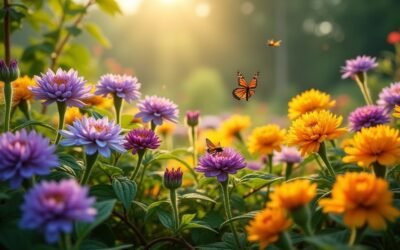
The genus Geranium, commonly referred to as Cranesbill, encompasses around 300 species of hardy perennials. Known for their exquisite five-petaled flowers in shades of purple, blue, pink, and white, these plants thrive across temperate regions, showcasing resilience and beauty. Geraniums flourish in moderately fertile, well-drained soils, preferring full sun to partial shade while exhibiting drought tolerance once established. They play a crucial role in supporting local ecosystems, attracting pollinators like bees and butterflies with their nectar-rich blooms. Gardeners benefit from their long blooming seasons and low maintenance needs, making them a splendid addition to any landscape. There's much more to discover about these remarkable plants.
Main Points
- The Geranium genus comprises around 300 species, widely recognized as Cranesbill due to their seed pod shape.
- They are hardy perennials known for vibrant blooms in purple, blue, pink, and white, thriving in temperate regions.
- Geraniums prefer moderately fertile, well-drained soil and require full sun to partial shade for optimal growth.
- Key varieties include Geranium Rozanne, with blue flowers until frost, and Geranium Mavis Simpson, known for its soft pink blossoms.
- Hardy geraniums attract pollinators like butterflies and bees, contributing to biodiversity and supporting local ecosystems.
Introduction
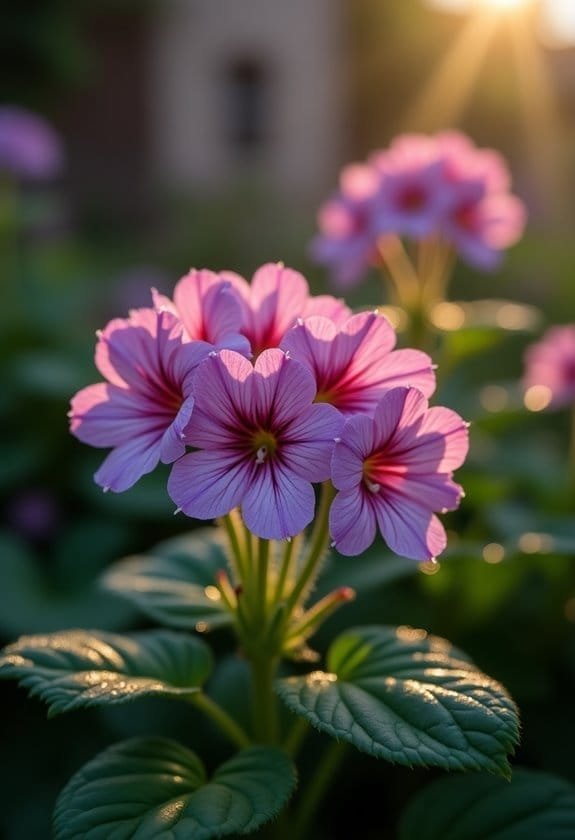
Commonly known as cranesbill, the genus Geranium encompasses around 300 species, each showcasing unique characteristics and adaptations.
With scientific names that reveal their botanical lineage, these hardy perennials not only enhance garden aesthetics with a range of vibrant flower colors but also play a significant role in local ecosystems by attracting beneficial wildlife.
Understanding the nuances between cranesbills and their annual counterparts, Pelargoniums, is essential for gardeners looking to cultivate a thriving, sustainable environment. Additionally, Geranium pratense, or Meadow Cranesbill, is particularly valued for its substantial nectar production, supporting local biodiversity and pollinator health.
Common Name
Known for their charming blooms and resilience, hardy geraniums are widely referred to as "Cranesbill," a name derived from the distinctive shape of their seed pods that resemble a crane's bill. This intriguing common name captures the essence of these perennial plants, which thrive across temperate regions worldwide, including Europe, North America, and parts of Asia.
The genus Geranium encompasses approximately 300 species and an array of cultivars, further contributing to the allure of hardy geraniums in garden settings. Vivid colors characterize these flowers, which can display shades of purple, blue, pink, and white, enhancing the aesthetics of any landscape.
Unlike their annual relatives, the Pelargoniums, hardy geraniums maintain a perennial nature, allowing them to flourish year after year. Their adaptability makes them an excellent choice for both novice and experienced gardeners alike.
The Cranesbill's blooms often attract pollinators, enriching local biodiversity while creating visually stunning displays.
Thus, the common name "Cranesbill" not only reflects a charming physical characteristic but also signifies the essential role hardy geraniums play in ecosystems and gardens.
Scientific Name
With its rich diversity, the genus Geranium embraces around 300 species, which thrive in varied temperate environments worldwide. Recognized for their adaptability, these hardy plants belong to the Geraniaceae family. The scientific designation "Geranium" encompasses numerous cultivars and hybrids, showcasing remarkable variation in form and function. Each species contributes uniquely to gardens and landscapes, reflecting nature's artistry.
Many species within this genus are colloquially called "Cranesbill," a name that stems from the shape of their seed pods, which evocatively resemble a crane's bill—nature's way of adding charm to functionality. Importantly, hardy Geranium species exhibit perennial growth patterns, allowing them to return year after year, unlike annual varieties such as Pelargoniums, which require replanting each season.
The genus *Geranium* finds its home in temperate regions including Europe, North America, and parts of Asia, where it flourishes through diverse climatic conditions.
This extensive distribution highlights the genus's resilience and ecological significance. As gardeners turn to geraniums for their beauty and hardiness, understanding the scientific intricacies behind the genus Geranium enriches appreciation for these remarkable plants.
Overview
Geraniums are a group of flowering plants appreciated for their resilience and stunning variety, thriving in diverse temperate environments across the globe. Among these, hardy geraniums, commonly referred to as cranesbills, are perennial plants that markedly differ from their annual geranium counterparts, known as Pelargoniums. Hardy geraniums return each season, offering a splash of color in gardens year after year.
The genus Geranium encompasses approximately 300 species, celebrated for their vibrant blooms that flaunt shades of white, blue, purple, and pink. This wide array of colors provides garden enthusiasts with endless possibilities for design and creativity.
Hardy geraniums demonstrate impressive adaptability, flourishing in various environmental conditions ranging from full sun to dry shade, therefore fitting seamlessly into diverse garden settings. These plants typically thrive in USDA hardiness zones 3 to 11, with many varieties specifically suited for zones 3-9.
Characterized by lush foliage and a tufted growth habit, hardy geraniums offer visual interest and texture that enhance landscapes. Their ability to withstand various conditions makes them a beloved choice for gardeners seeking resilience and beauty in their perennial collections.
Key Features
Hardy geraniums exhibit a remarkable range of growth sizes, from compact varieties reaching just 12 inches to taller species soaring up to 36 inches.
Their graceful appearance, characterized by five-petaled flowers and palmately divided foliage, not only enhances garden beauty but also provides a striking visual contrast throughout the growing season.
Additionally, flowering seasons vary considerably, with some species blossoming in early spring and others showcasing vibrant blooms well into late summer, creating an ever-changing tapestry of color in the landscape.
Growth Size
Ranging in height from 6 inches to 2 feet, hardy geraniums showcase a variety of growth sizes that enhance garden diversity. Different varieties of these perennial Geraniums present unique growth patterns; for instance, the compact Geranium Elke peaks at about 10 to 12 inches, making it an excellent choice for containers and smaller spaces.
On the other hand, varieties like Geranium Mavis Simpson and Geranium Rozanne reach up to 2 feet, providing vertical interest.
The spread of hardy geraniums typically varies from 1 to 4 feet, with some, like Geranium macrophyllum, exhibiting particularly expansive growth. This broad reach creates an impressive visual effect when planted in clusters.
Many hardy geraniums, such as Geranium x cantabrigiense Biokovo, are known for their semi-evergreen, mat-forming growth habit, which makes them ideal for low-maintenance ground cover solutions.
As these plants establish, they form clumps that may need division every 3-5 years to guarantee ongoing energy and size management in a garden environment.
This nurturing practice not only prolongs the life of the plants but also allows gardeners to cultivate a more vivid and lush landscape.
Appearance
With diverse growth sizes enhancing their landscape appeal, these hardy flowers exhibit striking appearances that further enrich garden aesthetics. Hardy geraniums, commonly known as cranesbills, typically feature five-petaled blooms that display an array of mesmerizing colors, including purple, blue, pink, and white. Each species boasts distinctive foliage that adds depth and texture to the garden.
For instance, the leaves of Geranium Elke are palmately divided and exhibit a lush dark green hue, transforming into stunning bronzy-red shades in the fall.
Moreover, certain varieties, like Geranium x magnificum, present large, saucer-shaped flowers, characterized by rich violet-blue tones and prominent veining. This creates a visually impactful display that draws the eye.
Hardy geraniums often form soft mounds or flowing carpets, making them not only an excellent choice for ground cover but also a significant contributor to the overall visual harmony in garden design.
Their ability to adapt and change enhances their charm across various seasons, ensuring that both the blooms and foliage continue to mesmerize throughout the year.
Ultimately, the combination of striking flowers and attractive foliage creates a timeless beauty that appeals to garden enthusiasts and casual observers alike.
Flowering Season
Many hardy geraniums are celebrated for their extended blooming season, which typically spans from late spring to late fall. This remarkable characteristic guarantees continuous color in gardens, transforming landscapes with vibrant flowers for many months.
One standout variety, Geranium Rozanne, is particularly renowned for its robust blooming habits, showcasing stunning blue flowers adorned with purple veins from late spring until frost.
Similarly, Geranium Mavis Simpson enchants with soft, shell-pink blossoms that feature intricate vein patterns, blooming consistently from late spring to late fall.
In addition, some species, such as Geranium wlassovianum, impressively extend their flowering window, blooming both early in spring and late into the fall, considerably enhancing the seasonal display of colors.
Not to be overlooked, unique gems like Geranium wallichianum 'Havana Blues' contribute to this timeline with vibrant lavender-blue flowers that add flair from early summer through the first frosts.
Collectively, these hardy perennials not only bring aesthetic joy but also provide essential habitats for pollinators, underpinning the ecological balance in gardens.
With their versatile blooming seasons, these geraniums are a delightful choice for avid gardeners seeking to maintain rich, colorful surroundings throughout the growing season.
Growing Requirements
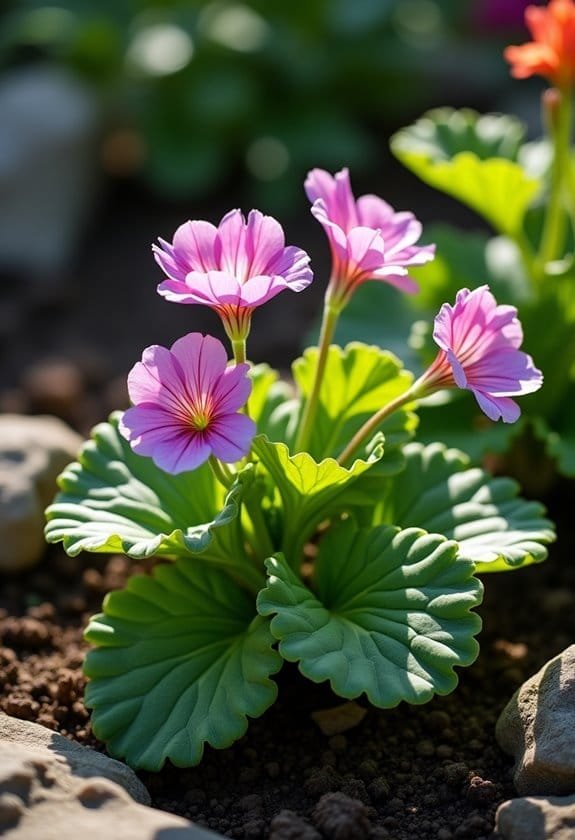
Growing hardy geraniums requires careful attention to their environmental conditions.
These resilient plants flourish in moderately fertile, well-drained soil, ideally thriving in full sun to partial shade, thereby accommodating various garden ecosystems.
Watering is essential during their establishment phase; however, once rooted, they exhibit impressive drought tolerance, making them an excellent choice for low-maintenance gardens.
Light
Light plays an essential role in the growth of geranium species, especially hardy varieties. These plants flourish across a spectrum of light conditions, from full sun to partial shade, showcasing remarkable adaptability in diverse garden settings.
However, most species thrive best in full sun, where they can attain vibrant flowering and robust growth. Adequate sunlight exposure is vital; plants receiving fewer than four hours of direct sunlight daily often experience diminished blooming.
While some geraniums can tolerate light shade, it's significant to acknowledge that even under such conditions, flower production may be less prolific. Instead, the foliage may remain lush and verdant, ensuring aesthetic appeal throughout the growing season.
Gardeners should pay attention to the moisture levels in well-drained soil, especially when these plants are positioned in full sun. The soil must retain adequate moisture without becoming excessively dry, promoting healthy development.
Soil
Providing a well-drained soil is essential for the thriving of hardy geraniums. These resilient plants flourish best in moderately fertile, well-drained conditions, which foster healthy roots and vibrant foliage. Incorporating organic compost greatly enhances soil fertility and structure, providing a nutrient-rich environment for growth.
Hardy geraniums exhibit remarkable adaptability, tolerating various soil types, including sandy, clay, or slightly alkaline compositions.
However, while ensuring the soil is well-drained, it's important that it retains some moisture. This balance prevents overly dry conditions that could hinder young plants during their establishment phase. Generally, maintaining consistent moisture levels promotes robust growth, particularly in the initial stages when the plants are most vulnerable.
Although many hardy geranium species will withstand moderate drought once established, they truly benefit from regular watering during the early days of development.
Finally, a careful analysis of soil conditions, moisture retention, and nutrient content can greatly influence the overall success and health of hardy geraniums, allowing them to showcase their beauty in gardens and landscapes.
Therefore, nurturing their growing requirements with attention to soil quality becomes paramount for gardeners seeking to cultivate these charming species.
Water
Water management plays an essential role in the significance of hardy geraniums. These resilient plants thrive in moisture-retentive soil that drains well, allowing for effective nourishment and preventing root rot. Initially, regular watering is fundamental during the establishment phase, which usually lasts a few weeks. This consistent moisture supports robust foliage and healthy growth.
Once established, many hardy geranium species can become drought tolerant, reducing their watering needs considerably. Their adaptability to varying moisture levels promotes a certain self-sufficiency, allowing them to flourish even in fluctuating conditions.
However, it's important to avoid prolonged periods of dryness, as this can severely hinder growth and overall vigor. Gardeners should aim for a balance; while hardy geraniums can withstand drier spells, proper hydration guarantees they maintain their inherent lushness.
Cultivating them in well-draining yet moisture-retentive soil is the key to cultivating a thriving geranium garden. Hence, understanding their water requirements not only enhances their beauty but also fosters a sustainable gardening practice. By being mindful of both the initial and ongoing watering needs, one can promote a flourishing display of these charming perennial plants.
Temperature
Temperature is a fundamental factor in the successful growth of hardy geraniums.
These resilient plants are exceptionally versatile, thriving in USDA hardiness zones ranging from 3 to 11. They flourish best in moderate temperatures, typically between 60°F and 75°F, which promote healthy growth and vibrant blooms. Areas that provide full sun to partial shade create perfect conditions; however, specific varieties like Geranium Rozanne prefer zones 5 to 8, while Geranium Brookside is tolerant of zones 3 to 9, exhibiting adaptability.
As the seasons change, established hardy geraniums demonstrate impressive drought tolerance, enabling them to withstand varied moisture levels, provided they receive proper soil preparation.
Well-drained, moderately fertile soil that retains moisture without quickly drying out is essential for ideal growth. For gardeners, ensuring these conditions can create a flourishing habitat where hardy geraniums can thrive and contribute to the landscape's beauty.
Pollinator Criteria
Hardy geraniums, such as Geranium Rozanne and Geranium Brookside, draw an impressive range of pollinators like butterflies and bees, thanks to their colorful blooms and long flowering seasons. Their vibrant hues, including stunning blues and radiant pinks, effectively lure diverse insect species, creating a harmonious balance in local ecosystems. Additionally, their ability to thrive in moist, acidic soils ensures they can flourish in habitats similar to the environments preferred by other beneficial plants like Alder Buckthorn. Known for attracting pollinators, these plants play an essential role in supporting wild strawberry populations and overall biodiversity.
Attracted Pollinators
Attracting a variety of pollinators, hardy geraniums play an indispensable role in enhancing garden biodiversity. Remarkably, varieties such as Geranium macrorrhizum, with their striking flowers, serve as crucial resources for beneficial insects, including bees and butterflies. These plants provide abundant nectar, an essential food source that sustains the health and populations of these significant pollinators.
The long blooming periods of hardy geraniums guarantee that pollinators have a reliable food supply throughout the growing season, supporting important ecological interactions in the garden. The vibrant colors, particularly the alluring blue of Geranium Rozanne and the deep red of Bloody Cranesbill, effectively draw pollinators from great distances, guiding them to these floral havens. Additionally, incorporating species like Lesser Spearwort can further enhance wetland biodiversity by providing habitat and nectar sources for local pollinators. Furthermore, like the Common Cowslip, which blooms in spring, hardy geraniums offer essential resources for early-season pollinators.
Incorporating hardy geraniums into a garden not only enhances its aesthetic appeal but also cultivates a nurturing environment for pollinators. By fostering these interactions, gardeners actively contribute to biodiversity, creating a self-sustaining ecosystem that thrives on the interdependence of plants and pollinators.
Therefore, planting these flowers isn't merely decorative; it's an investment in ecological health that resonates through the entire garden landscape.
Pollination Method
Typically, geranium species utilize a combination of visual and tactile cues to attract pollinators. Their bright blooms, displaying an array of colors such as blue, purple, pink, and white, not only enhance aesthetic appeal but also cater to the varying color preferences of bees and butterflies. This diverse palette of hues serves as a beacon, guiding pollinators to the flowers.
The open structure of geranium flowers facilitates easy access to their nectar, dramatically increasing the likelihood of successful pollination. As hardy geraniums bloom from late spring to fall, they provide a continuous food source, supporting crucial pollinator populations throughout the growing season.
This extended blooming period is essential for sustaining ecological balance and encouraging biodiversity in garden habitats. Moreover, hardy geraniums contribute to ecosystem health by fostering environments rich in various floral resources. In particular, their cohabitation with plants like Meadow Vetchling can enhance pollinator attraction through increased habitat diversity.
As pollinators visit these resilient plants, they inadvertently promote cross-pollination, which enhances genetic diversity within plant communities. Ultimately, the symbiotic relationship between geranium species and their pollinators emphasizes the critical role these flowers play in maintaining the intricate web of life that sustains both flora and fauna.
Care & Maintenance
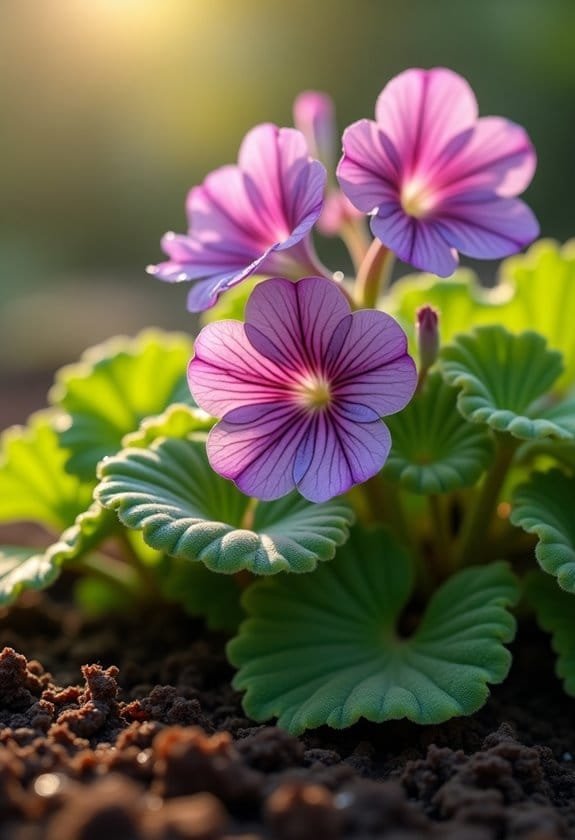
To guarantee the health and beauty of hardy geraniums, proper care and maintenance practices are essential.
These resilient plants flourish in well-drained soil enriched with organic compost, requiring moderate irrigation particularly during establishment.
Planting Tips
Hardy geraniums thrive in well-drained soil enriched with compost, which nourishes their growth and extends the flowering season. These mat-forming perennials are well suited for various garden settings, displaying resilience in both full sun and partial shade.
For best growth, gardeners should guarantee these plants receive adequate light, impacting their flower production and overall health, making a careful selection of planting location essential.
Once established, hardy geraniums demonstrate remarkable drought tolerance, requiring less frequent watering. However, during the initial establishment period, consistent watering is vital to promote robust root development.
Additionally, to maintain healthy clumps and avoid overcrowding, it's advisable to divide hardy geraniums every three to five years, particularly in early spring or fall. This division process not only rejuvenates the plants but also encourages more vigorous blooms.
Some varieties benefit from a strategic post-bloom cut-back, which effectively curbs overgrowth while preventing self-seeding, contributing to an attractive, organized garden appearance.
Ongoing Care
Once hardy geraniums are established, ongoing care requires minimal effort to maintain their health and beauty. These resilient plants thrive under conditions demanding little maintenance, yet a few considerations guarantee peak growth. For instance, incorporating organic compost into the soil enhances nutrient availability, promoting vigorous plant development.
While regular watering is vital during the initial establishment phase, hardy geraniums demonstrate remarkable drought resistance once established, evolving to less frequent watering. Well-drained soil is essential, as it helps mitigate issues such as mildew, which can afflict certain varieties; thus, careful attention to soil conditions pays off.
To maintain an aesthetically pleasing garden appearance, it's advisable to cut back specific geranium varieties post-bloom. This practice not only manages growth but also curtails undesirable reseeding, allowing for a tidier display.
In addition, propagation becomes straightforward through division every three to five years, guaranteeing the continued health and spread of these charming plants.
Suggested Companions
Creating a harmonious garden often means choosing the right companions for hardy geraniums. These resilient perennials thrive when paired with complementary species, enhancing both visual appeal and ecosystem balance.
For instance, combining hardy geraniums with perennials like daisies and peonies results in stunning colorful displays, as their varied bloom times extend the garden's seasonal beauty.
Additionally, integrating ground covers such as creeping thyme or sedum creates a layered landscape while effectively suppressing weed growth. The sprawling nature of these ground covers can highlight the upright form of hardy geraniums, creating an aesthetically pleasing contrast.
Moreover, established hardy geraniums can benefit from the presence of ornamental grasses, which not only add a striking textural diversity but also aid in retaining soil moisture.
When selecting companions, it's essential to take into account species that share similar cultural requirements, particularly regarding well-drained soil and light tolerance. This is important because hardy geraniums thrive in conditions similar to those enjoyed by Origanum vulgare regarding soil drainage and sun exposure.
Regular maintenance, especially the practice of cutting back spent blooms, guarantees better airflow and reduces competition for nutrients among companion plants.
This attention to detail fosters a thriving garden, where hardy geraniums and their companions grow symbiotically, elevating the overall garden experience.
Common Issues
While hardy geraniums are generally resilient, they do face some common issues that gardeners should watch for, such as pests and diseases.
Powdery mildew can emerge in humid conditions, necessitating proactive measures, like improving air circulation through strategic pruning.
Additionally, maintaining healthy soil with proper drainage prevents conditions that lead to root rot, ensuring these vibrant plants thrive and continue to enhance any garden space.
Pests/Diseases
Maintaining the importance of geraniums can be an ongoing challenge due to various pests and diseases that may arise. Although hardy geraniums are generally resilient and present minimal pest issues, some varieties may still fall victim to problems like powdery mildew. This fungal disease often occurs in humid conditions, particularly when plants are overcrowded, limiting airflow. Such factors underscore the need for regular monitoring to identify potential infestations early, though severe issues are relatively rare.
Ensuring healthy soil with excellent drainage and employing proper watering practices greatly mitigates disease risks in hardy geraniums. When nurtured in conducive environments, these low-maintenance plants thrive, showcasing their vibrancy.
However, gardeners must remain vigilant, as certain geranium species can exhibit weedy tendencies if not managed effectively, threatening biodiversity in local ecosystems.
Thus, careful selection and strategic placement within garden designs become essential to managing these challenges. By understanding the potential pests and diseases, gardeners can better appreciate the complexities of nurturing geraniums, fostering an environment where these striking plants flourish while maintaining their low-maintenance reputation.
Solutions
For gardeners facing challenges with hardy geraniums, implementing effective solutions can greatly improve plant health and aesthetics. To combat the propensity for mildew, particularly in humid conditions, it's advisable to prune the plants after flowering. This simple step enhances air circulation, reducing the likelihood of fungal diseases.
Regular monitoring for pests, though hardy geraniums generally suffer from few issues, remains essential. Early detection guarantees that any potential problems are swiftly addressed, preserving the plant's vitality.
Furthermore, gardeners should pay attention to soil quality, emphasizing healthy practices and guaranteeing excellent drainage. Well-drained soil mitigates the risk of diseases associated with waterlogging. Charlock, known for its long-lived seeds, can serve as a reminder of the importance of managing plant populations to prevent invasive tendencies.
Propagation through division is also recommended every 3-5 years, especially for robust varieties like Geranium macrophyllum, to maintain their vigor and keep them from becoming invasive in the garden landscape.
In considering these strategies, the rewards manifest not only in healthier plants but also in a visually pleasing garden. By thoughtfully managing growth and vigilance against challenges like mildew, gardeners can cultivate a thriving environment for these charming species, guaranteeing their enduring presence amidst the beauty of nature.
What are the different species of geraniums and how do they differ?
Geranium pratense, also known as meadow cranesbill, is a species of geranium that can be found in the meadows and woodlands of Europe and Asia. It is characterized by its deep blue-purple flowers and deeply cut leaves. Other species of geraniums include the popular garden geranium (Geranium sanguineum) and the scented geranium (Pelargonium spp.), each with their own unique characteristics and growing requirements. For more geranium pratense information and details, it’s important to consult with a gardening expert or horticulturist.
Summary
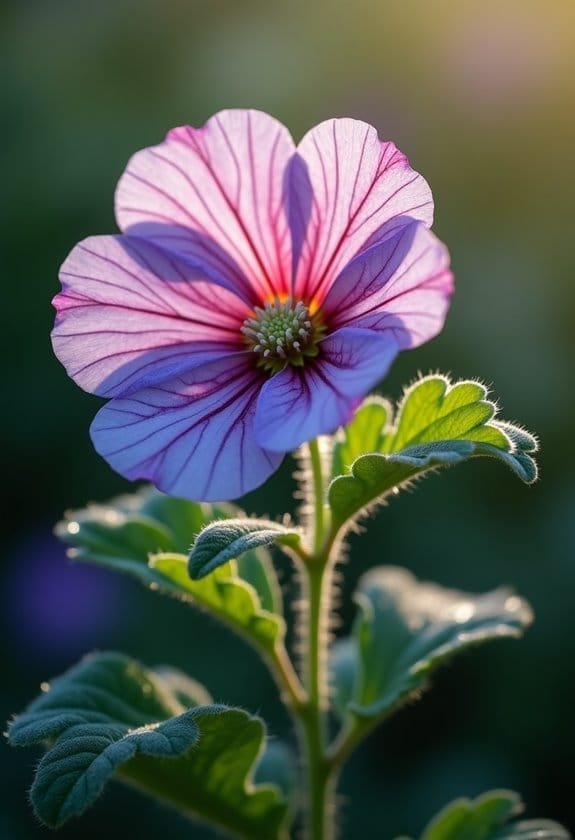
Hardy geraniums, or Cranesbill, encompass around 300 species and many cultivars, thriving in USDA hardiness zones 3 to 11. These resilient perennials are celebrated for their vibrant flowers, which bloom in shades of blue, pink, purple, and white. The plants feature deeply lobed or palmate leaves, adding essential texture and interest to garden landscapes.
Popular varieties, such as Geranium Rozanne and Geranium Brookside, are particularly appreciated for their long blooming periods, extending the floral display throughout various seasons, while also attracting beneficial wildlife, including butterflies, creating a lively ecosystem within the garden.
While some species may exhibit susceptibility to mildew, hardy geraniums are generally robust, displaying impressive resistance to common pests and diseases. This makes them a reliable, low-maintenance choice for gardeners aiming to enhance their outdoor spaces.
Once established, they exhibit drought tolerance, making them suitable for various settings, from colorful borders to effective ground covers.
Therefore, the cultivation of hardy geraniums offers both aesthetic beauty and practical benefits, establishing them as a favorable option for those seeking resilient plants that contribute to biodiversity and vibrant garden aesthetics.