Geum species, or avens, are vibrant perennial herbs belonging to the Rosaceae family, thriving in temperate regions across the globe. With over 50 species, they typically grow between 9 to 24 inches tall, boasting attractive divided leaves and striking five-petaled flowers in hues ranging from white to deep orange. These plants require well-drained, moist soil and prefer full sun to partial shade for ideal growth. Additionally, Geum species are crucial for pollinators, attracting bees and butterflies, thereby enhancing biodiversity. Regular care is essential, including moisture monitoring and annual division, ensuring these charming plants maintain their health and beauty. Discover more fascinating details about their ecological role and care.
Main Points
- Geum species, commonly known as Avens, belong to the Rosaceae family and include over 50 perennial herb species.
- They typically thrive in well-drained, moist soils with a preference for full sun to partial shade.
- Geum flowers are vibrant, available in various colors, and attract essential pollinators like bees and butterflies.
- Regular care, including watering, deadheading, and annual division, is crucial for maintaining healthy growth and flowering.
- Common pests include spider mites and root weevils, which require monitoring and management for optimal plant health.
Introduction
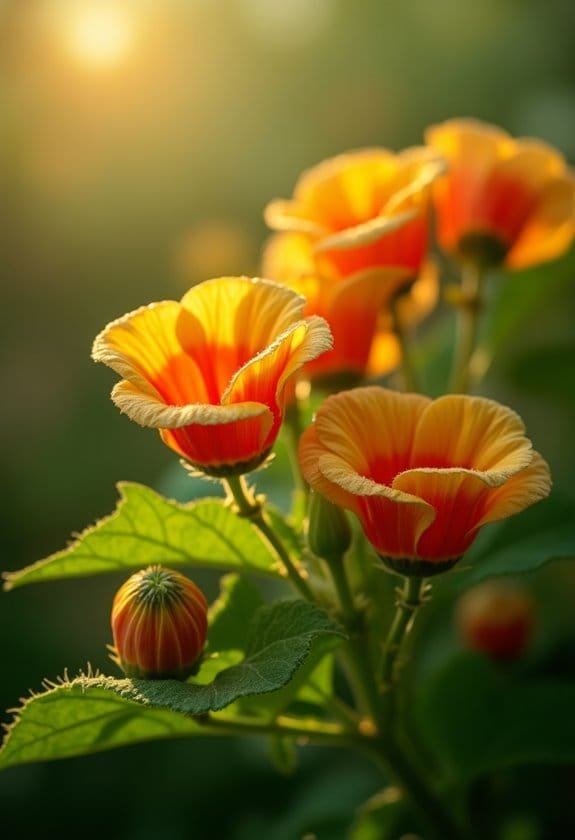
The Geum genus, known as Avens, comprises over 50 species of perennial herbs that enrich diverse landscapes across multiple continents.
With their striking divided leaves and vibrant, five-petaled flowers, these plants not only enhance garden aesthetics but also play an essential ecological role by attracting pollinators.
Understanding the scientific intricacies and environmental preferences of Geum varieties reveals their significance in gardening practices and ecosystem health.
Common Name
Known collectively as "Avens," the Geum genus consists of over 50 species of perennial herbaceous plants within the rose family. These remarkable plants flourish across various temperate regions, including Europe, Asia, North and South America, South Africa, and New Zealand. Their broad geographical distribution underscores their adaptability and popularity among gardeners.
Avens are easily identifiable by their attractive divided dark green leaves, which provide a lush backdrop to their small, vibrant flowers. Typically featuring five or more petals, these blossoms bring a burst of color to any landscape. Importantly, Geum species actively attract pollinators such as bees and butterflies, making them invaluable allies in promoting biodiversity in both cultivated gardens and natural ecosystems. Additionally, Common Yarrow, often paired with Avens, serves as a vital food source for pollinators, enhancing the overall ecological health of garden environments.
The name "Avens" originates from the Latin word "avena," a nod to their historical use in traditional herbal practices—though today, their primary value lies in their ornamental appeal. Additionally, certain Geum species, like Water Avens, are particularly noted for their ability to attract bumblebees and other pollinators, enhancing both garden aesthetics and ecological health.
The interplay of their aesthetic features and ecological benefits renders Avens a favored choice among horticulturists and nature enthusiasts alike, illustrating the profound interconnectedness of beauty, function, and environmental stewardship within the rose family.
Scientific Name
Geum species boast a rich scientific classification that highlights their distinct characteristics and relationships within the plant kingdom. The genus name "Geum" derives from the Greek word "geuo," meaning "to glean" or "to gather," which reflects the plants' historical significance in herbal practices.
As members of the Rosaceae family, commonly known as the rose family, Geum species share their lineage with a variety of ornamental plants and fruit-bearing species. With approximately 50 recognized species, these perennial herbaceous plants thrive primarily in temperate regions across North and South America, Europe, and Asia, contributing to diverse ecosystems.
For instance, Geum urbanum is notable for its traditional applications in herbal medicine, while Geum rivale captivates observers with its elegant nodding blossoms. Water Avens is distinguished not only by its beautiful flowers but also for its beneficial role in local ecosystems as a primary nectar source for pollinators.
These plants typically feature a range of habitats, including damp meadows and woodland edges, emphasizing their adaptability to various ecological conditions. The classification of Geum species forms an essential foundation for understanding their ecology, morphology, and potential uses, both in cultivation and in biodiversity conservation, signifying their importance in the natural world.
Overview
Plants belonging to the Geum genus, commonly known as Avens, play a significant role in various ecosystems and cultivation practices. With over 50 species thriving across temperate regions, including Europe, Asia, and the Americas, Geum exhibits remarkable adaptability.
Typically reaching heights of 9 to 18 inches, these perennial herbaceous plants feature mounding growth habits and attractive, divided dark green leaves. Geum species flourish in well-drained, moist soil under a cool climate, thriving in full sun to partial shade, though they can struggle in extreme southern heat and humidity.
Their long blooming periods, which commence in late spring, present vibrant displays of flowers in shades of yellow, red, white, and orange. After blooming, they often yield striking feathery seed heads, adding visual interest into the fall season.
Versatile in cultivation, Geum combines well with other plants, making it suitable for mass plantings, borders, and rock gardens. Additionally, these resilient perennials attract pollinators, providing essential resources for local ecosystems while also serving as effective ground cover after their impressive floral displays, showcasing nature's ability to blend beauty and functionality effortlessly.
Key Features
Geum species, commonly known as Avens, exhibit a mounding growth habit, typically reaching heights of 9 to 18 inches, making them ideal for garden borders and mass plantings.
Their striking appearance is characterized by attractive, divided dark green leaves and vibrant flowers, which bloom primarily in late spring and can feature an array of colors from white to orange.
This stunning display not only enhances aesthetic appeal but also serves to attract pollinators, showcasing the ecological significance of these resilient plants.
Growth Size
Typically, Geum species grow to heights between 9 and 24 inches, depending on the variety. This range reflects their rhizomatous perennial herbaceous nature, which allows them to spread robustly across gardens. For instance, varieties like Geum Alabama Slammer and Geum Blazing Sunset can achieve widths of 12-24 inches, making them ideal candidates for vibrant mass plantings or decorative borders.
The specific growth size can vary considerably among species, influenced by environmental factors such as sunlight exposure, moisture levels, and soil conditions. Many Geum varieties prefer full sun to partial shade, optimizing their growth potential. Remarkably, Geum Fire Storm typically grows to heights of 13-20 inches, while Geum Flames of Passion reaches around 12-18 inches, showcasing their versatility in diverse landscapes.
Moreover, their charming blooms, occurring from late spring to early fall, prolong the aesthetic appeal throughout the growing season.
Understanding their growth size not only aids in effective planning but also enriches the overall gardening experience, establishing a dynamic interplay between color, form, and ecological harmony.
Appearance
The vibrant appearance of Geum species captivates gardeners and passersby alike. These plants typically showcase attractive divided dark green leaves, which serve as a lush backdrop for their striking blooms. Ranging from 9 to 18 inches in height, Geum species often exhibit a mounding growth habit, enhancing their visual appeal in gardens and landscapes.
The flowers of Geum plants are typically around 1 inch in size and can be found in an array of colors, with orange flowers being particularly eye-catching. Depending on the species, the blooms may be single, double, or semi-double, and can present themselves in nodding or erect forms, creating a dynamic display as they sway gently in the breeze. White clover, known for its nitrogen-fixing capabilities, can add beneficial nutrients to the soil where Geum is planted.
Some Geum species even retain their foliage as evergreen, adding seasonal interest and contributing to year-round landscape aesthetics. After flowering, the fruit forms achenes, producing feathery seed heads that maintain visual intrigue long after the petals have faded. This enhanced biodiversity further demonstrates the ecological benefits of incorporating Geum into garden designs.
This combination of foliage and flower characteristics makes Geum an attractive choice for any garden, promising both beauty and resilience throughout various growing conditions.
Flowering Season
While many plants settle into a predictable flowering routine, Geum species stand out with their diverse blooming periods. Typically, these avens thrive in late spring to early summer, with their vibrant display occurring primarily between May and September. Curiously, certain species—such as Geum rivale—can begin their flowering season as early as April, showcasing the intriguing variety among cultivars.
The flowers of Geum species come in a delightful array of colors, including white, red, yellow, and orange, each attracting pollinators and enhancing the garden's visual appeal. Averaging around one inch in size, blooms can be found in single, double, or semi-double forms. As they mature, many shift from a nodding posture to an erect stance, creating a dynamic visual spectacle.
Moreover, gardeners can extend the flowering display by deadheading spent blooms, which encourages additional flowering throughout the growing season. This characteristic makes Geum a truly excellent addition to any garden, providing both beauty and extended appeal. Additionally, these plants contribute to the local ecosystem by supporting pollinators during their flowering period.
With their unique enthralling traits, Geum species evoke admiration and delight, enriching landscapes for all to enjoy.
Growing Requirements
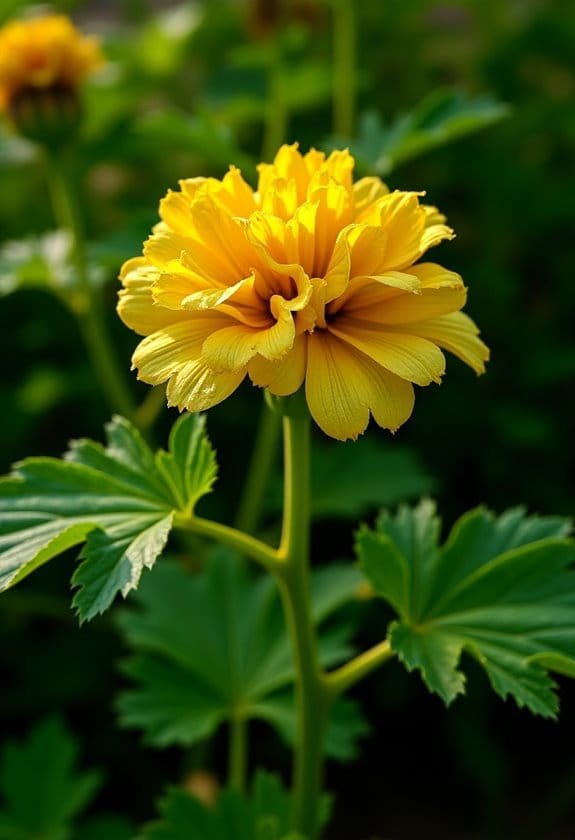
Geum species establish a robust presence in gardens when they're provided with the right growing conditions.
Thriving in well-drained soils with a neutral pH of 6.0 to 8.0, these plants flourish best in full sun to partial shade, particularly in cooler climates where consistent moisture guarantees vibrant blooms.
Understanding their specific requirements for light, soil, water, and temperature is essential for gardeners aiming to cultivate these exquisite perennials effectively.
Light
For ideal growth, Geum species flourish in full sun to partial shade, especially in cooler climates. These resilient plants prefer bright light, which greatly enhances their development, leading to vibrant and abundant blooms from late spring through summer.
However, gardeners should note that in southern regions characterized by intense heat and humidity, Geum may struggle, reducing their liveliness.
To thrive, Geum requires good drainage; these plants are sensitive to waterlogged conditions, particularly during the winter months when excessive moisture can lead to root rot.
Adequate airflow around the root zone is essential to prevent fungal diseases and maintain overall health.
In addition to proper light and drainage, regular deadheading is essential. By removing spent flowers, gardeners can encourage further blooming and promote robust plant vigor, ensuring a longer visual spectacle in the garden.
This simple act not only enhances the plant's aesthetic appeal but also contributes to sustained energy for future growth.
Ultimately, by providing the right balance of light exposure and care, gardeners can cultivate thriving Geum species that bring delightful colors and textures to their landscapes.
Soil
Healthy soil conditions play a significant role in the growth of Geum species, complementing their need for appropriate light. These vibrant perennials flourish best in moist, well-drained soils, where an ideal pH of 6.0 to 8.0 fosters robust growth and stunning flowering performance.
While Geum can tolerate drier conditions, they face a heightened risk of root rot if planted in excessively wet winter environments, underscoring the necessity of effective drainage.
Heavy clay soils and extreme heat can negatively impact the viability of Geum varieties, making the preparation of garden beds critical for their success. Regular monitoring of moisture levels is essential, as these plants prefer a consistent balance that prevents waterlogging, which might stunt their development.
Incorporating organic matter into the soil not only enhances its structure but also increases nutrient availability for Geum plants. This natural amendment acts like a sponge, promoting healthy root growth and overall resilience.
Water
In the pursuit of ideal growth, maintaining consistent moisture levels is vital for Geum species. These plants thrive in moist, well-drained soils that provide the right balance of hydration.
Excess water, however, can lead to detrimental root rot, particularly during winter when stagnant conditions present a heightened risk of mortality. While Geum species can endure periods of drought, peak growth occurs when soil moisture is carefully monitored and managed.
To guarantee healthy plants, growers should regularly water during dry spells, especially in hotter climates. This essential practice not only alleviates plant stress but also supports continuous blooming, enhancing the overall garden display. Additionally, ensuring strong roots allows for better water uptake and nutrient absorption, further promoting plant health.
The pH of the soil should remain neutral, ideally between 6.0 and 8.0, as this range greatly contributes to the plants' vigor and resilience. It is also important to note that moist, well-drained conditions are crucial for the successful cultivation of many herbaceous perennials, including Great Burnet.
Furthermore, proper drainage is indispensable during the wet winter months; stagnant water can severely compromise root health and induce decline.
Temperature
Achieving ideal growth for Geum species involves understanding their temperature preferences. These plants typically thrive in cool climates, favoring full sun to partial shade, which allows for moisture retention without the risk of waterlogging.
Geum species are known for being frost-hardy, demonstrating resilience against cold temperatures; however, they struggle in areas with extreme southern heat and humidity. Many species are similar in hardiness to Calluna vulgaris, which thrives in USDA zones 3-7, showcasing the versatility of hardiness among garden plants.
Optimal growth for Geum generally occurs within hardiness zones 5 to 9. In these zones, conditions remain favorable for achieving robust plants. Some varieties even exhibit adaptability to broader temperature ranges, enhancing their cultivation potential in varying climates.
Geum species prefer a neutral soil pH of 6.0 to 8.0 and well-drained soils, as poor drainage during winter can lead to root rot and subsequent mortality. They can also benefit from the careful management of their habitat, similar to how Celery-Leaved Buttercup requires consistent moisture and monitored growth conditions.
To maintain vigor, it's important to undertake regular division, a process best performed in early spring before the growing season commences. This practice not only rejuvenates plants but also encourages more lush growth, allowing the beauty of Geum species to flourish in gardens across compatible environments, ensuring a vibrant display of their charming flowers.
Pollinator Criteria
Geum species play a crucial role in supporting diverse pollinator populations, attracting various insects like bees, butterflies, and hoverflies with their vibrant blooms.
The flowers, which often exhibit a fascinating array of colors from white to deep red, cater to different pollinator preferences, enhancing their chances of effective pollination. Additionally, these plants provide nectar rewards that entice bees and other pollinators, further contributing to their role in ecosystem service.
Furthermore, the mounding growth habit of these plants creates a microhabitat that accommodates multiple species, fostering ecological interactions that are essential for sustaining healthy ecosystems. Additionally, their ability to thrive in meadow restoration projects enhances habitat quality for a variety of pollinators.
Attracted Pollinators
Bright and showy flowers make Geum species, commonly referred to as Avens, highly attractive to various pollinators like bees and butterflies. These plants serve as a valuable nectar source, drawing in these vital insects from late spring through early autumn.
The extended blooming period guarantees that pollinators have consistent access to resources, enhancing their chances of thriving while promoting biodiversity within garden ecosystems. Additionally, the features of these plants, such as large hairy leaves, can provide shelter for visiting insects.
Species such as Geum Blazing Sunset and Geum Fire Storm have been documented inviting not just bees and butterflies, but also beneficial insects that play a fundamental role in ecological harmony. These interactions foster an environment rich in diversity and support the overall health of the ecosystem.
Additionally, the feathery seedheads that form post-bloom provide visual interest and can offer sustenance to certain bird species during the fall and winter months. The nectar sources provided by these plants are crucial for pollinating insects, especially in early spring.
Planting Geum in mass displays or borders can create inviting habitats for these essential pollinators, effectively transforming ordinary garden spaces into vibrant sanctuaries.
This thoughtful approach not only enhances the aesthetic appeal but also markedly contributes to the ecological balance, demonstrating the interdependence of flowering plants and their pollinator partners.
Pollination Method
In gardens filled with Geum species, the vibrant flowers act as beacons for pollinators, primarily attracting bees and butterflies. These charming blooms have shallow structures and produce ample nectar, ensuring accessibility for various insect visitors. This alluring floral display isn't merely for aesthetics; it plays a vital role in the pollination process.
Geum species markedly rely on insect pollination, which enhances genetic diversity among plant populations. Cross-pollination, facilitated by enthusiastic pollinators, amplifies genetic variability, fostering resilience and vigor in the plant community. This genetic diversity promotes adaptability to changing environmental conditions, resulting in healthier ecosystems. Additionally, certain plants, like Large Thyme(Thymus Pulegioides), thrive on attracting pollinators with their nectar-rich flowers, which boosts their reproductive success.
Moreover, the presence of pollinator-friendly traits, such as bright colors and extended bloom periods, further enriches local biodiversity. By providing these food resources, Geum species not only support the health of their pollinator allies but also contribute to the stability of surrounding ecosystems. Additionally, similar to plants like Common Box, which require effective pollination methods for seed production, Geum species thrive in environments where interactions with pollinators are optimized.
As the delicate dance of pollination unfolds among these beautiful blooms, it intertwines the survival of both plants and pollinators, underscoring the importance of maintaining such vibrant habitats in our gardens. Consequently, the interdependence between Geum species and their pollinators exemplifies nature's intricate web of life.
Care & Maintenance
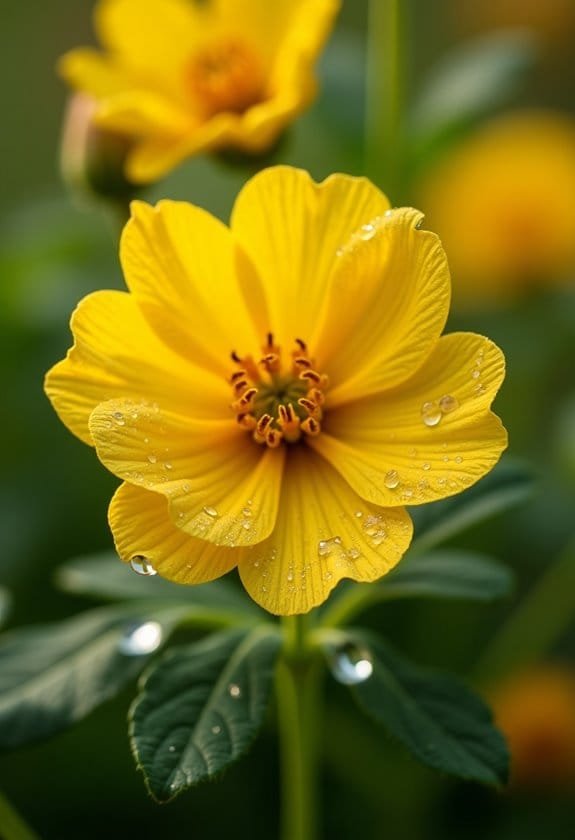
To guarantee the vibrant health of Geum species, proper care and maintenance are essential.
This includes effective planting techniques, diligent ongoing care practices, and the selection of compatible companion plants that can thrive alongside them.
Planting Tips
Geum plants thrive best in well-drained, moist soils enriched with organic matter, which fosters healthy growth and robust blooms.
Cultivating these beauties in well-drained soils guarantees that their roots remain healthy, as overly saturated conditions can lead to root rot during wet winters. Ideally, the soil should maintain a neutral pH between 6.0 and 8.0, promoting ideal nutrient absorption.
When planting Geum, positioning them in full sun is essential, particularly in cooler climates, while providing partial shade can suit warmer areas.
To maintain vigor, gardeners should divide Geum plants every few years, ideally during early spring, which allows for revitalization and prevents overcrowding. This process enables the roots to spread and access important nutrients unfettered, much like a thriving community seeking abundant resources.
Additionally, regular deadheading of spent flowers considerably encourages continuous blooming, enhancing the overall charm and aesthetic appeal of the garden.
Furthermore, maintaining an awareness of moisture levels is fundamental; Geum is sensitive to both drought and excessively wet conditions.
Consequently, careful monitoring will guarantee these vibrant plants flourish beautifully throughout the growing season.
Ongoing Care
After establishing a solid foundation with proper planting techniques, ongoing care requires attention to various maintenance practices. Geum species, commonly called Avens, thrive under consistent care, which begins with monitoring soil moisture levels.
While they can tolerate dry conditions, these plants flourish in moist, well-drained soils. Maintaining ideal moisture prevents root rot, a common threat in poorly drained environments.
Regular yearly division is essential for preserving vigor and promoting vibrant growth. Ideally performed in early spring, this practice rejuvenates the plants, particularly if flowering has diminished over the years.
Additionally, deadheading spent flowers not only prolongs the blooming cycle but also enhances aesthetic appeal with their remaining seed heads, contributing to the garden's visual allure.
However, vigilance is paramount, as Avens can suffer from pests such as spider mites or diseases like downy mildew. Implementing appropriate care measures, including timely interventions, guarantees these challenges are effectively managed.
Suggested Companions
What makes the selection of companion plants essential for the health and beauty of Geum species? Geum thrives alongside companions that prefer similar moisture and light conditions. Astilbe, heuchera, and ferns not only enhance the garden's aesthetic but also promote biodiversity. Additionally, incorporating plants like wild marjoram can improve the overall resilience of the garden due to its antimicrobial properties that benefit neighboring plants.
Regular deadheading of Geum flowers encourages prolonged blooming, aligning with other perennials, like coneflower, that can also benefit from this practice, thereby creating a vibrant tapestry of color.
Planting Geum in mass groupings with hardy companions like lavender or echinacea introduces contrasting colors and textures while attracting indispensable pollinators to the garden. Deep, infrequent irrigation is recommended to maximize drought tolerance, ensuring that both Geum and its companions thrive together.
To maximize the visual appeal, it's wise to group Geum species with lower-growing plants, such as creeping thyme or sedum, creating layered plantings that capitalize on their mounding growth habit, enhancing the dynamics of rock gardens.
Moreover, ensuring that companions are divided yearly, similar to Geum, maintains vigor and flowering performance, fostering a cohesive and well-maintained garden space.
This thoughtful arrangement not only supports individual plant health but also cultivates a harmonious environment, enriching every corner of the landscape with beauty and diversity.
Common Issues
Geum species face various challenges, including pests and diseases that can considerably affect their health and appearance.
Downy mildew and powdery mildew often thrive under specific humidity and moisture conditions, leading to unsightly foliage and potential decline; however, with vigilant monitoring and strategic watering practices, gardeners can mitigate these issues. In particular, powdery mildew prevention is crucial for maintaining the overall vigor of many flowering plants, including Geum species.
Additionally, pests like spider mites and root weevils can pose serious threats, but employing beneficial nematodes and ensuring adequate airflow can help safeguard these resilient plants. Furthermore, proper plant spacing is essential to ensure adequate airflow and reduce disease risk, contributing to the overall health of the garden ecosystem.
Pests/Diseases
Dealing with pests and diseases is essential for maintaining healthy Geum species. These plants can suffer from various ailments, particularly downy mildew, which typically flourishes in overly humid conditions. This fungal issue results in yellowing leaves and stunted growth, critical signals for gardeners to address promptly.
Additionally, fungal leaf spot may appear, manifesting as unsightly brown or black spots on leaves, leading to premature leaf drop and diminishing the plant's ornamental value.
In warm, dry conditions, powdery mildew can coat leaves and stems with a white, powdery substance. This disrupts photosynthesis, inhibiting the plant's ability to thrive.
Moreover, spider mites often infest Geum, causing stippling on leaves that can exacerbate leaf drop if left unchecked. Root weevils pose yet another threat, as their larvae feed on the roots, resulting in wilting and a significant decline in overall health.
To successfully cultivate Geum species, including those with shades of white in their blossoms, as seen in forms popular in New Zealand, gardeners must remain vigilant against these pests and diseases. Failure to do so can lead to harmful effects on plant health.
Solutions
Maintaining healthy Geum species requires proactive solutions to address common issues like pests, diseases, and cultural practices.
To begin with, proper planting techniques are essential; Geum thrives in well-drained soils, so incorporating appropriate soil amendments like compost can create the ideal environment, mitigating the risk of root rot during wet winters.
Regularly dividing the plants, ideally in early spring, revitalizes the root systems and prevents overcrowding, which can inhibit growth.
This rejuvenation also enhances blooming potential and improves overall vigor. To maximize floral display, deadheading spent flowers continuously encourages further blooming while deterring unwanted self-seeding, which could crowd the garden space.
Furthermore, pest control is paramount in sustaining plant health.
Monitoring for pests such as spider mites and diseases like downy mildew allows for early intervention, preventing significant damage.
If flowering diminishes after several years, lifting and dividing the plants can restore their lush appearance.
What are the similarities and differences between Geum species and Geranium species?
Geum species and Geranium species are both flowering plants, but they have distinct differences. Geum species, commonly known as avens, have more colorful, showy flowers and tend to be shorter in stature. On the other hand, types of geranium species (cranesbill) indepth have more delicate, dainty blooms and can be quite tall and sprawling in their growth habit.
Summary
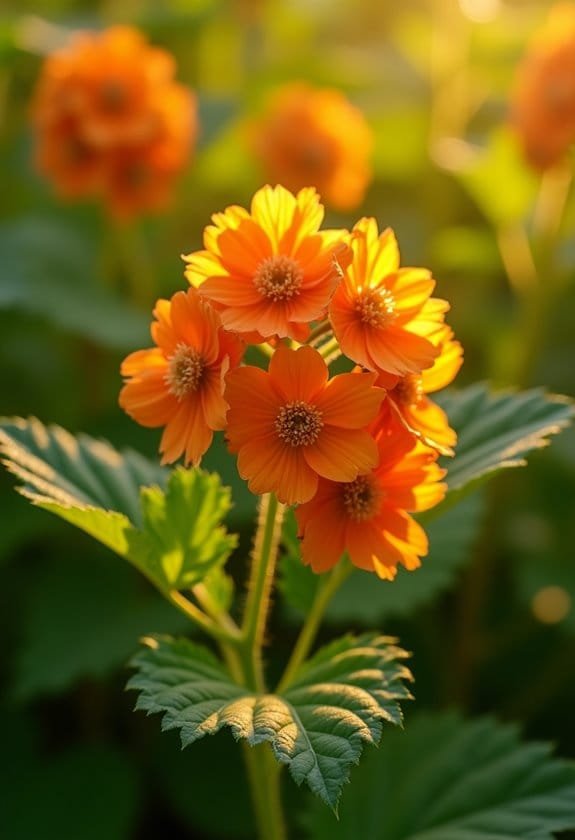
The beauty of the Geum genus, commonly known as Avens, lies in its diverse array of over 50 species, which captivate gardeners with their lush foliage and vibrant flowers. These herbaceous perennials, characterized by divided dark green leaves and bright blooms in hues of white, red, yellow, or orange, typically grace gardens from late spring through summer.
Their adaptability to various climates across Asia, Africa, Europe, and both North and South America emphasizes their cultural significance.
In the landscape, Geum species serve valuable functions, thriving in cool, moist, well-drained soils. With their rhizomatous growth habit, reaching heights of 9 to 18 inches, they shine as effective ground covers and are ideal for mass plantings, enhancing visual appeal and biodiversity.
Beyond aesthetics, the ecological benefits of Avens include attracting pollinators, thereby supporting local ecosystems.
To maintain their vigor, perennial gardeners should practice annual division and deadheading to promote extended blooming. Renowned varieties, such as Geum Alabama Slammer and Geum Blazing Sunset, exemplify the ornamental value of Avens, making them suitable for hardy garden zones 4-9, resulting in a harmonious blend of beauty and ecological integrity.