Malva alcea, or Greater Musk Mallow, is a perennial herbaceous plant notable for its impressive height, reaching up to 125 cm. This striking species, characterized by its lobed leaves and vibrant blossoms ranging from pale pink to white, attracts a variety of pollinators due to its extended blooming period from July to October. Thriving in well-drained, loamy soil under full sun, it requires regular deep watering and balanced nutrition for ideal growth. By supporting local pollinator populations and enhancing biodiversity, Greater Musk Mallow plays an essential ecological role, making it a worthy addition to gardens seeking beauty and sustainability. Further exploration reveals its many uses.
Main Points
- Greater Musk Mallow (Malva alcea) is a perennial plant with vibrant pink to white flowers, thriving in full sun and well-drained soil.
- It attracts diverse pollinators like bees and butterflies, enhancing local biodiversity and promoting cross-pollination.
- The plant grows 50 to 125 cm tall and features lobed leaves with a flowering period from July to October.
- Common issues include pests like aphids, fungal diseases, and root rot; proper spacing and monitoring help manage these problems.
- Historically, it has culinary and textile applications, and it pairs well with companions like asters and coneflowers in gardens.
Introduction
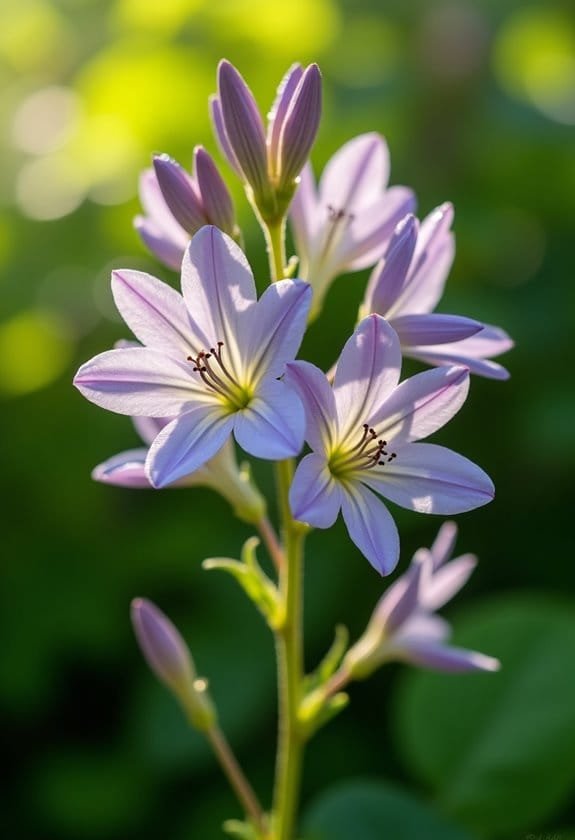
Malva alcea, widely recognized as Greater Musk Mallow, stands as a fascinating herbaceous perennial. With its strikingly lobed leaves and lovely pink flowers that grace summer gardens, this plant not only enhances aesthetics but also thrives in various environments across Europe and Asia. Understanding its growth habits and unique characteristics allows enthusiasts to appreciate its role in both horticulture and natural settings. Additionally, its ability to attract pollinators through its fragrant blooms makes it a valuable addition to gardens.
Common Name
As a popular garden favorite, the Greater Musk Mallow captures attention with its vibrant blooms and delightful fragrance. Known scientifically as Malva alcea, this herbaceous perennial stands out due to its impressive height, typically growing between 50 to 125 cm.
Its showy flowers, which range from soft pink to pristine white, bloom profusely from summer to early fall, creating a breathtaking display that draws the eye and pleases the senses.
Commonly called Musk-mallow, these flowers exude a sweet scent that enhances their appeal, making them a favored choice for ornamental gardens. The name "Greater" distinguishes this species from its smaller relatives, emphasizing its notable size and presence in diverse landscapes.
Native to Europe and parts of Asia, the Greater Musk Mallow has been widely cultivated and naturalized in regions like North America, where its resilience and adaptability allow it to thrive in various conditions.
Scientific Name
What's in a name? The scientific name *Malva alcea* encapsulates the essence of the Greater Musk-Mallow, a remarkable herbaceous perennial belonging to the Malvaceae family. Native to Europe and parts of Asia, this species stands out with its tall growth and distinctive lobed leaves, reaching heights of up to 1.2 meters.
Synonymous with *Malva fastigiata* and *Malva moschata*, the nomenclature reflects a rich relational tapestry among various mallow species, showcasing the plant's evolutionary connections.
The Greater Musk-Mallow is particularly noted for its eye-catching flowers, which bloom in shades ranging from bright pink to pure white. These blossoms appear either singly or in corymbose racemes, springing from the leaf axils during the sunny months of summer to early fall.
This adaptability allows *Malva alcea* to thrive in diverse habitats, often found in drier soils, thickets, and disturbed areas across temperate climates. Understanding the scientific name not only clarifies its biological identity but also emphasizes its ecological significance, inviting a deeper appreciation for the role of such a unique plant in our environment.
Overview
The Greater Musk Mallow, or *Malva alcea*, captivates gardeners and plant enthusiasts alike with its striking presence and resilient nature. This herbaceous perennial thrives in a variety of environments, typically growing between 50 and 125 cm tall, and is often seen gracing the drier soils of roadsides and waste areas across Europe and parts of Asia.
The plant's palmately lobed leaves, measuring 2 to 8 cm in length, present 5-7 blunt lobes adorned with a soft texture, enhancing its visual appeal.
During the summer to early fall, the Greater Musk Mallow flourishes with aesthetically pleasing pink or white flowers that bloom from leaf axils in corymbose racemes. These delicate blooms not only attract pollinators but also serve as a stunning addition to any garden.
After flowering, it produces a unique hairless disc-shaped schizocarp, measuring 4 to 8 mm in diameter, which houses several seeds.
The adaptability of Musk Mallows to diverse habitats, coupled with their visual allure, makes the Greater Musk Mallow (Malva) a cherished staple in ornamental horticulture.
Through its beauty and resilience, it enriches both garden landscapes and natural ecosystems.
Key Features
Malva alcea, or Greater Musk Mallow, showcases a remarkable range of features that contribute to its distinctive presence in various habitats.
Reaching heights of 50 to 125 cm, its erect stems adorned with stellate hairs give it an intriguing texture, while its palmately lobed leaves, measuring 2-8 cm across, guarantee it stands out among other flora.
During the summer and early fall, the plant bursts into life with bright pink to white flowers arranged in corymbose racemes, attracting an array of pollinators and creating a vibrant display in the landscape.
Growth Size
Standing between 50 to 125 cm (1.5 to 4 feet) tall, Malva alcea showcases its stature as a robust herbaceous perennial. This plant's growth size reflects various growth factors, including soil conditions and moisture availability, which contribute to height variations among individual specimens. In environments with ideal conditions, it's common to find Malva alcea reaching the upper limits of its height range, while poorer conditions may stunt growth considerably.
In size comparison to other perennial plants, Malva alcea could be considered moderately tall, creating a striking presence in gardens and natural habitats. Its upright, branching stems, adorned with stellate hairs, add to the aesthetic allure, enhancing its overall appeal.
The palmately lobed leaves, measuring between 2 to 8 cm, complement the plant's stature and function in capturing sunlight, essential for photosynthesis.
During the blooming period, which extends from summer to early fall, the height provides a splendid backdrop for the flowers that emerge in corymbose racemes. These blooms not only attract pollinators but also contribute to the plant's overall growth success, further emphasizing the interconnectedness of its features—all playing a crucial role in its development within various ecosystems. Additionally, like Red Clover, Malva alcea also provides essential resources for pollinator species, enhancing biodiversity in its habitat.
Appearance
One can easily recognize Malva alcea, often referred to as Greater Musk Mallow, by its striking features. This herbaceous perennial can reach impressive heights of 50 to 125 cm, creating a remarkable presence in gardens.
The leaf characteristics are particularly distinctive, showcasing palmately lobed leaves that range from 2 to 8 cm long. Each leaf typically exhibits 5 to 7 blunt lobes, contributing to a lush, green canopy that captures attention.
The flowers further enhance the plant's allure, appearing singly or in charming corymbose racemes from the leaf axils. Blooming primarily in shades of pale pink or white, these flowers add a soft touch to the landscape during summer and early fall. Each delicate blossom complements the overall aesthetics of the plant.
The stem features are just as fascinating. Covered in stellate hairs, the stems often branch out at their free ends, giving them a bushy appearance and adding to the plant's charm.
Flowering Season
During the flowering season, which typically spans from July to October, Greater Musk Mallow showcases a stunning display of blooms. This flowering time allows gardeners and nature enthusiasts to witness flowers appearing singly or in corymbose racemes, emerging vividly from the leaf axils. Each plant can produce hundreds of flowers, creating an extravagant visual spectacle that captivates viewers. Notably, like Common Yarrow, Greater Musk Mallow is also known for attracting essential pollinators such as bees and butterflies.
The bloom duration throughout summer and early fall not only brings aesthetic pleasure but also contributes considerably to the seasonal impact on local ecosystems. The flowers range in color from delicate pale pink to pristine white, with certain cultivars exhibiting strikingly vibrant hues that enchant onlookers.
This diverse color palette adds an exquisite dimension to garden landscapes, as it invites pollinators and supports biodiversity. Remarkably, despite being a perennial, Malva alcea establishes itself quickly, often blooming within its first year after sowing. This speedy growth offers immediate gratification for those seeking a flourishing garden. Additionally, its ability to attract pollinators like bees ensures a healthy garden ecosystem throughout the growing season.
To conclude, the Greater Musk Mallow's flowering season promises a rich, colorful display while playing a crucial role within the ecological landscape, enhancing both beauty and functionality.
Growing Requirements
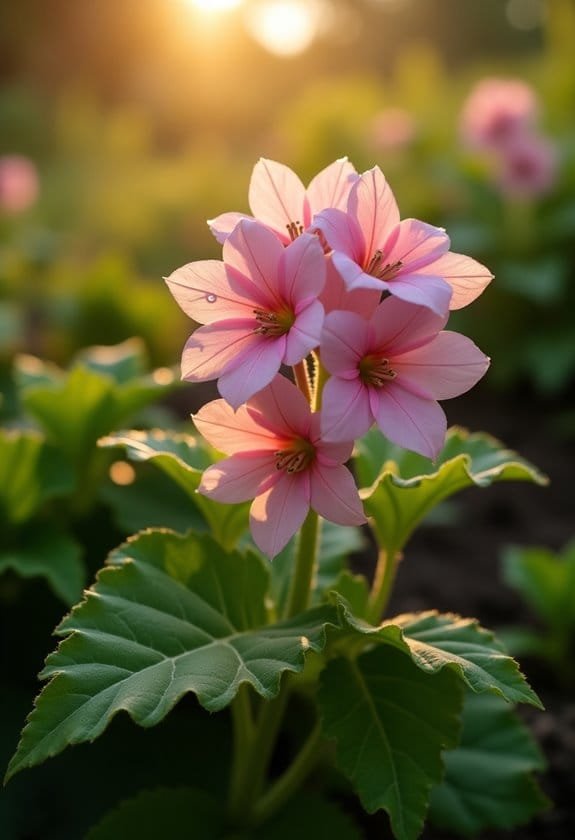
To guarantee the ideal growth of Malva alcea, understanding its growing requirements is essential.
This herbaceous perennial flourishes in well-drained, loamy soil and thrives when placed in semi-shade to full sun, which enhances flowering and overall liveliness.
In addition, it benefits from careful attention to spacing, with a recommended distance of 25 x 25 cm between plants to promote healthy air circulation, leading to a vibrant display of pink blooms throughout the growing season.
Light
Malva alcea flourishes best under the warm embrace of full sun to partial shade, making light exposure an essential factor for its growth. Ideally, this resilient plant requires at least six hours of direct sunlight each day to maximize blooming. The sunlight impact on Malva alcea's development is profound, as adequate light conditions enhance its vibrant flower color and overall health, guaranteeing a robust and visually striking display.
Though shade tolerance plays a role in its adaptability, excessive shading can compromise growth and flowering potential. While Malva alcea can endure some shaded environments, prolonged periods without sufficient sunlight lead to weaker plants and diminished floral output.
Thus, gardeners should aim for a balance, placing it in well-drained areas where it can receive the necessary sun exposure.
Moreover, appropriate light conditions not only foster the plant's health but also attract a diverse range of pollinators, enhancing the ecological benefits of Malva alcea in garden settings.
Soil
Pristine growth of Malva alcea hinges on well-drained, loamy soil that effectively prevents root rot and other moisture-related issues. While this resilient plant adapts to various soil types, it thrives best in moderately fertile environments where proper soil fertility management is practiced.
Implementing effective soil drainage techniques is crucial to prevent waterlogging, which can compromise root health and overall liveliness. The ideal soil pH for Greater Musk Mallow ranges from neutral to slightly acidic, around a pH of 6 to 7.
Regular soil pH testing allows gardeners to monitor acidity levels, ensuring excellent nutrient availability and promoting vigorous growth. A balanced feeding regimen, consisting of a light application of fertilizer during the growing season, further enhances the plant's vigor and encourages abundant flowering.
Incorporating organic matter, like compost, into the soil not only improves drainage but also enriches nutrient content, creating an optimal habitat for Malva alcea.
Water
During the growing season, a consistent watering schedule is vital for Malva alcea's health and blooming potential. This perennial plant thrives with moderate watering; it prefers well-drained soil and exhibits a remarkable ability for drought resistance.
While Malva alcea flourishes best with consistent moisture from spring to early fall, moisture management is important. During dry spells, regular watering techniques, such as deep soaking instead of surface watering, will maintain ideal soil moisture necessary for vibrant growth.
Overwatering, however, can lead to disastrous consequences, including root rot, which thrives in waterlogged conditions. To prevent this, gardeners should make certain that soil has excellent drainage capabilities, allowing excess water to escape while retaining just enough moisture for healthy growth.
Techniques such as adding organic matter or utilizing raised beds can improve drainage, thereby supporting the plant's overall vigor and resilience. Additionally, maintaining well-drained environments is crucial for preventing issues associated with excessive moisture accumulation.
Therefore, balancing these watering practices won't only nurture Malva alcea but also promote a robust blooming season, enhancing the landscape with its attractive flowers.
Temperature
Nestled within the range of 15°C to 25°C (59°F to 77°F), Malva alcea flourishes when temperatures fall within this sweet spot. Known for its remarkable climate adaptation, this plant can indeed receive and endure a variety of conditions.
However, it exhibits temperature sensitivity that greatly influences its growth and blooming capabilities. While cooler temperatures rarely threaten its survival, frost can hinder its vibrant flowering, causing a lack of blooms that detracts from its ornamental appeal.
For ideal conditions, the perfect soil temperature for germination hovers around 18°C (64°F). Seeds, sown 1 cm deep in well-drained, loamy soil, can efficiently take root under these parameters, establishing a robust foundation for the plant's development.
Malva alcea prefers full sun exposure but may tolerate partial shade during the fiercest hours of the day. This adaptability allows it to thrive in diverse environments, imbuing gardens with a touch of resilience.
Ultimately, understanding its temperature preferences and vulnerabilities provides cultivators with the knowledge necessary to nurture this exquisite mallow, ensuring a flourishing garden that stands the test of fluctuating climates.
Pollinator Criteria
Malva alcea captivates a myriad of pollinators, including bees and butterflies, thanks to its vibrant, 2-3 inch flowers that offer both nectar and pollen.
Its flowering period, stretching from July to October, aligns with the peak activity of these beneficial insects, creating a symbiotic relationship that enhances local biodiversity. Additionally, like the ox-eye daisy, Malva alcea supports pollinator diversity by providing essential resources, fostering a healthier ecosystem.
Attracted Pollinators
A striking array of pollinators, including bees and butterflies, flock to the vibrant flowers of Malva alcea. The rich pink and white hues, along with easily accessible nectar, attract these vital insects. During its blooming period from summer to early fall, Greater Musk Mallow synchronizes perfectly with the peak activity times of many pollinating species.
Organized in corymbose racemes, the flowers enhance visibility and provide numerous landing platforms, catering to pollinator preferences for abundant food sources. This plant's nectar and pollen resources notably contribute to pollinator diversity, bolstering the local ecosystem's health. Additionally, the plant's ability to attract various pollinators highlights its role in promoting biodiversity in ecosystems, which is crucial for environmental stability.
In addition to supporting individual pollinator species, Malva alcea plays an important role in enhancing ecological benefits across entire gardens. As pollinators visit, they facilitate cross-pollination, which not only promotes the reproductive success of the plant itself but also strengthens the resilience of surrounding flora.
This complex interaction showcases the intricate connections between Malva alcea and its visitors, illustrating how a single plant can serve as a cornerstone for both biodiversity and ecological stability within its habitat. Notably, similar to Guelder Rose, Malva alcea's blooming habits and nectar resources are critical for sustaining a range of pollinating insects.
Pollination Method
While pollinators are critical for the reproduction of many plants, Malva alcea exhibits specific adaptations that optimize its attraction to these indispensable insects. The vibrant pink or white hues of its flowers, paired with a delightful scent, draw in bees and butterflies, facilitating crucial plant pollinator interactions.
During the summer to early fall, these flowers bloom, providing a generous nectar source, which enhances pollination ecology by attracting multiple pollinators.
Malva alcea's flower structure, characterized by corymbose racemes, permits easy access for pollinators, allowing them to efficiently utilize effective pollen transfer techniques. As pollinators visit these blooms, they accidentally carry pollen from one flower to another, increasing genetic diversity, which ultimately contributes to ecological stability within their populations.
This intricate relationship between Malva alcea and its pollinators showcases how essential these insects are to plant reproduction. The secure bonds formed through repeated visits and pollen exchange demonstrate the subtleties of the plant pollinator interactions that shape the life cycles of flowering plants.
Understanding these dynamics not only highlights Malva alcea's unique reproductive strategies but underscores the broader significance of maintaining healthy ecosystems.
Care & Maintenance
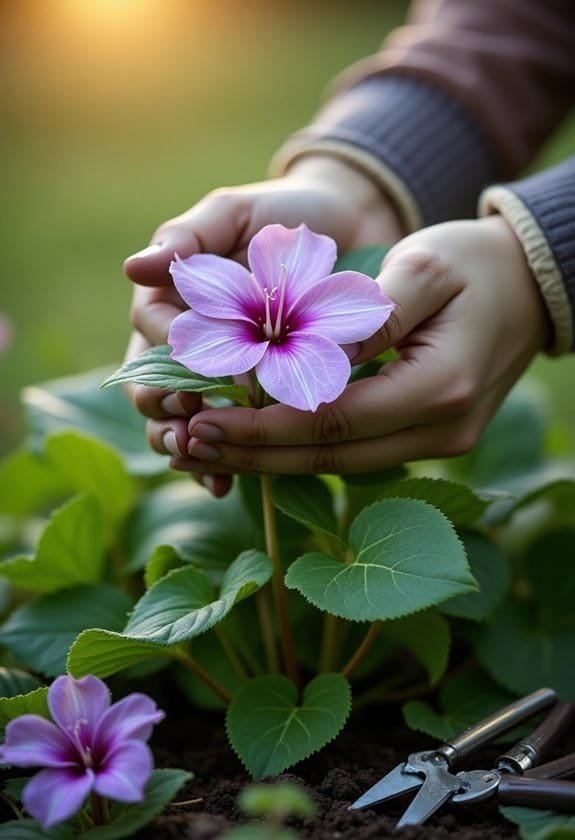
To achieve the best results when cultivating Greater Musk Mallow, proper planting tips and ongoing care are essential.
This plant thrives in well-drained, loamy soil and requires adequate spacing of 25 cm to guarantee ideal air circulation, thereby fostering robust growth.
Planting Tips
When it comes to planting Greater Musk Mallow (Malva alcea), choosing the right location and soil is essential for healthy growth. This beautiful herbaceous perennial thrives best in well-drained, loamy soil, ideally situated in areas that receive full sun to partial shade, allowing it to flourish.
Implementing proper planting strategies can notably enhance germination and development. Sowing seeds at a depth of about 1 cm during the ideal seasonal timing—between March and May—ensures a remarkable germination rate of around 90%.
In addition, following specific spacing guidelines is critical; plants should be spaced approximately 25 cm apart. This spacing facilitates adequate air circulation, reducing the risk of fungal diseases and promoting overall plant health.
To further enhance growth, watering moderately is essential to avoid waterlogging, as Greater Musk Mallow prefers moist yet well-drained conditions. Additionally, incorporating other plants like white clover can improve soil health through nitrogen fixation, benefiting the overall garden ecosystem.
Although the initial focus is on planting, deadheading spent blooms should be considered, as it encourages prolonged flowering from July to October, enhancing the plant's visual allure in garden settings.
Through careful adherence to these planting tips, enthusiasts can enjoy a flourishing display of Greater Musk Mallow.
Ongoing Care
As Greater Musk Mallow establishes itself, ongoing care remains vital for sustaining its health and vibrant blooms. This resilient plant thrives in well-drained, loamy soil while basking in full sun to partial shade. It requires a consistent watering schedule, making it essential to avoid waterlogged conditions that could jeopardize root integrity, leading to detrimental rot. Field Forget-Me-Not, for instance, also appreciates well-drained soils that promote healthy growth and prevent root issues.
Light feeding through fertilizer application improves flowering potential and fosters overall vigor, supporting the plant during its growing season. A balanced fertilizer, applied sparingly, can make a substantial difference in bloom quantity and quality.
Additionally, employing pruning techniques enhances the plant's shape and encourages robust growth. After flowering, it benefits from light pruning to maintain its elegant stature and promote fresh foliage. Regular deadheading of spent flowers is suggested to prolong its blooming period, coaxing new growth and flowers to emerge throughout the season.
With these focused care strategies, gardeners can guarantee that Malva alcea continues to captivate with its delightful blossoms, fostering a vibrant, flourishing display in their landscape. Dandelions, often considered weeds, can provide significant ecological contributions by supporting diverse pollinator populations.
Ultimately, integrating diligent care practices allows for a harmonious relationship between the gardener and this beautiful perennial.
Suggested Companions
Pairing Greater Musk Mallow (Malva alcea) with the right companion plants can elevate both the visual appeal and ecological health of a garden. By incorporating colorful pairings, such as asters and coneflowers, gardeners can enhance biodiversity while attracting a diverse array of pollinators. Heather (Calluna vulgaris) is an excellent companion due to its drought tolerance and ability to thrive in acidic soils.
These companions thrive in similar conditions, particularly when grown in well-drained, loamy soil and positioned in full sun to partial shade.
To optimize aesthetics and functionality, combining plants of varied heights, such as tall hollyhocks or shorter ground covers, works wonders in creating a structured layering effect that harmonizes with the upright growth of Malva alcea.
This thoughtful arrangement not only maximizes visual interest but also provides essential wildlife benefits, offering habitats for beneficial insects. Additionally, incorporating native species alongside Malva alcea can create competition against invasive plants like Creeping Buttercup, helping to maintain a balanced ecosystem.
Regular maintenance, including periodic deadheading of all plants, guarantees prolonged blooming throughout the season.
Additionally, mulching around these plants helps retain soil moisture and reduces competition for valuable nutrients, enhancing overall plant health.
By thoughtfully selecting companions, gardeners foster a vibrant ecosystem, enriching their gardens while nurturing the delicate balance of nature.
Such careful curation transforms any garden space into an inviting sanctuary for both people and wildlife alike.
Common Issues
Malva alcea faces several common challenges that affect its growth and overall health. Pests like aphids and spider mites often threaten the plant, necessitating vigilant monitoring to prevent infestations that can weaken its vigor.
Additionally, pitfalls such as root rot, driven by overwatering or inadequate soil drainage, underscore the importance of proper cultivation practices to guarantee this resilient species thrives in gardens and wild habitats alike. Incorporating companion planting can also enhance resilience against pests and promote healthier growth for Malva alcea.
Pests/Diseases
What challenges do gardeners face when cultivating Malva alcea? Among the most pressing are pests and diseases, which can greatly impact the plant's health and aesthetics.
Aphids often invade, causing leaf distortion and diminishing vigor, emphasizing the need for robust pest management strategies. During humid conditions, fungal diseases like powdery mildew flourish, appearing as a white, powdery coating that can weaken the plant's liveliness.
Moreover, Malva alcea is especially susceptible to root rot in areas where soils are overly wet or poorly drained, making it essential for gardeners to implement effective soil management practices.
Garden slugs and snails pose additional threats, particularly during wet weather, as they can leave unsightly damage on foliage, highlighting the importance of consistent monitoring.
To combat these common issues, gardeners should adopt integrated pest management approaches and disease prevention methods. Regular inspection, good air circulation, and proper plant spacing are important practices.
Additionally, choosing organic treatment options can provide a sustainable way to control both pests and diseases, ensuring the healthy growth of Malva alcea and contributing to a thriving garden ecosystem.
Solutions
Though gardeners face various challenges when cultivating Malva alcea, implementing effective solutions can greatly enhance the plant's health. To combat powdery mildew, gardeners should guarantee proper air circulation by spacing plants adequately, thereby preventing overcrowding, which diminishes airflow and promotes fungal growth.
Regularly inspecting for aphids and other pests is essential; applying insecticidal soap at the first sign of infestation can mitigate damage and preserve plant vibrancy. Additionally, ensuring the presence of pollinators like bees can enhance the overall robustness of the garden ecosystem.
Overwatering is another common issue, and to prevent root rot, planting in well-drained soil is critical. Allowing the surface to dry out between waterings fosters a healthy root system.
Seasonal care tips like deadheading spent blooms not only encourage prolonged flowering but also prevent unwanted self-seeding, which can clutter garden spaces.
Moreover, employing companion planting benefits can enhance the resilience of Malva alcea. Choosing companions that deter pests or attract beneficial insects strengthens the overall garden ecosystem.
Finally, planting in full sun to partial shade guarantees that Malva alcea receives adequate light for peak growth. Additionally, incorporating shrubs like Mahonia species can provide early-season nectar sources for pollinators, enriching the biodiversity of the garden. By integrating these strategies, gardeners will foster a thriving environment for this charming perennial, yielding spectacular results throughout its growing season.
Summary
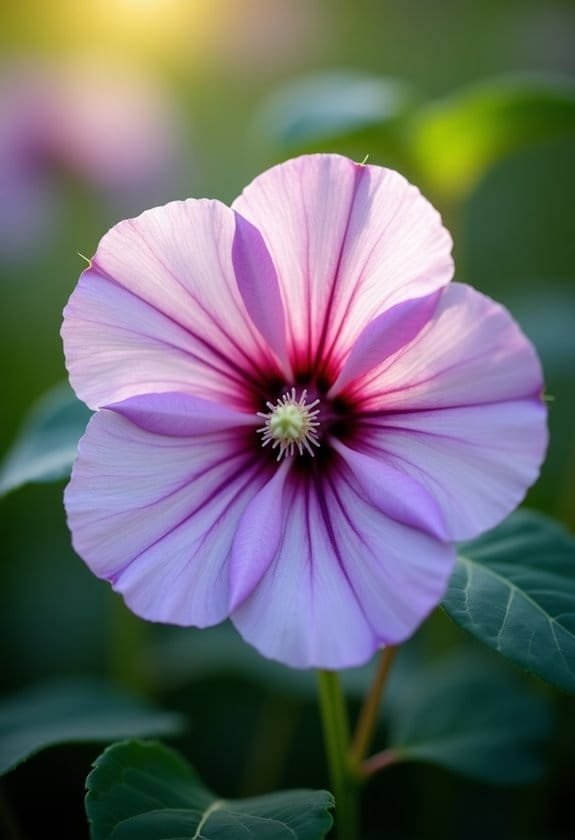
The Greater Musk Mallow, or Malva alcea, is a versatile herbaceous perennial renowned for its striking pink or white flowers and distinctive palmately lobed leaves. This plant typically grows between 50 to 125 cm tall and blooms from summer to early fall, attracting pollinators like bees and butterflies.
The Greater Musk Mallow thrives in well-drained soils and prefers conditions ranging from full sun to partial shade, commonly found in drier areas across Europe and parts of Asia.
Historically, Malva alcea has found diverse utility, serving in culinary applications, where its edible flowers and leaves enhance various dishes. The plant's leaves can be used in salads or teas, showcasing its adaptability in the kitchen.
In addition, its fibers have been traditionally employed in textile manufacturing, contributing to the production of rough fabrics, which underscores the plant's value beyond mere aesthetics.
With its ornamental appeal and ecological benefits, this perennial not only supports local biodiversity but also emphasizes the interconnectedness of nature, serving as a reminder of the enduring importance of rich plant heritage.
Consequently, the Greater Musk Mallow remains an invaluable resource in various domains, inviting exploration and appreciation.