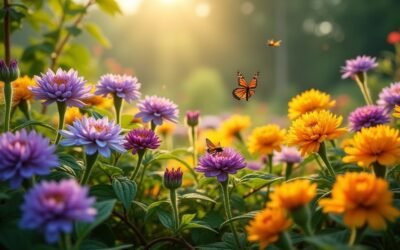
Calendula officinalis, or pot marigold, is a striking annual plant celebrated for its vibrant blooms and versatile uses. Standing between 12-24 inches tall, it exhibits stunning flower heads that measure 3-6 inches in diameter. Thriving in well-drained soils under full sunlight, this resilient species attracts pollinators, enhancing ecosystems particularly during low-floral periods. Known for its culinary role, the petals add a tangy flavor to dishes, while its medicinal properties effectively address inflammation and healing. Calendula's high pollen output supports biodiversity, making it an essential component of sustainable gardening practices. To uncover more intriguing aspects, one might continue exploring its many benefits.
Main Points
- Calendula officinalis, or pot marigold, is a vibrant flowering plant native to southern Europe, thriving in full sunlight and well-drained soils.
- Its edible petals add a tangy flavor to dishes and are often used in teas and as natural dyes.
- Renowned for its anti-inflammatory properties, Calendula is effective in treating skin issues and muscle spasms.
- The bright flowers attract beneficial insects and pollinators, enhancing local biodiversity and ecosystem health.
- Regular deadheading and inspections for pests are essential for maintaining optimal growth and vibrant blooms.
Introduction
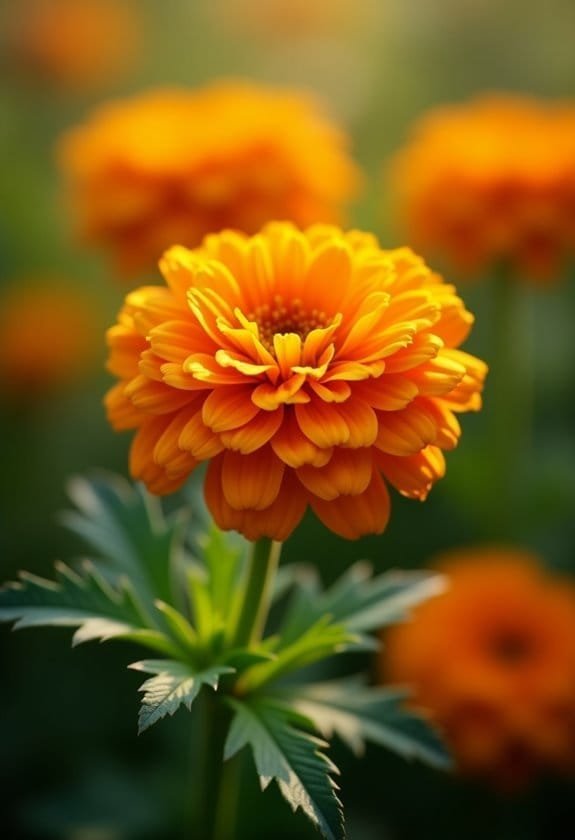
Calendula officinalis, commonly referred to as pot marigold, stands as a vibrant annual plant celebrated for its striking yellow, orange, or red flowers.
With heights reaching between 1 to 2 feet, this member of the Asteraceae family thrives in full sun and accessible garden environments.
Known for its culinary and medicinal uses, calendula's edible petals not only enhance dishes with their tangy flavor but also showcase significant anti-inflammatory properties, making it a versatile addition to both the garden and the kitchen.
Common Name
Known commonly as Calendula, this plant also goes by several other names, including pot marigold, garden marigold, gold bloom, and Mary bud. These common names reflect its rich history and varied uses across cultures. The epithets "pot marigold" and "Mary bud" particularly emphasize the plant's culinary applications and religious significance.
While its common name suggests a close relationship with traditional marigolds, particularly those from the genus Tagetes, Calendula officinalis is botanically distinct and belongs to a separate family. The bright, cheerful yellow and orange flowers aren't only a stunning addition to gardens but also enhance numerous culinary dishes, adding both flavor and visual appeal.
Calendula's important role in herbal practices throughout history is underscored by its recognition as "Herb of the Year" in 2008, highlighting its medicinal benefits.
This plant's flowers have been utilized in diverse traditional practices, illustrating the deep cultural connections humans have forged with nature. By understanding its common names, one appreciates the multifaceted significance of Calendula, reflecting its place in history, cuisine, and healing traditions across various societies.
Scientific Name
The scientific name of the common marigold is Calendula officinalis, a member of the Asteraceae family. This delightful plant thrives primarily in southern Europe and the Eastern Mediterranean region, where it showcases its vibrant yellow and orange flowers. Growing up to 80 cm (31 inches) high, Calendula officinalis blooms continuously until the first heavy frost, providing an enduring visual feast in gardens.
The epithet "officinalis" emphasizes its historical importance in herbal medicine, suggesting that it has been revered for its therapeutic properties across cultures. Unlike some marigold species, such as Tagetes, which are deemed non-edible, Calendula is recognized for its culinary safety, making it a versatile addition to various dishes and teas.
In the domain of botany, understanding the significance of scientific nomenclature enables clearer communication regarding species. The classification within the Asteraceae family also helps contextualize Calendula's role in ecosystems, where it attracts beneficial pollinators.
Consequently, Calendula officinalis not only enchants with its beauty but also contributes to culinary and medicinal traditions, underscoring its multifaceted value throughout history and contemporary practices.
Overview
Renowned for its vivid blooms, Calendula officinalis, or pot marigold, captivates gardeners and herbalists alike. This herbaceous perennial, native to southern Europe, showcases bright orange and yellow flowers that elevate any garden landscape.
Thriving in well-drained soils and basking in full sun, the pot marigold grows to impressive heights of 1 to 2 feet, with flower heads measuring between 3 to 6 inches in diameter.
Beyond its ornamental appeal, the flower petals of Calendula possess a slightly bitter and tangy flavor, making them an intriguing edible addition to salads and a natural dye for culinary creations.
Historically, this versatile plant has been revered for its medicinal properties, effectively treating skin conditions, alleviating muscle spasms, and serving as a potent anti-inflammatory agent.
Moreover, Calendula officinalis plays a vital role in promoting biodiversity, attracting butterflies and beneficial insects to lush gardens.
With the ability to reseed itself effortlessly, this perennial guarantees its radiant presence from season to season, beckoning both enthusiasts and newcomers to appreciate its multifaceted benefits.
Consequently, pot marigold remains a beloved staple of gardens and herbal medicine alike.
Key Features
Calendula officinalis, or pot marigold, showcases striking yellow to orange flowers that flourish brilliantly throughout its growing season, often resisting frost until the first heavy drop in temperature.
This vibrant annual typically reaches heights of 1 to 2 feet and produces hairy, sticky leaves that add to its aromatic allure, making it a favorite in gardens.
With its continuous blooming nature and adaptability to various soil conditions, Calendula's presence not only enhances visual appeal but also enriches culinary experiences with its edible, tangy petals.
Growth Size
While appreciating its vibrant beauty, one can't help but notice that Calendula officinalis typically grows between 1 to 2 feet in height and width, with most plants averaging 12-24 inches tall. This growth size enables the Common Marigold to thrive in both gardens and container settings, making it an ideal choice for various landscaping projects.
The plant possesses stout, angular stems that branch out, adorned with fine hairs and sticky, aromatic leaves. These leaves, oblong-lanceolate in shape, measure approximately 5-17 cm long, contributing to the overall aesthetic appeal of the plant.
In addition, the flower heads, often reaching 3-6 inches in diameter, radiate an array of vibrant colors, showcasing shades from golden yellow to deep burgundy.
Calendula officinalis is known for its remarkable ability to flourish in well-drained soils, ideally under full sunlight conditions. However, careful attention must be paid, as the plant may exhibit legginess if shaded excessively.
Its continuous blooming cycle produces daisy-like flowers measuring 2-3 inches, enchanting gardeners until the onset of frost. This delightful growth size, combined with its prolific blooms, underscores the charm of the Common Marigold in any horticultural endeavor.
Appearance
With its striking features, Calendula officinalis captivates the eye and enhances any garden space. Typically reaching heights of 1 to 2 feet, this bushy plant showcases angular, branched stems adorned with delicate fine hairs. The leaves, oblong-lanceolate in shape, range from 5 to 17 cm long, with their sticky texture and aromatic scent complementing their wavy edges.
The most notable aspect of Calendula, of course, lies in its vibrant flowers. These flower heads, measuring between 3 and 6 inches in diameter, present an array of enchanting hues including gold, yellow, orange, and shades of red or burgundy. Each blossom features bright yellow-orange petals, attributed to carotenoids, that not only catch the eye but can also impart a slightly bitter, tangy flavor when tasted.
The monoecious flowers, typically 2 to 3 inches wide, provide a continuous display of color from early spring until the first heavy frost. With such appealing aesthetics and robust presence, Calendula officinalis serves not just as an ornamental element but also as a sensory delight, inviting both admiration and engagement in the organic tapestry of any garden.
Flowering Season
The flowering season of Calendula officinalis brings an explosion of vibrant colors to gardens, lasting from early spring right up until the first heavy frost. During this period, the marigold showcases its characteristic flower heads, which are often bright shades of yellow, orange, or gold, measuring between 3 to 6 inches in diameter. These stunning blooms thrive best in full sun, soaking up sunlight to maximize their growth and vibrancy; however, they can tolerate partial shade, though this may lead to a leggy appearance.
To prolong the flowering season, gardeners should practice regular deadheading by removing spent blooms, which encourages the plant to produce new flowers instead of focusing energy on seed production. Notably, if planted in cooler conditions, Calendula can continue to thrive in the fall, further enhancing its appeal.
As temperatures drop, these resilient flowers often rebound after the summer heat, providing an extended season of colorful displays that enliven any landscape. Consequently, Calendula officinalis not only serves aesthetic purposes in gardens but also highlights the beauty of seasonal changes through its remarkable resilience and adaptability.
Growing Requirements
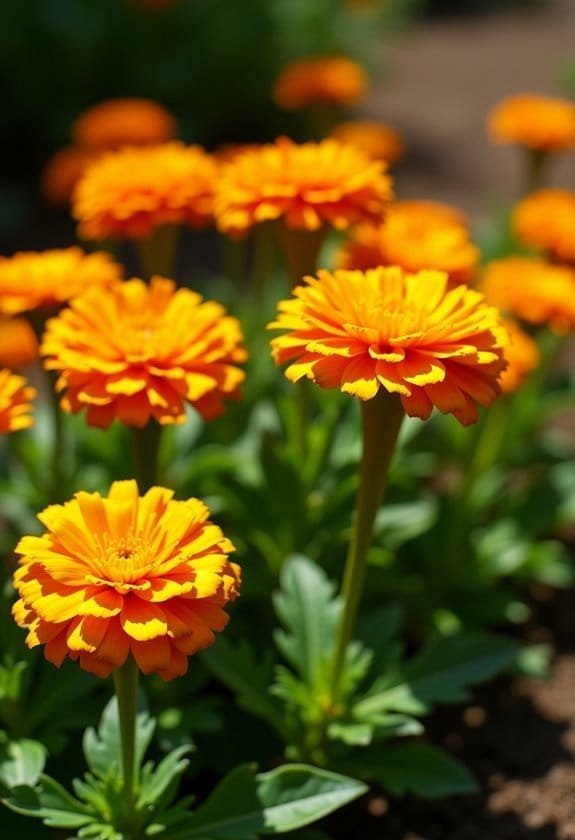
Calendula officinalis flourishes best in environments that offer full sun, where it can soak up light for ideal growth.
The plant requires well-drained, fertile soil to thrive, necessitating regular watering to maintain the moisture balance essential for its development.
Temperature also plays a vital role, as these vibrant flowers prefer moderate climates, reflecting their resilience and adaptability to various growing conditions.
Light
Thriving in full sun, Calendula officinalis requires at least six hours of direct sunlight each day to achieve prime growth and vibrant flowering. This native plant flourishes best in bright, sunny locations where its bright orange or yellow blooms can thrive.
While Calendula can tolerate some shade, it's important to recognize that excessive shading may lead to leggy growth, undermining its compact form and display.
Interestingly, Calendula officinalis is sensitive to heat, favoring cooler temperatures for peak health. During the peak summer months, high temperatures might cause the plant to wilt, which underscores the importance of providing it with favorable conditions.
To encourage bushy growth, pinching back the plants is beneficial, particularly in sunny environments, allowing for a more robust flowering display.
In their quest for sunlight, the plants thrive in well-drained soils, making them easy to grow for both novice and experienced gardeners. Similar to Common Skullcap, they typically enjoy success through direct sowing or by starting seeds indoors six to eight weeks prior to the last frost. With proper light conditions met, Calendula can transform any garden into a vibrant tableau of color and life.
Soil
Well-drained, fertile soil is fundamental for Calendula officinalis to flourish and display robust blooms. This flower thrives best in soil with a pH ranging from 6.0 to 8.0, which accommodates both acidic and alkaline conditions. Achieving this balance enables peak nutrient uptake, essential for healthy growth and vibrant flowering.
In temperate climates, where Calendula is commonly cultivated, regular amendment with organic matter enhances soil fertility, enriching it with important nutrients that promote vigorous blooming.
Prior to sowing, it's imperative to work the soil to a depth of 12-15 inches. This practice not only facilitates healthy root development but also guarantees that the plant can access sufficient moisture and nutrients.
While Calendula prefers full sun exposure, it demonstrates some resilience to partial shade; however, excessive shading may lead to leggy growth, compromising its structural integrity and visual appeal.
Water
Watering is a fundamental aspect of caring for Calendula officinalis, as the plant thrives best with moderate moisture levels. It prefers well-drained soil that retains some moisture without becoming waterlogged, striking a delicate balance essential for its health. During particularly hot or dry spells, the plant may require more frequent watering, so attentive monitoring becomes critical.
When watering, it's advisable to provide deep, infrequent irrigation to foster strong root development; this practice effectively encourages a robust foundation for the plant. Excess surface moisture, however, poses risks such as root rot and powdery mildew, making careful attention to soil moisture levels necessary. Consequently, gardeners must adjust their watering frequency based on observed conditions, ensuring they don't overwhelm the plant with water.
Tailoring watering practices not only supports healthy growth but also encourages a prolonged blooming period throughout the growing season, delighting the observer with vibrant flowers. Overall, cultivating Calendula officinalis demands a mindful approach to watering, understanding its unique needs, and maintaining ideal conditions that nurture both root systems and flowering potential.
Temperature
Maintaining ideal temperature conditions is essential for a healthy Calendula officinalis. This vibrant flower flourishes best in cooler temperatures, ideally between 60°F to 75°F (15°C to 24°C), making it particularly suited for planting in early spring and late fall.
While it does prefer full sun exposure, Calendula can tolerate partial shade; however, excessive shade may result in leggy growth, diminishing its aesthetic charm.
In hot summer weather, the susceptibility of Calendula to wilting becomes apparent, signaling the need for careful temperature management during warmer months. Furthermore, the plant exhibits remarkable resilience, surviving light frosts, which extends its growing season in temperate climates. This unique adaptation allows gardeners the flexibility to nurture Calendula through varied seasonal conditions.
Additionally, employing regular deadheading not only maintains visual appeal but also stimulates continuous blooming into the cooler months. As temperatures drop, the flowering may resume, bringing renewed vibrancy to autumn gardens.
Consequently, by understanding the temperature needs of Calendula officinalis, gardeners can cultivate a flourishing display of this cheerful blossom, ensuring its beauty and resilience throughout diverse climatic challenges.
Pollinator Criteria
Calendula officinalis serves as a vibrant beacon for a diverse array of pollinators, particularly bees and butterflies, which are drawn to its bright yellow and orange blooms.
The plant's intricate structure and abundant nectar offer an accessible refuge, fostering not only pollination efficiency but also contributing greatly to overall garden biodiversity. Additionally, the presence of abundant nectar helps to maximize pollinator visits, enhancing the plant's role in promoting ecological balance.
As these pollinators engage with calendula's long flowering season, their essential role in ecosystem health becomes increasingly apparent, highlighting the importance of such plants in sustainable gardening practices. Furthermore, enhancing pollinator habitats can reduce the impact of invasive plants like garlic mustard(Alliaria petiolata), which threaten native ecosystems.
Attracted Pollinators
The allure of bright yellow and orange flowers not only captivates the eyes of gardeners but also entices a diverse array of pollinators.
Calendula officinalis, commonly known as pot marigold, serves as a beacon for bees, butterflies, and hoverflies, promoting biodiversity within cultivated spaces. The vibrant hues of its flowers are striking, drawing these essential insects, while the plant's high nectar production provides an ample food source. Each flower head can generate significant quantities of pollen—an important nourishment for various pollinating insects. This makes Calendula an excellent choice for enhancing local biodiversity, ensuring a vibrant ecosystem.
Moreover, the presence of Calendula enriches the garden ecosystem, fostering local pollinator populations, especially during cooler months when floral diversity wanes. By integrating these marvelous blooms into gardens, cultivators not only enhance the aesthetic appeal but indirectly bolster the pollination process of surrounding crops and flowers.
This symbiotic relationship holds the potential to increase agricultural yields, supporting ecosystem health and sustainability. Consequently, Calendula officinalis acts as a fundamental link in maintaining ecological balance, ensuring that pollinators continue to thrive and contribute to the intricate web of life that sustains both the garden and the broader environment. Additionally, similar to white clover, Calendula also plays a vital role in attracting essential pollinators, ensuring a diverse and thriving ecosystem.
Pollination Method
Attracting a variety of pollinators, Calendula officinalis employs a combination of visual and structural features that aid in effective pollination. Its bright yellow and orange flowers serve as compelling visual cues, enticing bees and other beneficial insects to forage. The large, open flower heads grant these pollinators easy access to nectar and pollen, facilitating efficient and successful pollination.
Calendula's flowers possess both immature and mature reproductive parts, allowing for self-pollination if necessary. However, cross-pollination typically boosts genetic diversity, which is vital for the resilience of the species. Pollinators enhance not only the reproductive success of Calendula but also contribute to higher seed production and improved quality, impacting subsequent generations in a meaningful way.
Encouraging a diverse range of pollinators in the garden not only enhances the effectiveness of Calendula's pollination process but also fosters a more robust garden ecosystem. Such biodiversity invites numerous species, ensuring that genetic exchange thrives within populations.
Ultimately, the intricate relationship between Calendula officinalis and its pollinators illustrates the importance of these partnerships in promoting healthy, vibrant plant communities, sustaining life across environments.
Care & Maintenance
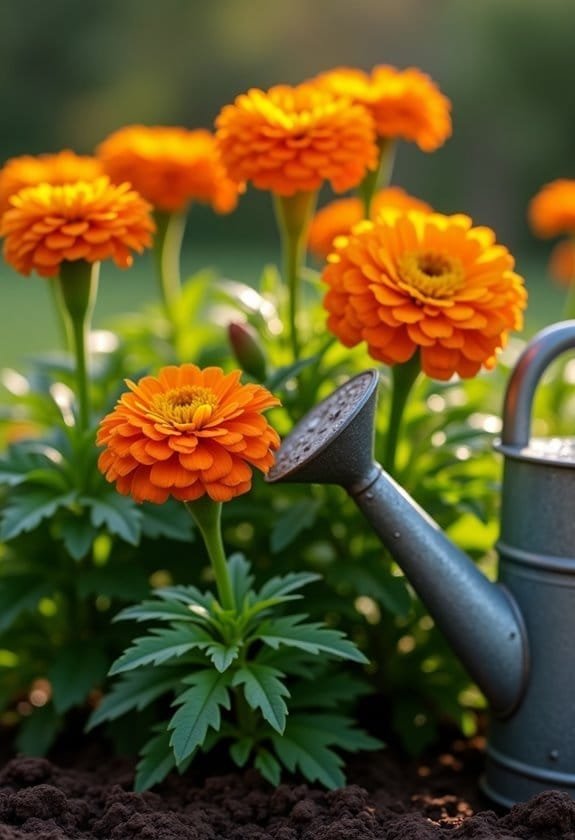
Calendula officinalis requires thoughtful care and maintenance to flourish beautifully in the garden.
With its preference for well-drained soil and abundant sunlight, selecting the right location is essential; ensuring regular deadheading and watering during hot months not only enhances blooming but also counters wilting.
In addition, supporting healthy growth through companion planting can create a vibrant ecosystem, protecting the calendula from pests while enriching its environment.
Planting Tips
For successful planting of Calendula officinalis, choosing the right conditions is essential. This hardy annual flourishes in well-drained soil, ideally with a pH ranging from 6.0 to 8.0. Full sun exposure is preferred, though partial shade will suffice, especially in hotter climates.
To maximize blooming, gardeners should consider starting seeds indoors six to eight weeks prior to the last frost date, which allows for earlier and more abundant flowers.
Once the threat of frost has passed, sow seeds directly into the garden at a depth of ¼ to ½ inch. It's vital to regularly check soil moisture, as Calendula requires moderate watering; the soil should remain moist but free from waterlogging, as the plant is sensitive to both drought and overly wet conditions.
Encouraging a bushier appearance is achieved through pinching back the tips of the plants, which promotes robust growth. Additionally, deadheading spent flowers will stimulate continued blooming throughout the growing season, ensuring a vibrant display.
Ongoing Care
To maintain a vibrant display of Calendula officinalis throughout the growing season, ongoing care is vital. Regularly deadheading the flowers encourages continuous blooming by preventing seed formation, thereby greatly enhancing their longevity. This simple practice allows the plant to focus energy on producing new blooms instead of exhausting resources on seed production.
In addition, pinching back the plant's tips promotes bushier growth and cultivates a more abundant flower display, particularly during early development.
As the season progresses, vigilance against pests like aphids and whiteflies becomes essential. Managing powdery mildew through good air circulation and avoiding overhead watering in humid conditions will further protect these delicate flowers.
Watering Calendula moderately is fundamental; allowing the soil to dry out between waterings helps combat susceptibility to heat stress and drought during exceptionally hot phases.
When fall approaches, consider cutting back the plants. This rejuvenating action can stimulate new growth in cooler temperatures, as Calendula thrives in the coolness of early spring and late fall, inviting the potential for a brilliant display of flowers season after season.
Suggested Companions
When planning a vegetable garden, incorporating Calendula officinalis as a companion plant can greatly enhance its health and productivity. This vibrant flower attracts beneficial insects, such as hoverflies and ladybugs, which contribute considerably to pest control. Remarkably, pairing Calendula with tomatoes is particularly effective; the marigold not only repels nematodes but also improves soil health, ultimately benefiting overall plant vitality. In addition, moisture-rich environments also support the growth of both Calendula and other companion plants, promoting a thriving garden ecosystem.
Combining Calendula with beans and carrots fosters a micro-ecosystem that increases pollinator activity, which is essential for enhancing crop yields. The bushy growth habit of Calendula provides visual appeal, forming attractive borders while simultaneously drawing predatory insects that manage pest populations effectively. Regular deadheading of Calendula flowers is important—this practice not only prolongs the blooming period but also promotes a diverse habitat for beneficial insects, creating a thriving garden ecosystem.
Furthermore, the presence of these flowers can act as a trap crop for unwanted pests like aphids and whiteflies, further safeguarding nearby plants. Consequently, integrating Calendula into your vegetable garden design offers both aesthetic and functional advantages, leading to a more productive and harmonious growing environment. Additionally, planting companion species such as Common Yarrow can further enhance pollinator attraction and soil stability in the garden.
Common Issues
Calendula officinalis faces a range of common issues that can hinder its growth and flowering potential.
Vulnerabilities such as powdery mildew in humid conditions and pests like aphids and snails require vigilant monitoring and timely intervention to protect the plants.
Pests/Diseases
Many gardeners encounter common issues with Calendula officinalis, especially pests and diseases that can threaten its health. This vibrant plant often faces an array of challenges, primarily from pests such as aphids, slugs, snails, and whiteflies. These organisms can sap the plant's vigor, leading to diminished growth and reduced floral displays.
Additionally, Calendula is vulnerable to diseases like powdery mildew, which thrives in humid conditions and appears as a white, powdery coating on leaves and stems. Left unchecked, this fungal issue can envelop the entire plant, compromising its overall liveliness.
Cucumber mosaic disease is another concern, causing stunted growth, distorted leaves, and fewer blossoms. Such diseases often arise in environments lacking proper air circulation or overwatering conditions.
Regular inspection and diligent care, including appropriate watering practices and spacious planting arrangements, can greatly mitigate the impact of these pests and diseases, fostering a stronger plant.
Despite these adversities, Calendula's innate ability to reseed itself enables it to endure and flourish in gardens, making it a resilient choice for both ornamental and culinary applications.
Solutions
To tackle the common issues faced by Calendula officinalis, gardeners can implement several effective strategies. Monitoring for pests like slugs, snails, aphids, and whiteflies is essential; regularly inspecting plants keeps these nuisances at bay. Creating a healthy garden environment by reducing excess moisture and promoting beneficial insects drastically aids in pest control.
Additionally, powdery mildew, a prevalent fungal disease, can be thwarted by ensuring good air circulation around the plants. Moreover, deadheading spent blooms not only encourages continuous flowering but also prevents the plant's energy from diverting into seed production, fostering vibrant growth.
For those seeking a bushier appearance, pinching back the stems proves advantageous, enhancing both aesthetics and flower quantity. Proper hydration and well-drained soil are crucial, as Calendula officinalis is especially susceptible to the stress of heat and drought.
By addressing these common challenges, gardeners can cultivate a flourishing patch of marigolds, which aren't only appreciated for their stunning blooms but are also cherished as a medicinal herb, often used as a garnish to enhance culinary dishes.
Ultimately, these solutions safeguard the integrity and beauty of this remarkable plant.
What Are the Benefits of Planting Common Marigold and Thrift Together in a Garden?
Planting common marigold and thrift together in a garden can provide a number of benefits. Common marigold acts as a natural pest deterrent, protecting the armeria maritima plant care from harmful insects. Additionally, thrift’s low-growing, compact nature can complement the taller, bushier marigold, creating a visually appealing and diverse garden space.
Summary
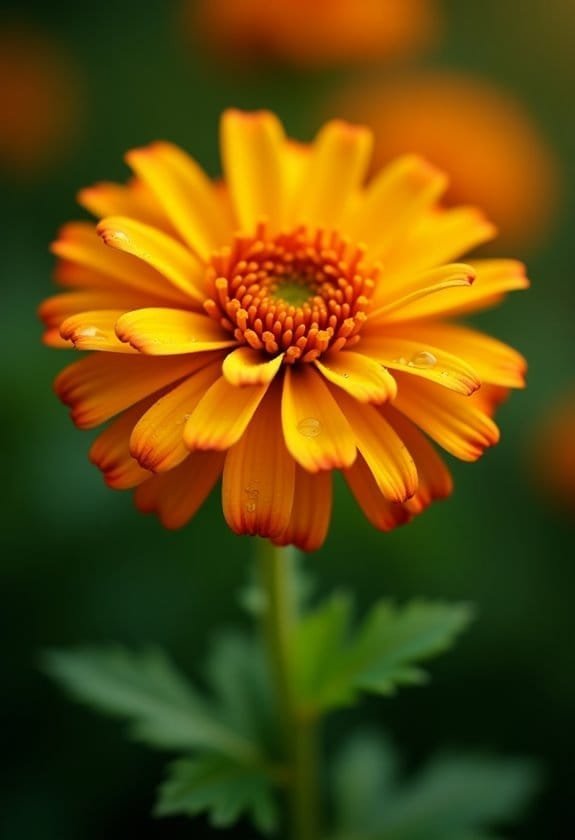
The pot marigold, scientifically known as Calendula officinalis, is an annual plant recognized for its impressive height of 1 to 2 feet and striking daisy-like flowers that come in vibrant shades of gold, yellow, and orange.
This herb flourishes in well-drained soil under full sun, although it can tolerate some shade, making it a versatile addition to many gardens.
Culinary enthusiasts often use Calendula's edible flowers, appreciated for their slightly bitter, tangy flavor, in salads and teas.
Beyond its gastronomic appeal, this remarkable plant holds medicinal value, frequently employed in treating various skin conditions and inflammatory ailments, further emphasizing its dual role in human health.
Despite its benefits, Calendula isn't without challenges; it's susceptible to pests such as aphids and whiteflies, and diseases including powdery mildew, necessitating regular inspection and care to guarantee healthy growth.
With a historical significance that includes its recognition as the "Herb of the Year" in 2008 and its frequent use in religious ceremonies to honor the Virgin Mary, Calendula officinalis embodies a rich blend of beauty, utility, and cultural heritage, highlighting its enduring relevance in both gardens and kitchens worldwide.