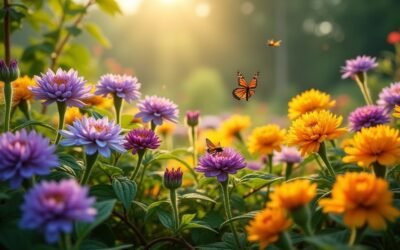
*Campanula latifolia*, or Giant Bellflower, captivates with its striking stature, reaching heights of 60 to 120 cm and displaying large bell-shaped flowers that span 35 to 60 mm in vibrant hues, from pale blue to deep violet. This perennial, native to Europe and parts of Asia, flourishes in well-draining soil, thriving in full sun to partial shade, and typically blooms from June to September. Its ecological role is essential, as it attracts pollinators like bees and butterflies while supporting local biodiversity. With passive care requirements, this resilient plant promises continual beauty in gardens, making continued exploration rewarding.
Main Points
- Giant Bellflower (*Campanula latifolia*) features large, bell-shaped flowers in pale blue to deep violet, blooming from June to September.
- This perennial plant thrives in well-draining soil, prefers moderate temperatures, and can grow in full sun to partial shade.
- It attracts pollinators like bees and butterflies, enhancing local ecosystem health and biodiversity.
- Campanula latifolia is low-maintenance and drought-resistant once established, making it suitable for sustainable gardening.
- Companion plants include foxgloves and hostas, which share similar light and moisture conditions for optimal growth.
Introduction
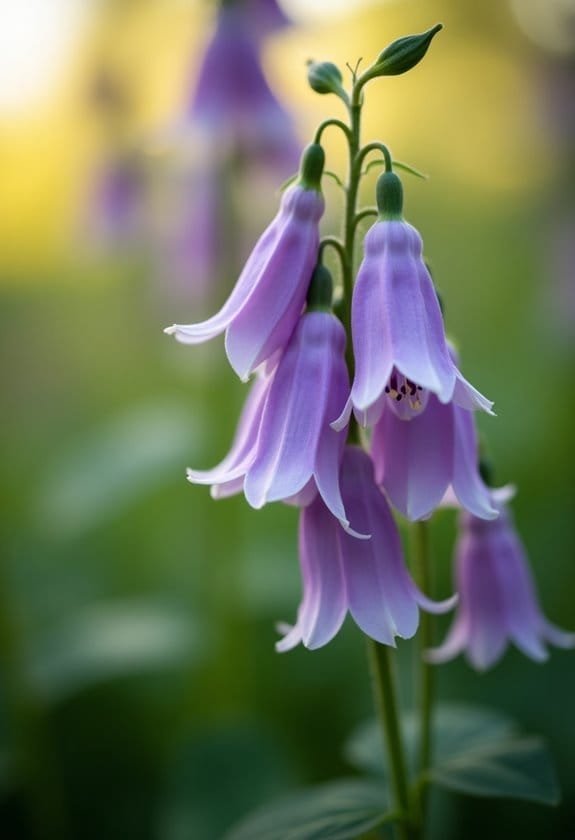
Campanula latifolia, widely recognized as the Giant Bellflower, stands as an impressive perennial herbaceous plant, reaching heights between 60 to 120 centimeters.
With its striking blue or purple tubular flowers, it not only captures the eye but also plays a crucial role in local ecosystems, providing nourishment for various pollinators.
As it flourishes in broad-leaved woodlands and parklands, this resilient species showcases the harmony of flora with its environment, highlighting the interconnectedness of biodiversity.
Common Name
The common name of Giant Bellflower highlights the impressive size and distinctive shape of this plant's blossoms. Known scientifically as Campanula latifolia, this large campanula features stunning, bell-shaped flowers that can vary in color from pale blue to deep violet. Frequently, gardeners and botanists may refer to it as Canterbury Bells, linking its enchanting appearance to folklore and tradition across Europe.
This plant's stature is notable, as it can grow upright, reaching heights of up to 120 centimeters, or 6 feet, making it a striking presence in any garden. Additionally, the Giant Bellflower is commonly referred to as Wide-leaved Bellflower, which indicates its broad, ovate foliage that enhances its visual appeal.
Its vibrant blossoms attract a variety of pollinators, adding life and movement to gardens. Belonging to the family Campanulaceae, this ornamental plant has captured the hearts of many gardeners, thriving in various environments and providing a burst of color. The fascinating beauty and substantial size of the Giant Bellflower make it an ideal choice for those looking to create stunning landscapes or enhance their floral displays.
Scientific Name
What defines the enchanting nature of the Giant Bellflower? Scientifically known as *Campanula latifolia*, this remarkable plant belongs to the Campanulaceae family. Characterized by its distinctive bell-shaped flowers, which bloom in colors ranging from delicate pale blue to rich deep violet, *Campanula latifolia* captivates observers across its native habitats in Europe and parts of Asia.
It often thrives in diverse environments, including broad-leaved woodlands, meadows, and forest margins, where it flourishes in the company of other flora.
Reaching impressive heights of up to 120 centimeters, or approximately 47 inches, the Giant Bellflower commands attention in any landscape. Its flowering period, spanning from June to September, guarantees that it remains a vibrant and prominent presence throughout the summer months.
During this time, the plant attracts pollinators, contributing to the ecosystem's health and significance. The scientific classification of *Campanula latifolia* not only reflects its biological relationships but also invites appreciation for its ecological roles.
As a striking perennial, it embodies the allure and intricacies of the natural world, illustrating the beauty found in scientific nomenclature and biodiversity.
Overview
In summer's embrace, *Campanula latifolia*, or Giant Bellflower, captivates with its striking presence in gardens and natural landscapes alike. This perennial herbaceous plant, native to Europe and western Asia, reaches heights between 60 to 120 cm (24 to 47 in).
Thriving in broad-leaved woodlands, parklands, and along forest margins, it adapts well to partial to full shade, often enhancing its surroundings with large, tubular blue or purple bell-shaped flowers, measuring 35 to 60 mm (1.4 to 2.4 in) long. The plant's growth is further supported by its preference for well-draining soil, which is crucial for healthy development.
Historically, the Giant Bellflower has been celebrated in traditional herbal medicine for its diverse medicinal uses, which include soothing coughs and aiding digestion. Its ecological importance lies in attracting various pollinators, particularly bees, signaling its role in sustaining local ecosystems.
This species can self-seed and spread via rhizomes, allowing for its naturalization in suitable environments once established. With the ability to flourish in disturbed areas, *Campanula latifolia* showcases resilience and adaptability, enchanting gardeners and ecologists alike. Additionally, it shares pollinator relationships with various bee species, enhancing biodiversity in its habitat.
This impressive plant not only beautifies landscapes but also contributes to biodiversity, making it a valuable asset in both horticultural and natural settings.
Key Features
Campanula latifolia impresses with its robust height, reaching up to 120 cm (47 inches), and its striking stems that stand unbranched and slightly pubescent.
Its large, bell-shaped flowers, adorned in shades spanning from pale blue to deep violet, create a fascinating spectacle during the peak blooming period from June to August.
Significantly, the basal leaves, characterized by their broadly ovate shape and distinctive cordate base, enhance the plant's visual charm, making it a splendid addition to diverse garden settings.
Growth Size
Reaching impressive heights of 60 to 120 cm (24 to 47 in), Giant Bellflower showcases a robust, erect, unbranched stem that can extend up to 1 meter tall. This distinctive growth pattern allows the plant to stand out in gardens and natural landscapes.
Height variations within the species often depend on specific environmental conditions, including soil quality and moisture levels during its growth phase.
Seasonal influences play a significant role in the overall height of Campanula latifolia, as adequate sunlight and rainfall during the growing season can enhance its vigorous development.
The plant typically forms clumps, a growth habit that contributes to its structural stability and resilience against drought once it's become established.
As it matures, the plant's basal leaves are broad and ovate, with a characteristic cordate base, further supporting its thriving growth.
Understanding these growth dynamics not only enhances appreciation for the Giant Bellflower but also aids gardeners and horticulturists in creating ideal conditions for flourishing.
Ultimately, recognizing these key features can guide one in appreciating this hardy perennial's beauty and adaptability within various environments.
Appearance
Giant Bellflower boasts several key features that make it an attractive addition to any garden. Standing proudly at heights ranging from 60 to 120 cm (24 to 47 in), this perennial displays a single, erect, unbranched stem cloaked in gentle pubescence.
Its large, lance-shaped leaves provide a striking contrast with their deep green hue, characterized by a rough leaf texture that adds an intriguing tactile element to its appearance. The leaves are broadly ovate, possessing a distinctive cordate base at the stalk, which enhances their visual interest.
The flower shape of Campanula latifolia is typically bell-like, measuring between 35 to 60 mm (1.4 to 2.4 in) long, and they often appear in graceful clusters.
These enchanting flowers exhibit enchanting color variations, shifting from pale blue to rich violet, creating a delightful spectacle that draws the eye. Their unique morphology differentiates them from related species, allowing gardeners to enjoy a truly majestic floral display.
Combined with its impressive stature and textured foliage, the Giant Bellflower becomes a must-have for those seeking to infuse elegance into their landscape.
Flowering Season
The flowering season of the Giant Bellflower, known for its stunning blooms, typically spans from June to September, with peak flowering occurring from June through August. During this time, the plant showcases bell-shaped flowers measuring between 35 and 60 mm (1.4 to 2.4 inches) in length.
These blossoms, which appear in enchanting shades from pale blue to deep violet, create a visually striking display that attracts a myriad of pollinators, including bees and butterflies, thereby considerably enhancing local biodiversity.
The flowering duration is primarily influenced by environmental conditions, allowing for peak bloom frequency when adequately maintained. Gardeners can improve the longevity of blooms through effective deadheading, which promotes additional flower production and encourages new growth.
This seasonal impact not only enriches the garden aesthetically but also benefits surrounding ecosystems by providing essential resources to various pollinators throughout the blooming period.
In essence, the Giant Bellflower's flowering season serves as a proof of nature's artistry, mesmerizing observers while playing an invaluable role in sustaining ecological balance.
Consequently, this remarkable plant offers both beauty and function, enriching gardens and natural landscapes alike.
Growing Requirements
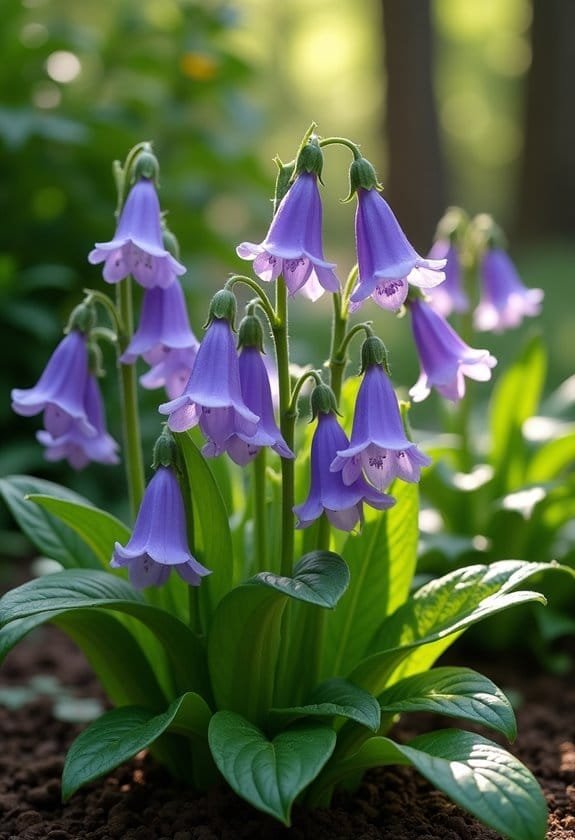
Campanula latifolia flourishes in well-drained soil and thrives under full sun to partial shade, showcasing its remarkable adaptability in various garden environments.
This perennial plant exhibits a preference for moderate temperatures, which can guarantee ideal growth and flowering.
With its minimal water requirements once established, Campanula latifolia is a practical choice for those seeking low-maintenance yet visually appealing additions to their landscapes. Additionally, it can benefit from acidic soil conditions similar to those required by heather, enhancing its growth potential in shared environments.
Light
During the growing season, Campanula latifolia flourishes in a range of light conditions, from full sun to partial shade. This adaptability showcases its shade tolerance, allowing it to thrive in various garden environments.
However, ideal conditions for vibrant growth and prolific flowering occur in areas that receive ample sunlight. The sunlight impact on this perennial is profound; when exposed to direct sunlight, Campanula latifolia reaches its full aesthetic potential, producing striking blooms from June to September. The flowers of Campanula latifolia, like those of the English daisy, exhibit heliotropic behavior, which enhances their ability to capture sunlight.
The plant's resilience is notable; once established, it becomes drought-resistant, needing minimal maintenance and infrequent watering. While it can manage in shaded environments, the richness and abundance of its flowers tend to diminish without sufficient light.
A well-placed campanula in an area that captures maximum sun won't only enhance the visual appeal of any garden but also encourage healthy, thriving growth. Additionally, it's worth noting that many flowering plants, including Campanula latifolia, can cohabitate successfully with species like common tufted vetch that enhance soil fertility through nitrogen fixation.
As it endures various soil types, this enchanting species thrives best in environments that combine both favorable light exposure and well-drained soil, ensuring robust health and a lively display throughout the blooming season.
Therefore, gardeners should consider this plant's light needs to enjoy its striking beauty fully.
Soil
For ideal growth, Campanula latifolia demands well-drained soil that supports moisture without becoming waterlogged, as excess water can cause root rot.
This perennial exhibits remarkable adaptability, thriving in various soil compositions, including clay and sandy environments. However, the ideal soil pH for Campanula latifolia ranges from slightly acidic to neutral, typically between 6.0 and 7.0.
This pH level promotes optimal nutrient absorption, fostering robust development and vibrant blooms.
Incorporating soil amendments, such as organic matter or compost, regularly enhances soil fertility, creating a nurturing environment for the Giant Bellflower.
Such amendments improve soil structure and enhance moisture retention, which is particularly beneficial during dry conditions.
While the plant demonstrates drought resistance once established, a consistent level of soil moisture is essential to support effective flowering.
During prolonged dry spells, maintaining adequate moisture levels becomes imperative to encourage new blooms and vigorous growth.
Thus, gardeners who create the right soil conditions—prioritizing drainage and nutrient content—set the stage for a flourishing display of Campanula latifolia, showcasing its striking beauty in any landscape.
Water
Adequate water management is essential for the healthy growth of Campanula latifolia. This plant flourishes in moist but well-drained soil, necessitating a careful balance to prevent waterlogging. During its initial growth phase, regular watering promotes robust root development, adhering to a watering frequency guide that suggests monitoring soil moisture levels closely.
Once established, Campanula latifolia exhibits a commendable drought resistance, requiring minimal watering, particularly in dry spells. Interestingly, its adaptability mirrors that of the Water Avens, which thrives in similarly moisture-rich environments.
Employing water conservation strategies, such as mulching, can effectively enhance moisture retention, thereby reducing the need for frequent irrigation. These moisture retention techniques not only stabilize soil temperature but also minimize evaporation, which is critical in maintaining the plant's health.
It's important to avoid overwatering, as excessive moisture can lead to root rot, a condition detrimental to the plant's vigor.
Furthermore, planting in partial to full shade can create a microenvironment that aids in moisture conservation. By enhancing soil structure and promoting drainage, gardeners can achieve a harmonious blend of hydration and aeration—two foundational elements ensuring the thriving growth of Campanula latifolia. Chicory, like Campanula latifolia, also benefits from suitable moisture conditions which support overall health and growth vigor.
Through diligent water management and strategic planting, one can cultivate a vibrant, resilient garden.
Temperature
Temperature plays a significant role in the successful cultivation of Campanula latifolia. This magnificent plant thrives in temperate climate zones, particularly in USDA hardiness zone 5, where it can withstand minimum temperatures as low as -20°F (-29°C). Its temperature tolerance allows it to flourish even with seasonal variations, adapting gracefully to different conditions throughout the year.
While Campanula latifolia prefers well-drained soil and enjoys environments ranging from partial to full shade, it can also tolerate some sun exposure. This flexibility enhances its resilience, particularly once established. Moreover, the plant exhibits remarkable drought resistance, making it suitable for regions experiencing varying moisture levels.
During its vibrant flowering period from June to September, Campanula latifolia benefits from consistent moisture, which is essential for achieving peak bloom quality.
Although it's adaptable to a variety of soil types, including clay and sandy conditions, adequate drainage remains vital for healthy root development. Consequently, understanding temperature and climate requirements allows gardeners to cultivate this stunning bellflower successfully, ensuring it thrives amid diverse environmental factors with stunning beauty.
Pollinator Criteria
Campanula latifolia, known for its stunning bell-shaped flowers, draws a variety of pollinators, particularly bees and butterflies, from June to September.
These blossoms, ranging from pale blue to deep violet, are ingeniously shaped to facilitate efficient nectar extraction, guiding pollinators directly to their sustenance. The extended flowering period not only enhances its pollinator attraction but also supports local ecosystem health, similar to other plants like Vipers Bugloss. Additionally, the drought resistance of Campanula latifolia allows it to thrive in various conditions, making it an excellent choice for pollinator gardens.
Attracted Pollinators
Numerous pollinators are drawn to Campanula latifolia due to its vibrant, bell-shaped flowers that provide ample nectar and pollen. This plant's flowering period, from June to September, coincides with the peak activity times of various pollinators, specifically bees and butterflies, which exhibit specific flower preferences that align perfectly with the characteristics of the Giant Bellflower.
The large, tubular flowers accommodate these pollinators' feeding habits, promoting effective foraging and enhancing pollinator behavior. Additionally, the presence of Campanula latifolia in gardens markedly boosts local pollinator populations, creating a reliable food source essential to their survival. This increase in biodiversity highlights the habitat importance of campanula in fostering healthy ecosystems, where both plants and pollinators thrive in symbiotic relationships. Furthermore, the adaptability of wild strawberry, a related species, illustrates how nutrient-rich soil can significantly influence plant health and pollinator attraction.
As pollinators visit these flowers, they contribute to the fundamental processes of plant reproduction and seed dispersal, demonstrating the interconnectedness of life within local habitats. By incorporating Campanula latifolia into their gardens, gardeners can effectively support critical pollinator species, while simultaneously promoting sustainable gardening practices that benefit the environment.
Consequently, Campanula latifolia not only serves aesthetic purposes but also plays a vital role in ecological balance. Moreover, the flowers of Campanula latifolia attract essential pollinators, which parallels the role of white clover in supporting local ecosystems.
Pollination Method
The effective pollination of Campanula latifolia hinges on its ability to attract specific pollinators. With its striking tubular, bell-shaped flowers showcasing vibrant hues from pale blue to deep violet, this plant captivates bees and butterflies, enhancing their foraging experience. The bloom period from June to September coincides with the peak activity of these pollinators, presenting an excellent opportunity for interaction. Additionally, many plants, such as Buxus sempervirens, provide essential shelter and resources to these pollinators throughout the year.
While Campanula latifolia employs self pollination strategies to guarantee reproductive success, the advantages of cross pollination are pronounced. Cross pollination increases genetic diversity, leading to healthier offspring and improved resilience against environmental changes. This plant utilizes various pollination mechanisms, including gravity assistance from its pendulous flowers, allowing nectar access to visiting insects while promoting the transfer of pollen between blossoms.
As these pollinators collect nectar, they unwittingly contribute to a reciprocal relationship—enhancing the plant's reproductive potential while nourishing themselves. Furthermore, the presence of plants like Water Plantain, which attract pollinators like bees and butterflies, can improve the pollination success of nearby species, including Campanula latifolia.
Ultimately, the Giant Bellflower's role within its ecosystem is vital, as it not only sustains local wildlife but also fosters biodiversity, making it an invaluable asset in ecological gardening. By understanding the intricate dynamics of its pollination method, gardeners can appreciate its ecological significance even more.
Care & Maintenance
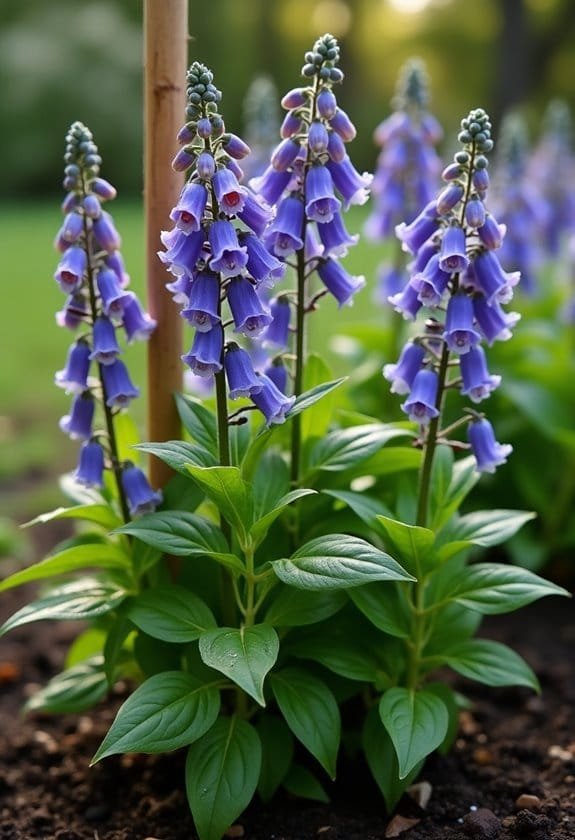
Understanding the care and maintenance of Campanula latifolia is essential for fostering a thriving garden.
Proper planting techniques, ongoing care routines, and selecting suitable companions can greatly enhance the plant's growth and blooming potential.
Planting Tips
For gardeners looking to cultivate Campanula latifolia, selecting the right location and conditions is key to its successful growth. This perennial thrives in a range of growing conditions, including well-drained soils that may vary from clay to sandy textures. Additionally, it can adapt to various light environments, enabling it to flourish in different garden settings.
Ideally, positioning the plants in full sun to partial shade greatly enhances their vigor and flowering potential.
When planting, verify adequate plant spacing—approximately 12 to 18 inches apart—to allow for their expansive growth and to facilitate air circulation.
To support seasonal maintenance, regular watering is essential during the initial establishment phase, especially during dry spells, although these plants become drought-resistant once acclimatized.
To prolong the blooming period, gardeners should routinely deadhead spent flowers, promoting new growth and maintaining a vibrant display from June to September.
Propagation of Campanula latifolia is achievable through spring or fall division or by allowing the plants to self-seed in suitable environments.
Although it's generally resistant to pests, vigilant monitoring for signs of potential fungal diseases remains important. Sanicula europaea, often found in similar environments, highlights the importance of moist, nutrient-rich loam soil for optimal growth and health.
With these planting tips, gardeners can cultivate a stunning showcase of blooms that can flourish with minimal effort.
Ongoing Care
After establishing Campanula latifolia with proper planting techniques, ongoing care will guarantee the plants remain healthy and vibrant. This resilient perennial thrives in well-drained soil, requiring minimal maintenance once established.
During dry spells, participants should note routine watering is essential to support peak growth. Incorporating fertilization tips can enhance liveliness; applying a balanced, slow-release fertilizer in early spring promotes lush foliage and prolific blooms.
As the growing season progresses, employing efficient pruning techniques, such as deadheading spent blooms, fosters prolonged flowering and encourages new growth, enriching the plant's aesthetic appeal. Additionally, ensuring consistent soil moisture mirrors the requirements of other moisture-loving perennials, enhancing the overall health of neighboring plants.
Seasonal adjustments play a significant role in sustaining health. Regular monitoring for fungal diseases, despite their general resistance, ascertains that plants remain vigorous and aesthetically pleasing. Additionally, Common Cowslip's role in attracting pollinators strengthens local biodiversity when planted alongside other perennials.
Furthermore, propagation through division can be performed during spring or fall, maintaining plant vigor while promoting a fuller appearance in garden settings.
Finally, once established, these giant bellflowers exhibit drought resistance, making them an ideal choice for low-maintenance, water-conserving gardens, allowing gardeners to enjoy their enchanting beauty with minimal effort.
Suggested Companions
Several plants enhance the beauty and health of Campanula latifolia when grown together in a garden. Ideal plant combinations include foxgloves (Digitalis spp.) and hostas, as they thrive under similar conditions of partial to full shade. These companions not only complement each other but also create stunning seasonal blooms that elevate garden aesthetics.
To promote a vibrant display of colors, regular deadheading of Campanula latifolia is essential. This practice encourages continuous flowering and pairs beautifully with astilbe or bleeding heart (Lamprocapnos spectabilis), fostering a prolonged visual feast.
Soil amendments rich in organic matter greatly improve drainage and nutrient availability for both Campanula latifolia and its companions, ensuring a lush environment.
Consideration of height is important; due to its tall stature, Campanula latifolia might overshadow shorter plants. Consequently, pairing it with daylilies (Hemerocallis) or utilizing varying heights creates a balanced composition.
Additionally, a layer of mulch nurtures moisture retention and weed suppression while regulating soil temperature, creating an overall healthier setting for all plants involved. Together, these strategies not only boost the liveliness of Campanula latifolia but also enrich the entire garden ecosystem. Creeping thistle's extensive root system can challenge the growth of other plants, so maintaining a diverse garden with competitive companions is vital.
Common Issues
Campanula latifolia can encounter various challenges that hinder its growth and flowering.
Remarkably susceptible to fungal diseases in moist conditions, the plant's health can diminish considerably without proper drainage.
Additionally, pests such as aphids may occasionally appear, although their impact tends to be minor and manageable through natural methods, ensuring the plant remains vibrant and flourishing in gardens.
Pests/Diseases
Resilience is a key trait of Campanula latifolia, as it typically withstands most garden pests with ease. This distinctive bellflower stands as a low-maintenance choice for many gardeners.
However, it does face challenges, particularly from fungal diseases. Situations of excessive moisture or poor air circulation can foster conditions ideal for various fungal pathogens, resulting in unsightly leaf spots. These fungi proliferate in humid environments, threatening the plant's health.
Moreover, slugs and snails may present additional concerns, especially in wet conditions when they tend to munch on the delicate foliage, leading to noticeable damage.
To combat these challenges, effective pest management strategies are essential. Gardeners can prioritize fungal prevention by ensuring that plants are well spaced, allowing for adequate air flow—a simple yet effective method for reducing disease incidence.
Incorporating foliage protection techniques can also deter these mollusks, safeguarding the plants from their voracious appetites. By observing these considerations, gardeners can considerably minimize the risk of infestations and diseases, fostering a healthier environment for Campanula latifolia to flourish while enhancing the overall aesthetic appeal of the garden.
Solutions
Addressing common issues with Campanula latifolia involves proactive measures to maintain plant health and appearance. Proper growth strategies include ensuring well-drained soil to prevent fungal diseases, especially in areas that experience excessive moisture.
Implementing maintenance tips such as regular deadheading not only encourages continuous blooming but also prevents the plant from self-seeding unchecked, which can lead to overcrowding.
While C. latifolia is generally resilient against pests, diligent monitoring for aphids and slugs is necessary in preserving its liveliness. If the plant is introduced to disturbed areas or roadsides, it's essential to recognize its potential for naturalization in non-native habitats, thereby positively impacting local ecosystems.
Interestingly, established plants exhibit drought resistance, reducing the necessity for frequent watering—an advantageous trait during summer's dry spells. Additionally, ensuring an environment that mimics chalk and limestone grasslands can further enhance the plant's adaptability and encourage robust growth.
Are Giant Bellflowers and Beautyberries Similar in Care Requirements?
Yes, Giant Bellflowers and Beautyberries have similar care requirements. Both plants prefer well-drained soil and full sun to partial shade. They thrive in USDA hardiness zones 4-8 and benefit from regular watering. The Callicarpa bodinieri var. giraldii (beautyberry) article will provide more detailed information on caring for beautyberries.
Summary
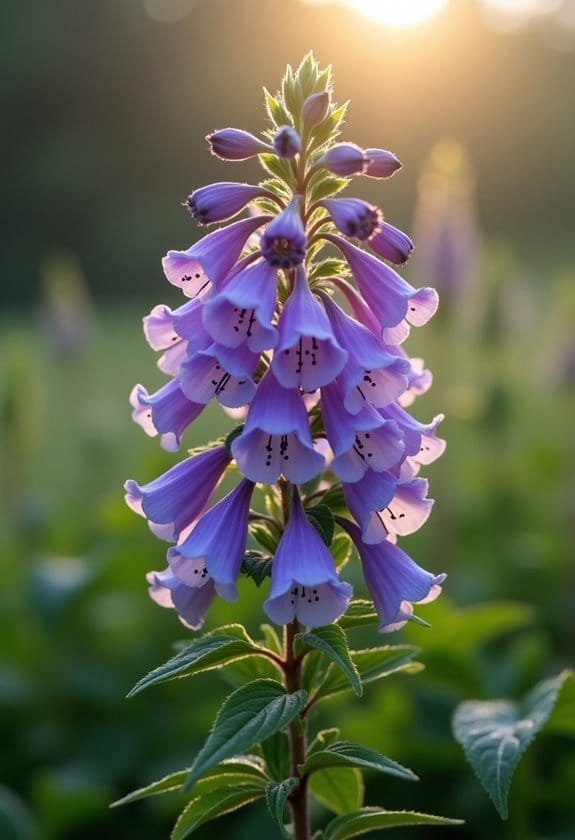
The Giant Bellflower, or Campanula latifolia, is a striking perennial herb known for its tall stature and large, bell-shaped flowers that bloom in shades of pale blue to deep violet.
Thriving in diverse habitats across Europe and western Asia, this plant reaches heights between 60 to 120 cm and adapts well to various soil types, particularly well-drained soil. Its capacity for drought resistance makes it suitable for both wild and cultivated gardens.
With minimal maintenance requirements, Giant Bellflower embodies efficient cultivation practices, easily propagating through seeds and root division.
Beyond its aesthetic appeal, it offers significant ecological benefits, serving as an important source of nectar and pollen for pollinators, such as bees and butterflies. These interactions not only enhance local biodiversity but also encourage sustainable gardening practices by fostering healthy ecosystems. Additionally, like its relative, Campanula glomerata, Giant Bellflower attracts vital pollinators like bees and supports the surrounding ecosystem.
This perennial herb's unique ability to naturalize in suitable environments adds to its charm, making it an excellent choice for enhancing garden aesthetics.
Fundamentally, Campanula latifolia stands as a beautiful and ecologically responsible addition to any garden, blending elegance with functionality.