Centaurea dealbata, or Mealy Centaury, is a striking perennial renowned for its eye-catching lilac-pink flowers and ecological contributions. Growing between 18 to 30 inches tall, this hardy plant flourishes in full sun and well-drained, nutrient-poor soils, showcasing lobed gray-green leaves with a distinctive white-felted underside. Its blossoms not only enhance landscape aesthetics but also serve crucial roles for pollinators, providing essential nectar from mid-summer to early autumn. Minimal maintenance is required, making it an ideal choice for diverse gardening styles. Engaging with this species can reveal fascinating insights into sustainable gardening practices and ecological importance.
Main Points
- Centaurea dealbata, or Mealy Centaury, is a clump-forming perennial known for its vibrant lilac-pink flowers from mid-summer to early autumn.
- This plant thrives in full sun, prefers well-drained, nutrient-poor soils, and is drought-tolerant once established.
- It attracts various pollinators, making it an excellent choice for eco-friendly gardens and supporting local biodiversity.
- Regular deadheading encourages prolonged blooming, while division every few years promotes vigorous growth and health.
- Suitable for USDA zones 3-9, it can be paired with other drought-tolerant plants for enhanced garden biodiversity.
Introduction
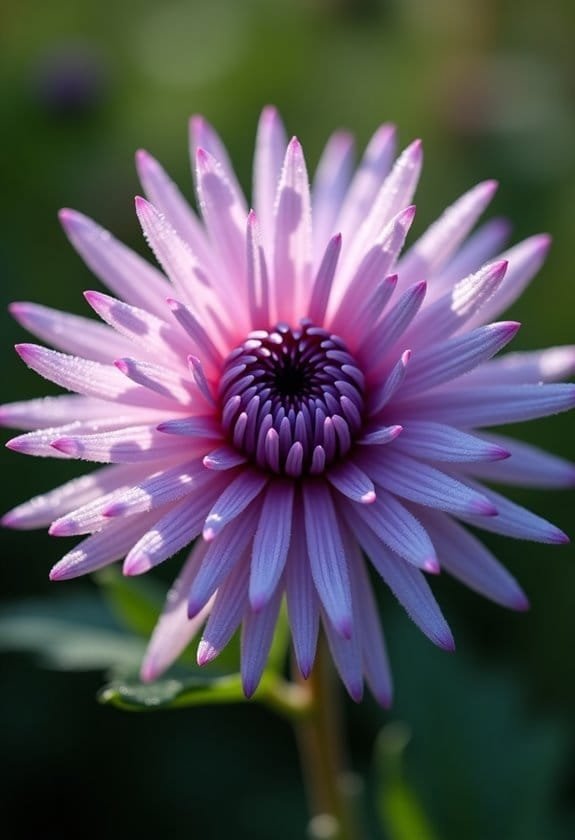
Centaurea dealbata, commonly referred to as the Mealy Centaury or Persian Cornflower, captivates gardeners and pollinators alike with its stunning lilac-pink blooms.
This perennial, standing at heights between 18-30 inches (45-75 cm), thrives in regions like the North Caucasus and Turkey, favoring full sun and well-drained, nutrient-poor soils. Additionally, like Angelica sylvestris, it requires careful moisture management to flourish effectively.
A crucial part of the RHS Plants for Pollinators initiative, its presence in gardens underscores the importance of supporting local ecosystems and promoting biodiversity. Additionally, its nectar-rich flowers provide a vital food source for beneficial insects, enhancing the overall health of garden ecosystems.
Common Name
Known by its common names like Persian Cornflower, Mealy Centaury, and Whitewash Cornflower, this striking perennial plant enthralls gardeners with its vibrant lilac-pink to magenta flowers. Centaurea dealbata, well-loved in ornamental gardens, showcases a unique aesthetic that enhances both sunny borders and cottage gardens. Its vibrant flowers stand out against lush green foliage, drawing the eye of anyone who passes by.
The moniker "Mealy Centaury" derives from the plant's intriguingly textured leaves, which feature a distinctive white-felted underside, adding an additional layer of visual interest. Garden enthusiasts appreciate how this enthralling perennial not only beautifies spaces but also attracts crucial pollinators like bees and butterflies, considerably contributing to local ecosystems. Additionally, its blooming habits mirror those of other attractive plants such as Bellis perennis that bloom from March through September, showcasing the beauty of continuous flowering. Allium species, known for their biodiversity benefits, similarly attract pollinators and enhance garden appeal.
Thriving in sunny environments, Centaurea dealbata flourishes when planted in meadows, where its resilience becomes apparent. Recognized by the Royal Horticultural Society (RHS) for its benefits to wildlife, Persian Cornflower serves as an excellent choice for those looking to support biodiversity in their gardens.
As gardeners cultivate this alluring species, they're not just enhancing their outdoor aesthetics; they're also nurturing the environment, ensuring a vibrant community of pollinators.
Scientific Name
Frequently, the scientific name Centaurea dealbata captures the essence of this enchanting plant. Hailing from the Asteraceae family, the term "Centaurea" draws its roots from Greek mythology, where Chiron, the wise centaur known for his medicinal expertise, is linked to this remarkable genus. The specific epithet, "dealbata," highlights a unique characteristic of the Persian Cornflower: the distinctive white felt that adorns the underside of its leaves, setting it apart from its relatives.
Centaurea dealbata emerges as a striking clump-forming perennial, typically reaching heights between 45 to 90 cm. Its vibrant magenta flowers provide a visual feast while simultaneously serving ecological functions.
This plant plays an essential role in local biodiversity, acting as an imperative source of nectar and pollen for various pollinating insects. As these creatures flourish, so too do the ecosystems they support, revealing the intricate web of life interwoven through this single species.
Overview
The Mealy Centaury, or Persian Cornflower, captivates gardeners and ecologists alike with its stunning lilac-pink blooms and robust nature. Centaurea dealbata is a striking perennial that typically reaches heights of 18-30 inches (45-75 cm) and thrives in sunny borders, where its vivid flowers bloom from mid-summer to early autumn.
This clump-forming plant is native to the North Caucasus, Transcaucasia, and Turkey, thriving in well-drained, nutrient-poor soils. Its hardiness and low maintenance requirements make it a favorite for cottage gardens and environmentally friendly landscapes.
Recognized as part of the RHS Plants for Pollinators initiative, Centaurea dealbata plays an essential role in supporting local biodiversity. The plant attracts various pollinators, such as bees, due to its abundant nectar.
As these industrious insects visit the blooms, they contribute to the overall health of the ecosystem, demonstrating the importance of integrating such species into landscaping efforts.
With its drought tolerance and vibrant presence, the Mealy Centaury doesn't just enhance garden aesthetics; it fosters an ecological balance, reminding us of nature's intertwined relationships. This perennial gem deserves a prominent place in any garden pursuing both beauty and sustainability.
Key Features
Centaurea dealbata, or Mealy Centaury, showcases a striking growth size, reaching heights of 18 to 30 inches and widths of 18 to 24 inches.
This upright perennial, adorned with gray-green, lobed leaves highlighted by a distinctive white-felted underside, is particularly renowned for its vibrant lilac-pink flowers, which bloom from early to mid-summer.
Its robust size and stunning appearance not only enhance garden aesthetics but also provide essential habitats for pollinators, enriching local biodiversity.
Growth Size
With its striking stature, Centaurea dealbata typically reaches heights of 18 to 30 inches (45 to 75 cm) and spreads 18 to 24 inches (45 to 60 cm) wide. The plant's growth size showcases its impressive clump-forming habit, creating bushy foliage that not only provides stability but also enhances the visual appeal of garden settings.
This upright growth presents a commanding presence, particularly when its vibrant lilac-pink blooms emerge from early to mid-summer, often persisting into early autumn.
The height and breadth of Centaurea dealbata contribute notably to its ornamental value, allowing it to function as an attractive focal point in various landscapes. In addition, the plant's gray-green, narrowly oval lobed leaves, adorned with a distinctive white-felted underside, continue to contribute visual interest even when the flowers have faded.
Adaptable to USDA zones 3-9, Centaurea dealbata thrives across diverse climates, making it an excellent choice for gardeners aiming to enhance their spaces with resilient, colorful flora.
Its remarkable growth size and robust characteristics make it a perennial favorite in both domestic and commercial applications, ensuring elegance throughout the seasons.
Appearance
Known as the Persian cornflower, Centaurea dealbata enthralls with its vibrant lilac-pink flowers that bloom from mid-summer to early autumn.
This perennial plant grows between 18 to 30 inches (45 to 75 cm) in height and spreads 18 to 24 inches (45 to 60 cm) wide, forming attractive clumps characterized by bushy foliage.
Its leaves, which possess a gray-green hue, are narrowly oval-lobed with a distinctive white-felted underside that enhances its striking appearance. The contrast between the smooth leaves and the colorful flowers creates a delightful visual tapestry in garden settings.
Supporting these showy blossoms are upright stems, elevating the vibrant lilac-pink flowers above the foliage and drawing the eye. Notably, the hairy stems provide an intriguing textural contrast, enhancing the overall charm of Centaurea dealbata.
Their fuzzy surface invites touch, while also serving a functional purpose in supporting the plant. Although small, these details contribute considerably to the plant's overall aesthetic appeal.
Flowering Season
The enchanting flowering season of Centaurea dealbata captivates gardeners and pollinators alike, as vibrant lilac-pink blooms emerge from mid-summer to early autumn. This stunning plant showcases its remarkable flowering period, typically lasting several weeks, making it a striking addition to both summer and fall gardens.
During peak blooming, which occurs around July to August, these cheerful blossoms flourish atop upright stems, standing out beautifully against the plant's gray-green foliage. Common Yarrow's flowering times complement those of Centaurea dealbata, further enhancing pollinator-friendly gardens.
The richness of nectar in Centaurea dealbata's flowers proves irresistible to a variety of pollinators, particularly bees and butterflies. These essential insects play a critical role in pollination, promoting biodiversity and fostering a healthy ecosystem.
Additionally, Centaurea dealbata's flowering season mirrors the blooming times of other Mediterranean species, such as Ploughmans Spikenard, emphasizing the importance of diverse bloom periods for supporting pollinator populations.
Gardener enthusiasts often practice deadheading—removing spent blooms—to prolong the flowering season. By engaging in this simple maintenance, they can stimulate further flowering, prolonging the visual delight and benefits for pollinators alike.
Growing Requirements
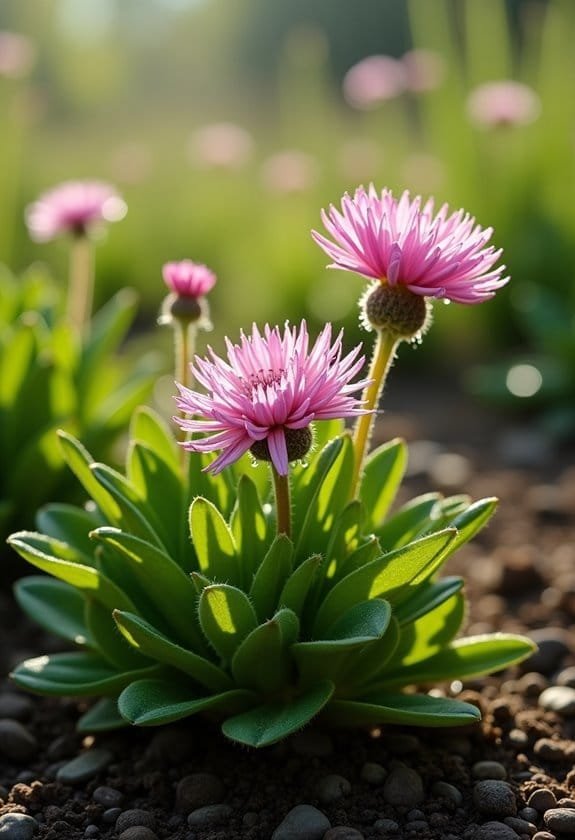
Centaurea dealbata flourishes best in full sun, demanding at least six hours of direct sunlight daily to truly thrive.
This resilient plant prefers well-drained, nutrient-poor soils, which helps to control its potentially invasive growth tendencies, thereby ensuring it remains a charming addition to gardens rather than becoming a nuisance.
Additionally, being hardy across USDA zones 3 to 9, it adapts well to varying climates, showcasing impressive drought tolerance once established, which minimizes its watering needs and care requirements. Furthermore, like Creeping Jenny(Creeping Jenny), it thrives in soils that prevent waterlogging, emphasizing the significance of soil drainage for optimal growth. Horseshoe Vetch also requires well-drained soil to prevent root rot, highlighting the importance of soil conditions for plant health.
Light
How much sunlight does Centaurea dealbata need to thrive? This vibrant plant flourishes under full sun, requiring at least 6-8 hours of direct sunlight each day for ideal growth. Positioned in bright, sun-drenched areas, Centaurea dealbata showcases its unique ability to adapt, becoming drought-tolerant once established. This makes it an excellent choice for sunny gardens that can experience dry spells.
Inadequate sunlight can greatly hinder the growth and flowering of Centaurea dealbata. In shaded regions, the plant often struggles, producing weaker foliage and fewer blooms. Therefore, ensuring a bright, sunny location is paramount for this perennial's success. The right amount of sunlight not only supports robust development but also enriches the vibrancy of its exquisite lilac-pink flowers during the blooming season. Additionally, this species prefers nutrient-poor, well-drained soils, which further enhances its resilience against root rot. Moreover, like chicory, Centaurea dealbata attracts essential pollinators, contributing to a vibrant ecosystem in garden settings.
Soil
Thriving best in well-drained, nutrient-poor soils, Centaurea dealbata showcases remarkable resilience in various garden settings. Its preference for dry conditions allows this plant to embrace its drought-tolerant nature once established, making it an ideal choice for gardeners seeking low-maintenance options.
When grown in well-drained soils, the risk of overwatering diminishes, promoting healthy growth and vibrant blooms. Full sun exposure is vital for Centaurea dealbata, as it enables the soil to maintain an appropriate level of dryness, essential for peak health. Additionally, like Creeping Cinquefoil, this plant's ability to thrive in full sun or partial shade can enhance its adaptability in various landscapes.
Although soil pH isn't critically relevant, moderate acidity to neutral pH levels generally supports robust development. Regular monitoring of soil moisture remains necessary; while this species can withstand dry spells, consistent yet moderate care guarantees it flourishes.
Developing a keen awareness of these soil requirements allows gardeners to create the perfect environment for Centaurea dealbata to thrive. By providing well-drained soils enriched with adequate sunlight, enthusiasts can cultivate this hardy plant, celebrating its unique beauty and resilience in landscapes, gardens, and wildflower arrangements alike. Additionally, understanding that purging buckthorn can thrive in various soil types suggests that careful selection of companion plants is essential to prevent invasive competition.
With suitable care, this enchanting perennial can flourish, becoming a staple of enduring beauty in any garden setting.
Water
Effective water management is essential for nurturing Centaurea dealbata during its early growth stages. This striking perennial thrives in well-drained soil, and gardeners should prioritize regular watering during the plant's initial establishment to foster a robust root system. Moreover, implementing crop rotation strategies can enhance soil quality and moisture retention, ensuring optimal conditions for growth.
However, they must be cautious, as overwatering can lead to detrimental rot, particularly since Centaurea dealbata is drought tolerant once established. The plant flourishes under full sun conditions, which not only enhances its blooming but also aids in regulating soil moisture levels. While it can withstand dry spells, maintaining moderate soil moisture is imperative for promoting healthy growth and ideal performance throughout its growing season.
Observing the condition of the soil, gardeners should adjust their watering schedules to align with its moisture levels.
Incorporating regular deadheading practices can further conserve moisture while encouraging extended blooming, ensuring that the plant remains a vibrant addition to the landscape all summer long.
Efficient water management, consequently, not only strengthens Centaurea dealbata's liveliness but also contributes to its resilience, enhancing the overall success of gardening endeavors. Additionally, plants like Rubus fruticosus agg. highlight the importance of proper water management in achieving optimal growth conditions.
Temperature
Temperature plays a crucial role in the growth of Centaurea dealbata, which flourishes in hardiness zones 3 to 9. This adaptability to a wide range of temperature conditions allows the plant to thrive in diverse climates, making it a popular choice among gardeners.
Centaurea dealbata thrives best under full sun exposure, necessitating at least six hours of direct sunlight each day. Such sunlight is essential for peak growth and vibrant flowering. Additionally, its success in attracting various pollinators highlights the importance of sun exposure in promoting a healthy ecosystem.
Once established, this perennial herb exhibits drought-tolerant characteristics, which add to its appeal, reducing the need for excessive watering. However, it prefers nutrient-poor soils that are well-drained; conditions that help prevent invasiveness and support healthy development. Gardeners should be cautious, as high humidity and rich, moist soils can lead to excessive growth, potentially resulting in a tangled mess rather than the desired stunning flower displays. Additionally, proper soil drainage is crucial during temperature fluctuations to maintain healthy plant development.
Pollinator Criteria
Centaurea dealbata's vibrant magenta flowers serve as a beacon for various pollinators, attracting bees and other essential insects during its blooming period from mid-summer to early autumn.
This species employs a mutualistic relationship, whereby it offers nutrient-rich nectar and pollen in exchange for pollination services, ultimately enhancing plant reproduction. Additionally, similar to Lesser Spearwort's role in providing habitat and nectar sources, Centaurea dealbata contributes to supporting diverse wildlife communities in its ecosystem. Some of these pollinators, including honeybees and bumblebees, are vital for biodiversity support within their habitats, underscoring the plant's importance in local ecosystems.
Attracted Pollinators
Many gardeners and ecologists appreciate Centaurea dealbata for its ability to attract a diverse range of pollinators. With vibrant magenta blooms that flourish from mid-summer to early autumn, this plant becomes a crucial resource, offering rich nectar and abundant pollen.
Bees, the primary beneficiaries, find an excellent food source among its flowering heads, enhancing their foraging efforts and overall health.
Centaurea dealbata doesn't just cater to bees; butterflies and various beneficial insects also gravitate toward its dense foliage and striking flowers.
This dynamic interplay of life fosters biodiversity, creating a vibrant ecosystem where multiple species coexist harmoniously. The plant's unique attributes secure its place in the RHS Plants for Pollinators initiative, underscoring its significant role in maintaining pollinator health.
Pollination Method
Pollinators find Centaurea dealbata particularly appealing due to its effective design for attracting and sustaining their populations. This plant produces abundant nectar and pollen, fundamental food sources that draw in a diverse array of pollinators, especially bees and butterflies.
Blooming from mid-summer to early autumn, its vibrant magenta flowers extend the flowering period, ensuring a steady resource for pollinators during significant life stages. The flower structure of Centaurea dealbata, characterized by its open flowerhead design, allows easy access for pollinators seeking nectar.
Centaurea dealbata's inclusion in the RHS Plants for Pollinators initiative highlights its ecological benefits in sustaining pollinator populations, which are essential for successful pollination. While pollinators dart between flowers, they inadvertently facilitate the exchange of pollen, enhancing genetic diversity among plant species and local biodiversity. Additionally, like its relative, Common Knapweed, Centaurea dealbata provides critical food resources for a variety of pollinator species.
The interactions between Centaurea dealbata and its pollinators foster ecosystems that are more resilient to environmental changes. By creating habitats that support these key species, the plant not only promotes the health of its own population but also encourages the growth of diverse plant communities, further amplifying its role in the intricate web of life.
This dynamic relationship underlines the importance of preserving such plants, as they're fundamental to ecological balance and harmony.
Care & Maintenance
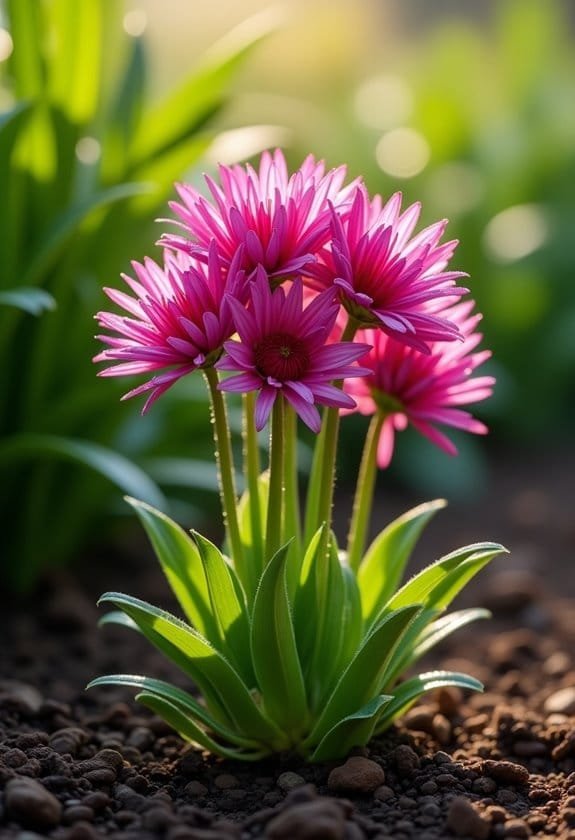
Centaurea dealbata requires thoughtful care and maintenance to flourish, making proper planting tips essential for success.
This striking perennial thrives in well-drained, nutrient-poor soils, and regular practices like deadheading can greatly prolong its blooming period while promoting a fuller habit.
Additionally, selecting compatible companion plants can enhance its aesthetic appeal and health, creating a vibrant tapestry within the garden space.
Planting Tips
When planting Centaurea dealbata, gardeners should guarantee the soil is well-drained and nutrient-poor, as this plant thrives under such conditions.
This species flourishes in full sun, typically requiring at least six hours of direct sunlight daily. When selecting a site, consider areas with good air circulation to help reduce the risk of powdery mildew, a common issue in humid environments.
Regular deadheading is crucial for prolonging the flowering period; removing spent blooms encourages further bud development and enhances the plant's visual appeal throughout the season.
Additionally, these plants benefit from being cut back in autumn, which promotes overall health and encourages bushier growth in the following season.
For effective propagation of Centaurea dealbata, gardeners can sow seeds in spring or divide existing plants, either in spring or autumn.
This flexibility allows for easy expansion within garden spaces, ensuring more blooms and greater aesthetic impact.
Ongoing Care
For ongoing care and maintenance, gardeners should focus on regular deadheading and seasonal pruning to keep Centaurea dealbata healthy and vibrant. Regular deadheading is essential; it prolongs blooming, encouraging more abundant and visually striking flowers throughout summer and early autumn.
To maintain the plant's health, it's advisable to cut back the foliage in autumn, minimizing overcrowding that can stifle growth in the following season.
While Centaurea dealbata is known for being low-maintenance and drought-tolerant once established, it's important to monitor for powdery mildew, a common fungal issue. Prompt action can help prevent this from compromising the plant's vigor.
This perennial's resilience makes it an ideal choice for those seeking easy-care floral displays while still enjoying a colorful garden.
For gardeners interested in expanding their floral collections, propagation can be easily achieved by sowing seeds in spring or performing division of existing plants during spring or autumn.
Suggested Companions
Creating a vibrant garden landscape is easy with well-chosen companion plants that enhance both the beauty and health of Centaurea dealbata. Pairing this stunning perennial with other drought-tolerant varieties like Echinacea and Rudbeckia not only enriches garden biodiversity but also creates a striking color contrast, elevating overall visual appeal.
Ornamental grasses, such as Miscanthus and Panicum, further enhance the landscape's dynamic qualities by introducing essential textural variety and gentle movement.
Including pollinator-friendly options like Aster and Nepeta encourages bees and butterflies to visit, fostering a thriving ecosystem bursting with life. To guarantee harmony in growth conditions, companion plants with similar light and soil requirements, such as Lavandula and Salvia, should also be integrated.
This careful selection promotes ideal health for all plants involved. Regular deadheading of Centaurea dealbata can harmonize with the blooming cycles of its companions, ensuring ongoing visual interest throughout the growing season.
Common Issues
Centaurea dealbata often encounters a few common issues that can affect its overall health and vigor. While it's generally resilient, the plant's susceptibility to powdery mildew in humid environments, coupled with potential invasiveness in overly rich soils, highlights the need for careful monitoring and management.
Additionally, regular checks for pests like aphids or caterpillars, along with proper watering practices, can greatly enhance its robustness and prolong its vibrant flowering period.
Pests/Diseases
Although Centaurea dealbata is generally pest-resistant, it can face some common issues that gardeners should be aware of. One notable concern is powdery mildew, a fungal issue that thrives in humid conditions, particularly when plants are overcrowded. This white, dusty growth can inhibit photosynthesis, affecting overall plant health.
To prevent this, ensuring adequate air circulation is essential; spacing plants correctly allows airflow that discourages mildew from taking hold.
Another occasional problem involves aphids, small sap-sucking insects that can sporadically infest Centaurea dealbata. Although infestations are infrequent, regularly inspecting plants can minimize the risk, preventing more significant damage if population growth occurs.
Detecting these pests early is imperative, as they can weaken the plants, drawing moisture and nutrients.
Additionally, fungal diseases can emerge when growing conditions aren't ideal. Maintaining well-drained, less nutrient-rich soils helps reduce the likelihood of overgrowth that can foster such illnesses.
Solutions
Gardeners can take proactive measures to address the common issues that may arise with Centaurea dealbata. This striking plant, while generally resistant to pests, can be susceptible to powdery mildew in humid conditions. To mitigate this risk, guaranteeing adequate air circulation and avoiding overhead watering are vital.
Regular deadheading promotes a prolonged blooming period, encourages bushier growth, and enhances overall plant vigor.
Although Centaurea dealbata is drought-tolerant once established, during sustained dry spells, moderate watering guarantees peak health and prevents stress.
Additionally, cutting back the foliage in autumn is important to combat excessive winter moisture, which can lead to harmful crown rot, threatening the plant's longevity.
For peak propagation, gardeners should consider dividing the plant every few years or sowing seeds in spring. This practice alleviates overcrowding and maintains vigorous growth, allowing the delightful mealy centaury to flourish in gardens.
Through attentive care and timely interventions, enthusiasts can enjoy a robust and aesthetically pleasing display of Centaurea dealbata throughout the growing season, celebrating its unique charm and resilience.
Are Mealy Centaury and Tussock Bellflower similar in care requirements?
Yes, Mealy Centaury and tussock bellflower plants are similar in care requirements. Both prefer well-draining soil, ample sunlight, and regular watering. However, the Tussock Bellflower plant is known to be more tolerant of colder temperatures and can thrive in various climate conditions.
Summary
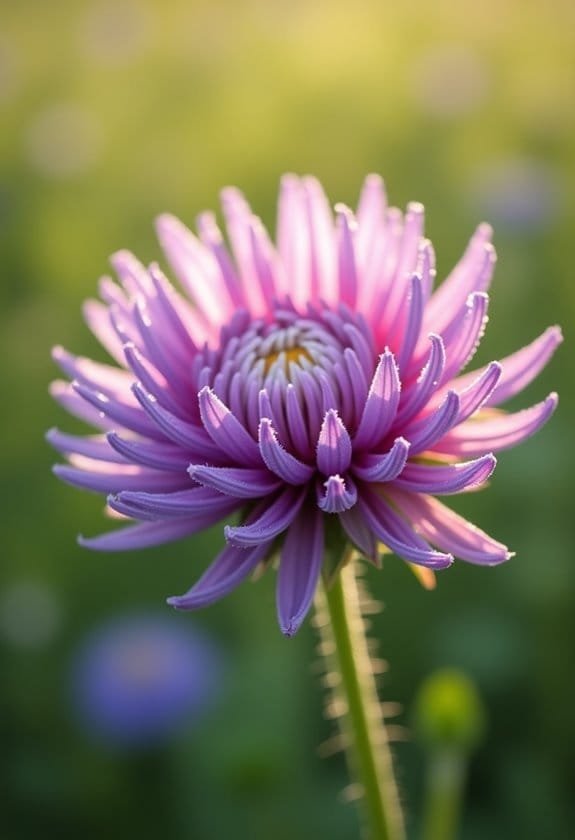
The Mealy Centaury, or Centaurea dealbata, is a striking perennial admired for its vibrant magenta flowers that can reach heights of up to 90 cm.
This enchanting plant thrives in full sun and well-drained, nutrient-poor soils, showcasing its remarkable drought-tolerant qualities once established. From mid-summer to early autumn, Centaurea dealbata blooms profusely, attracting various pollinators, particularly bees, by providing abundant nectar and pollen.
Native to regions like the North Caucasus and Turkey, this perennial not only adds aesthetic value to gardens but also plays an essential ecological role in supporting local biodiversity.
Its presence encourages beneficial insects, thereby promoting a healthy ecosystem. Hardy in zones 3 to 9, this plant can be propagated easily through seeds or division, allowing for its cultivation in diverse landscapes.
Regular deadheading helps prolong the flowering period, providing extended beauty and sustenance for pollinators.