*Centaurea scabiosa*, or Greater Knapweed, is an eye-catching perennial that can grow up to 90 cm tall, displaying stunning red-purple flowers approximately 5 cm in diameter. Thriving in dry grasslands and calcareous soils, it prefers full sunlight and well-drained, alkaline environments, reaching widths of 30 to 40 cm. This plant is essential for biodiversity, attracting a variety of pollinators such as bees and butterflies from June to September, when food sources are scarce. Requiring minimal maintenance, it fosters ecological balance, yet it can self-seed prolifically. Its unique characteristics reveal much more about this fascinating species.
Main Points
- *Centaurea scabiosa*, or Greater Knapweed, is a perennial plant that thrives in dry grasslands and well-drained alkaline soils.
- It features large red-purple flower heads, crucial for attracting bees and butterflies from June to September.
- The plant can grow up to 90 cm tall and requires full sunlight with a minimum of 6 hours of direct exposure.
- Maintenance is minimal, but deadheading and consistent watering during establishment promote prolonged blooming and plant health.
- Greater Knapweed can become invasive; monitoring self-seeding and maintaining biodiversity is essential for ecological balance.
Introduction
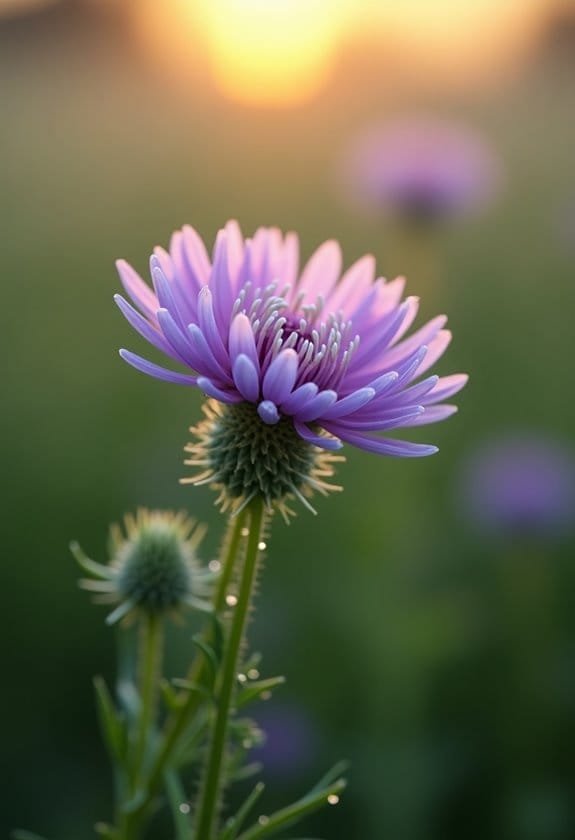
Centaurea scabiosa, or Greater Knapweed, is a striking perennial herb distinguished by its erect, grooved stems that can reach heights of up to 90 cm. Known for its large, thistle-like flower heads measuring approximately 5 cm across and blooming in vibrant red-purple hues, this plant thrives in dry grasslands and adapts well to various soil types. While it enriches local ecosystems by attracting pollinators like bees and butterflies, it also has the potential to become invasive in certain regions, particularly in North America. Its ecological role is similar to that of its cousin, Common Knapweed, due to its ability to support diverse insect populations. Additionally, Greater Knapweed flourishes in well-drained alkaline soils, indicating its preference for healthy ecosystems.
Common Name
Known by several common names, including Greater Knapweed, Black Top, and Scabious Knapweed, this plant is widely recognized across various regions.
Centaurea scabiosa is particularly admired for its striking, thistle-like purple flowers, which bloom from mid-summer to early fall. These vibrant flower heads attract numerous pollinators, especially bees and butterflies, underscoring the plant's ecological importance.
As a perennial herb, Greater Knapweed features erect, grooved stems reaching heights of up to 90 cm, contributing to its impressive stature in the landscape. Its distinctively pinnately lobed leaves further enhance its character, displaying a beautiful green contrast to the bright blossoms. Additionally, this plant is known for its extended flowering period, providing sustenance for pollinators from June to September.
Native to Europe, Greater Knapweed has established itself in dry grasslands, roadsides, and other disturbed areas, showcasing its remarkable adaptability to various habitats. It also serves as a vital nectar and pollen source for local pollinators, similar to other plants that support biodiversity.
While it may be confused with its close relative, Centaurea stoebe, keen observers can differentiate the two species through subtle variations in flower structure and involucre width.
This adaptability and resilience guarantee that Greater Knapweed remains a prominent fixture in the flora of its adapted environments, thereby contributing to biodiversity and ecological stability.
Scientific Name
The scientific name for the Greater Knapweed is *Centaurea scabiosa*, categorizing it within the diverse Asteraceae family. This perennial herb, with the potential to reach heights of up to 90 cm (approximately 3 feet), showcases large, striking flower heads that can span up to 5 cm across.
Native to Europe, particularly flourishing in Great Britain and Ireland, *Centaurea scabiosa* typically inhabits dry grassland environments and favors calcareous soils, allowing it to thrive in its traditional haunts.
These enchanting flowers bloom from mid-summer to early fall, playing an essential role in supporting a myriad of pollinators, including valuable bees and butterflies.
It's noteworthy that *Centaurea scabiosa* is often confused with its close relative, *Centaurea stoebe*. However, one can distinguish the two species through specific characteristics: *Centaurea scabiosa* possesses a larger involucre, measuring between 18-25 mm, as well as longer fertile flowers ranging from 20-25 mm.
This attention to detail underscores the remarkable diversity within the Asteraceae family, highlighting both ecological importance and aesthetic appeal.
Overview
With striking purple flower heads that resemble thistles, Greater Knapweed (*Centaurea scabiosa*) captivates the eye and enriches local ecosystems. This perennial herb can reach an impressive height of up to 90 cm, showcasing large, thistle-like flowers approximately 5 cm across.
Greater Knapweed thrives primarily in dry grasslands, particularly favoring calcareous substrates found along roadsides and in meadows across Great Britain and Ireland. It is important to note that this species can grow in well-drained, dry soils, which also benefits plants like Field Scabious (Knautia arvensis).
Blooming from mid-summer to early fall, the vibrant flowers attract a myriad of pollinators, including bees and butterflies, playing a crucial role in supporting local biodiversity. Its adaptability to various soil types allows this resilient plant to flourish in wildlife gardens and natural settings, often requiring minimal maintenance. Additionally, like Common Honeysuckle, it serves as a valuable food source for diverse wildlife in its habitat.
While native to Europe, Greater Knapweed has become naturalized in parts of North America, demonstrating its capacity to self-seed and, at times, exhibit invasive tendencies.
Key Features
Centaurea scabiosa, or Greater Knapweed, showcases impressive growth, often reaching heights of up to 90 cm with its erect, grooved stem.
Its striking, thistle-like flower heads, measuring around 5 cm in diameter and adorned with vibrant red-purple petals, create a vivid display during the flowering season, which typically spans from mid-summer to early fall. This plant also plays a significant role in supporting pollinator populations by providing essential habitat and food sources. Additionally, it is important to note that similar to Vipers Bugloss, Greater Knapweed also contributes to enhancing local biodiversity by attracting various pollinators.
Growth Size
One can expect Greater Knapweed, or Centaurea scabiosa, to reach impressive dimensions in the right conditions. This perennial herb typically grows up to 90 cm (approximately 30 inches) tall, with a width spanning 30 to 40 cm (12 to 16 inches).
Such substantial growth enables it to thrive in diverse environments, particularly on cliffs overlooking lime-rich soils, which provide ideal drainage and alkaline conditions.
The plant showcases alternate, pinnatifid leaves, which not only contribute to its distinctive profile but also enhance its resilience in dry grasslands.
It's particularly noted for its vibrant, purple-red flower heads that can measure about 5 cm (2 inches) across, attracting a variety of pollinators, essential for ecosystem health.
Blooming from mid-summer to early fall, Greater Knapweed provides vital resources during a period when many flowers are scarce, making it invaluable for local bee and butterfly populations.
Often used in traditional landscaping for added vibrancy and ecological benefit, its adaptability and striking appearance serve both aesthetic and functional purposes, fostering biodiversity in its chosen habitats.
Appearance
Distinctive and visually striking, Greater Knapweed showcases large, thistle-like flower heads that span approximately 5 cm across, flaunting vibrant red-purple hues. This alluring coloration serves as a beacon for a variety of pollinators and highlights the plant's ecological role.
Growing up to 90 cm tall, Greater Knapweed boasts erect, grooved stems that provide structural support and resilience in its preferred habitats, which range from meadows to disturbed areas. This adaptability allows it to thrive in diverse conditions like moist environments that benefit other flora and fauna.
The leaf structure further enriches its profile; the alternate, pinnatifid leaves possess distinct stalks that lend a rugged elegance. These leaves not only complement the bold flower heads but also adapt remarkably well to varying environmental conditions, demonstrating the species' versatility.
The outer florets of the flower head form a star-like arrangement, producing a unique visual harmony with the dense inner florets, which are fertile. While the predominant color variations of Greater Knapweed are typically red-purple, subtle shifts toward mauve or even white can occasionally be observed.
These features combine to make Centaurea scabiosa a striking addition to native flora, embodying both beauty and ecological importance. Additionally, like Echinops, certain species of Knapweed also attract pollinators and have value in supporting local ecosystems.
Flowering Season
Blooming vibrantly from mid-summer to early fall, Greater Knapweed enchants observers with its large, striking flower heads. Typically, its flowering duration spans from June to September, showcasing a dazzling display of red-purple bloom colors that captivate various pollinators, especially bees and butterflies.
Each flower head, measuring about 5 cm across, comprises outer sterile florets that present a ragged, star-like appearance, enhancing their allure while simultaneously attracting beneficial insects.
As a perennial herb, Greater Knapweed can grow up to 90 cm tall, elevating its blossoms above the surrounding foliage on long stalks. The inner florets remain densely packed and fertile, contributing to the reproductive success of this remarkable plant.
Seasonal care for Greater Knapweed involves maintaining well-draining soil and providing adequate sunlight, which encourages robust growth and vibrant flowering.
In gardens or meadows, this species not only contributes to the aesthetic appeal but also plays a significant role in local ecosystems by fostering biodiversity.
The striking visual features, combined with its essential ecological contributions, make Greater Knapweed a remarkable addition to any natural landscape.
Growing Requirements
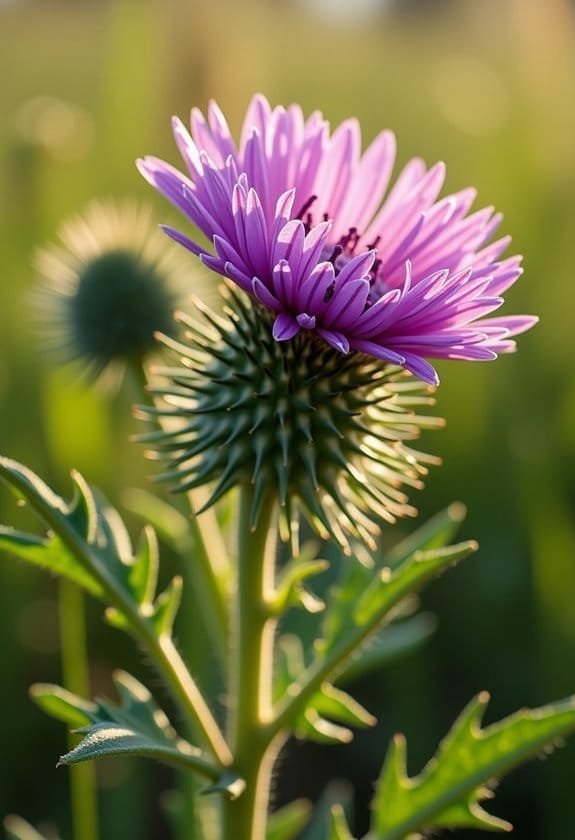
Centaurea scabiosa, or Greater Knapweed, flourishes under the warm embrace of full sunlight, showcasing its vivacity in well-drained soils that lean towards dryness or moderate moisture.
It thrives in temperatures around 20°C (68°F), requiring consistent moisture for ideal germination, which lays the foundation for its vigorous growth and stunning purple blooms.
Understanding these growing requirements not only aids in successful cultivation but also enhances the ecological benefits this resilient perennial brings to local habitats by attracting essential pollinators.
Light
A sunny location is crucial for the success of Centaurea scabiosa, as this perennial requires at least 6 hours of direct sunlight each day to thrive. The plant flourishes in full sun, benefiting greatly from prime sunlight exposure and high light intensity.
Without adequate light, the plant's growth may slow, leading to smaller flower heads and diminished attractiveness, which could ultimately affect nearby pollinators such as bees and butterflies. Inadequate sunlight can create unfavorable shading effects that inhibit the plant's ability to photosynthesize effectively, compromising its vigor and health. Vipers Bugloss, for example, also showcases exceptional drought resistance and requires similar light conditions to ensure robust growth.
Greater Knapweed's blooming period spans from mid-summer to early fall, coinciding perfectly with abundant sunlight, which enhances its capacity to attract critical pollinators. The vibrant blooms, nourished by sufficient light, contribute considerably to the aesthetics of wildlife gardens and meadows. Additionally, many pollinator-friendly plants, like Field Maple(Acer campestre), thrive under similar conditions, providing critical support for local ecosystems.
Soil
While thriving in sunny environments, Centaurea scabiosa also relies on specific soil conditions to assure its success. This perennial plant prefers well-drained soils, flourishing in dry to mesic conditions that suit its drainage needs. Significantly, it exhibits remarkable tolerance to poor, alkaline soils, showcasing its adaptability across various soil types found within its favored habitats.
Primarily, Greater Knapweed excels in calcareous substrates, which greatly enhance its growth potential. These calcium-rich environments not only influence soil composition but also promote ideal nutrient requirements essential for its vigorous development. Additionally, this plant demonstrates impressive drought resilience after establishment, allowing it to thrive in diverse conditions.
Although it thrives in less fertile soils, a balanced nutrient profile guarantees robust health and flowering. Notably, plants like Ox-Eye Daisy can coexist with Greater Knapweed, contributing to diverse plant communities in shared environments.
When considering germination, maintaining constant moisture without oversaturation in the soil is critical. The tiny seeds of Centaurea scabiosa benefit from being pressed tightly into the earth during sowing, improving their chances of successful sprouting.
Consequently, understanding the interplay between soil composition, drainage needs, and nutrient requirements allows gardeners and ecologists alike to appreciate the resilience and ecological significance of this striking species, ultimately enabling its thriving presence in diverse landscapes.
Water
For ideal growth, the water requirements of Centaurea scabiosa are essential, especially during the germination phase. This perennial plant thrives in well-drained soils and prefers dry to mesic conditions.
During germination, it requires consistent moisture, guaranteeing that seeds remain hydrated but not overly saturated. Excessive water can lead to rot, which can hinder successful seed germination.
Once established, Greater Knapweed demonstrates remarkable drought tolerance. Its deep root system enables the plant to access moisture deeper in the soil, mitigating the drought effects that often challenge less resilient species.
Employing efficient irrigation methods in the early stages can help maintain the delicate moisture balance that seeds need for peak growth. Additionally, while it thrives in poor, alkaline soils, Centaurea scabiosa still benefits from some moisture retention. As the plant matures, the moisture balance shifts, and established plants become more independent, drawing sustenance from their surroundings.
Consequently, growers must monitor soil conditions and adjust their watering practices accordingly to guarantee the healthy development of this hardy, beautiful plant, which blooms vibrantly from mid-summer to early fall. Additionally, maintaining rich, moist soils as recommended for other plants, like the Meadow Buttercup, can enhance the growth potential of Greater Knapweed.
Temperature
Temperature plays a significant role in the growth of Centaurea scabiosa, particularly during the germination phase. This species thrives under specific temperature ranges, with ideal germination temperatures around +20°C (68°F). During this significant phase, gardeners must guarantee that the seeds retain constant moisture; however, vigilance is necessary, as overly wet conditions can hinder successful sprouting and may lead to rot.
Once germination occurs, it's essential to shift the seedlings to cooler conditions to promote healthy growth. These cooler temperatures positively influence the young plants' resilience and vigor, allowing them to adapt appropriately. Additionally, this species can benefit from well-drained soil, similar to Vipers Bugloss, enhancing its overall growth and development.
Centaurea scabiosa is well-suited for a variety of temperate climates, exhibiting hardiness in USDA hardiness zones 4 to 8. This adaptability means it can withstand diverse environmental pressures, making it an appealing option for gardeners seeking reliable flora. Additionally, like other species such as Marsh Woundwort, it exhibits remarkable adaptability to varying soil moisture levels, which helps it thrive in its preferred environments.
The temperature effects on Greater Knapweed are profound, dictating not only germination success but overall health and liveliness. Additionally, this plant demonstrates remarkable tolerance of poor, alkaline soils, thriving beautifully in full sun and well-drained environments, completing the formula for its robust growth.
Pollinator Criteria
Greater Knapweed (Centaurea scabiosa) captivates a variety of pollinators, especially bees and butterflies, with its vivid purple flower heads that bloom from June to September.
These flowers, featuring sterile outer florets that lure insects and densely packed fertile florets to facilitate effective reproduction, create an inviting environment for both pollinators and the ecosystem as a whole. The dense colonies of Centaurea scabiosa provide essential support to the diverse pollinator populations, similar to the role of ramsons in ancient woodlands.
Understanding the methods of pollination and the creatures they attract sheds light on how this resilient plant fosters biodiversity and ecological balance in its sunny grassland habitats. Additionally, the presence of beneficial insects encourages a healthy ecosystem, further enhancing the role of Greater Knapweed in supporting local wildlife.
Attracted Pollinators
Attracting a plethora of pollinators, Centaurea scabiosa, or Greater Knapweed, plays an indispensable role in ecological health. This vibrant plant's large purple flower heads bloom from June to September, providing a crucial nectar source during summer and early fall. The pink-purple composite flower heads are ingeniously designed; they feature sterile outer florets that attract insects while densely packed inner florets offer fertile pollen.
Greater Knapweed is particularly effective at enhancing pollinator diversity, luring various bees and butterflies, especially the Common Blues and Meadow Browns, to its nourishing blooms. This allure not only enriches local biodiversity but also highlights the plant's incredible nectar availability, essential for these creatures' survival.
By thriving in dry grasslands, C. scabiosa supports robust pollinator populations, reinforcing its significance in maintaining ecosystem benefits. The mutualistic relationship between flora and fauna fosters ecological resilience, as diverse pollinator communities help facilitate plant reproduction and promote overall environmental stability. Additionally, the extended flowering periods of these plants contribute to maximizing pollination opportunities throughout the season.
In essence, the presence of Greater Knapweed transcends individual species, showcasing its crucial role in sustaining the complex web of life within its habitat. Consequently, this plant exemplifies a remarkable contribution to the health of natural ecosystems.
Pollination Method
Centaurea scabiosa employs a fascinating pollination method that capitalizes on the unique design of its flower heads. Blooming from June to September, these large, bright pink-purple flowers are intricately structured to maximize cross pollination benefits. The outer sterile florets serve an essential purpose; they attract a variety of pollinators, including bees and butterflies, thereby enhancing pollinator diversity effects in the surrounding ecosystem.
The densely packed fertile florets nestled within facilitate actual reproduction. This clever arrangement allows pollinators to collect and distribute pollen effectively, optimizing pollen distribution strategies that guarantee genetic diversity within the plant population. As pollinators traverse from floret to floret, they unwittingly transport pollen, fostering successful fertilization.
Centaurea scabiosa thrives in sunny grasslands and disturbed habitats, assuring it remains a critical resource for pollinators in both urban and rural settings. This adaptability not only supports pollinator health but also underscores the plant's significance in maintaining ecosystem equilibrium.
Care & Maintenance
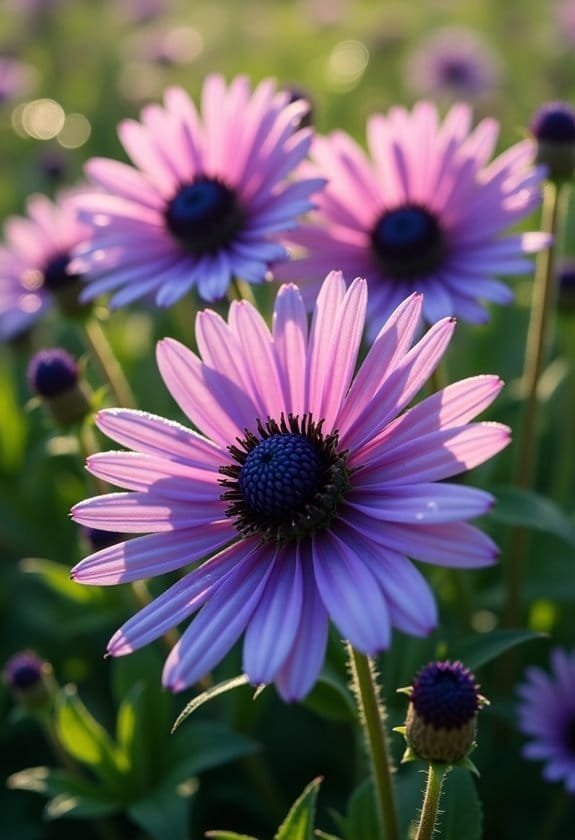
Centaurea scabiosa, often thriving in sunny, well-drained spots, requires relatively low upkeep to flourish beautifully.
During its establishment phase, regular watering is essential, yet gardeners should gradually taper off to prevent excessive moisture, which can lead to root issues.
Ongoing care includes regular deadheading for extended blooms and attentive monitoring for powdery mildew, ensuring this resilient plant remains a vibrant addition to any garden setting.
Planting Tips
To get the best results with Greater Knapweed, it's essential to set the stage for its growth by choosing the right conditions. This striking perennial herb thrives in full sun and flourishes in well-drained, alkaline soils, making it suitable for dry grasslands and meadows.
Proper seed preparation begins with pressing seeds firmly into the soil, ensuring good contact for peak germination. Consistent moisture is critical during this period; seedlings require regular watering until established.
Moreover, incorporating effective planting methods will yield healthier plants. When planting, one should maintain a spacing of about 12 to 18 inches between seeds. This not only promotes air circulation but also reduces the prevalence of diseases, particularly powdery mildew.
By allowing adequate space, Greater Knapweed can expand freely, showcasing its beautiful blooms while minimizing competition for resources.
In nutrient-poor areas, applying a balanced fertilizer during early growth can further encourage robust flowering and overall health.
With minimal maintenance and deer resistance, Greater Knapweed offers an excellent choice for sustainable landscapes, enriching both biodiversity and visual appeal.
Proper attention to planting techniques lays the groundwork for a thriving ornamental and ecological asset.
Ongoing Care
After establishing Greater Knapweed through careful planting, ongoing care is significant for maintaining its health and vibrancy. This perennial thrives in well-drained soils and full sun, so guaranteeing these conditions is imperative.
Implementing soil enrichment techniques, such as adding organic compost in spring, can further boost nutrient availability and promote robust growth.
Regular seasonal pruning tips include deadheading spent flower heads, which not only encourages additional blooms but also mitigates concerns regarding self-seeding and invasiveness. Observing the plants for signs of powdery mildew—especially in humid conditions—is fundamental, as early detection allows for effective pest management strategies.
Organic solutions, like neem oil, can help address such issues without harming beneficial insects.
During the germination phase, maintaining soil moisture without overwatering is essential, as Greater Knapweed's seed germination is slower compared to other species. Monitoring the soil's moisture level guarantees optimal conditions for healthy root development.
Suggested Companions
Pairing Greater Knapweed with compatible wildflowers often enhances both aesthetics and ecological benefits in the garden. Companion planting markedly elevates the visual appeal of a landscape, especially when combined with Echinacea and Rudbeckia, which thrive under similar full sun and well-drained soil conditions. These combinations create a vibrant tapestry of colors, enchanting both the eye and local wildlife.
Moreover, the practice of regularly deadheading Greater Knapweed flowers not only extends the blooming period from June to September but also provides vital wildlife support. Pollinators, attracted by this prolonged display, contribute to local biodiversity.
Integrating drought-tolerant companions like Lavender and Salvia complements the water-saving requirements of Greater Knapweed, further enhancing the garden's resilience. To enrich the floral community, incorporating more fertile neighbors such as Coreopsis and Aster not only adds to the colorful combinations but also attracts butterflies and beneficial insects, thereby enriching the ecological value.
However, gardeners should diligently monitor Greater Knapweed's self-seeding tendencies to prevent overcrowding, ensuring a harmonious garden environment that celebrates both beauty and functionality. This attentive management ultimately results in a thriving, diverse ecosystem.
Common Issues
Centaurea scabiosa, commonly known as Greater Knapweed, presents several challenges that warrant attention in diverse ecosystems.
While it's relatively free from significant pests and diseases, the plant is susceptible to powdery mildew, which can hinder its growth and overall health in humid conditions.
Effective management strategies are essential, particularly in regions where this species may aggressively outcompete native flora, ultimately disrupting the delicate balance of local biodiversity.
Pests/Diseases
Greater Knapweed, or Centaurea scabiosa, is generally a tough plant that doesn't face many serious pest or disease issues. Its resilience makes it an attractive option for low-maintenance gardening.
However, gardeners should monitor for powdery mildew, a fungal disease that flourishes in humid conditions. Implementing effective disease prevention techniques, such as ensuring proper spacing and maintaining good air circulation, can greatly reduce the risk of mildew development.
While aphids and certain beetles may occasionally impact Greater Knapweed, these pests rarely cause considerable damage.
Nevertheless, adopting robust pest management strategies is wise, particularly in areas prone to pest infestations.
Additionally, the self-seeding ability of this plant can have profound ecological consequences. Rapid self-seeding can lead to dense populations that may become invasive, ultimately disrupting local ecosystems and outcompeting native species.
Solutions
Addressing common issues with Greater Knapweed involves proactive measures to manage its self-seeding tendencies and potential powdery mildew development. The plant can readily self-seed, becoming invasive, particularly in certain North American environments. To mitigate this, effective invasive management practices, such as routine growth monitoring, are essential.
Gardeners should regularly observe and control the plant's spread, ensuring it doesn't outcompete native flora, which could disrupt local ecosystems.
While Greater Knapweed generally faces minimal pest and disease threats, vigilant monitoring for powdery mildew is advisable. This fungus can affect plant health, albeit infrequently. Maintaining well-drained, alkaline soils will promote healthier plants, helping to prevent such issues.
Furthermore, Greater Knapweed thrives in conditions suitable for wildlife benefits, particularly attracting pollinators. Regular moisture during germination allows for peak growth, so keep seeds lightly covered to avoid inhibiting their emergence.
For gardeners committed to fostering biodiversity, understanding these common issues and their solutions not only enhances the health of their gardens but also contributes positively to regional ecosystems. Through careful management and monitoring, one can enjoy the beauty of Greater Knapweed while safeguarding the balance of native landscapes.
What are the similarities and differences between Greater Knapweed and Purple Knapweed?
Greater Knapweed and Purple Knapweed are both flowering plants that belong to the Asteraceae family. They share similarities in appearance and habitat, but differ in their specific growth patterns and color variations. For more detailed information on Purple Knapweed, visit the purple knapweed information page.
Summary
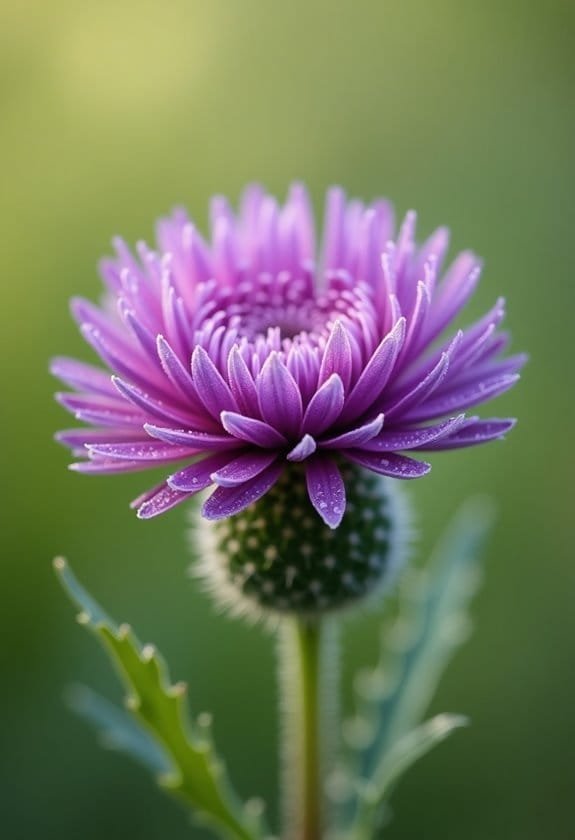
The Greater Knapweed, scientifically known as Centaurea scabiosa, is a striking perennial herb that features large, purple flower heads blooming from June to September. This remarkable plant, native to Europe, typically reaches heights of up to 90 cm and thrives in dry grasslands and well-drained soils.
Its ability to self-seed readily poses an invasive potential, particularly in the United States, where it has become naturalized. As it spreads, Greater Knapweed exerts a significant ecological impact, supporting myriad pollinators like bees and butterflies, consequently enhancing biodiversity in its habitat.
Moreover, the species holds cultural significance; its bold flowers are often celebrated in gardens and landscapes, adding beauty to disturbed areas such as roadsides. The alternate, pinnatifid leaves and thistle-like flowers, which can span 5 cm, contribute to its robust structure, making it visually appealing.