Dianthus barbatus, widely recognized as Sweet William, is a enchanting biennial or short-lived perennial, flourishing with vibrant clusters of blooms. Typically growing between 1 to 2 feet, this beloved plant produces an impressive array of colors, including white, pink, red, and purple. Sweet William thrives in well-drained, slightly alkaline soil and requires full sun for optimum growth, with at least six hours of sunlight daily. Its fragrant flowers attract essential pollinators like bees and butterflies, thereby nurturing garden biodiversity. With proper care, including regular deadheading and vigilant pest management, gardeners can enjoy extended blooming from May to October, revealing a stunning spectacle.
Main Points
- Sweet William (Dianthus barbatus) is a biennial or short-lived perennial flower known for vibrant clusters of blooms in various colors.
- It thrives in well-drained, loamy soil with slightly alkaline pH and prefers full sun for at least 6 hours daily.
- The flowering period lasts from May to October, providing continuous color with individual blooms lasting up to 10 days.
- Sweet William attracts essential pollinators like bees and butterflies, enhancing garden biodiversity and ecosystem health.
- Regular maintenance includes monitoring for pests, deadheading spent flowers, and ensuring proper drainage to prevent diseases.
Introduction
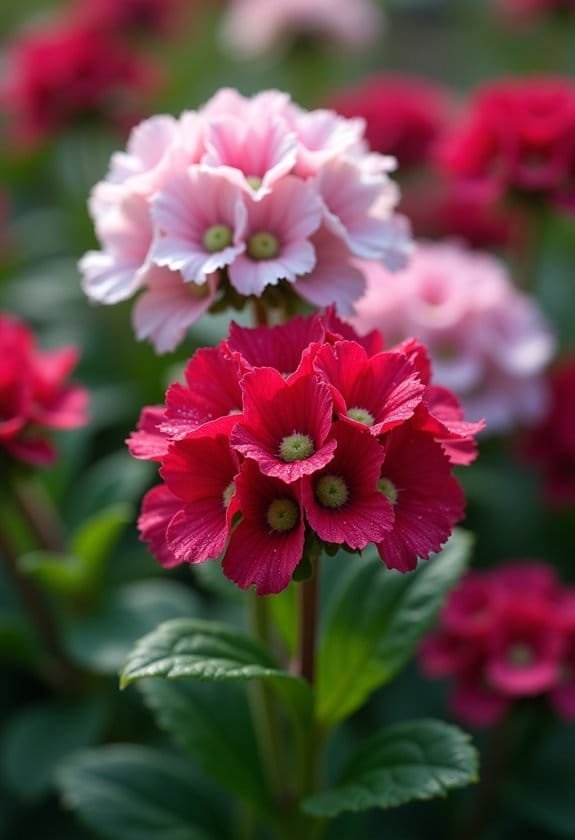
Dianthus barbatus, better known as Sweet William, captivates gardeners with its striking floral displays and delightful fragrance.
This biennial or short-lived perennial typically measures between 1 and 2 feet in height, boasting clusters of densely packed blooms in an array of vibrant colors including white, pink, red, and purple.
A true gem of Southern European origins, Sweet William not only enhances garden aesthetics but also serves as a welcoming habitat for essential pollinators like bees and butterflies.
Common Name
Known by various common names, Dianthus barbatus features prominently in gardens and floral arrangements. One of the most popular names, Sweet William, not only elevates the plant's charm but also fuels intriguing discussions about its origins. Some suggest that it may pay homage to the 18th-century Duke of Cumberland, while others speculate connections to literary giants like William Shakespeare or the revered Saint William of York. Each theory adds layers of allure to this vibrant flower.
In addition to Sweet William, the plant also garners names like bunch pink and bearded pink, which reflect its delightful clusters of blossoms, often teeming with vivid colors that enhance any garden landscape. The French term, Oeillet des Poètes, translates to "little eye" and "carnation," hinting at the flower's delicate petals and ornamental appeal.
Sweet William's popularity is further amplified by its enchanting fragrance and striking visual presence. The flower's characteristic clusters make it an ideal choice for floral arrangements, adding delightful bursts of color and elegance.
Consequently, the myriad names and mesmerizing history of Sweet William continue to inspire gardeners and flower enthusiasts alike, confirming its cherished status in horticulture.
Scientific Name
The scientific name of Sweet William is Dianthus barbatus, a designation that highlights its botanical heritage. The term "Dianthus" derives from the Greek words "dios," meaning divine, and "anthos," which translates to flower. This nomenclature not only reflects the aesthetic appeal of the flora but also its esteemed position within horticulture.
The specific epithet "barbatus," in contrast, emphasizes the flower petals' distinctive fringed or bearded appearance, a characteristic feature of this species that enhances its visual charm.
Dianthus barbatus is a member of the Caryophyllaceae family, illustrating its proximity to other flowering plants within this diverse group.
Originating from Southern Europe and parts of Asia, this remarkable plant has been cultivated for ornamental use since the 16th century. Its enchanting blooms showcase a spectrum of colors, ranging from pure white to deep red and vibrant purple, often in stunning bicolor combinations.
This diversity not only enriches gardens but also fascinates floral enthusiasts, creating a lasting impression in both wild landscapes and cultivated arrangements.
The name Dianthus barbatus embodies this plant's elegance and complexity, firmly establishing its place in botanical classification.
Overview
With its striking array of colors and delightful fragrance, Sweet William fascinates gardeners and floral enthusiasts alike. Scientifically known as Dianthus barbatus, this biennial or short-lived perennial originates from Southern Europe and thrives in temperate conditions.
The plant is recognized for its clusters of fragrant flowers, blooming from late spring until the onset of early frosts, showcasing vibrant shades of red, pink, white, and purple, with each flower measuring about 2-3 centimeters in diameter.
Dianthus barbatus prefers well-drained, loamy soil, flourishing best under full sun to partial shade, and requires a slightly alkaline pH level between 6.0 and 8.0 for ideal growth. While relatively low-maintenance, this plant needs moderate watering, as over-watering can lead to issues such as crown rot and rust.
Remarkably, Sweet William has a tendency to reseed itself, ensuring its perpetual presence in gardens, provided conditions are favorable. Additionally, its enchanting blooms attract an array of pollinators, including bees and butterflies, amplifying its ecological value.
Consequently, Sweet William offers both aesthetic delight and environmental benefits, making it a cherished addition to diverse landscapes.
Key Features
Dianthus barbatus, commonly referred to as Sweet William, typically reaches heights of 1 to 2 feet, spreading gracefully up to 1 foot wide.
Its clusters of small, vibrant flowers, blooming in an array of colors such as reds, pinks, whites, and purples, create a stunning visual display from May to October.
This plant not only enhances garden aesthetics but also thrives with minimal maintenance, making it a popular choice for both novice and experienced gardeners alike.
Growth Size
While growing Sweet William, gardeners can expect mature plants to reach heights between 1 to 2 feet, with a spread of about 0.5 to 1 foot wide. This moderate size makes them an excellent choice for borders or adding vibrant color to garden beds.
Sweet William features stiff, erect stems that support dense clusters of small flowers, each exhibiting diameters of 2 to 3 cm. These clusters can possess up to 30 individual blooms per stem, creating a striking visual display.
Typically classified as biennial or short-lived perennial, Sweet William often behaves as an annual in cultivated settings, blooming generously from May to October. Its robust growth habit further enhances its charm, as it possesses the capability for self-seeding, allowing the establishment of healthy rosettes of lance-shaped leaves at the base of the plant.
This self-sufficiency not only contributes to the plant's resilience but also guarantees a delightful continuation of its vibrant presence in gardens year after year.
Appearance
In spring, Sweet William captivates gardeners with its vibrant clusters of flowers, which bloom in an array of colors like white, pink, red, purple, and even striking bicolor forms.
Dianthus barbatus showcases these delightful blossoms, characterized by their fringed, bearded petals, earning them the common nickname "bearded pinks." Each flower typically measures between 1 to 3 inches in diameter, composed of five serrated petals that come together in beautifully rounded clusters.
Mature plants usually grow to a height of 1 to 2 feet and spread about 0.5 to 1 foot wide, with their stiff, erect stems supporting the flower clusters above prostrate rosettes of lance-shaped leaves.
This elegant arrangement not only enhances the plant's aesthetic appeal but also provides a sturdy framework for the blossoms to thrive, thereby attracting pollinators. Many cultivars of barbatus are available, with variations in flower structure, including double-flowered forms that greatly enhance their ornamental value for gardens.
The unique texture and vivid colors of Dianthus barbatus make it a favorite among horticulturists, ready to brighten any landscape with its picturesque charm.
Flowering Season
For gardeners enthusiastic to enjoy a vibrant display, the flowering season of Dianthus barbatus, or Sweet William, runs from May to October, providing a stunning tapestry of colors throughout late spring and summer.
This flowering plant showcases its enchanting clusters of blooms, typically bright for up to ten days after fully opening. The flowers exhibit a remarkable variety of hues, ranging from pristine white to rich dark red, with many cultivars featuring either single or double blooms.
Under ideal growing conditions, including well-drained, moist soil and ample exposure to sunlight, Sweet William thrives, ensuring its striking colors mesmerize garden observers. Regular deadheading considerably extends the flowering period, allowing gardeners to enjoy fresh blooms throughout the season.
Each dense cluster presents a visual feast, making it an excellent choice for borders or cottage gardens. The ability to produce new blossoms encourages ongoing enjoyment, as the plant's health is nurtured through proper care.
Therefore, understanding the flowering season of Dianthus barbatus not only enhances garden planning strategies but also enriches one's appreciation for this charming perennial beloved by many.
Growing Requirements
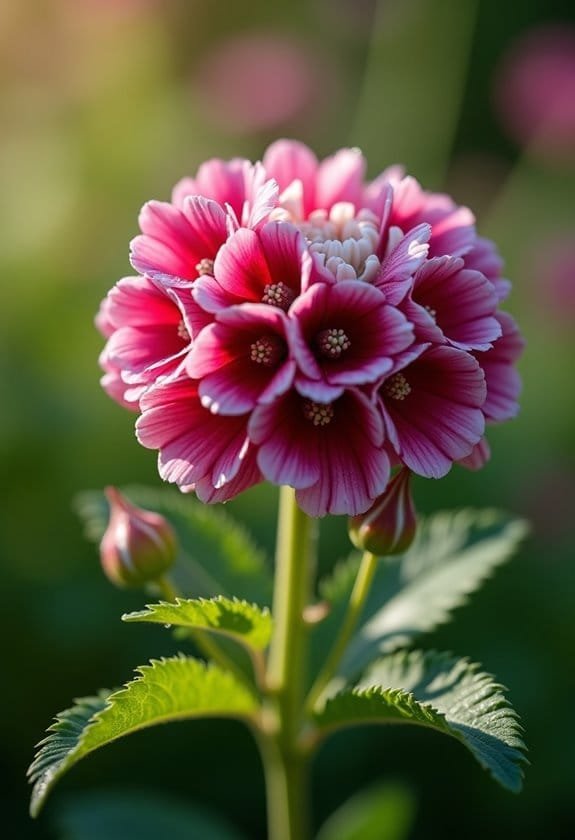
Sweet William (Dianthus barbatus) flourishes in well-drained, fertile loamy soils that embrace a neutral to slightly alkaline pH, ideally between 6.0 and 8.0.
This delightful flower dances under full sunlight, yet shows resilience by tolerating light shade, particularly when summer temperatures soar above 85°F.
To promote vibrant blossoms and prevent root rot, consistent watering is essential, ensuring the soil remains moist but not waterlogged, thereby nurturing this elegant plant throughout its growing season.
Light
Dianthus barbatus thrives under the warm embrace of full sun, requiring at least 6 hours of direct sunlight daily to truly flourish. This radiant exposure is essential for ideal growth and vibrant flowering, enabling the plant to display its stunning array of colors while maintaining robust health. Additionally, plants like Calluna vulgaris underscore the importance of selecting sun-loving species for a flourishing garden.
In hotter summer climates, however, providing some afternoon shade becomes beneficial; it helps alleviate stress and preserves the plant's liveliness.
While Sweet William can tolerate light shade, excessive shade can greatly hinder its performance. Insufficient light leads to weak growth, diminished blooming, and increases the risk of common issues such as fungal diseases, which often thrive in poorly lit environments.
Properly monitoring light availability throughout the growing season is crucial, as sunlight intensity can fluctuate. Additionally, ensuring the plants receive adequate moisture during initial growth is key to developing strong, healthy specimens that can withstand various growing conditions.
For enthusiasts looking to cultivate flourishing specimens, creating an environment that emphasizes full sun exposure is paramount. By ensuring the plants receive ample sunlight, gardeners can foster bolder colors, longer-lasting blooms, and an overall vigorous disposition, culminating in an enchanting floral display that's both pleasing to the eye and sturdy in nature.
Cultivating this sun-loving perennial is a rewarding endeavor when light conditions are adequately addressed.
Soil
The success of Dianthus barbatus hinges on well-drained, fertile, loamy soil, making it crucial for peak growth and blooming. This plant thrives best in slightly alkaline conditions, with an ideal pH range of 6.0 to 8.0, since this soil promotes nutrient availability and fosters robust root health. Additionally, Brooklime's wetland adaptability highlights the importance of understanding specific plant needs to create suitable garden environments.
Choosing the right soil type can't be overstated; improper conditions can lead to serious issues like crown rot and rust that compromise plant health.
Proper drainage considerably impacts the overall health of Sweet William. Poorly draining soil can create an environment conducive to various fungal diseases, potentially stunting growth or even killing the plant.
It's advisable to amend the soil with organic matter, such as compost, which not only enhances fertility but also improves moisture retention. The delicate balance of maintaining moist but not saturated soil conditions is critical, ensuring the plant's ideal growth without overexposing the roots to standing water. Additionally, incorporating plants like Common Yarrow can enhance soil health through its extensive root system, contributing to better overall conditions for your garden.
Water
Maintaining consistent moisture is fundamental for the growth and blooming of Dianthus barbatus. Regular irrigation guarantees that the soil remains moist yet well-drained, creating an ideal environment for these vibrant plants.
However, it's important to avoid waterlogged conditions, as excessive moisture can cause detrimental issues, such as root rot and fungal diseases, which can threaten the plant's health.
During the sweltering days of summer, monitoring soil moisture closely becomes necessary. Without vigilant attention, Sweet William can experience stress, leading to stunted growth and reduced flowering.
While established plants possess moderate drought tolerance, they certainly thrive when given consistent watering, particularly during prolonged dry spells, enhancing their blooming potential.
Moreover, incorporating a layer of mulch around the plants not only retains moisture in the soil but also reduces the frequency of required irrigation.
This protective barrier acts like a gentle shield against the sun, minimizing evaporation and helping to stabilize soil temperatures.
Temperature
Sweet William flourishes in cooler temperatures, making it vital for gardeners to provide the right growing conditions. This plant, scientifically known as Dianthus barbatus, exhibits remarkable cold-hardiness, thriving at temperatures around 50-55°F. This temperature range is fundamental for peak growth and germination, enabling the flowers to develop their vibrant colors and robust characteristics.
However, Sweet William struggles in high humidity and temperatures exceeding 85°F, which can severely hinder its overall health and blooming potential. Maintaining a consistent temperature gradient is essential; extreme heat can lead to stunted growth and sparse flowering.
Conversely, light frosts during its growing season are generally tolerated, demonstrating the plant's adaptability to cooler climates. To cultivate Sweet William successfully, gardeners must manage their growing environments effectively, avoiding the pitfalls of high temperatures and providing ample sunlight. Additionally, planting alongside species like Common Honeysuckle can enhance biodiversity and attract beneficial pollinators to the garden.
Pollinator Criteria
Dianthus barbatus, or Sweet William, draws a fascinating array of pollinators, including bees, butterflies, and moths, thanks to its attractive blooms and plentiful nectar.
With their five-petal configuration, the flowers serve as ideal landing spots, promoting efficient pollination methods that enhance fruit and seed production.
Attracted Pollinators
With vibrant blooms and delightful fragrance, Sweet William (Dianthus barbatus) effectively attracts a variety of pollinators, including bees, butterflies, and moths. The plant's dense clusters of flowers, which typically flourish from May to October, create an inviting oasis for pollinators in search of nectar and pollen.
Each bloom, lasting up to ten days, provides extended access to these resources, encouraging sustained foraging and fueling the life cycles of visiting species.
Furthermore, many cultivars of Sweet William have been selectively bred with strong emphasis on their appeal to pollinators. This endeavor not only enhances the aesthetic value of gardens but also supports biodiversity, allowing various beneficial insects to thrive.
The strategic arrangement of colors and fragrances entices a multitude of pollinators, fostering a vibrant ecosystem in which these creatures can flourish.
Sweet William's remarkable deer-resistant characteristics reduce threats to pollinator populations, ensuring healthy environments where these essential insects can continue their critical roles.
This symbiotic relationship between the plant and its pollinators showcases the intricate balance of nature, reflecting the profound interconnectedness that sustains both flora and fauna in our gardens.
Pollination Method
Attracting a plethora of pollinators, Dianthus barbatus relies primarily on entomophily for its reproduction. This fascinating pollination method involves insects, chiefly bees, butterflies, and moths, facilitating the transfer of pollen between flowers, which is essential for seed production.
The plant's dense flowering structure, comprised of clusters of small blooms, serves as a buffet for these winged guests, providing abundant landing sites and easy access to nectar.
Dianthus barbatus comes in various colorful cultivars, although many lack the sweet fragrance that typically entices pollinators. Fragrant varieties tend to attract a broader range of insects, enhancing their reproductive success.
Additionally, the extended blooming period guarantees that pollinators have nutrition sources from early spring until late summer, fostering biodiversity within gardens. Furthermore, similar to Alexanders, its structural design aids in cross-pollination, ensuring diverse genetic exchange within plant communities.
While Sweet William's vibrant hues and accessible blooms are appealing, the absence of scent in some cultivars can limit their attractiveness. Consequently, selecting fragrant plants can greatly improve pollinator visitation rates, supporting ecosystem health.
Care & Maintenance
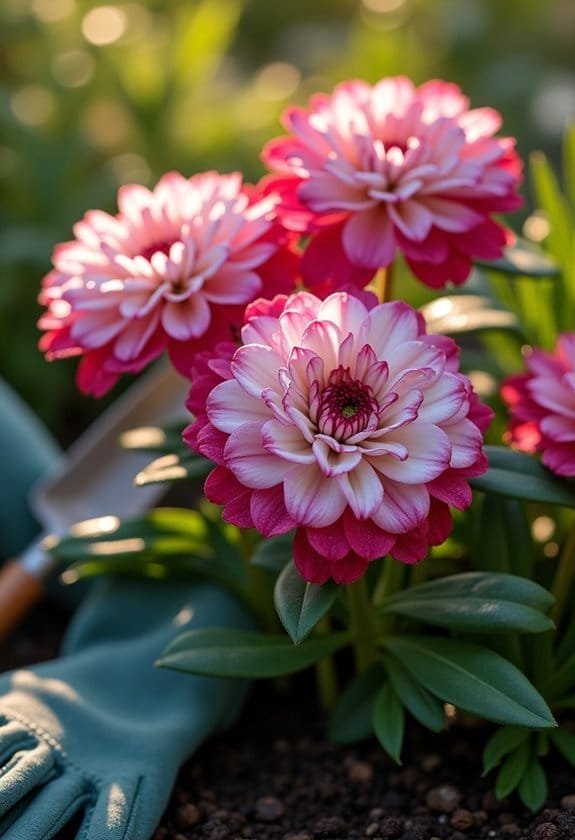
Caring for Dianthus barbatus, commonly known as Sweet William, demands attention to specific needs for ideal growth. It requires well-drained, fertile, loamy soil in a sunny spot, while ongoing maintenance involves regular watering, strategic pruning, and timely fertilization every six to eight weeks, ensuring a vibrant display of blossoms.
Selecting suitable companion plants can enhance both aesthetic appeal and biodiversity in the garden, making the overall landscape more harmonious and resilient.
Planting Tips
To successfully grow Dianthus barbatus, or Sweet William, gardeners should focus on several key planting tips that directly influence its health and blooming potential.
Plant Sweet William in well-drained, fertile, loamy soil with a pH ranging from 6.0 to 8.0. This neutral to slightly alkaline environment provides ideal growth conditions and nurtures vibrant blooms.
It's crucial to verify the plants receive full sun, ideally with some afternoon shade in hotter climates, as this balance prevents heat stress and sustains bloom production.
Regular irrigation is also important, maintaining consistently moist soil without overwatering. Sweet William requires moisture to flourish yet is prone to crown rot in excessively wet conditions.
In addition, deadheading flowers promptly encourages prolonged blooming, promoting plant vigor and extending the flowering season from May to October.
To stimulate new growth and enhance airflow—necessary in preventing fungal diseases like Fusarium wilt—gardeners should prune back foliage in late winter or early spring.
Ongoing Care
Maintaining healthy Dianthus barbatus requires consistent attention throughout the growing season. Regular watering is essential, ensuring that the well-drained soil remains moist but not waterlogged, as overly saturated conditions can lead to detrimental root rot.
To promote ongoing care, gardeners should diligently deadhead spent flowers, which encourages the plant to produce new blooms and enhances its overall vigor.
Pruning Sweet William is vital; ideally performed in late winter or early spring, this process involves cutting above leaf nodes to stimulate fresh growth and improve airflow among the stems. Additionally, applying an all-purpose fertilizer every 6 to 8 weeks supports healthy plant development, enriching the vibrancy of its blossoms.
While tending to these plants, it's important to monitor for common issues, such as fungal diseases. Ensuring adequate spacing among plants not only allows for essential airflow but also mitigates the risk of overcrowding, fostering a healthier garden environment.
Suggested Companions
Sweet William, or Dianthus barbatus, thrives when paired with the right companion plants that enhance its growth and visual appeal. Consider incorporating lavender, which not only deters pests but also attracts beneficial pollinators, fostering a diverse ecosystem within the garden. Combining Sweet William with biennials or perennials like pansies and snapdragons creates a vibrant tapestry of colors, making garden beds truly eye-catching.
Low-growing groundcovers, such as creeping thyme or sedums, serve a dual purpose: they suppress weeds while retaining soil moisture, enhancing soil health and providing a favorable environment for Sweet William's roots. For vertical interest, pairing it with taller plants like foxglove or delphinium can enrich the overall landscape, as these taller companions add dimension without overshadowing Sweet William.
Additionally, incorporating plants like Origanum vulgare can create a fragrant herbaceous border that complements Sweet William's floral display. However, gardeners should exercise caution when selecting companions. Sweet William thrives in slightly alkaline, well-drained soils, making it sensitive to competition for nutrients.
Planting it near highly competitive species may hinder its growth. Consequently, the careful selection of companions is essential to guarantee that Sweet William flourishes in a harmonious garden setting, fully displaying its characteristic charm and beauty.
Common Issues
In the world of Sweet William (Dianthus barbatus), common issues like pests and diseases frequently challenge gardeners.
Fungal diseases, particularly Fusarium wilt, along with pests such as aphids, slugs, and caterpillars, can greatly weaken the plant's vitality and overall aesthetic appeal.
Addressing these concerns through proper soil management and vigilant monitoring can guarantee a thriving display of these vibrant flowers, extending their beauty throughout the growing season.
Pests/Diseases
Dianthus barbatus, commonly known as Sweet William, usually thrives without major pest or disease challenges; however, gardeners should remain vigilant.
Although Sweet William is generally resilient, it can occasionally succumb to pests and diseases that may threaten its health. Aphids, slugs, and caterpillars are the primary culprits that can cause unsightly damage to the leaves and flowers, necessitating careful monitoring.
Poor soil drainage can notably increase the risk of diseases, particularly crown rot, which can lead to a rapid decline in plant vigor and ultimately affect overall garden aesthetics.
Additionally, fungal diseases, such as Fusarium wilt, may cause leaves to curl and warrant immediate attention. Effective soil management practices, including ensuring proper drainage, are critical in mitigating these risks.
Maintaining adequate air circulation around the plants is another preventive measure.
Thinning weak stems allows sunlight and air to penetrate, reducing humidity levels that favor the proliferation of fungal diseases.
Regularly inspecting plants enables gardeners to identify any infestations or disease symptoms early, ensuring that Sweet William remains healthy and vibrant in the garden.
Solutions
Gardeners facing common issues with Sweet William can employ several effective solutions to maintain the plant's health and beauty. One primary concern is crown rot, often exacerbated by poor drainage. To combat this, ensuring well-drained, fertile loamy soil during planting is essential, as it minimizes waterlogged conditions conducive to fungal diseases.
Additionally, careful handling and maintaining healthy soil during transplanting can reduce the likelihood of infections like Fusarium wilt, which causes curled leaves.
Regular deadheading is important; it not only enhances plant vigor but also encourages prolonged blooming, thereby preventing energy diversion towards seed pod development.
Monitoring for pests such as aphids, slugs, and caterpillars is necessary, even though Sweet William typically remains relatively free from severe pest issues. Swiftly addressing any infestation can prevent potential harm.
To avoid overwatering, which leads to yellowing stems, gardeners should allow the soil to dry slightly between watering sessions.
Once the plant's health begins to improve, returning to a regular irrigation schedule can further support its recovery and growth. Additionally, planting Sweet William alongside pollinator-friendly plants can enhance the garden's ecosystem and promote biodiversity.
Can Red Valerian and Sweet William be planted together in the same garden?
Yes, red Valerian and Sweet William can be planted together in the same garden as they both thrive in similar conditions. When planning your garden, consider centranthus ruber (red valerian) plant characteristics and care to ensure proper placement and care for optimal growth and beauty.
Summary
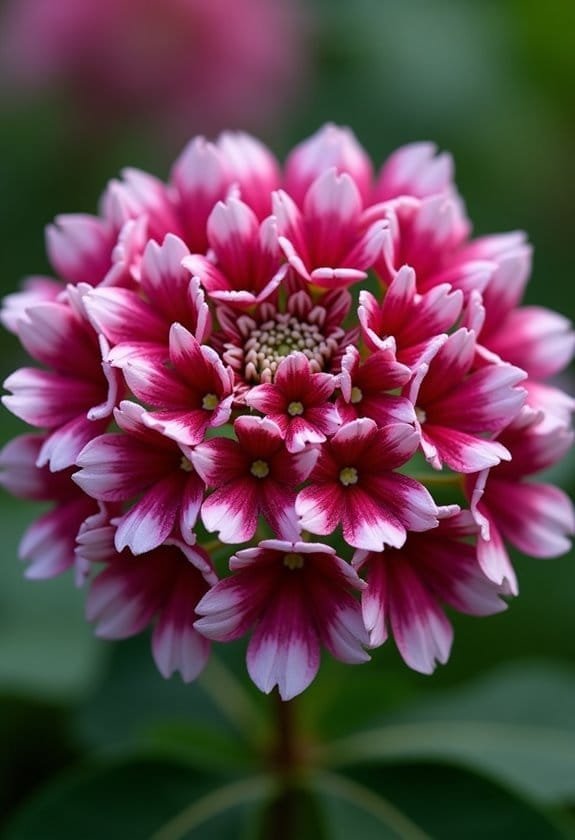
Known for its stunning clusters of vibrant blooms, Sweet William (Dianthus barbatus) is a biennial or short-lived perennial that thrives in Southern Europe. This remarkable plant reaches a height of 1 to 2 feet, displaying flowers in an array of colors, including white and deep red.
Sweet William flourishes in well-drained, slightly alkaline soil and prefers full sun with some afternoon shade, especially in warmer climates.
Propagation of Dianthus barbatus can occur through seeds, cuttings, or division, allowing it to maintain its presence in gardens, as it often self-seeds in ideal conditions. Its ornamental value is undeniable; the plant's ability to attract pollinators such as bees and butterflies enhances its appeal, making it a favorite for cottage gardens and floral arrangements.
Despite its general resistance to pests, Sweet William can still succumb to diseases like crown rot and rust if planted in poorly drained soils. Consequently, diligent soil management becomes essential for promoting healthy growth and vibrant displays.