Inula species, or Harvest Daisy, encompasses roughly 100 species in the Asteraceae family, known for their vibrant yellow flowers. These robust plants thrive in well-drained, loamy soils and generally prefer six or more hours of sunlight daily. They bloom from early summer to early fall, attracting crucial pollinators such as bees and butterflies with their nectar-rich, large blooms. While their aggressive growth can enhance garden aesthetics and biodiversity, it also poses a risk of overshadowing neighboring plants, demanding vigilant management. Understanding these fascinating plants reveals their essential role in ecosystems and their contribution to herbal remedies and landscaping.
Main Points
- Inula, or Harvest Daisy, consists of approximately 100 species within the Asteraceae family, known for vibrant yellow flowers.
- Notable species include Inula helenium, used medicinally for respiratory problems, and Inula britannica, acclaimed for its striking blooms.
- Inula thrives in well-drained, loamy soil with full sun to partial shade, requiring at least six hours of sunlight daily.
- The blooming season spans from early summer to early fall, attracting essential pollinators like bees and butterflies for cross-pollination.
- Aggressive growth can overshadow other plants, necessitating management to prevent ecological disruption in non-native regions.
Introduction
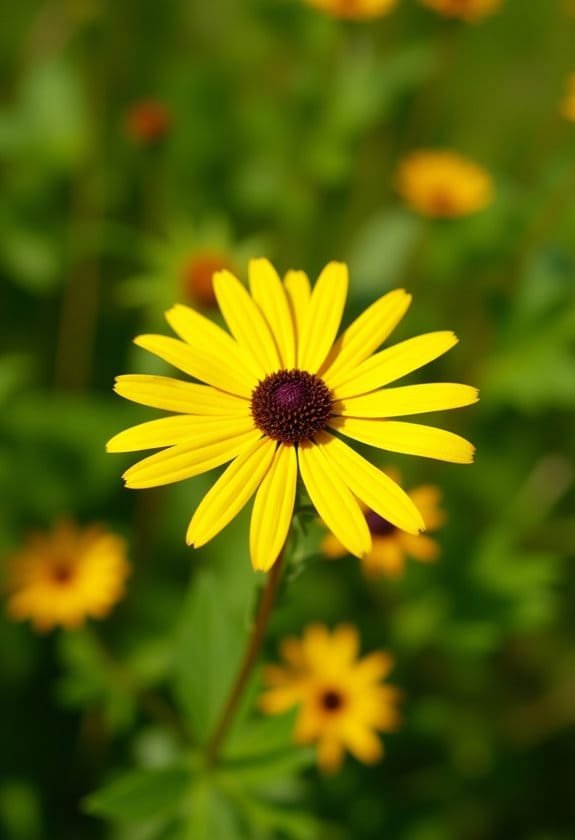
Inula, often referred to as Harvest Daisy, represents a remarkable genus within the Asteraceae family, encompassing around 100 distinct species.
These species, with their vibrant, large yellow flowers, not only enhance the visual appeal of gardens but also offer significant ecological advantages, attracting essential pollinators like bees and butterflies.
Furthermore, certain Inula varieties, such as Inula helenium, hold remarkable medicinal attributes, particularly in traditional herbal remedies targeted at alleviating respiratory ailments.
Common Name
Known collectively as Harvest Daisy, the Inula species include a variety of plants celebrated for their eye-catching yellow aster-like flowers and medicinal benefits.
Among these, Inula helenium stands out, earning the common name Elecampane, which reflects its historical significance in herbal medicine. This plant spreads aggressively, often establishing itself as a prominent feature in gardens and natural landscapes alike.
Another variety, Inula britannica, is affectionately known as British Elecampane, signifying its native roots in Europe. This plant, too, is appreciated for both its striking appearance and its therapeutic applications.
Meanwhile, Inula japonica captivates gardeners with its large, lush foliage and robust growth habit, enhancing decorative borders and wildflower gardens.
Scientific Name
Harvest Daisy, scientifically named Inula helenium, belongs to the Asteraceae family and showcases a variety of remarkable traits. Known also as Elecampane, this perennial plant flourishes with large, showy yellow flowers that brighten gardens from summer through early fall.
Inula helenium is notable for its impressive height, ranging from 2 to 6 feet, while spreading about 2 to 3 feet wide. A fascinating aspect of Inula benefits lies in its roots, which contain alantolactone, a compound with notable medicinal uses but also potential toxicity, capable of causing contact dermatitis in sensitive individuals.
Historically, various cultures have revered Inula helenium not only for its striking aesthetics but also for its therapeutic properties, enhancing its cultural significance. These plants thrive in well-drained, fertile soil and prefer full sun to partial shade, demonstrating adaptability and resilience in various environments.
As gardeners and herbalists explore the multifaceted uses of Inula helenium, they continue to unravel its potential contributions to health and spirituality, illustrating the enduring balance between beauty and functionality in nature's offerings.
Overview
Native to temperate regions, the Inula genus captivates with its vibrant yellow flowers and a diverse array of species, making it a popular choice among gardeners and herbalists alike.
Comprised of approximately 100 species, Inula presents an opportunity for enthusiasts to explore innovative Inula cultivation techniques that guarantee peak growth in well-drained, fertile soil, preferably under full sun to partial shade.
Inula helenium, or Elecampane, stands out for its historical uses in traditional herbal medicine, particularly for alleviating respiratory ailments. This species epitomizes how these plants intertwine with human culture, providing medicinal benefits that have been valued for centuries.
In addition, Inula species contribute considerably to local ecosystems by attracting pollinators, such as bees and butterflies, which enhances overall biodiversity.
The Inula biodiversity impact underscores its ecological importance, as these hardy perennials not only beautify landscapes but also support the delicate balance of pollinator networks.
By recognizing the multifaceted roles of Inula species, individuals can appreciate their contributions, both in cultivating striking gardens and in preserving essential pollinator populations.
Consequently, Inula plants embody a harmonious blend of aesthetic appeal and ecological significance.
Key Features
Inula species, characterized by their impressive growth, can reach heights between 2 to 6 feet, presenting a striking presence in any garden setting.
The plants bloom profusely, showcasing large, vibrant yellow flowers that typically appear in late summer, capturing the attention of various pollinators.
Their distinctive rosette formation and netted leaf veins further enhance their appeal, making these robust perennials not only aesthetically pleasing but also ecologically valuable.
Growth Size
While many gardeners appreciate the striking presence of Inula species, their growth size plays a significant role in landscaping. These perennial plants typically range in height from 2 to 6 feet (60 to 180 cm), with a spread of approximately 2 to 3 feet (60 to 90 cm). This height variation allows for versatile placement in gardens, creating dramatic vertical elements that can complement lower-growing plants.
The rhizomatous growth patterns of Inula contribute to their robust nature, enabling them to propagate aggressively through rhizomes, seeds, and root fragments. Such prolific spreading can be beneficial for filling spaces quickly, yet it also raises space considerations for gardeners aiming to maintain control over their landscape.
Some species, like Inula helenium and Inula japonica, possess unique characteristics, such as larger flower clusters or bolder foliage, further enhancing their appeal.
Ultimately, understanding these growth sizes and patterns helps gardeners make informed decisions when integrating Inula species into their designs. Whether enhancing borders or creating focal points, their substantial presence can inspire lively and dynamic garden environments, inviting admiration throughout the blooming seasons.
Appearance
The striking beauty of Inula species fascinates garden enthusiasts with their large, showy yellow flowers that resemble daisies, commonly earning them the name Harvest Daisy. These vibrant blooms typically feature scraggly yellow rays that encircle a dark central disk, creating a stunning visual contrast. Flower color variations primarily span different shades of yellow, each adding richness to the landscape, inviting pollinators to revel in their charm.
Inula plants can grow between 2 to 6 feet tall, with a spread of 2 to 3 feet, asserting themselves as prominent garden features. Their leaves form lush rosettes, exhibiting unique leaf texture differences characterized by a distinctive netted vein pattern, enhancing their ornamental appeal. The combination of these elements positions Inula as an attractive option for diverse gardening styles.
Habitat preferences for Inula species include sunny locations with well-drained soil, where they can thrive and display their resplendent forms. These plants flourish in a variety of environments, from wild meadows to cultivated gardens, which makes them a versatile choice for both novice and experienced gardeners.
Flowering Season
During the flowering season, Inula species captivate observers with their vibrant yellow blooms that typically grace gardens from early summer to early fall. This flowering timeframe may experience slight variations, depending on the specific species and the local climate conditions. For instance, some varieties can begin blooming as early as late spring, particularly in warmer regions.
The flowers are characterized by a dark central disc, surrounded by scraggly yellow rays, creating a striking display that attracts a multitude of pollinators like bees and butterflies. Inula helenium, among the more prominent species, can grow impressively between 2 to 6 feet tall, enhancing its bold floral presence.
Blooming isn't merely a random occurrence; it hinges on adequate chilling periods, ensuring conditions are ideal for flower production—especially in cooler climates. Consequently, climate impact plays a significant role in the health and vibrancy of these blooms, as regions with fluctuating temperatures can witness marked differences in flowering patterns.
These regional variations underscore the adaptability of Inula species, celebrating nature's diversity while delighting garden enthusiasts throughout their flowering season.
Growing Requirements
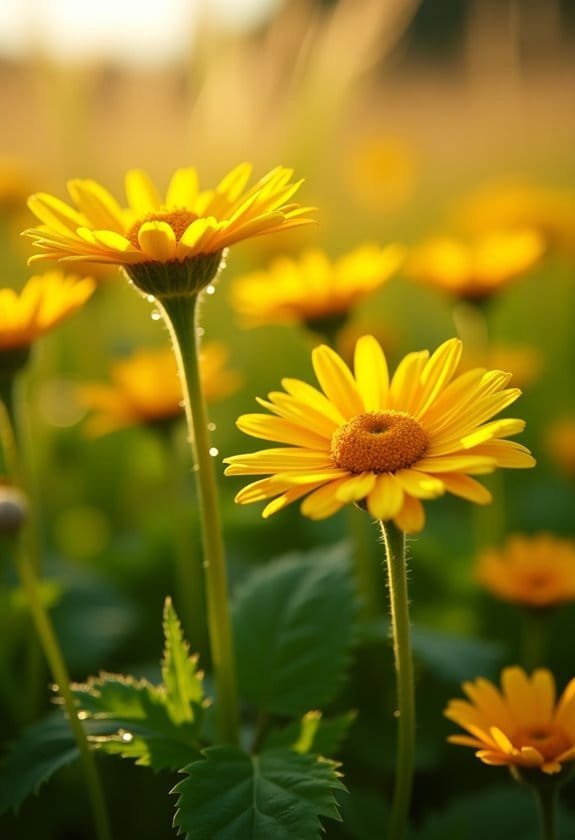
Inula species flourish when provided with the right growing conditions, emphasizing the importance of light, soil, water, and temperature.
These plants thrive in well-drained, loamy soils and require full sun to partial shade, ensuring they receive adequate exposure to grow vigorously.
Maintaining consistent moisture through regular watering and considering their hardiness in USDA zones 5 to 8 establishes a nurturing environment for these resilient perennials.
Light
Proper sunlight is fundamental for the thriving of Inula species, with a requirement of at least six hours of direct sunlight each day to encourage healthy growth and prolific flowering.
These striking plants benefit immensely from optimal light exposure, as it enhances photosynthesis—a process crucial for converting sunlight into energy—resulting in a boost in their overall vigor and resilience against pests and diseases.
While Inula shows some shade tolerance characteristics, inadequate light exposure can lead to elongated stems and greatly reduced flower production, which diminishes their aesthetic appeal.
Consequently, it's essential to choose a planting area that experiences minimal obstruction from larger plants, particularly during peak growing seasons.
Seasonal light adjustments may also prove advantageous, as monitoring light conditions throughout the year allows gardeners to adapt care and maintenance strategies for peak plant performance.
Moving pots or performing selective pruning can guarantee that these daisies receive the sunlight they crave.
Inula species, with their golden blooms and robust foliage, will reward diligent caretakers with vibrant displays, showcasing just how fundamental proper light is to their thriving ecosystem.
Soil
To flourish, Inula species demand deep, rich, moist, well-drained soils that foster ideal growth and health. These plants particularly thrive in loamy soil types, known for their balanced soil fertility and excellent drainage, essential for strong root development.
Soil fertility plays a pivotal role in the overall vigor of Inula, as nutrient-rich environments provide the essential minerals and compounds necessary for their sustenance.
The importance of drainage can't be overstated; while Inula species prefer consistent moisture, they're susceptible to waterlogging, which can hinder their growth and lead to root rot. Hence, regular monitoring of soil moisture levels is critical to maintaining the balance.
Incorporating organic matter into the soil not only enhances nutrient availability but also improves soil structure, facilitating better aeration and drainage. Well-aerated soil encourages robust root systems and allows the plant to access moisture and nutrients effectively.
Although Inula species can adapt to varied soil types, superior results are consistently observed in fertile environments enriched with organic matter, ensuring a flourishing display of vibrant blooms. Consequently, attention to soil conditions lays the foundation for a healthy harvest daisy garden.
Water
Maintaining consistently moist soil is important for the healthy growth of Inula species. These plants flourish in environments where moisture management is prioritized. Effective watering techniques should involve making sure that the soil remains hydrated without becoming waterlogged, as excess moisture can lead to root rot, hindering plant health.
Regular watering becomes particularly essential during dry spells, emphasizing the importance of adjusting frequency based on seasonal rainfall and specific local climate conditions.
Employing mulch around Inula not only serves to retain soil moisture but also regulates temperature and reduces competition from weeds, enhancing overall growth. Inula's moderate drought tolerance allows them to survive short dry periods, yet sustained dryness can adversely affect their health.
As a result, integrating mulch along with thoughtful watering practices fosters ideal hydration levels.
Additionally, fertilizing Inula with an all-purpose organic fertilizer in the spring complements proper watering, promoting robust development and encouraging lush foliage and vibrant blooms.
Ultimately, a balanced approach to watering, coupled with nutrient enrichment and vigilant moisture management, guarantees that Inula species thrive in their full glory, offering a splendid display in the garden landscape.
Temperature
Inula species thrive best in temperate climates, ideally suited for hardiness zones 5 to 8. These plants prefer a specific temperature range that aligns with their growth, flourishing when daytime temperatures reach between 60°F and 75°F.
Climate influence greatly impacts their development, as consistent seasonal variations facilitate the essential chilling period required for flowering initiation. During colder months, these species benefit from cooler temperatures, which stimulate dormancy and promote healthier spring growth. Conversely, the summer heat necessitates adequate moisture, underscoring the need for regular watering. Interestingly, establishing appropriate pollinator relationships can enhance reproductive success in these plants.
While Inula species tolerate diverse soil types, they flourish best in well-drained, fertile, loamy soils. This nutrient-rich substrate helps retain moisture yet allows for drainage—essential during hot, dry periods.
Growth occurs most vigorously when these plants receive full sun or, at the very least, partial shade, with a minimum requirement of six hours of sunlight per day. The understanding of optimal growing conditions for other perennial herbs, such as wild strawberries, can enhance cultivation techniques.
In essence, mindful attention to temperature and moisture will optimize their energy and endurance, allowing gardeners to enjoy the vibrant blooms of harvest daisies through careful cultivation and understanding of their specific environmental needs.
Pollinator Criteria
Inula species are highly attractive to various pollinators, including bees and butterflies, due to their large, sun-hued flowers and sweet, inviting scent.
These characteristics not only enhance the floral display but also facilitate effective cross-pollination, essential for the reproductive success of these perennials.
Attracted Pollinators
Bright yellow daisy flowers of Inula species play an important role in attracting various pollinators, such as bees and butterflies. These vibrant blooms, abundant with nectar, align perfectly with pollinator preferences, providing a rich foraging source during the summer months.
Inula impacts local ecosystems notably by supporting diverse insect populations, fostering biodiversity benefits that extend beyond individual gardens. The large, showy flowers, which typically measure between 1 to 3 inches in diameter, serve as visual cues for pollinators busy seeking nourishment. This interaction enhances pollinator health, as well as the resilience of the ecosystem as a whole.
Inula's prolonged blooming period, stretching from early summer to early fall, guarantees a steady food supply, essential for sustaining pollinator populations during fluctuating environmental conditions.
Moreover, cultivating Inula in gardens actively promotes local pollinator populations, thereby enhancing important pollination services necessary for many crops. By integrating these flowers into garden designs, individuals contribute to a more balanced ecological tapestry, encouraging not only the survival of bees and butterflies but also the flourishing of a myriad of other species, reinforcing nature's intricate web of life.
Pollination Method
Numerous pollinators flock to the vibrant flowers of Inula species, thanks to their efficient design for attracting and supporting these beneficial insects. The large, showy yellow flowers provide both visual allure and functional architecture.
The center contains disc florets that produce valuable pollen, while the surrounding ray florets create a sturdy landing pad, optimizing the chances of pollination. This design not only facilitates cross-pollination benefits—ensuring genetic diversity—but also aligns perfectly with the seasonal blooming patterns of Inula, from early summer to early fall.
During the day, when bees and butterflies are most active, pollination occurs, enhancing the chances that pollen will transfer effectively. Additionally, certain Inula species, such as Inula helenium, exude enticing aromas and display vivid colors that further entice various pollinators.
Care & Maintenance
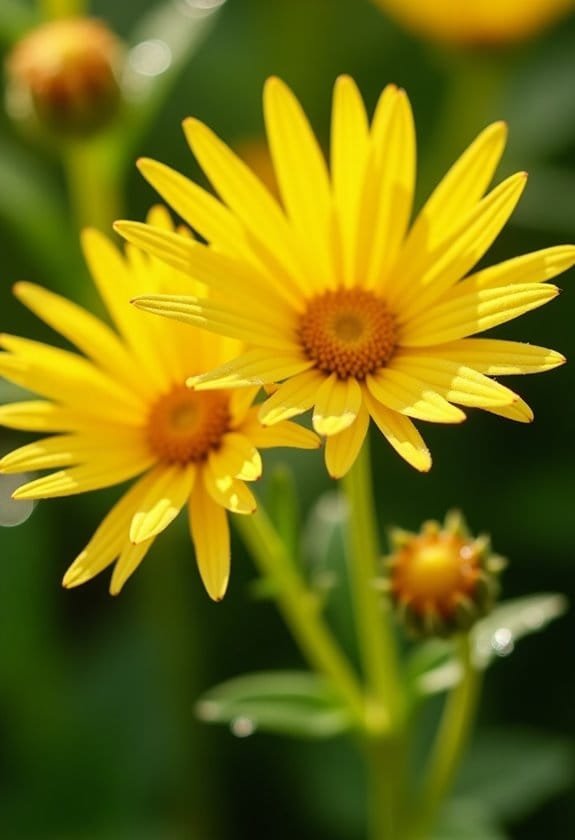
When cultivating Inula species, proper planting techniques set the foundation for vibrant growth.
Ongoing care, which includes consistent watering and strategic fertilization, is vital for these sun-loving plants to flourish.
Pairing them with complementary companions can enhance their aesthetic appeal and ecological impact, making thoughtful choices essential for a thriving garden.
Planting Tips
Successful planting of Inula species requires careful attention to timing and spacing. Gardeners should focus on transplanting timing, selecting either spring, after the last frost, or autumn, to guarantee seedlings are vigorous and capable of thriving in their new environment. These seasons provide ideal conditions for growth, helping the plants establish robust root systems.
When employing effective planting techniques, it's vital to adhere to spacing guidelines. Inula species should be spaced 24 to 36 inches apart, allowing ample room for their considerable height and preventing overcrowding, which can restrict airflow and stunt development. An open planting design not only promotes healthy growth but also enhances visual appeal in the garden.
To support ideal soil conditions, gardeners should consistently water their Inula plants, making sure the soil remains moist but not waterlogged. Utilizing mulch can effectively retain moisture and regulate temperature during dry spells, further supporting plant health.
Additionally, fertilizing with an all-purpose organic fertilizer in spring supplies essential nutrients, setting the stage for vigorous growth and abundant flowering as the season progresses. Common Yarrow can serve as an excellent companion plant, attracting beneficial pollinators to the garden. Successful planting strategies lay the groundwork for a thriving Inula garden, inviting vibrant blooms and delightful fragrances.
Ongoing Care
After planting, ongoing care is necessary for the health and vigor of Inula species. Regular maintenance involves employing effective pruning techniques, such as removing dead or damaged foliage, which encourages vigorous growth and overall plant health.
As these plants can grow quite tall, staking or providing support becomes essential to prevent bending or breaking under their weight.
Seasonal adjustments play an important role in their care. During hot, dry spells, maintaining consistent moisture is paramount. Gardeners should regularly check the soil's hydration levels, as Inula thrives in well-drained yet moist conditions; however, overwatering must be avoided to prevent root rot.
Additionally, applying mulch around Inula not only aids in moisture retention and regulates soil temperature, but it also suppresses weed growth, which competes for nutrients.
Regarding pest management, vigilance is key. Monitoring for pests, particularly aphids, helps maintain a healthy environment. Employing organic treatments guarantees that the plants remain unharmed while deterring potential infestations.
Suggested Companions
What plants can enhance the beauty and health of Inula species? Incorporating companion plants such as asters and rudbeckias noticeably enriches the garden through their shared sunlight and soil requirements. This harmonious pairing not only showcases stunning blooms but also promotes aesthetic garden design by crafting a lush, diverse landscape.
For peak growth, companions should be spaced 24 to 36 inches apart, allowing Inula's aggressive growth to thrive without competition. White clover serves as an excellent ground cover option due to its nitrogen-fixing capabilities, supporting soil fertility while complementing the growth of Inula species.
Utilizing companion plant benefits goes beyond aesthetics; it contributes to effective pest management strategies. Regular monitoring for pests like aphids is essential, and introducing beneficial insects, such as ladybugs, can naturally regulate their populations.
Additionally, mulching around Inula and its companions helps retain moisture while suppressing weeds that detract from garden health.
Moreover, pairing Inula with native species encourages local pollinator activity, fostering biodiversity and enhancing ecological balance. Furthermore, adding flowering plants like Helleborus species can provide vital early-season nectar sources for pollinators, enriching the overall ecosystem.
Common Issues
Inula species, while striking in appearance, often encounter significant challenges related to pests and diseases.
Sensitive individuals may experience skin irritation from handling these plants, primarily due to the toxic compound alantolactone present in their leaves; in addition, aphids might proliferate on Inula, necessitating vigilant monitoring and management strategies.
Additionally, under dry conditions, powdery mildew can thrive, underscoring the importance of maintaining ideal air circulation and humidity levels to safeguard the health of these resilient plants.
Pests/Diseases
Managing pests and diseases is essential for the health of Inula species like Inula helenium. These plants can fall prey to various pests and diseases, with the most notable being powdery mildew, particularly during dry conditions that hinder air circulation. To combat such challenges, gardeners often employ effective pest management strategies. Regular monitoring of plant health, along with the implementation of aphid control methods, can help mitigate pest infestations, ensuring Inula plants thrive.
While vigorous growth of Inula can present some challenges, such as increased competition for resources that may affect neighboring plants, maintaining ideal moisture levels and adequate spacing can greatly diminish the risk of fungal diseases. This nurturing environment not only encourages healthy growth but also aids in fungal disease prevention.
Additionally, it's important for handlers of Inula to be aware of the potential for contact dermatitis, which can occur in sensitive individuals. Consequently, wearing gloves during any interaction with the foliage is advised.
Solutions
Tackling common issues with Inula species starts with proactive measures to manage their aggressive growth habits. They can rapidly spread through fleshy roots, making invasive management crucial to prevent them from overshadowing desirable plants, particularly in non-native regions. Regular monitoring allows gardeners to identify encroachment early and take necessary actions.
Additionally, dermatitis precautions are essential, as sensitive individuals may experience skin irritation when handling Inula. Wearing gloves while pruning or removing foliage can considerably reduce this risk.
It's equally important to maintain plant health through the regular removal of dead or damaged leaves, which not only keeps the plants looking tidy but also prevents pest infestations that thrive in dense growth.
Moreover, effective pest control includes the immediate disposal of root fragments from removed plants, as this minimizes the chances of regrowth.
While organic treatments may manage pest populations, gardeners should also monitor humidity levels to preempt fungal issues like powdery mildew, often exacerbated in overly dry conditions.
Proactively addressing these common issues guarantees that Inula species can be contained and enjoyed without compromising the surrounding ecosystem.
Summary
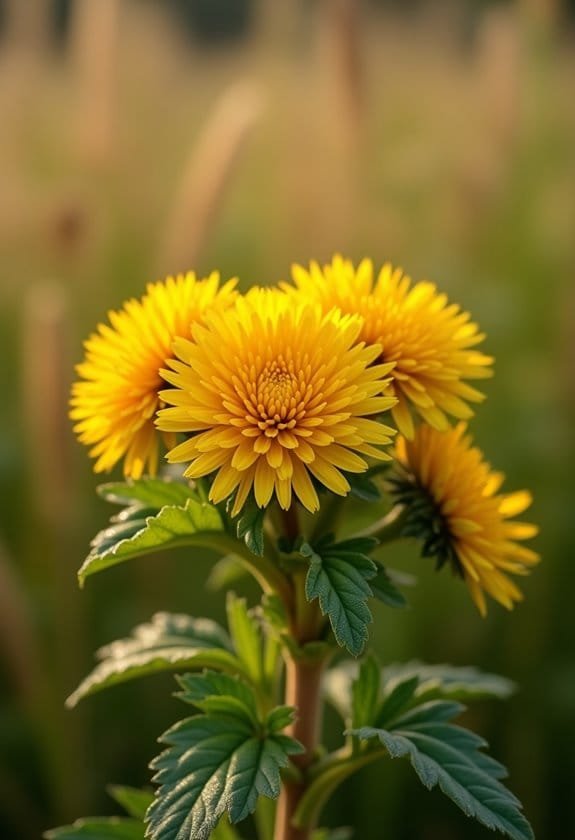
The diverse beauty of Inula species captivates many gardeners and plant enthusiasts. As a genus in the Asteraceae family, Inula comprises approximately 100 species, with notable examples such as Inula helenium and Inula britannica. The former is renowned for its significant medicinal uses, including its applications in traditional herbal remedies, while the latter enchants with its vibrant yellow, daisy-like flowers, often spotted in the UK.
Inula plants thrive in well-drained, fertile soil, preferably basking in full sun or partial shade, rendering them versatile additions to various garden settings. Their impressive blooming period, from early summer to early fall, not only offers stunning visual appeal but also serves a crucial ecological impact, attracting essential pollinators like bees and butterflies.
However, caution is warranted; some Inula species possess aggressive growth habits and may become noxious weeds in non-native regions. Consequently, garden enthusiasts must be proactive in managing these plants to prevent unintended ecological disruptions.