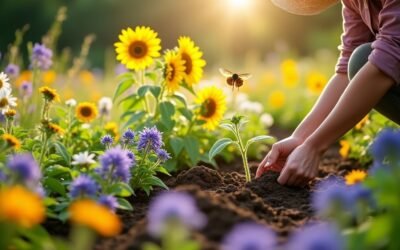
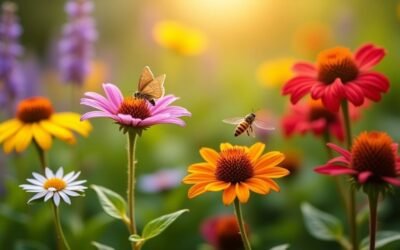
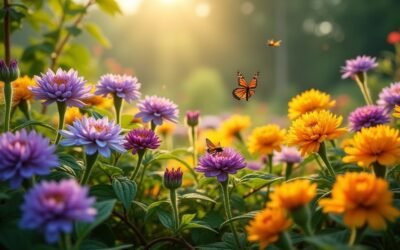
Mentha spicata, widely known as spearmint or garden mint, captivates with its vibrant green, serrated leaves, usually measuring 5 to 9 cm in length. This herb, characterized by its essential oil rich in carvone, thrives between 30 to 100 cm tall. Typically flourishing in well-drained, moist soils with a pH of 6.0 to 7.5, it requires ample sunlight and regular moisture to thrive. Spearmint not only enriches culinary dishes but also plays a crucial role in nurturing pollinators like bees. Cultivating this perennial brings both flavor and ecological benefits, supporting a rich community of life in gardens and kitchens alike.
Main Points
- Scientific Name: Mentha spicata, commonly known as spearmint, is part of the Lamiaceae family and was first described by Carl Linnaeus in 1753.
- Growing Conditions: Spearmint thrives in well-drained, moist soils with a pH of 6.0 to 7.5, requiring 5-6 hours of sunlight daily.
- Aggressive Growth: This plant features rhizomatous roots, leading to aggressive spreading; keep at least 1.5 feet apart to avoid overcrowding.
- Culinary Uses: Spearmint is versatile in cooking, often used in teas, garnishes, and flavoring agents for both savory and sweet dishes.
- Ecological Importance: Spearmint attracts pollinators like bees and butterflies, supporting biodiversity and enhancing ecosystem health through its flowering period.
Introduction
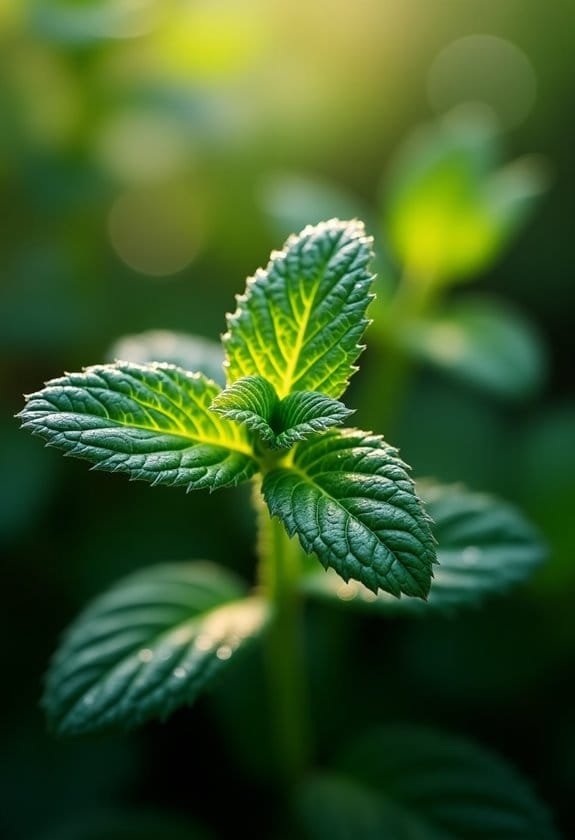
Commonly known as spearmint, Mentha spicata is a perennial herb renowned for its distinctive aroma and culinary applications.
Growing between 30 to 100 centimeters in height, it features serrated leaves and blooms with pink or white flowers during the summer months.
This plant not only captivates the senses but also offers potential health benefits, making it a valuable addition to both gardens and herbal medicine.
Common Name
Often recognized for its invigorating flavor and aromatic qualities, Mentha spicata is better known as garden mint or spearmint. This member of the mint family is distinguished by its bright green, spear-shaped leaves, which lend themselves to both culinary and therapeutic uses. The name "spearmint" reflects this unique leaf shape, in contrast to other mint varieties like peppermint, which possesses a more robust menthol profile.
Historically, spearmint made its way to England through Roman influence in the 5th century, later flourishing in the United States, particularly during the American Revolution, when its therapeutic properties were widely celebrated. Native to Europe, this herb has adapted remarkably well to various regions, becoming a garden staple in both domestic and commercial cultivation.
Spearmint's role extends beyond simple flavor enhancement; its cultural significance is highlighted in mythology, particularly through the Greek nymph Minthe, whose transformation into the plant symbolizes its enduring connection to humanity across civilizations.
Scientific Name
The scientific name of spearmint, Mentha spicata, highlights its classification within the Lamiaceae family, which is renowned for a variety of aromatic herbs. This nomenclature is grounded in history, as Carl Linnaeus first described Mentha spicata in 1753.
The epithet "spicata" derives from the Latin term for "bearing a spike," aptly referencing the plant's distinctive flower structure, which features dense spikes of small blooms.
Interestingly, Mentha spicata is recognized as an allopolyploid species, possessing a chromosome number of 2n=48. This complexity arises from hybridization events with its relatives, particularly Mentha longifolia and Mentha suaveolens. Such hybridization not only enriches the genetic diversity of spearmint but also enhances its adaptability across varying environments.
Within its classification, there exist two accepted subspecies of Mentha spicata: subspecies spicata, commonly found in cultivation, and subspecies condensata, mainly located in the Eastern Mediterranean region.
The extensive synonyms associated with Mentha spicata indicate its broad classification diversity, underscoring the plant's historical significance across various cultures and its enduring appeal in both culinary and medicinal applications.
Overview
Spearmint, known scientifically as Mentha spicata, is a versatile perennial herb cherished for its distinctive flavor and fragrance. Typically growing between 30 and 100 centimeters in height, spearmint features vibrant green leaves adorned with serrated edges, measuring approximately 5 to 9 centimeters long.
During the blooming months of July to September in the northern hemisphere, it produces small flowers arranged in slender spikes, which can display hues of pink or white.
The herb's invigorating taste and aroma are primarily attributed to carvone, a compound that constitutes 50 to 75 percent of spearmint's essential oil, setting it apart from peppermint, which possesses a higher menthol content. Spearmint thrives in organic-rich, moist environments, often in swamps, and adapts well to various soil types, with a prime pH ranging from 6.0 to 7.5.
Culturally significant since at least the 1st century AD, spearmint was introduced to England by Romans and served as a lucrative crop in Connecticut during the American Revolution.
Despite its many virtues, spearmint can occasionally be susceptible to diseases like rust, which could affect its growth and potency.
Key Features
Spearmint, known scientifically as Mentha spicata, typically reaches a height of 30 to 100 centimeters and showcases vibrant, serrated green leaves, measuring between 5 and 9 centimeters long.
From July to September, it reveals its slender spikes of delicate pink or white flowers, marking a significant period in its lifecycle.
This perennial herb's robust growth and attractive features make it not only a culinary delight but also a remarkable addition to gardens, thriving in various conditions while showcasing its lush presence.
Growth Size
A striking feature of Mentha spicata is its impressive growth size. Typically, this herbaceous perennial reaches a height of 30 to 100 centimeters, equivalent to approximately 12 to 39 inches. It showcases an aggressive spreading tendency, courtesy of its rhizomatous root system, allowing it to cover areas efficiently.
The plant's width can span between 1 to 3 feet, highlighting the necessity for at least 1.5 feet of space between individual plants to accommodate its vibrant growth.
Spearmint's leaves, measuring 5 to 9 centimeters long and 1.5 to 3 centimeters wide, boast a bright green hue and serrated edges, adding to its overall visual appeal.
Moving from growth to reproduction, it produces small, delicate flowers in shades of lilac, pink, or white, blossoming from July to September in the northern hemisphere.
This versatile plant flourishes in well-drained, moist soils, comfortably thriving in conditions that range from full sun to partial shade.
Its adaptability to various environments makes Mentha spicata a popular choice for gardeners seeking both beauty and utility in their landscapes, ultimately offering delightful aromas and flavors in culinary applications.
Appearance
One notable characteristic of Mentha spicata is its striking appearance, which stands out in any garden. This herbaceous perennial, commonly known as spearmint, typically grows to heights between 30 to 100 cm (12 to 39 inches), showcasing stems that may be hairless or hairy depending on the environment.
The plant's bright green leaves, measuring 5–9 cm (2–3.5 inches) long and 1.5–3 cm (0.6–1.2 inches) wide, feature serrated edges that contribute to its distinctiveness.
The upright growth habit of spearmint is characterized by its square stems, which allow the plant to root at contact points, facilitating rapid spread through rhizomes. This vegetative propagation not only enhances its presence in gardens but also creates a lush, green carpet of aromatic foliage.
Additionally, the dark green, often highly curled leaves set spearmint apart from other mint varieties, inviting admiration for their unique texture. Such physical features, combined with its vigorous growth, make Mentha spicata an appealing option for gardeners seeking a low-maintenance yet visually engaging plant.
Flowering Season
Blooming from July to September, Mentha spicata transforms gardens into vibrant displays of color. This flowering season features delicate blooms measuring 2.5 to 3 millimeters, arranged in slender spikes that present in alluring shades of pink or white. Each spike hosts a multitude of tiny flowers, collectively enhancing the plant's aesthetics while serving an essential role in attracting important pollinators.
Full sun exposure considerably stimulates the flowering process, ensuring that Mentha spicata thrives and flourishes throughout the summer months. Additionally, the plant's growth and bloom quality necessitate adequate moisture in the soil. Without these conditions, the flowering may be sparse or stunted, depriving gardens of the enchanting sight and scent that spearmint provides.
As the blossoms emerge, it's advisable for gardeners to harvest the leaves prior to the blooms opening. This proactive approach not only preserves the plant's robust flavor but also enhances its aromatic qualities, making it a preferred choice for culinary uses.
Growing Requirements
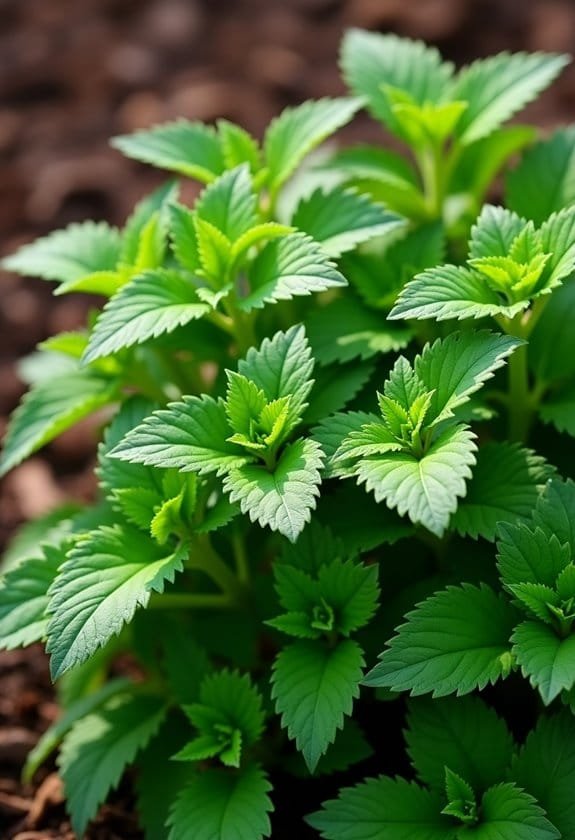
Spearmint (Mentha spicata) flourishes in environments with well-drained, moisture-retentive soils rich in organic matter, ideally maintaining a pH level between 6.0 to 7.5.
Its growth is maximized under full sun to partial shade, necessitating at least 5-6 hours of sunlight each day to enhance flavor and health.
Additionally, regular watering, particularly during warmer months, is essential for sustaining its vibrant foliage and robust growth, making attention to these growing requirements vital for successful cultivation.
Light
For ideal growth and flavor development, spearmint thrives best in full sun to partial shade, ideally soaking up 5-6 hours of sunlight each day. This exposure guarantees robust mint foliage, promoting healthy growth and rich flavor profiles.
In indoor settings, bright, indirect light can suffice, but it typically yields less intense flavor compared to outdoor sun exposure.
In hotter summer regions, providing late afternoon shade is advantageous; it mitigates the risk of leaf scorch while reducing watering needs. Regular, unimpeded light is essential—insufficient sunlight can lead to leggy plants, characterized by spindly stems and sparse leaves, which greatly diminishes overall liveliness.
Spearmint is resilient enough to flourish in USDA zone 4, surviving in diverse climates, provided the light conditions are adequate.
While spearmint plants can face main diseases caused by environmental stressors, such as root rot due to overwatering and various fungal infections, the likelihood of these common diseases in spearmint reduces considerably when plants receive proper sunlight.
Consequently, guaranteeing ideal lighting conditions is imperative for a flourishing mint garden, where health and flavor can thrive harmoniously.
Soil
A well-prepared soil environment is essential for ideal spearmint growth. Spearmint thrives in soils that are well-drained yet retain moisture, rich in organic matter, which bolsters nutrient content and supports healthy development. Achieving a soil pH between 6.0 and 7.5 guarantees that spearmint can effectively access essential nutrients, promoting vigorous growth.
While spearmint adapts to various soil types, its preferred environment is one that offers organic richness. This organic matter not only enhances moisture retention but also promotes beneficial microbial activity within the soil, creating an ideal habitat for roots to flourish.
Furthermore, planting spearmint in raised beds can greatly enhance drainage, reducing the risk of root rot, an affliction that can devastate even the most vigorous plants.
To manage spearmint's aggressive rhizomatous spreading, gardeners can utilize soil barriers. These barriers contain root systems while still allowing adequate moisture and nutrients, creating a controlled environment.
Water
Growing spearmint requires consistent watering to maintain its lush and aromatic foliage. This herb thrives in moist conditions, benefiting from regularly damp soil, particularly during its active growing season in the warmer months. Spearmint's roots appreciate a balanced environment, where soil moisture is adequately maintained without the risk of waterlogging.
To guarantee the plant's finest growth, it's essential to monitor soil moisture consistently, especially during hot or dry spells when evaporation rates increase. Generally, watering once a week suffices, but adjustments are necessary based on factors such as humidity and temperature. When conditions are particularly arid, it may be beneficial to increase the frequency of watering to prevent the plant from experiencing stress.
Adequate moisture not only supports vibrant foliage but also plays an important role in preventing the spearmint from becoming too woody. A well-hydrated plant exhibits a more robust structure and an enhanced aromatic profile, ideal for culinary uses.
Temperature
Spearmint (Mentha spicata) flourishes best in temperatures ranging from 60°F to 70°F (15°C to 21°C), ensuring ideal growth and significance. This temperature range provides the best conditions necessary for the herb's vigorous development.
With considerable hardiness, Spearmint thrives in USDA Zones 4-9, demonstrating its adaptability to various temperate climates, though protection from extreme heat or frost remains essential.
While Spearmint can endure occasional cold temperatures, it exhibits a tendency to die back during winter; however, it resprouts robustly in spring, showcasing its resilience.
Ideally, Spearmint grows in full sunlight, though it can adapt to partial shade in hotter areas, which helps to reduce its water needs. Regular watering becomes important in elevated temperatures, preventing soil from drying out and supporting healthy, lush growth.
Through careful management of environmental factors, including temperature and sunlight exposure, gardeners can cultivate flourishing Spearmint plants, enhancing the herb's flavor and aromatic properties.
Pollinator Criteria
Spearmint (Mentha spicata) plays a crucial role in attracting a diverse array of pollinators, such as bees and butterflies, thanks to its plentiful nectar and aromatic spikes, which bloom from July to September.
This flowering period aligns perfectly with the peak activity of many beneficial insects, enhancing local biodiversity and supporting ecosystem health. Additionally, spearmint shares similarities with Water Forget-Me-Not in its ability to attract pollinators through its generous nectar offerings.
Understanding the pollination method and the specific pollinators that gravitate towards spearmint can illuminate its significance in agricultural productivity and ecological balance. Additionally, like the Small-Leaved Lime, spearmint also offers nectar-rich flowers that are essential for sustaining pollinator populations during their active seasons.
Attracted Pollinators
The sweet nectar of Mentha spicata flowers draws a range of pollinators, such as bees, butterflies, and beneficial insects. This attraction is particularly pronounced during the flowering period from July to September, when many pollinators are actively foraging. The arrangement of spearmint flowers in slender spikes allows for easy access, creating an inviting haven for these vital insects, who play a significant role in effective pollination efforts.
Spearmint's unique ability to thrive in moist habitats underscores its importance in promoting biodiversity within garden ecosystems. By creating an environment that supports a variety of pollinators, spearmint not only enhances the ecology of a space but also contributes to the nutritional needs of these valuable creatures.
Incorporating Mentha spicata in garden designs can make a profound impact, as it provides essential resources for pollinators while simultaneously enriching culinary options for gardeners.
Thus, spearmint serves as a dual-purpose plant, fostering essential pollinator populations and elevating the garden's overall ecological health. In doing so, it exemplifies the interdependence between plant life and pollinators, promoting sustainable gardening practices that benefit both biodiversity and culinary appreciation.
Pollination Method
Many gardeners appreciate how effectively spearmint (Mentha spicata) attracts a variety of pollinators, with bees, especially bumblebees and honeybees, playing a central role in its pollination process.
During its peak bloom period from July to September, spearmint flowers produce a high volume of nectar, providing an abundant food source that entices these essential insects. The flowers' tubular shape allows long-tongued bees to access nectar deep within, facilitating the transfer of pollen important for successful reproduction.
Research underscores the importance of diverse pollinator populations, as they greatly enhance the fruit set and seed production in spearmint plants. This relationship illustrates nature's intricate web, where pollination acts as a bridge between the needs of the plant and the foraging behaviors of bees. Additionally, like white clover, spearmint also plays a crucial role in supporting biodiversity in ecosystems, contributing to overall plant health through increased pollination rates. Furthermore, similar to Common Yarrow, spearmint attracts various species of pollinators, enhancing biodiversity in gardens and landscapes.
To promote effective pollination, gardeners can plant spearmint alongside an array of other flowering plants, creating a hospitable environment for these beneficial insects; this strategy supports the health of local ecosystems, while simultaneously ensuring robust yields.
In essence, the symbiotic relationship between spearmint and its pollinators exemplifies the critical role that biodiversity plays in agricultural productivity and sustainability.
Care & Maintenance
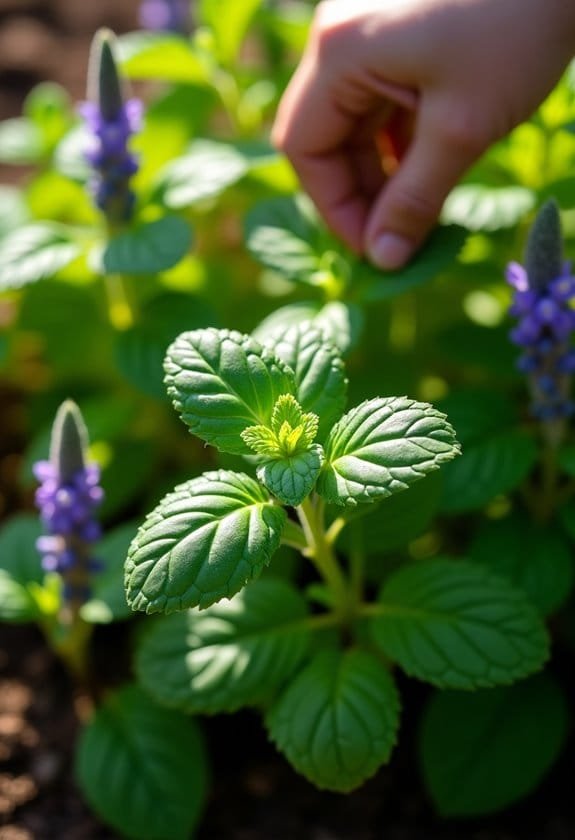
Caring for Mentha spicata requires thoughtful attention to its environmental preferences and growth habits.
It flourishes in well-drained, moist soils with a pH of 6.0 to 7.5, thriving under full sun to partial shade.
Planting Tips
When successfully planting and maintaining spearmint, selecting the right environment is essential. This versatile herb flourishes in well-drained, moist soils with a pH ranging from 6.0 to 7.5, so gardeners should consider utilizing containers to control its vigorous and aggressive spreading tendencies.
Additionally, spearmint delights in full sun to partial shade, requiring about 5-6 hours of sunlight daily to optimize growth and flavor development.
Regular maintenance practices also play a significant role. For instance, cutting back the plants in late fall can encourage healthy regrowth in spring, ensuring the plant stays within manageable bounds.
It's important to water spearmint weekly, maintaining moisture in the soil without creating soggy conditions, especially during hot summer months when additional watering may be necessary.
Spring division serves as another essential strategy. It rejuvenates the plant when production decreases by preventing overcrowding, which can lead to diseases that are common diseases in spearmint. Moreover, spearmint can benefit from mulching, which preserves soil moisture and suppresses weeds, similar to the well-draining soil preferred by chicory.
Ongoing Care
Ongoing care for spearmint is fundamental to secure its vibrant growth and flavor throughout the growing season. Native to Europe, this aromatic herb requires diligent attention to thrive.
Regularly cutting back spearmint plants in late fall fosters healthy regrowth in spring, reducing overcrowding and promoting vigorous growth. Additionally, if production declines, thinning out roots allows for improved air circulation and nutrient absorption, which are essential for sustaining plant vitality.
Spearmint flourishes in organic-rich soil with a pH range of 6.0 to 7.5, making it crucial to monitor and maintain these ideal soil conditions to guarantee overall health.
During warmer months, consistent watering is key, as spearmint prefers well-drained, moist conditions that prevent stress. Furthermore, vigilance in monitoring for fungal diseases such as rust and leaf spot is paramount.
Suggested Companions
Companion planting with spearmint (Mentha spicata) not only enhances its growth but also creates a mutually beneficial garden environment.
Spearmint thrives in well-drained, moist soils and pairs excellently with companion plants such as tomatoes and cabbages, which benefit from spearmint's natural pest-repelling qualities. This synergy helps fend off common garden pests, making both complementary species healthier. Additionally, spearmint can thrive in the same rich, moist conditions that support other beneficial plants like ramsons, enhancing the overall biodiversity of the garden.
To prevent spearmint's vigorous rhizomatic spread, maintaining a minimum distance of 1.5 feet from other plants is recommended.
Additionally, regular cutting back in late fall aids in promoting robust spring regrowth and encourages a bushier growth habit, facilitating easier management alongside its companions.
With a preference for full sun to partial shade, careful attention is required to guarantee that taller companion plants don't overshadow spearmint, stifling its growth.
Furthermore, enriching the soil with organic matter through consistent compost application bolsters the health of spearmint while simultaneously benefiting neighboring plants.
This practice cultivates a rich ecosystem where all species thrive, ultimately contributing to a vibrant and productive garden space. Moreover, spearmint's growth can be enhanced by planting it alongside pollinator-attracting flowers such as fennel, which not only supports local ecosystems but also boosts the overall health of your garden.
Common Issues
Mentha spicata frequently encounters a range of challenges, including fungal diseases like rust and leaf spot that can undermine its vigor and flowering potential.
To maintain a robust spearmint plant, gardeners must adopt proactive strategies, such as regular pruning and ensuring ideal soil conditions, to mitigate these issues. Coltsfoot's tendency to colonize rapidly can serve as a reminder of the importance of soil disturbance in managing plant growth effectively.
Understanding the delicate balance between growth and management enables effective cultivation, allowing spearmint to flourish in its designated space. Additionally, awareness of common pests that affect nearby plants can enhance overall garden health and productivity.
Pests/Diseases
Several common pests and diseases can plague spearmint, potentially hindering its growth and flavor. Aphids, spider mites, and whiteflies frequently infest spearmint plants, often leading to stunted growth and diminished flavor quality. These tiny pests feed on the plant's sap, weakening it and rendering it more susceptible to additional stressors.
Fungal diseases also pose significant threats; rust and leaf spot can emerge in overly damp conditions or areas with inadequate airflow. These diseases often result in yellowing leaves and dieback, leaving plants looking distressed and unappealing.
Effective management includes regular monitoring to identify infested or diseased plant parts, ensuring timely removal to mitigate further damage. Maintaining proper spacing between plants promotes airflow, reducing the likelihood of disease development.
In adverse circumstances, homemade remedies such as neem oil and insecticidal soap serve as organic treatments that help control pests while preserving beneficial insects. By remaining vigilant and addressing issues promptly, gardeners can protect their spearmint's health and preserve its delightful flavor, allowing this aromatic herb to thrive in its full glory.
Solutions
Cultivating healthy spearmint requires vigilance and practical solutions to address common issues. One significant challenge gardeners face includes fungal diseases, particularly rust and leaf spot, which thrive in humid conditions. Regular monitoring is essential; spotting these diseases early can save plants from severe damage or even death.
To mitigate this risk, gardeners should provide ample space—at least 1.5 feet—between each spearmint plant, preventing overcrowding that encourages moisture retention.
Furthermore, ensuring ideal soil conditions is vital; maintaining a pH range of 6.0 to 7.5 with well-drained, moist soil helps guard against waterlogging, a primary contributor to disease development.
For pest management, integrating natural insect repellents aids in preserving the spearmint's flavor and aroma while fostering sustainable gardening practices.
Hence, harvesting spearmint leaves before flowering becomes imperative, as flowering diminishes essential oil content and flavor.
Summary
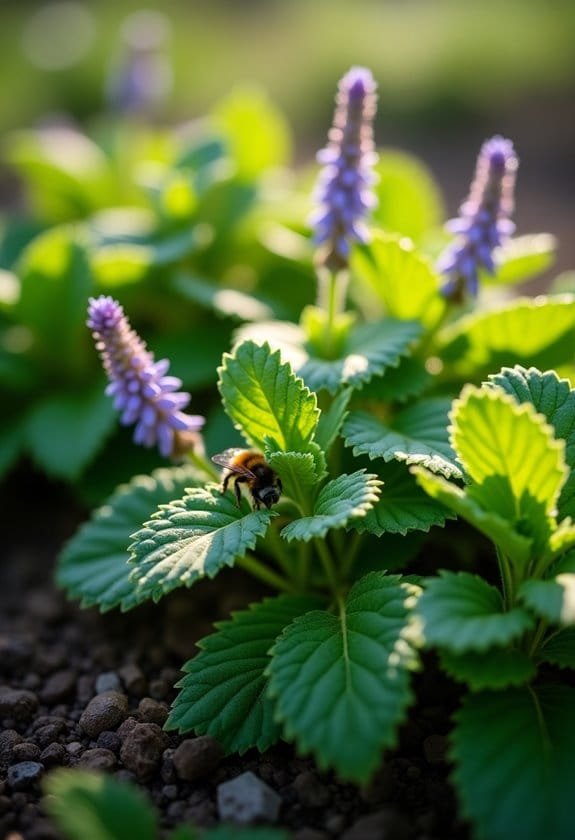
Spearmint, known scientifically as Mentha spicata, is a perennial herb renowned for its serrated, bright green leaves and aromatic flavor profile. Typically attaining heights of 30 to 100 cm, this herbaceous plant flourishes in gardens, especially during its blooming period from July to September.
Its pronounced flavor derives mainly from the compound carvone, which makes up 50 to 75% of its composition, setting it apart from peppermint, which features higher menthol levels.
Historically, spearmint has been significant since at least the 1st century AD, gaining popularity in the United States during the American Revolution as a flavoring agent for mint tea.
Its aggressive growth via rhizomes necessitates careful management to prevent invasive tendencies, particularly in garden settings. As a versatile culinary herb, spearmint excels in applications ranging from invigorating teas to enticing jellies and delightful garnishes.