Origanum onites, or Pot Marjoram, is a resilient perennial herb hailing from the Mediterranean. It typically reaches heights of 30 to 80 centimeters, thriving in well-drained, loamy soils with a pH between 5.5 and 8.5. This aromatic plant exhibits extraordinary culinary versatility, enhancing dishes with its warm, slightly bitter profile, and provides nutritional benefits rich in antioxidants and vitamins. Furthermore, its late summer blooms attract essential pollinators, showcasing its ecological significance. With proper care, including adequate watering and pest management, Pot Marjoram flourishes, promising both aesthetic beauty and health advantages while enchanting those intrigued by its many facets.
Main Points
- Origanum onites, commonly known as Pot Marjoram, is a perennial herb native to the Mediterranean region, reaching heights of 30 to 80 cm.
- It features dark green, fuzzy leaves and produces small pink or white flowers, blooming from late summer to early fall.
- Pot Marjoram is versatile in culinary uses, enhancing the flavor of meats, vegetables, and sauces, and is rich in vitamins and antioxidants.
- The plant thrives in well-drained soils with full sun and is drought-resistant once established, preferring temperatures between -5 and 25°C.
- Pot Marjoram supports biodiversity by attracting pollinators like bees and butterflies, thanks to its flowering schedule aligning with peak pollinator activity.
Introduction
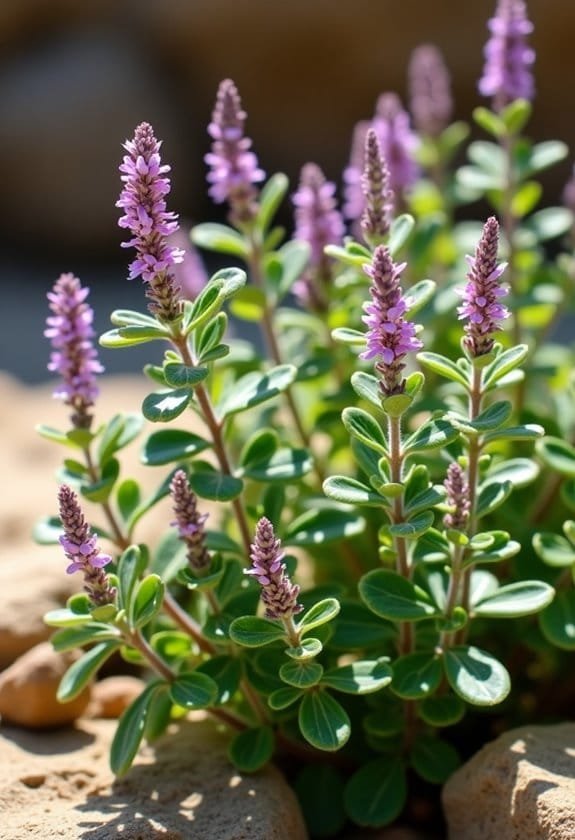
Origanum onites, commonly referred to as Pot Marjoram, embodies a rich heritage as a perennial herb indigenous to the Mediterranean region.
Significantly, this plant stands between 30 and 80 centimeters tall and showcases striking dark green leaves, complemented by delicate pink or white flowers that bloom in late summer through early fall.
Renowned for its unique flavor profile and myriad health benefits, Pot Marjoram serves as a prized ingredient in Mediterranean cuisine, deeply enriching culinary experiences with its warm, slightly bitter essence.
Common Name
Known for its culinary versatility, Pot Marjoram, or Origanum onites, thrives in the Mediterranean region. This herbaceous perennial, belonging to the Lamiaceae family, typically attains heights of 30 to 80 centimeters, exhibiting oval to lanceolate dark green leaves that offer a striking visual appeal.
During the late summer to early fall, small pink or white flowers bloom, attracting pollinators and enhancing the plant's aesthetic charm.
Commonly known as Pot Marjoram, this delightful herb also holds various regional names, reflecting its widespread use across diverse cultures. It's particularly cherished in Mediterranean cuisine, where its distinctive warm and slightly bitter flavor elevates Italian and Greek dishes to new culinary heights.
The herb's versatility allows it to be used fresh or dried, complementing meats, vegetables, and cheeses with ease. Furthermore, Pot Marjoram isn't just a flavor enhancer; it's valued for its potential health benefits, including notable antioxidant properties that contribute to overall well-being.
Scientific Name
The scientific name for Pot Marjoram, a perennial herb prized for its culinary qualities, is Origanum onites. This herbaceous species belongs to the Lamiaceae family, which encompasses a variety of aromatic plants. Native to the Mediterranean region, Origanum onites flourishes in sunny environments with well-drained soils, showcasing its adaptability to specific climatic conditions.
Typically, this plant grows to a height of 30 to 80 centimeters, characterized by its oval to lanceolate dark green leaves, which contribute to its aromatic profile. During its blooming period, which occurs from late summer to early fall, Origanum onites produces clusters of small pink or white flowers. These distinctive blooms aren't only visually appealing but also attract various pollinators.
Known for its warm, slightly bitter flavor, Pot Marjoram enhances the taste of many Mediterranean dishes, from savory stews to rich sauces.
The incorporation of Origanum onites into culinary practices illustrates its versatility, as its unique characteristics elevate ordinary meals. Consequently, understanding the scientific identity of this cherished herb encourages appreciation for its role in both cooking and ecosystem health.
Overview
In the heart of the Mediterranean, Pot Marjoram stands out as a cherished culinary herb, celebrated for its aromatic and flavorful contributions to countless dishes. Scientifically known as Origanum onites, this herbaceous perennial thrives in the warm, sun-drenched landscapes of its native region.
Typically reaching heights of 30 to 80 centimeters, Pot Marjoram showcases oval to lanceolate dark green leaves, adorned with delicate pink or white flowers that bloom between late summer and early fall.
Characterized by a warm, slightly bitter flavor profile, Pot Marjoram finds its way into many Mediterranean recipes, particularly within Italian and Greek cuisines. Beyond its culinary appeal, the herb boasts significant nutritional benefits, being rich in vitamin K. Additionally, it exhibits antioxidant and potential anti-inflammatory properties, linking it to traditional uses in digestive and respiratory health.
Pot Marjoram flourishes in well-drained, loamy or sandy soils, demonstrating drought resistance once established. This resilient plant can be propagated through seeds, cuttings, or division, making it an accessible choice for culinary enthusiasts and home gardeners alike.
Its robust flavor and health benefits continue to endear Pot Marjoram to those who explore the rich tapestry of Mediterranean cooking.
Key Features
Origanum onites, commonly known as Pot Marjoram, typically grows between 30 to 80 centimeters in height, featuring oval to lanceolate, dark green leaves that add a lush quality to gardens.
During its flowering season, which spans from late summer to early fall, the plant showcases small, delicate flowers in pink or white, arranged in a visually appealing corymb-like pattern.
These distinctive characteristics not only enhance its ornamental value but also highlight its adaptability to various garden settings, thriving in well-drained soils under full sun or partial shade.
Growth Size
Typically, Pot Marjoram reaches a height of 30-80 cm (about 12-31 inches) and spreads equally wide. This resilient herbaceous perennial, also known for its close relation to Cretan Oregano, exhibits a bushy growth form characterized by erect stems. On average, it achieves a height and width of 40-50 cm (approximately 16-20 inches), making it a compact yet robust addition to gardens.
As it matures, the plant develops a sturdy woody base, which enhances both its structural integrity and longevity. The fuzzy, oval to lanceolate dark green leaves adapt seasonally, optimizing growth conditions in environments that span rocky or sandy soils.
Remarkably, Pot Marjoram thrives at altitudes up to 1400 m (4600 ft) within its native Mediterranean habitat, showcasing its versatility and resilience. This herb's ability to withstand diverse conditions illustrates its hardiness and adaptability, making it a favored choice for gardeners seeking low-maintenance yet impactful plants.
With its charming stature and ability to flourish in varying terrains, Pot Marjoram serves as a delightful complement to culinary spaces and ornamental gardens alike.
Appearance
Pot Marjoram's striking appearance makes it a standout in any garden. This semi-evergreen subshrub typically reaches a height of 30-80 cm (1-2.5 ft), forming a bushy clump that adds substance and depth to landscapes.
The plant is adorned with lance-shaped, fuzzy dark green leaves, which not only enhance its visual allure but also contribute greatly to its aromatic qualities, especially when brushed against. These leaves exhibit seasonal variations, providing constant interest throughout the year.
As Pot Marjoram matures, it develops a woody base, ensuring resilience against harsher conditions and advancing its overall longevity within various environments. With an approximate spread of 45 cm, it's ideally suited for cultivation in rock gardens, as border plants, or even as effective ground cover.
While Pot Marjoram does produce small flowers that are generally pink or white, arranged in a corymb-like pattern, these will be discussed in the subsequent section. The combination of its unique foliage and structured growth makes Pot Marjoram a versatile and visually appealing component of any garden design, inviting admiration from casual gardeners and horticultural enthusiasts alike.
Flowering Season
During the flowering season, Pot Marjoram bursts into vibrant life, usually from late summer to early fall. This period showcases delicate flowers, which may be pink or white, arranged in striking corymb-like structures that effectively attract pollinators. As the plant reaches an average height of 30-80 cm, its blooms flourish abundantly, painting gardens with a richly textured display.
These small flowers not only charm the human eye but also play an essential role in local ecosystems, as they draw in beneficial insects such as bees and butterflies. This interaction enhances biodiversity, ensuring a flourishing habitat where various species can coexist.
As the Pot Marjoram flowers unfurl, unopened flower buds become particularly valuable; they possess a concentrated flavor that culinary enthusiasts cherish alongside the aromatic foliage.
The flowering season is pivotal, not just for aesthetic pleasure, but also for sustaining essential pollinator populations. In a world increasingly characterized by ecological imbalance, Pot Marjoram stands as a beacon of harmony, effortlessly combining beauty and biodiversity, while enriching both gardens and culinary experiences.
Consequently, during this season, Pot Marjoram embodies a vital linkage between horticulture and ecological health.
Growing Requirements
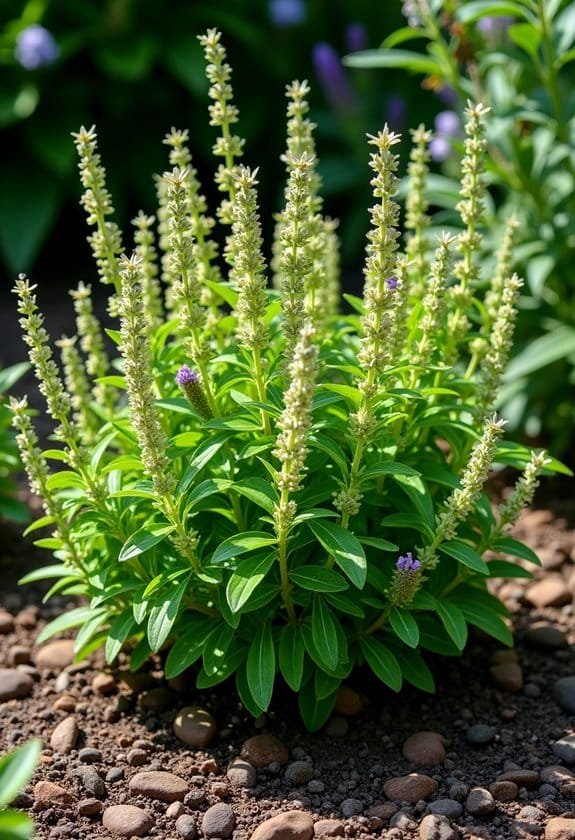
Growing Origanum onites requires careful consideration of its specific needs, which include ideal light, soil type, water, and temperature conditions.
This herb flourishes in well-drained, loamy or sandy soil with a pH range between 5.5 and 8.5, thriving under at least six hours of full sun daily for robust flavor development.
Additionally, once it establishes a strong root system, the plant exhibits remarkable drought resistance, necessitating only moderate watering during its early growth stages, providing flexibility for both novice and experienced gardeners alike.
Light
Although Origanum onites can adapt to various light conditions, it truly flourishes when placed in full sun, preferably basking in at least six hours of direct sunlight each day. This sun exposure not only supports robust growth but also enhances the herb's aromatic qualities, creating a rich flavor profile that many culinary enthusiasts seek.
While Pot Marjoram demonstrates adaptability to partial shade, extended periods of limited light can lead to leggy growth, resulting in decreased productivity and diminished flavor intensity. To foster ideal health, gardeners should consider planting Origanum onites in elevated spots or on slopes, where it can enjoy ample sunlight and proper airflow. Such conditions contribute to the plant's overall vigor, offering a visually pleasing, flourishing herb in any garden.
Light quality and duration directly impact the biochemistry of Origanum onites, emphasizing the importance of strategic placement in sunny environments. Additionally, ensuring that Pot Marjoram is in well-drained soils will further enhance its growth and flavor.
By ensuring that this delightful herb consistently receives full sun, gardeners can cultivate a thriving plant that serves as both an aromatic culinary delight and a stunning garden centerpiece.
As a result, for best outcomes, light should be treated as an essential component in the successful growth of Pot Marjoram.
Soil
Pot Marjoram thrives in well-drained, loamy or sandy soil, making it vital for gardeners to prioritize proper soil conditions. This herb dislikes soggy environments, which can lead to detrimental root rot.
With an ideal soil pH ranging from 5.5 to 8.5, Pot Marjoram enjoys effective nutrient availability that supports its robust growth. While it can tolerate various soil types, including chalk and sand, it struggles in heavy, clay soils unless they receive amendments to enhance drainage. Additionally, Salad Burnet's preference for well-draining soil demonstrates the importance of adapting soil conditions for optimal herb growth.
The plant's preference for full sun to partial shade further complements its growing requirements. Its roots find solace in a stony or rocky soil environment, mimicking the Mediterranean habitat where it originally flourished. Chicory's well-draining soil helps prevent excessive moisture retention, improving conditions for other garden plants.
For those cultivating Pot Marjoram, regular monitoring of soil moisture is essential; overwatering can undermine the plant's establishment, despite its drought-resistant nature once established.
Water
Water management plays an essential role in the successful cultivation of Origanum onites. This resilient herb, once established, boasts remarkable drought tolerance, surviving without water for up to four months. However, for young plants, consistent watering every two to three weeks is fundamental for establishing a robust root system, which directly correlates with their long-term health and vitality.
Deep watering techniques, where the roots absorb moisture thoroughly, can greatly enhance the plant's resilience, particularly during dry periods. Additionally, providing a consistent moisture level around the roots promotes optimal growth conditions.
To maximize water retention and guarantee an equitable water supply, applying mulch, preferably gravel, serves a dual purpose. It not only helps preserve soil moisture but also maintains ideal humidity levels around Pot Marjoram, creating an ideal microenvironment for growth.
Moreover, it's essential to cultivate Origanum onites in a well-drained planting environment, as soggy conditions can obstruct growth. This herb thrives best when its roots can breathe and remain dry amid a balanced moisture regime. Additionally, maintaining consistent soil moisture levels is vital for plant health, illustrating the importance of well-drained substrates in preventing waterlogging.
Temperature
Temperature greatly influences the growth and overall health of Origanum onites. This hardy perennial thrives in temperatures ranging from -5 to -10°C, which allows it to endure mild winters despite its frost-tender nature. Ideal growth occurs when temperatures consistently hover between 15 and 25°C, providing the perfect conditions for development.
Exposure to full sunlight enhances its vitality, but harsh afternoon rays can stress the plant, particularly in extreme heat.
Once established, Pot Marjoram exhibits remarkable drought resistance, requiring minimal water—generally every 2 to 3 weeks during its initial growth stages. It's crucial to avoid severe temperature fluctuations, especially in early spring or late autumn, as young plants are particularly vulnerable to thermal stress.
Even minor shifts in temperature can compromise their development, highlighting the necessity of a stable environment. By ensuring these conditions, gardeners can nurture robust plants that not only flourish but also contribute splendidly to culinary endeavors.
Understanding the requirements of Origanum onites regarding temperature facilitates a richer gardening experience, allowing enthusiasts to cultivate this fragrant herb effectively.
Pollinator Criteria
Origanum onites, with its nectar-rich flowers, attracts a diverse array of pollinators, primarily bees and butterflies, keen for sustenance during late summer to early fall.
The plant employs a method of pollination known as entomophily, where insects transfer pollen from one bloom to another, facilitating fertilization and ultimately seed production. This vital process supports local biodiversity and ecosystem stability, highlighting the interconnectedness of plant and pollinator relationships. Additionally, the fragrant flowers of Origanum onites can serve as landing platforms for pollinators, enhancing their accessibility to the nectar they seek.
Attracted Pollinators
How do certain plants become crucial havens for pollinators? Origanum onites, commonly known as Pot Marjoram, exemplifies this through its prolific, nectar-rich flowers that bloom in late summer to early fall. During this critical period, when many flowering plants diminish, Pot Marjoram provides a much-needed food source for various pollinators, including bees, butterflies, and other beneficial insects. Additionally, many flowering plants contribute to promoting biodiversity within ecosystems by attracting diverse pollinator species.
The small pink or white flowers are arranged in corymb-like clusters, allowing pollinators easy access to nectar. This arrangement markedly enhances foraging efficiency, drawing in insect visitors who seek sustenance.
By cultivating Pot Marjoram in an herb garden, gardeners can actively contribute to local biodiversity, supporting the delicate balance of local ecosystems. Such contributions are essential; as pollinators thrive, they promote the reproductive success of numerous plant species.
Moreover, Pot Marjoram enriches wildlife gardens by fostering a habitat that sustains and nourishes pollinator populations. As pollinators flit from flower to flower, they promote the overall health of garden ecosystems, creating a harmonious environment. In addition, its capability to attract key pollinators, similar to Ajuga reptans, highlights the importance of diverse plantings in supporting ecosystem health.
Consequently, Pot Marjoram stands as a valuable asset, both for enthusiastic pollinators and the gardens that nurture them.
Pollination Method
To attract pollinators effectively, Pot Marjoram has developed specific floral characteristics that cater to their needs. This herb features small, pink or white flowers arranged in corymb-like clusters, ensuring easy accessibility for various pollinators, especially bees and butterflies drawn to its nectar-rich blooms.
During its flowering period from late summer to early fall, Pot Marjoram synchronizes beautifully with the peak activity of many pollinator species.
The pollination method employed by Pot Marjoram not only facilitates reproduction but also enhances genetic diversity within the species. This diversity translates into variations in flavor and fragrance, enriching the overall appeal of the herb.
Additionally, the presence of pollinators contributes considerably to the health of herb gardens, as they foster ecosystem balance and promote biodiversity.
Care & Maintenance
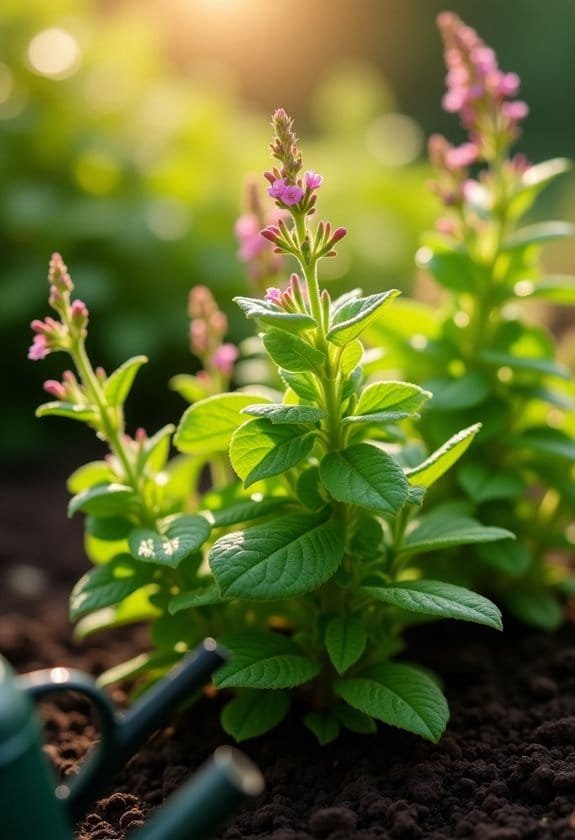
When cultivating Origanum onites, attention to care and maintenance is vital for maximizing the plant's potential.
With moderate watering practices, proper soil drainage, and thoughtful pruning, gardeners can promote robust growth, while the selection of companion plants can foster a thriving ecosystem.
Understanding these essential elements not only enhances the plant's health but also enriches the overall gardening experience, inviting a deeper appreciation for this aromatic herb.
Planting Tips
Caring for Origanum Onites, commonly known as pot marjoram, requires attention to several key factors that guarantee its healthy growth.
To begin with, when propagating young plants, utilizing plug trays can facilitate established root systems while allowing for easier transplanting. Once planted, it's vital to water young pot marjoram every 2-3 weeks, but established plants have remarkable drought tolerance, thriving in arid conditions for up to four months.
Next, choosing the right soil is important; pot marjoram flourishes in well-drained, stony, or sandy soils with a pH level between 5.5 and 8.5. Soggy conditions can severely hinder growth, so proper drainage is imperative.
Additionally, the plant thrives in full sun, although partial shade can be tolerated; however, you should protect it from the harsh afternoon rays to maximize growth potential.
To encourage bushier growth and maintain a desirable shape, regular pruning in early spring is recommended. Hard pruning after flowering stimulates new growth, ensuring a robust plant.
Applying mulch, preferably gravel, enhances moisture retention and drainage, creating an ideal environment for Origanum Onites.
Ongoing Care
Ensuring ongoing care for Origanum Onites keeps the plant thriving and flavorful. This species requires moderate watering, typically every 2-3 weeks for young plants, eventually becoming drought-tolerant and enduring up to four months without water once established.
Deep watering, followed by a layer of mulch, preferably gravel, helps preserve soil moisture during dry spells, contributing to the plant's resilience.
Regular pruning plays an essential role in maintaining shape and promoting bushier growth. Pruning in early spring enhances air circulation and overall health. For best flavor and health, it's advisable to prune after flowering to encourage new growth, while light pruning from late spring to summer prevents legginess and greatly enhances leaf quality, which is important for extracting essential oil.
Origanum Onites thrives best in full sun but can tolerate partial shade; however, protecting it from harsh afternoon sunlight maximizes growth performance.
Through diligent ongoing care, including thoughtful watering, strategic pruning, and ideal sunlight management, gardeners can enjoy a robust pot marjoram plant that's both aromatic and resilient, ensuring a bountiful supply of fresh, flavorful leaves for culinary use.
Suggested Companions
Choosing the right companions for Origanum Onites can greatly enhance its growth and health. When planted alongside culinary herbs like basil, thyme, and rosemary, Pot Marjoram flourishes due to the shared growing conditions and natural pest deterrence these plants provide.
Proper spacing, ideally maintained at 30-45 cm between each plant, promotes air circulation, considerably reducing the risk of fungal diseases and ensuring stronger, healthier growth overall.
Regular pruning serves a dual purpose; it shapes the Pot Marjoram while encouraging bushier growth and enhancing the flavor intensity of its leaves.
With regard to hydration, moderation is key—once established, Pot Marjoram is drought-resistant, requiring watering every 2-3 weeks during dry spells to sustain its development.
Additionally, employing mulch made from gravel or stones can effectively retain soil moisture, when combined with the improved drainage essential for preventing root rot in the well-drained soils favored by Pot Marjoram.
Common Issues
When cultivating Origanum Onites, common issues such as pest infestations and fungal diseases frequently arise, challenging the health and vigor of the plant.
Aphids and spider mites can wreak havoc on foliage, while overwatering often leads to root rot; consequently, vigilant care and proper watering techniques are essential.
Pests/Diseases
While Origanum onites, commonly known as Pot Marjoram, boasts a good level of pest resistance, it can still encounter certain challenges. Among these are pests like aphids, thrips, and spider mites, which may cause considerable damage to the foliage, exhibiting symptoms such as curled or discolored leaves.
Additionally, fungal diseases pose a risk; for instance, powdery mildew thrives in overly humid conditions or when air circulation is poor, leading to a white, powdery appearance on leaves.
Furthermore, root rot represents another significant concern, particularly when Pot Marjoram is cultivated in poorly drained soil. The roots, deprived of oxygen, can decay, ultimately stunting growth. This emphasizes the requirement for well-drained soil and careful, moderate watering.
Vigilance in monitoring signs of distress, such as yellowing leaves or stunted growth, becomes essential for early detection of these pests and diseases. Regular pruning and removal of any diseased foliage can also enhance the plant's overall health, creating a more resilient growing environment.
Solutions
Effectively managing the common issues that can affect Origanum onites guarantees plants remain healthy and productive. One of the primary concerns is watering; overwatering can lead to detrimental root rot. Consequently, the soil must be well-drained, and it's important to only water when the soil feels dry to the touch, particularly for established plants that can withstand drought.
In addition to proper watering, pest management plays an important role in maintaining plant health. Introducing beneficial insects or employing insecticidal soap can mitigate aphid and spider mite infestations, preserving the plant's foliage.
Temperature sensitivity should also be considered; while Origanum onites tolerates temperatures down to -10°C, young plants require protection from frost and must be planted in well-drained soil.
To prevent fungal diseases such as powdery mildew, ensuring adequate air circulation through appropriate spacing and pruning is significant. Avoid overhead watering during humid conditions to decrease moisture on the foliage.
Finally, yellowing leaves may indicate nutrient deficiencies. Utilizing a balanced organic fertilizer high in nitrogen can rejuvenate the plant, promoting lush, green growth while ensuring it thrives, even in partial shade.
Additionally, ensuring that the plants receive adequate sunlight is crucial for their growth and resilience against common pests and diseases.
Summary
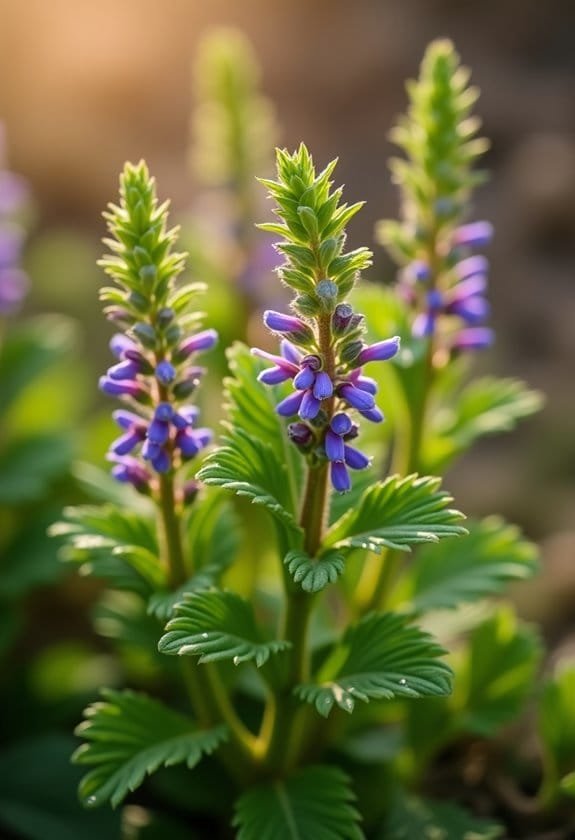
Origanum onites, commonly known as Pot Marjoram, stands out as a versatile herb native to the Mediterranean region. Typically reaching heights of 30 to 80 cm, it showcases dark green, lanceolate leaves, adorned with small white or pink flowers that evoke the beauty of its native landscape.
This herb thrives in well-drained loamy or sandy soils, flourishing best in full sun exposure.
Renowned for its warm, slightly bitter flavor, Pot Marjoram plays an essential role in Mediterranean cuisine, complementing a variety of meats, vegetables, and cheeses. Its health benefits are equally remarkable; rich in vitamins and antioxidants, it serves traditionally as a digestive aid and may possess anti-inflammatory properties.
For novice gardeners, the first year of cultivating Pot Marjoram offers a promising start, as it can be propagated through seeds, cuttings, or division. Regular pruning not only enhances its flavor intensity but also encourages a bushier growth habit, which can be visually appealing in garden settings.
The multifaceted uses of Pot Marjoram in culinary applications and potential health benefits underscore its value as both a plant species and a cherished ingredient in kitchens worldwide.