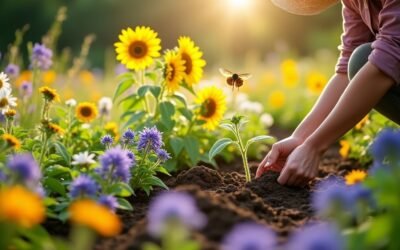
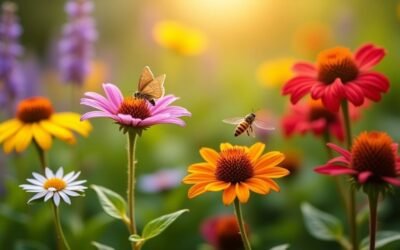
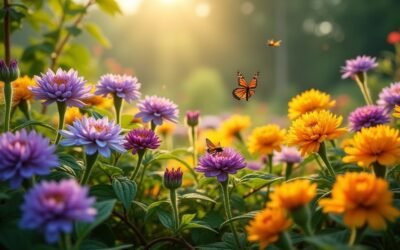
Buphthalmum salicifolium, or Yellow Ox-Eye, is a striking perennial from the Asteraceae family, identifiable by its 7 to 15 cm willow-like leaves and radiant yellow, daisy-like flowers. Growing between 30 to 60 cm tall, this plant flourishes in full sun or partial shade, ideally within moderately fertile, well-draining soil. Native to Canada and the northern United States, Yellow Ox-Eye supports local ecosystems by attracting essential pollinators, thereby enhancing biodiversity. Regular watering and early spring fertilization promote healthy blooms, making it a delightful addition to gardens. Those interested in its ecological impact may find more compelling insights ahead.
Main Points
- Buphthalmum salicifolium, commonly known as Yellow Ox-Eye, features bright yellow, daisy-like flowers and willow-like leaves.
- This perennial thrives in wet meadows, stream banks, and well-drained soils, requiring full sun to partial shade.
- It produces multiple blooms from late spring to early summer, typically growing between 30 to 60 cm tall.
- Yellow Ox-Eye supports pollinators, attracting bees and butterflies, and enhances biodiversity in native plant gardens.
- Regular maintenance includes watering, deadheading flowers, and monitoring for pests like aphids and powdery mildew.
Introduction
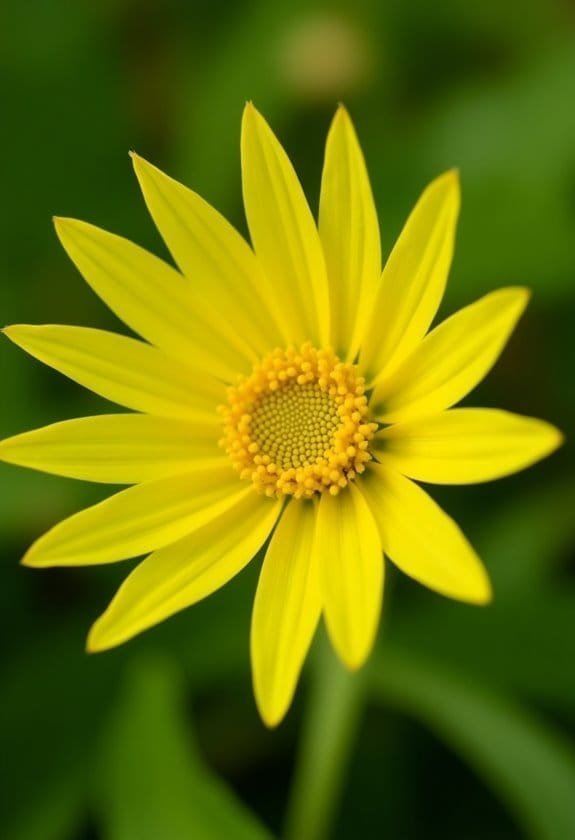
Buphthalmum salicifolium, widely known as Yellow Ox-Eye, stands out as a striking flowering plant within the Asteraceae family.
First identified by Carl Linnaeus in 1753, this herbaceous perennial typically reaches heights between 30 and 60 centimeters, boasting vibrant yellow, daisy-like flowers crowned with a dark brown disc.
As it flourishes in wet meadows and open woods across Canada and the northern United States, this species highlights its ecological significance by supporting diverse pollinators, thereby enhancing local biodiversity.
Common Name
The vibrant blooms of the Yellow Ox-Eye, also known as Willow-leaved Bullseye, bring a sense of cheerfulness to any landscape. With its taxonomy classification firmly in the Asteraceae family, Buphthalmum salicifolium showcases bright yellow flowers that resemble daisies, inviting admiration and enhancing gardens.
The common name, Willow-leaved Bullseye, is derived from its distinctive oblong, willow-like leaves and the round flower heads that attract myriad pollinators, including bees and butterflies.
Culturally, the Yellow Ox-Eye holds significant value as a symbol of purity and cheerfulness, which resonates strongly with gardeners and plant enthusiasts alike. Often found thriving in wet meadows and open fields across Canada and the northern United States, this species brings vibrant color to its surroundings.
Its ecological role extends beyond aesthetics, contributing to local biodiversity and providing essential resources for pollinators.
In ornamental gardens, the Yellow Ox-Eye not only adds beauty, but also fosters an appreciation for the natural world. By understanding its common names and cultural significance, individuals gain insight into the interconnectedness of nature and the importance of preserving such delightful flora.
Scientific Name
As a member of the Asteraceae family, Buphthalmum salicifolium offers a fascinating glimpse into the diversity of flowering plants. This species, commonly known as Yellow Ox-Eye, was first described by the renowned botanist Carl Linnaeus in 1753.
With regard to taxonomic classification, Buphthalmum salicifolium belongs to the Asterales order, which connects it to a broad array of familiar flowering species like daisies and sunflowers.
The specific epithet "salicifolium" highlights one of the plant's most distinctive botanical characteristics—its willow-like leaves, which provide both an aesthetic appeal and functional adaptation for thriving in moist meadows and grassy areas across North America. The lanceolate leaves typically measure between 7 to 15 centimeters in length, exhibiting a bold green hue that captures sunlight beautifully.
While the plant's morphology is integral to its identity, understanding its taxonomic placement illuminates the interconnectedness of diverse plant life within ecosystems.
Overview
Known for its vibrant yellow blooms and adaptability, Yellow Ox-Eye (Buphthalmum salicifolium) stands out in the rich tapestry of North American flora. This herbaceous perennial, belonging to the Asteraceae family, typically reaches a height of 30 to 60 centimeters. Its striking, daisy-like flowers, adorned with a dark brown center, bloom from late spring to early summer, creating a visual feast for gardeners and nature lovers alike.
Native to moist habitats like wet meadows and stream banks, Yellow Ox-Eye thrives in well-drained soils, flourishing in full sun to partial shade. Its ecological benefits extend beyond aesthetics; by attracting various pollinators such as bees and butterflies, this plant supports local biodiversity and fosters a balanced ecosystem.
With oblong, willow-like leaves featuring serrated edges, it mixes harmoniously with both native plant gardens and restoration efforts, enhancing the landscape's aesthetic value.
Yellow Ox-Eye proves to be a resilient choice for gardeners aiming to create vibrant spaces while promoting ecological health. As it graces the landscape with its cheerful presence, this hardy plant embodies the harmony of beauty and functionality in nature's intricate design.
Key Features
Buphthalmum salicifolium, or Yellow Ox-Eye, showcases a remarkable growth size, typically reaching between 30 to 60 centimeters.
Its striking appearance includes bright yellow, daisy-like flowers that bloom from late spring to early summer, attracting various desirable pollinators such as bees and butterflies.
With its oblong, serrated leaves and preference for wet meadows, this herbaceous perennial stands out not only in aesthetic value but also in ecological importance.
Growth Size
The Yellow Ox-Eye typically reaches a height of 30 to 60 cm (1 to 3 feet) at maturity, showcasing its herbaceous perennial nature. This growth size highlights the plant's enduring resilience and clump-forming structure, allowing it to thrive amid various environments. Its growth characteristics are particularly well-suited for moist habitats, such as wet meadows and stream banks, where it benefits from well-drained soil.
Size variations can occur based on environmental factors, including soil quality and moisture levels. In more favorable conditions, such as rich, nutrient-laden soil, the Yellow Ox-Eye may achieve greater heights and produce more vibrant foliage. Conversely, in less ideal circumstances, it might experience stunted growth, yet still exhibits its signature willow-like leaves that feature serrated edges, adding to its appeal.
The flowering period, occurring from late spring to early summer, coincides with its peak growth, during which time it reveals bright yellow daisy-like inflorescences.
Understanding the growth size and characteristics not only helps gardeners appreciate this plant's unique qualities but also informs planting decisions to guarantee peak health and beauty in their landscapes.
Appearance
With its vibrant yellow petals radiating from a dark brown center, Yellow Ox-Eye captivates onlookers during its flowering period. This striking herbaceous plant typically grows to a height of 30 to 60 cm (1 to 3 feet), showcasing a unique aesthetic appeal. The daisy-like blooms are surrounded by an array of bright yellow petals which can present subtle color variations, enhancing its visual allure in garden settings.
The leaf structure of Buphthalmum salicifolium is remarkably distinct, featuring long, oblong, and willow-like foliage. This leaf texture is often serrated along the edges, which not only adds to the plant's charm but also distinguishes it from similar species. These characteristics create a lush, green backdrop that accentuates the cheerful flowers, making the plant a sought-after ornament in landscaped environments.
During the growth season, the combination of the vivid yellow petals and the textured foliage evokes a sense of liveliness, inviting admiration from gardeners and casual observers alike. Beyond their aesthetic contributions, these features also play a role in attracting pollinators, participating actively in the ecosystem that supports vibrant garden life.
Flowering Season
Flowering season typically unfolds from late spring to early summer for the Yellow Ox-Eye, showcasing an impressive display of vibrant yellow daisy-like blooms.
This flowering duration generally extends for several weeks, with blooms peaking as the weather warms. Each flowering stem, which can reach heights of 30 to 60 cm, produces multiple blooms that captivate onlookers with their enchanting appearance.
The bloom characteristics of Buphthalmum salicifolium are particularly striking, featuring a vivid yellow petal array encircling a prominent dark brown disc in the center.
This contrasting color not only enhances visual appeal but also serves as a beacon for various pollinators, including essential bees and butterflies. The presence of these pollinators is crucial, as they support biodiversity by facilitating the plant's reproductive process.
Following the flowering phase, the plant produces seeds, which contribute to its natural dispersal and wider establishment in suitable environments.
Growing Requirements
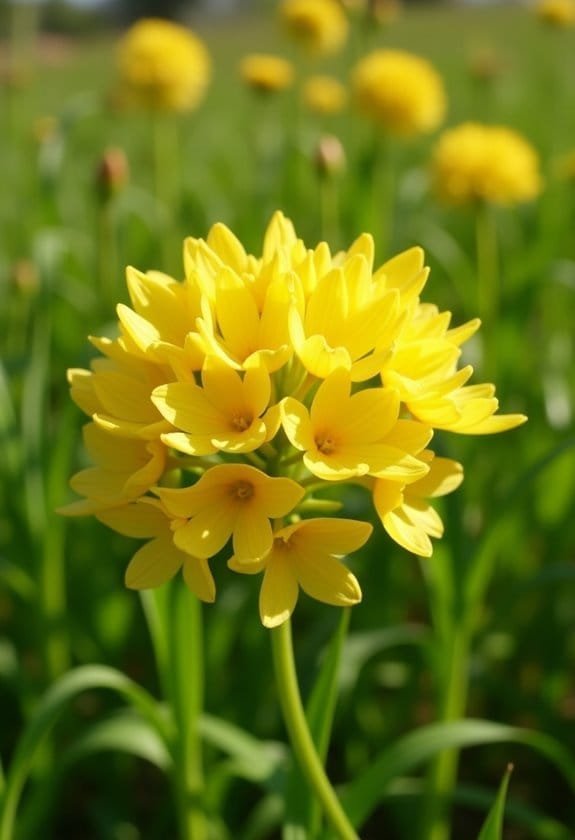
Buphthalmum salicifolium flourishes under specific growing conditions that enhance its vibrant presence in gardens. It thrives in well-draining soil, adorned by the warmth of full sun or gentle partial shade, allowing for maximum growth and resilience.
Water requirements are moderate, with careful attention needed during dry spells, particularly in its formative stages, to guarantee a robust and flourishing plant.
Light
For ideal growth, the Yellow Ox-Eye thrives in full sun to partial shade. This flowering perennial, known scientifically as Buphthalmum salicifolium, requires at least six hours of direct sunlight each day to fully capitalize on sunlight benefits. During its active growth period, particularly in late spring to early summer, abundant light exposure fosters robust blooming and overall health.
Although the Yellow Ox-Eye displays a remarkable ability for light adaptation, it can tolerate mild shade, especially when planted among other species. However, excessive shade can greatly hinder its flowering potential, leading to a sparse display of blooms. Consequently, positioning this plant in a location that receives adequate sunlight allows it to flourish and showcases its vibrant yellow flowers, an appealing addition to any garden.
Moreover, ensuring the plant's exposure to optimum lighting conditions encourages its resilience, contributing to improved liveliness and aesthetic charm in diverse garden settings.
Soil
The Yellow Ox-Eye's growth hinges on its soil preferences, making it essential for gardeners to provide the right conditions. This plant thrives in moist, well-draining soil that maintains consistent moisture without succumbing to waterlogging. Suitable soil composition should boast moderate fertility, as this fosters robust growth and vibrant flowering.
While Buphthalmum salicifolium can withstand periods of drought once established, its health considerably benefits from good soil moisture during arid spells.
To achieve peak growth, regular soil amendments with organic matter—such as compost or well-rotted manure—enhance nutrient availability, promoting a rich environment that supports the plant's developmental needs. These amendments improve soil structure, creating a porous medium that allows for adequate air circulation and moisture retention.
Moreover, the Yellow Ox-Eye often flourishes in environments where the pH level of the soil leans towards neutrality or is slightly acidic, mimicking its native habitat.
Water
Maintaining ideal moisture levels is vital for the Yellow Ox-Eye's growth and blooming potential. Buphthalmum salicifolium prefers regular watering during dry spells, which guarantees robust health and optimal flower production. This species thrives in moist, well-draining soil, so it's imperative to monitor drainage carefully—failing to do so can lead to detrimental root rot.
While the Yellow Ox-Eye demands consistent moisture initially, it demonstrates drought tolerance once established, thereby requiring less frequent watering. Watering techniques that involve deep hydration are particularly beneficial during the planting phase, as they encourage strong root development and resilience, establishing a foundation for future growth.
Regular inspection of soil moisture levels serves as a gauge for determining when additional watering is necessary, guarding against the perils of over- or under-watering.
Incorporating water conservation practices can further enhance the health of this hardy plant. By adapting sustainable watering techniques, gardeners can guarantee their Yellow Ox-Eye flourishes while minimizing environmental impact.
Ultimately, the right balance of moisture contributes greatly to the plant's overall vigor and capacity to produce those vibrant blooms that captivate garden enthusiasts.
Temperature
Thriving in moderate climates, Buphthalmum salicifolium flourishes best with temperatures ranging from 60°F to 75°F (15°C to 24°C). This species displays notable temperature tolerance, allowing it to endure cooler conditions down to 40°F (4°C).
However, it struggles in extreme frost, which can adversely affect its importance and aesthetic appeal. During late spring to early summer, this plant benefits considerably from the contrasting temperatures of warm days and cooler nights, which perfectly complements its flowering phase, promoting vibrant, healthy blooms.
Conversely, when temperatures exceed 90°F (32°C), the detrimental temperature effects become apparent; excessive heat can stress the Yellow Ox-Eye, potentially stunting its growth and reducing vitality.
To guarantee successful establishment, gardeners should plant Buphthalmum salicifolium only after the last frost date. This precaution helps prevent damage during the critical early growth stages, thereby maximizing the plant's health and longevity.
Understanding these temperature dynamics is crucial for cultivating this lovely perennial, allowing enthusiasts to create ideal environments that enhance its growth and ornamental value, assuring it thrives in their gardens for many seasons to come.
Pollinator Criteria
Buphthalmum salicifolium attracts a host of pollinators, particularly bees and butterflies, drawn by its vibrant yellow flowers blooming from late spring to early summer. This plant employs a generalized pollination method, allowing various insects to efficiently transfer pollen while foraging for its rich nectar. The presence of pollinators such as bees and hoverflies is vital for enhancing the reproductive success of flowering plants like the Yellow Ox-Eye. Understanding these pollinator criteria highlights the importance of Yellow Ox-Eye in supporting ecological networks and promoting a diverse array of wildlife in local environments. Additionally, like the Cornflower, it plays a significant role in attracting beneficial insects which are crucial for maintaining garden biodiversity.
Attracted Pollinators
With its rich nectar and pollen resources, Yellow Ox-Eye (Buphthalmum salicifolium) draws a variety of pollinators, most notably bees and butterflies. This native plant flourishes during the late spring to early summer, aligning perfectly with the active foraging season of many pollinators. Its vibrant yellow blooms serve as beacons, enticing these essential insects while promoting their overall populations.
As a member of the RHS Plants for Pollinators program, Yellow Ox-Eye emphasizes its critical role in fostering pollinator habitats. This flowering species effectively attracts diverse insects, which are pivotal for the health of local ecosystems. By offering substantial nutrition, the Yellow Ox-Eye contributes to the balance of urban and rural landscapes alike, providing essential forage for pollinators during essential foraging months.
The ecological benefits of this plant extend beyond mere attraction; it supports local biodiversity, creating a thriving environment that enables various species to flourish. In turn, these pollinators not only assist in the reproduction of flowering plants but also contribute to the overall resilience of ecosystems.
Consequently, cultivating Yellow Ox-Eye promotes sustainable gardening that nurtures wildlife and enhances habitat functionality.
Pollination Method
Insects, particularly bees and butterflies, play an essential role in the pollination of Yellow Ox-Eye (Buphthalmum salicifolium). Throughout its flowering period, which spans late spring to early summer, this plant provides nectar and pollen resources, important for fostering insect interactions. The bright yellow daisy-like flowers not only captivate pollinators but also enhance successful cross-pollination, thereby improving seed set.
The floral structure of Buphthalmum salicifolium is designed for accessibility, featuring wide-open blooms that invite a diversity of pollinators to partake in their bounty. This ease of access greatly increases the likelihood of effective pollination, as insects can readily navigate to the nectar-rich centers.
Additionally, studies indicate that establishing Buphthalmum salicifolium in gardens supports local pollinator populations, thereby enriching overall biodiversity in its habitat.
As a recognized member of the RHS Plants for Pollinators program, Yellow Ox-Eye remarkably contributes to sustainable gardening practices, benefiting pollinator health and fostering a robust ecosystem.
In nurturing these insect allies, gardeners cultivate not only beauty in their spaces but also an essential lifeline for the environment.
Care & Maintenance
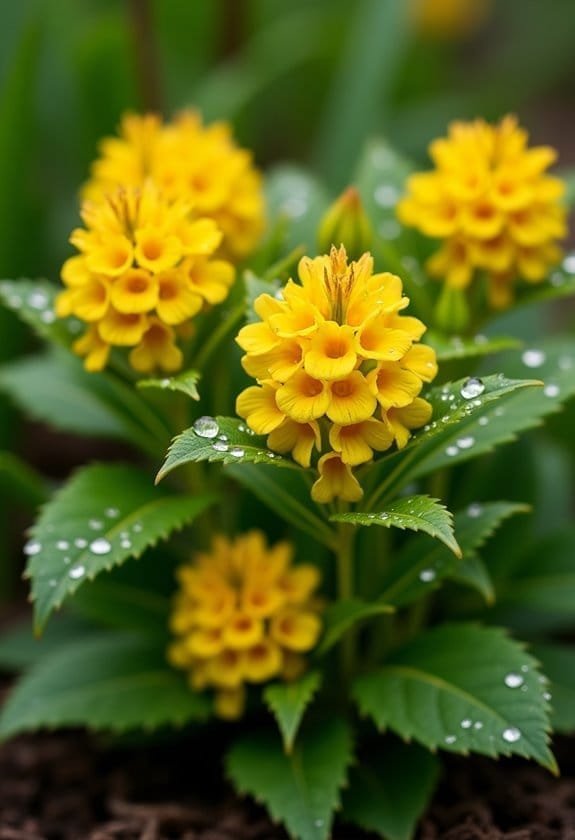
In cultivating Buphthalmum salicifolium, understanding its specific care and maintenance needs is crucial for flourishing growth.
Regular watering guarantees ideal moisture levels, particularly during dry spells, while early spring fertilization considerably enhances its blooming vigor.
Planting Tips
To successfully cultivate Buphthalmum salicifolium, gardeners should focus on providing ideal conditions that encourage robust growth. This perennial flourishes in well-draining soil that retains moderate moisture, making it essential to select an appropriate site. Ideally, planting in full sun to partial shade maximizes growth potential, aligning with its light preferences.
When initiating planting, employing effective planting techniques is vital; spacing the plants approximately 18 to 24 inches apart allows ample room for expansion and air circulation, which fosters healthy development.
During dry spells, consistent watering is fundamental, especially in the early stages of growth. Once established, these resilient plants can withstand periods of drought.
To guarantee vigorous blooming, applying a balanced fertilizer in early spring promotes nutrient availability at a critical growth phase. In addition, deadheading spent flowers not only encourages a profusion of blooms throughout the flowering season but also maintains a visually appealing arrangement.
Gardeners should remain vigilant against pests like aphids, which might threaten the plant's liveliness. Treatment options, such as insecticidal soap, can effectively mitigate infestations, safeguarding the health of this striking addition to any garden.
Ongoing Care
Ongoing care for Buphthalmum salicifolium is essential to guarantee its vibrant growth and blooming throughout the seasons.
Regular watering techniques play a fundamental role, especially during dry spells, ensuring the plant flourishes and maintains its health, particularly in its initial stages of growth. Adequate hydration prevents stress, allowing the yellow ox-eye to reach its full potential.
In early spring, applying the appropriate fertilizer types can markedly enhance the plant's vigor and blossom abundance. A balanced, slow-release fertilizer is ideal for promoting robust green foliage while encouraging beautiful blooms.
Additionally, deadheading spent flowers is vital, as it encourages continued flowering and enhances the overall aesthetic appeal of the plant throughout the growing season.
Pruning also contributes to healthier growth by maintaining a bushier habit and avoiding overcrowding.
Vigilance against common pests, such as aphids, is paramount. Timely treatment with insecticidal soap can swiftly address pest problems, ensuring the plant remains robust and well-groomed.
Suggested Companions
Pairing Buphthalmum salicifolium with compatible companions can greatly enhance garden aesthetics and health. Incorporating native wildflowers like Echinacea purpurea and Rudbeckia hirta not only attracts a diverse array of pollinators but also promotes plant compatibility by thriving in similar conditions, such as moist, well-drained soil and full sun. Ladys bedstraw, known for its yellow flower clusters that emit a sweet fragrance, is also a suitable companion due to its ability to attract pollinators.
The companion benefits are evident as each species supports the others' growth while creating a vibrant, engaging landscape.
Integrating Achillea millefolium can play an essential role in pest management, helping to repel unwanted insects while fostering a healthy ecosystem. Additionally, pairing Yellow Ox-Eye with taller plants like Helianthus annuus introduces structural diversity, enriching visual appeal in layers that evoke a sense of harmony.
To maintain the thriving environment, regular care, such as deadheading companions like Leucanthemum vulgare, can greatly extend bloom periods and enhance the garden's aesthetic value. Notably, the inclusion of Echinacea purpurea contributes to supporting pollinators and biodiversity, solidifying its importance within the companion planting concept.
These thoughtful combinations not only elevate the beauty of individual plants but also weave a dynamic interdependent community that encourages growth, resilience, and flourishing biodiversity, illustrating the profound impact of companion planting in horticulture.
Common Issues
Buphthalmum salicifolium faces several common issues that can hinder its growth and health.
This plant's susceptibility to pests and diseases, like powdery mildew and aphid infestations, requires vigilant monitoring and prompt intervention; for example, maintaining air circulation can help mitigate fungal growth, while insecticidal soap effectively targets unwanted insects. Additionally, the invasive nature of species like wild parsnip can impact local biodiversity, competing with native plants for resources. Furthermore, ensuring proper spacing between plants can help prevent disease transmission and enhance overall vigor.
With proper understanding and management strategies, gardeners can guarantee their plants thrive despite these challenges.
Pests/Diseases
During the growing season, Yellow Ox-Eye can face several common issues relating to pests and diseases. This resilient plant is susceptible to powdery mildew, particularly in humid environments, a condition that can flourish due to insufficient air circulation.
Implementing disease prevention strategies by enhancing airflow and applying fungicides can mitigate this issue considerably. Additionally, overwatering can lead to root rot, underscoring the necessity of proper soil drainage to maintain healthy roots.
Leaf spot diseases, often arising from wet foliage, present another challenge. Affected leaves should be regularly removed to control their spread, as neglect can result in widespread damage.
Regarding pest management, aphids are frequent visitors, targeting the sap of the plant. These pests can be effectively managed with insecticidal soap, which helps maintain their populations.
Regular inspections are invaluable, as they facilitate early disease detection and prompt interventions, ensuring the plant remains healthy.
Ultimately, a proactive approach to both pest and disease management can considerably enhance the health and longevity of Yellow Ox-Eye, allowing it to thrive in diverse conditions while minimizing the risk of detrimental infestations or infections.
Solutions
To effectively address common issues with Yellow Ox-Eye, gardeners should focus on several key strategies. First and foremost, disease prevention is crucial. To combat powdery mildew, which thrives in humid conditions, improving air circulation around the plant is imperative. Implementing fungicides on a preventative schedule can further enhance management efforts. Moreover, like Perennial Sowthistle, the extensive root system of Yellow Ox-Eye can contribute to its resilience but may necessitate management to prevent it from overtaking other plants.
Meanwhile, overwatering poses a significant threat; guaranteeing well-draining soil is critical to prevent root rot, allowing the plant's roots to thrive without water accumulation.
Additionally, leaf spot diseases can arise from wet foliage. Regularly inspecting the plants and promptly removing any affected leaves aids in maintaining overall plant health, promoting robust growth.
For pest control, aphids often present a common challenge. Utilizing insecticidal soap effectively eliminates these pests, safeguarding the plant from damage while preserving its aesthetic appeal.
Lastly, engaging in regular deadheading serves not only to enhance the flowering potential but also reduces the risk of diseases, creating a healthier garden environment. Furthermore, incorporating plants with nitrogen-fixing capabilities can enhance soil fertility and support overall plant health.
What Are the Similarities and Differences Between Yellow Ox-Eye and Golden Yarrow?
Yellow ox-eye and eriophyllum lanatum, the golden yarrow, both belong to the Asteraceae family and exhibit similar daisy-like flowers. However, they differ in height, with yellow ox-eye reaching up to 3 feet tall, while golden yarrow can grow up to 5 feet. They also have different foliage and bloom times.
Summary
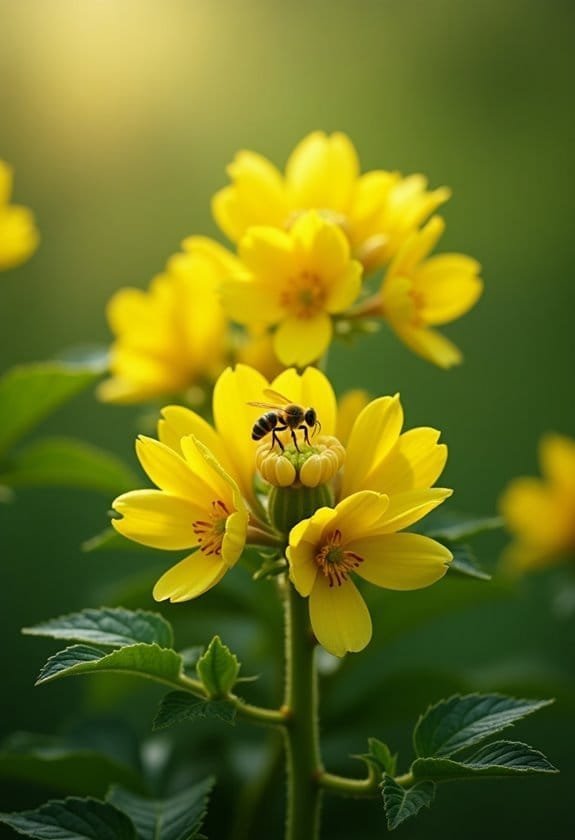
Known for its vibrant yellow daisy-like flowers, Buphthalmum salicifolium, or Yellow Ox-Eye, is a stunning member of the Asteraceae family. This herbaceous perennial, measuring between 30 to 60 cm in height, thrives in well-drained soil and flourishes in full sun to partial shade. It mainly resides in wet meadows, stream banks, and open woods throughout Canada and the northern United States.
The ecological significance of Yellow Ox-Eye is profound; it provides essential nectar and pollen to pollinators, including various bees and butterflies, thereby supporting biodiversity. Consequently, conservation efforts have recognized Buphthalmum salicifolium's role in promoting sustainable gardening and improving local ecosystems. Additionally, its pollination networks contribute to the resilience of grassland ecosystems similar to those supported by Kidney Vetch. Geum rivale, another native perennial herb, exemplifies how such plants can enhance local ecosystem diversity and stability.
Its low-maintenance nature makes it an excellent choice for native plant gardens and restoration projects, allowing gardeners to cultivate a habitat that nurtures wildlife while enhancing landscapes.
As conservation initiatives increasingly prioritize native flora, Yellow Ox-Eye stands as an essential component in efforts to preserve the natural balance within ecosystems. Through its beauty and ecological contributions, Buphthalmum salicifolium not only celebrates nature's artistry but also emphasizes the critical need for responsible stewardship of our environment.