Potentilla species, known as cinquefoils, include over 500 diverse herbaceous plants in the Rosaceae family. These plants are characterized by their distinctive five-petaled flowers, primarily yellow, alongside compound leaves comprised of multiple leaflets. Thriving in cooler climates, Potentilla prefers well-drained, organic-rich soil and full sun exposure, though they tolerate partial shade. They flourish in USDA zones 2 through 7, contributing to garden biodiversity by attracting essential pollinators like bees and butterflies. Care includes regular pruning and watering during dry spells, ensuring vibrant displays and overall health. Understanding their needs can reveal further insights into their ecological importance.
Main Points
- The Potentilla genus, known as cinquefoil, consists of over 500 herbaceous flowering species in the Rosaceae family.
- Potentilla flowers are typically five-petaled and come in colors like yellow, white, pink, or red, attracting pollinators.
- These plants thrive in well-drained, organic-rich soil with full sun exposure and moisture retention, suitable for USDA zones 2-7.
- Potentilla species are beneficial for companion planting, enhancing biodiversity by attracting pollinators and improving garden resilience.
- Common issues include pests like aphids and diseases such as root rot; regular monitoring and management strategies are essential.
Introduction
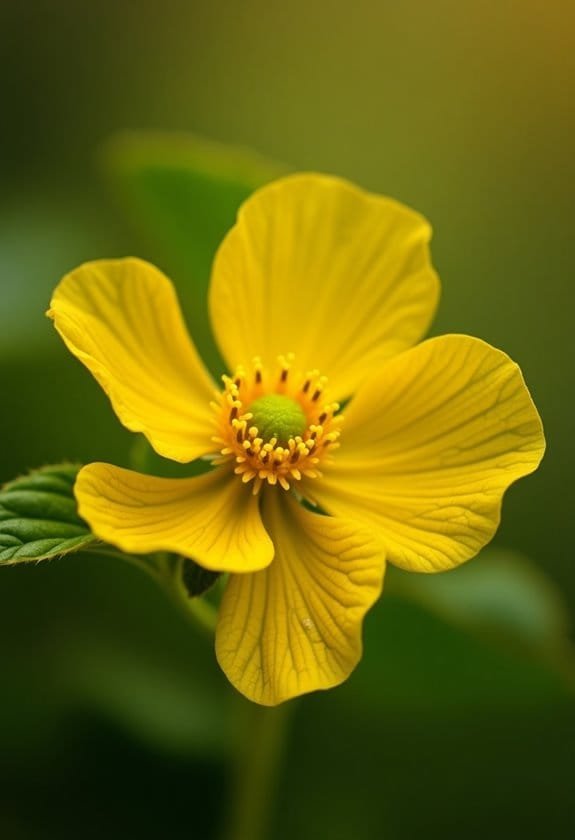
Potentilla, commonly known as cinquefoils, encompasses over 500 species of herbaceous flowering plants distinguished by their characteristic five-petaled flowers and intricate compound leaves.
These resilient plants thrive in cooler climates, offering both aesthetic appeal in gardens and crucial ecological benefits, such as attracting essential pollinators.
With colors ranging from sunny yellows to subtle whites and pinks, Potentilla species stand as a demonstration of nature's beauty and complexity.
Common Name
Cinquefoil, a common name derived from Latin and French roots meaning "five-leafed," aptly describes the characteristic leaf structure of these plants. The diverse genera known as Potentilla exhibit this distinctive five-leaf arrangement, making the term particularly fitting.
Often referred to as barren strawberries or tormentils, species within the Potentilla genus resemble strawberry plants in leaf form, despite offering inedible fruits.
Among the most remarkable is the European cinquefoil (Potentilla reptans), the type species for the genus, first described by the renowned botanist Linnaeus in 1753. This classification underscores its importance in botanical studies and its central role in understanding variations within the genus.
Noteworthily, common tormentil (Potentilla erecta) is well-recognized for its application in traditional herbal medicine, celebrated for anti-inflammatory and digestive properties. Tormentil's tannins are particularly noted for their therapeutic benefits.
Cinquefoil plants have adapted remarkably to an array of habitats, contributing considerably to local ecosystems. Their impact on biodiversity is profound, often serving as essential forage for various pollinators and wildlife. Additionally, some species like Potentilla contribute to soil quality through nitrogen fixation, enhancing their surrounding environment.
Scientific Name
The scientific classification of cinquefoils reveals a rich diversity within the genus Potentilla, which is part of the Rosaceae family. This genus includes over 500 species of herbaceous flowering plants, showcasing a remarkable adaptability to various ecosystems across the globe.
The type species, Potentilla reptans, commonly known as the European cinquefoil, was first described by Carl Linnaeus in 1753 and serves as a critical reference point for botanists studying this group.
Cinquefoils exhibit a stunning array of flower colors, mainly yellow, but they can also manifest as white, pinkish, or even red, adding to their visual appeal.
Morphologically, the genus Potentilla is characterized by palmate leaves, which contain 3 to over 15 leaflets per leaf, typically adorned with five petal-like structures in their delicate flowers.
In their habitat, these plants can be either erect or creeping shrubs, further reflecting their versatility.
The scientific name of Potentilla serves not merely as a label but as a key to understanding their ecological roles, evolutionary history, and potential uses in horticulture and medicine, marking them as significant contributors to biodiversity.
Overview
What makes the Potentilla genus truly fascinating is its extensive range of over 500 species, each showcasing a unique blend of morphology and ecology. Commonly known as cinquefoils, Potentilla species are characterized by their striking five-petaled flowers, alongside palmately compound leaves that add to their aesthetic appeal.
These flowers display an array of colors, including vibrant yellows, soft whites, delicate pinks, and deep reds, enriching the landscapes where they grow. Predominantly thriving in cool and cold regions, Potentilla species find themselves in diverse habitats such as meadows, fields, and gardens.
Beyond their visual allure, many of these plants play essential ecological roles, supporting a variety of pollinators that contribute to local biodiversity. Furthermore, Potentilla species hold significant medicinal applications; for instance, common tormentil (Potentilla erecta) is revered in traditional herbalism for its effectiveness in addressing inflammation and digestive concerns. Additionally, the ecological role of plants like meadow buttercup in preventing soil erosion highlights the interconnectedness of these species in their habitats.
Ultimately, the Potentilla genus, with its intriguing characteristics and contributions to both ecology and herbal medicine, serves as a remarkable demonstration of nature's diversity and utility.
Key Features
Potentilla species, commonly recognized for their distinctive growth size and aesthetic appeal, typically reach a modest height of around one foot.
Their striking appearance—encompassing five-lobed leaves and vibrant flowers—invites admiration, with blooms occurring in various shades like yellow, white, pink, and red.
Flowering season generally spans from late spring to early summer, showcasing their role as essential resources for pollinators and enhancing biodiversity in their habitats.
Growth Size
Many Potentilla species vary considerably in growth size and structure, typically reaching heights between 2 and 20 inches depending on the variety and environmental conditions.
Among these, the common tormentil (Potentilla erecta) showcases a low-growing habit, rarely exceeding 1 foot. Its unique ability to reroot at leaf nodes allows this herbaceous perennial to thrive even when conditions are less than ideal, promoting its spread across the landscape.
Cinquefoils exhibit a sprawling growth pattern, forming dense patches that can quickly blanket areas, particularly in favorable environments. This characteristic not only enhances their aesthetic value but also supports ecosystem health by providing ground cover.
Some species of Potentilla adopt shrub-like forms, reflecting the diversity within the genus and allowing them to adapt to a variety of habitats.
Typically, their growth rate accelerates during spring and summer, enabling them to blossom vibrantly in the summer and fall seasons. This dynamic growth cycle underscores the ecological significance of Potentilla species, as they contribute to pollinator habitats while enriching biodiversity in gardens and natural settings alike.
Appearance
Cinquefoils display distinctive features that make them easily recognizable. Potentilla species typically showcase five-lobed, palmately compound leaves, which can consist of anywhere between three to over fifteen leaflets, an indication of their diverse morphology.
The vibrant flowers, primarily yellow, boast a striking diameter of roughly one inch, although variations can delight the eye with shades of white, pinkish, or red. Each flower comprises five heart-shaped petals, creating an attractive visual contrast against numerous yellow-tipped stamens that gracefully shift to a red hue with age. Complementing this display, five green, pointed-tipped sepals, which are prominently shorter than the petals, cradle the flowers.
The common tormentil (Potentilla erecta) exemplifies the genus's unique appearance, characterized by its low-growing, sprawling nature, rarely exceeding one foot in height, and its remarkable ability to reroot at leaf nodes, enhancing its resilience in various habitats.
Variability among the Potentilla species is evident, as differences in sepal length and leaflet arrangement serve as key identification markers. These features collectively present an engaging study of nature's artistry, showcasing the intricate adaptations that allow these plants to thrive.
Flowering Season
The vibrant blooms of Potentilla species typically grace gardens and natural landscapes from late spring to early fall. This flowering season varies slightly depending on the specific species and regional climate, but enthusiasts can generally anticipate these delightful flowers emerging during this timeframe.
Largely, the blossoms exhibit bright yellow hues, yet some varieties enchant with shades of white, pink, or even red. Each flower averages about 1 inch in diameter, presenting five heart-shaped petals adorned with a multitude of yellow-tipped stamens, creating a striking visual appeal. Their unique structure enhances not merely their beauty but also their role in ecosystems, attracting essential pollinators such as bees and butterflies, who revel in the nectar-rich sustenance offered during the peak flowering season.
Flowers typically appear singly at the ends of long, naked stalks extending from leaf nodes, which contributes to their distinguished presence through the growing season. This arrangement allows them to stand out vividly against surrounding foliage, ensuring that they captivate the eyes of any passerby and support crucial ecological interactions throughout their productive bloom.
Growing Requirements
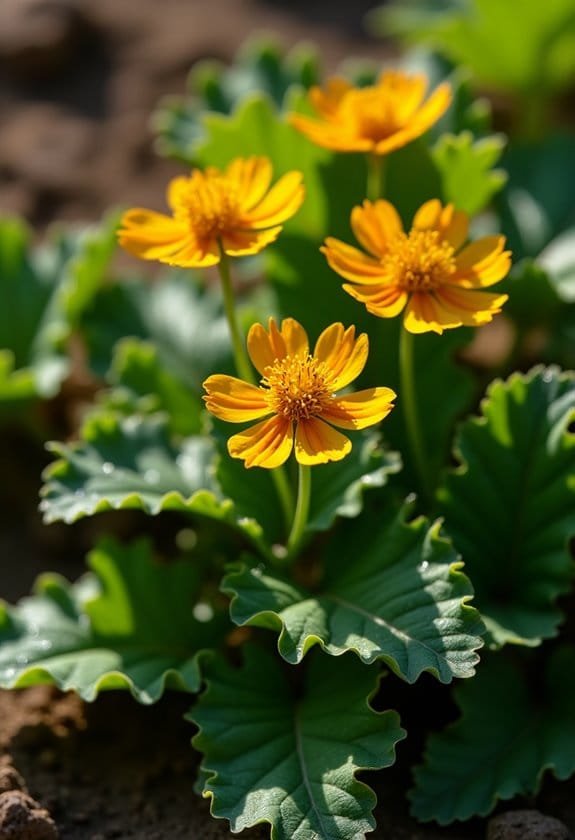
Potentilla species require specific growing conditions to thrive, making careful consideration of light, soil, water, and temperature essential.
These plants flourish in well-drained, organic-rich soil that retains moisture without becoming soggy, while full sun exposure encourages ideal growth; however, they can also adapt to partial shade.
Regular watering during dry spells and a moderate climate in USDA hardiness zones 2-7 further support their vibrant development, inviting gardeners to create diverse and flourishing landscapes.
Light
When it comes to light requirements, Potentilla species truly shine in full sun, though they can adapt to dappled shade. This versatility allows gardeners to cultivate these resilient plants in a variety of settings, whether sunny borders or partially shaded areas. Ideal light exposure, typically recommended for about six hours a day, fosters robust growth and promotes vibrant blooms, especially during the lush summer months.
In full sun, Potentilla experiences rapid growth, leading to a spectacular display of flowers that bloom from summer into fall.
These charming perennials, hardy in USDA zones 2-7, thrive well even in diverse climatic conditions, providing that they receive ample light. While they can tolerate brief periods of shade, insufficient light can result in leggy growth and reduced flowering, diminishing their overall aesthetic appeal.
Properly positioned, Potentilla shows its true potential, becoming a focal point in any garden landscape.
Adequate light not only boosts their energy but also enhances their ability to produce the striking blooms for which they're loved. Consequently, ensuring these plants receive their preferred light conditions is essential for achieving a flourishing garden display.
Soil
Successful growth of Potentilla species hinges on the right soil conditions. These plants flourish in well-drained soil that's rich in organic matter, which promotes ideal growth and vibrant flowering.
Potentilla prefers slightly acidic to neutral pH levels—ideally around 6.0 to 7.0—making it essential for gardeners to test and amend the soil accordingly. This testing guarantees that the soil supports the necessary biochemical processes for healthy plant development.
While Potentilla thrives under full sun, they can tolerate some dappled shade, particularly in warmer climates where sunlight can become intense.
Confirming the correct soil moisture level is critical; regular watering during dry spells maintains the consistency necessary for plant health. However, gardeners should be wary, as excessive moisture can lead to root rot, a common issue that arises from poorly draining soil.
Applying a layer of mulch around the base of the plants helps retain soil moisture and suppresses weed growth. This not only nurtures a conducive environment for Potentilla, but also enhances overall plant vigor, making it a worthy addition to any landscape.
Water
To thrive, Potentilla species need consistent moisture, especially during dry spells. These resilient plants flourish in well-drained soil, which not only prevents root rot but also fosters healthy growth. Regular watering is essential, particularly in arid conditions, as it maintains adequate moisture levels in the soil, ensuring that roots remain hydrated and active. Additionally, Potentilla can enhance the biodiversity of your garden, promoting pollinator populations that benefit from neighboring flora.
While Potentilla prefers basking in full sun, it can tolerate some shade, making water supply even more crucial in less sunny environments. In shaded areas, the risk of drying out increases, so diligent watering practices become paramount to plant health.
Applying a layer of mulch around the base of these plants is a clever strategy; it helps to retain soil moisture effectively, reducing the necessity for frequent watering. This organic barrier not only conserves water but also suppresses weed growth, enhancing the overall health of the plant ecosystem.
During winter dormancy, particularly in cooler regions, it's wise to decrease the watering frequency to avoid waterlogging, which can lead to detrimental root issues.
Tailoring water needs throughout the seasons ultimately fortifies the Potentilla species, securing their resilience and beauty. Furthermore, maintaining stable, undisturbed soil structures as a growing requirement is equally important for supporting healthy plant development.
Temperature
Potentilla species thrive consistently in cooler climates, making them well-suited for USDA hardiness zones 2-7. Their adaptability to a range of temperatures allows them to flourish in various regions, where they prefer full sun exposure. Yet, they can also tolerate the dappled shade, adding versatility to their growing requirements.
In ideal growth conditions, Potentilla benefits from well-drained, organic-rich soils that reduce the risk of root rot, a condition that can compromise healthy development.
The favorable temperature during spring and summer fosters rapid growth, with flowering occurring throughout these warmer months and into the fall. Potentilla's impressive growth is a reflection of its ability to thrive in moderately cool temperatures, which not only enhances its flowering but also helps maintain foliage vibrancy.
As winter approaches, the plant enters a light dormancy phase, requiring minimal care. Gentle pruning in late winter or early spring encourages robust new growth when temperatures rise again.
Therefore, understanding the temperature requirements of Potentilla species is essential for gardeners aiming to cultivate these resilient yet beautiful plants effectively, ensuring they display their full potential each growing season.
Pollinator Criteria
Potentilla species attract a diverse array of pollinators, including bees, butterflies, and the unique Polish cochineal, all of which play a crucial role in their reproductive success.
These plants primarily rely on insect pollination, as their intricate flower structures—with multiple yellow-tipped stamens—offer appealing nectar and pollen sources during the critical blooming period from late spring through summer.
As these pollinators visit the flowers, they not only contribute to the lifecycle of Potentilla species but also enhance the overall biodiversity within their ecosystems, creating a harmonious balance essential for ecological sustainability.
Attracted Pollinators
With bright yellow flowers providing an inviting beacon, Potentilla species effectively attract a variety of pollinators, including bees and hoverflies, seeking nectar. The vivid coloration of these blossoms captures the attention of many insects, particularly during the blooming season, which occurs mainly in summer and fall.
Among the numerous cinquefoil species, the common tormentil (Potentilla erecta) stands out as an essential resource that supports diverse biodiversity by offering abundant nourishment. Gypsywort is another example of a plant that also contributes to wetland ecosystems by enhancing habitat stability and supporting pollinators.
Potentilla species aren't just passive providers; they've evolved specific traits that enable them to form symbiotic relationships with particular pollinators. For instance, the Polish cochineal (Porphyrophora polonica) relies on these plants for its life cycle, showcasing a fascinating example of ecological interdependence.
Their palmate compound leaves create a microhabitat that encourages pollinator activity, giving insects shelter while they forage for nectar. Moreover, the presence of these plants can also benefit nitrogen-fixing capabilities, contributing to soil health and promoting a balanced ecosystem.
Pollination Method
A rich variety of pollinators, including bees, hoverflies, and butterflies, play an essential role in the pollination methods of Potentilla species. Primarily dependent on insect visits, these plants strategically attract pollinators to their numerous blooms with vibrant colors—ranging from yellow to red—that enhance visibility in diverse environments.
The morphology of Potentilla flowers, characterized by numerous yellow-tipped stamens, has evolved to facilitate easy access for visiting insects, consequently promoting effective pollen transfer.
Moreover, certain Potentilla species, like the common tormentil (P. erecta), have developed intricate relationships with specific insects, such as the Polish cochineal (Porphyrophora polonica), which relies on them for both habitat and sustenance.
Adult butterflies and moths also contribute greatly to the pollination process, seeking nectar and inadvertently aiding in gamete exchange. The variety in flower color and structure not only influences the type of pollinators drawn in but also impacts reproductive success; vibrant hues resonate differently with diverse insect visual systems.
Through these nuanced interactions, Potentilla species exemplify the intricate web of life, forming essential connections within their ecosystems.
Care & Maintenance
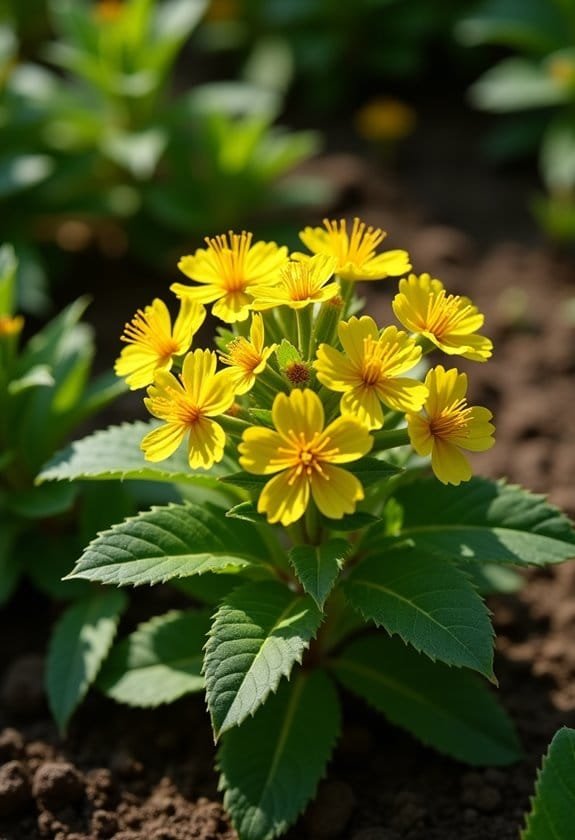
Caring for Potentilla species involves a blend of strategic maintenance and attentive practices to guarantee ideal growth.
Regularly watering the plants, particularly during arid periods, fosters robust health and vibrant blooms, while light pruning in late winter shapes the plants and stimulates new growth.
Additionally, choosing suitable companions can enhance their aesthetic appeal and support their growth, creating a harmonious garden ecosystem.
Planting Tips
Successful planting and maintenance of Potentilla species hinge on providing the right growing conditions. These resilient plants flourish best in well-drained, organic-rich soil, which allows roots to breathe while ensuring essential nutrients remain within reach. Ideal exposure to full sunlight enhances their vibrant growth, although they can adapt to partial shade when necessary. Creeping Cinquefoil particularly benefits from consistent moisture during its establishment phase to promote strong root development.
Consistent watering is essential, especially during arid spells, as it helps sustain the plant's health and vibrancy. To further promote robust growth, light pruning in late winter or early spring is recommended; this practice not only shapes the plant but stimulates new growth throughout the season, serving as a rejuvenating ritual.
Incorporating mulch around the base serves multiple functions: it retains moisture and suppresses weed growth, both pivotal for nurturing the plant's development. Additionally, during the growing season, a balanced fertilizer can provide a notable boost, enriching the soil and enhancing blooming displays, thereby inviting diverse pollinators. Furthermore, incorporating plants like Common Yarrow can improve overall soil health due to their extensive root systems.
Ongoing Care
Ongoing care for Potentilla species is crucial to assure their vibrant health and longevity. Regular pruning during late winter or early spring helps maintain the tidy shape of common cinquefoil plants while encouraging healthy new growth.
Consistency in watering is essential, especially during dry spells; this practice guarantees robust growth and ideal flowering cycles.
Applying mulch around the base of Potentilla not only aids in moisture retention but also suppresses pesky weeds and stabilizes soil temperature, creating a perfect growing environment.
While these plants are generally sturdy, lighter support may be required for their flower stems, particularly in full bloom, as they can exhibit a tendency to flop.
Additionally, fertilizing every spring can greatly enhance both growth and flowering potential, thereby contributing to a more radiant display throughout the entire growing season.
This routine of care, which includes timely watering, thoughtful pruning, strategic mulching, and gentle support, lays the foundation for the common cinquefoil's health.
Suggested Companions
In gardens where Potentilla species thrive, choosing the right companion plants can considerably enhance both aesthetics and health. Pairing Potentilla with robust perennials, such as asters and daylilies, not only aligns their light and soil moisture needs but also elevates the visual diversity of the landscape—creating a harmonious blend of colors and shapes. Additionally, sunlight exposure is crucial for maximizing the growth of both Potentilla and its companions, ensuring a thriving garden.
Grouping cinquefoils alongside other drought-tolerant species improves the garden's resilience, as these plants collectively require less water once established. Incorporating pollinator-friendly companions like lavender and coneflower attracts beneficial insects, fostering ideal cross-pollination among the flora, thereby ensuring a vibrant ecosystem.
Furthermore, ornamental grasses, particularly blue oat grass, add striking texture and height, complementing the low-growing Potentilla without engaging in resource competition. Rosemary, for example, is a versatile companion known for attracting valuable pollinators to the garden.
Effective garden maintenance also involves using mulch around Potentilla plants. This practice helps retain necessary soil moisture while suppressing unwanted weeds, especially when paired with companion plants that prefer similar cultivation methods. Additionally, selecting plants that attract early spring pollinators can improve the cross-pollination of Potentilla species, boosting their overall health and vitality.
In essence, thoughtful selection of companion plants not only harmonizes the garden aesthetically but also promotes overall health, enhancing the long-term vitality of Potentilla species within that vibrant ecosystem.
Common Issues
Common issues with Potentilla species often stem from pests and diseases that threaten their health and vigor.
Gardeners may observe leaf spots or wilting, which can stem from fungal infections or infestations like aphids and spider mites, necessitating prompt intervention to prevent extensive damage.
Identifying such problems early and implementing suitable solutions, including proper watering techniques and organic pest control, can greatly enhance the resilience and aesthetic appeal of these versatile plants.
Pests/Diseases
Potentilla's vibrant blooms and hardy foliage can attract a few unwelcome pests and diseases. Among these, aphids and spider mites pose significant threats, as they damage leaves by sucking out sap, ultimately leading to a decline in the plant's vigor.
This sap-sucking behavior can weaken the overall health of Potentilla, making it more susceptible to environmental stressors.
Additionally, fungal diseases, particularly powdery mildew, may flourish in humid conditions. This issue manifests as a white, powdery coating that can inhibit photosynthesis, essential for robust growth.
Root rot represents another major concern typically resulting from overwatering or poorly draining soil, which can cause wilting and discoloration.
Leaf spot diseases, stemming from either fungal or bacterial infections, develop as unsightly brown or black spots on leaves. If these symptoms persist without intervention, the plant may experience leaf drop.
Therefore, vigilance is essential in managing the array of pests and diseases that can afflict Potentilla. Regular monitoring for early signs of infestation guarantees the health of this resilient plant, emphasizing the importance of intervening promptly to preserve its beauty and well-being.
Solutions
Managing the challenges faced by Potentilla species requires a proactive approach. Given that many cinquefoil species can be mistaken for other plants, meticulous examination of their floral structures, such as petal and sepal counts, along with leaf texture, is crucial for proper identification. This specificity can prevent the accidental introduction of invasive varieties into gardens.
Moreover, the aggressive growth potential of certain Potentilla species makes them formidable competitors in cultivated landscapes; consequently, regular monitoring and management are essential to curb their spread. Ensuring well-drained soil can further protect against root rot, a common affliction caused by poor drainage. Avoiding waterlogging preserves the overall health of these plants.
Pruning during late winter or early spring not only shapes the plant effectively but also stimulates fresh blooms, enhancing visual appeal. Additionally, understanding the extensive root system of certain plant species can help in identifying potential competition for resources in the garden.
Finally, certain pests, including aphids and spider mites, can threaten the vigor of Potentilla species. Prompt application of insecticidal soap or other insecticides becomes imperative to mitigate potential damage.
Collectively, these strategies create a robust framework for successfully nurturing and managing cinquefoil species, ensuring both their beauty and resilience in gardens.
Summary
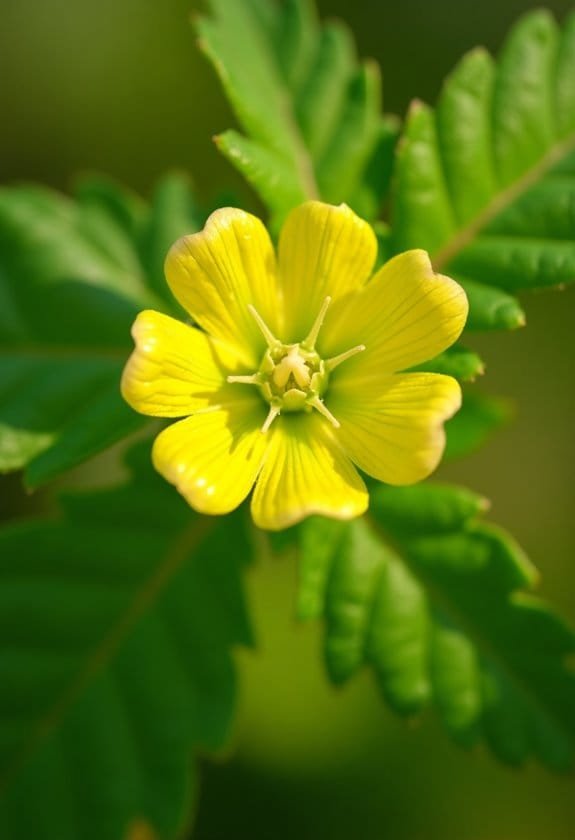
Cinquefoils, belonging to the genus Potentilla, encompass over 500 species of herbaceous flowering plants known for their palmate leaves and bright yellow flowers. These versatile plants thrive in cool and cold regions worldwide, contributing considerably to local biodiversity. Serving fundamental ecological roles, they attract pollinators and stabilize soils, reinforcing their importance in various ecosystems.
Remarkably, Potentilla species, such as Potentilla erecta (common tormentil), have made their mark in traditional herbalism, being utilized for treating inflammation and digestive issues, thus highlighting their medicinal potential. Cultivators often favor specific varieties for ornamental purposes in gardens and landscaping, enhancing visual appeal with their vivid floral displays.
When working with cinquefoils, accurate identification is essential, as their distinct morphology can lead to confusion with similar plants. Significant characteristics include sepal number and leaflet arrangement.
Consequently, fostering knowledge and preservation efforts under initiatives like Plant Trust is critical for maintaining the ecological integrity and diversity of these remarkable plants. Through careful cultivation, proper identification, and an appreciation for their ecological contributions, society can guarantee the sustainability of Potentilla species for generations to come.